Acts 27
Manikáne O Ehwehne · Tap a verse to see its cross-references.
Pora Aroma suwahpeq pokinkeheéra sípiipéq móátó éhwéhne.
1Pora Ítári marákórápéq eqmarankeheéra sega wereq mó karábúsiipéq míó kereq wehukení wenáwíq Súríásaba mórítówe. Súríásawe we sóntía kené kíápéténi ména 100 sontíá ké wahnahnéna anotah wahnáh ání Sísáhrine arambehri aní míowe. 2Árámítíámi suwahpeqte sípígá mó ke suwahpeq mó ke suwahperue Esia marákórápéq pokinaútaq Súríásaga Porareq mó karábúsiipéqté kéreq sípiipéq mórítówe. Mó aní wenáwíq Árísátáki sípiipéq míowe. We Tésárónáíka suwahpeq Másérónía marákórápéqté áníne. Itega sípi kéweweq pokowane. 3Pokéq mó wehekáh Sáíróna suwahpeq sewane. Súríásaga Pora kaweratena wensabé, Arega mahtaq sewíéhnaraq arene iyahnaboga kirabo atagéhe úwe.
4Mó wehekáh itega sípi kéweweq pokowane. Iuranabiahtapeq anotah soirírúnsabe marakó áwíq Sáípára ogehpeqtáq sótaikowane. 5Sótaikéq Sírísía marákórápéqkákáq Pámbíría marákórápéqkákáq anotah wanítábá sótaikéq Árísía marákórápéq Máíra suwahpeq kowane.
6Sóntía kené kíápéténiga mitaq mó sipí Ítári marákórápéq pokína sipí kabaruwe. Kabaréna wega Árékásántáría suwahpeqte sípí Ítári marákórápéq pokína sipí ábóraq marena ite meiqmena sípiipéq móitowe.
7Mitaq sípi kéweweq anotah soirírúnsabe táhmaro wehekáh pehwehrue pokowane. Pehwehrue kúwaq itega Níra suwahpeq kótaikowane. Mitaq anotah soirírúnsabe itega obaríqme íre korahowane. Itega Sárámóni marákórápéq kótaikéq Kíríti marákórápéqté áyéhrápéq kótaikéq mi marákó ogehpeq kowanae. 8Sípiwarí segagairabeq áwíq Kaweqtapére. Mitaq Áráséa suwahpeq wahtotare. Sípiipéq pehwehrue mitaq kowane.
9Anotah soirírúnsabe koyabo seyabonue áhnte wehekáh sótaikúwe. Ópeq tanáhráq súwana anotah soirírúnsabe wánínka áhnte nonaburóróúwe. Minayabe Poraga sensabé, 10Sípiakáq itenkakáq wánínkoneho. Íné iwíáhume pokonaraq íre peh sípiakáq kahgoakáq ite moq wánínkoneheqmúne úwe.
11Úwana sóntía kené kíápéténiga Porane ehweh íre irena peh sípi soberú anínseq sípi abowáreqne ehweh irowe. 12Sipwarí segagairabeq ópeq tanáhráq méyabe íre kaweqtapéq púara áhnte kegá, Sípi kéweweq pokoneheqmúne uwe. Kíríti marákórápéq mó sipí kagairabeq áwíq Píníkie. Sega iwíáhéra, Píníkiwe íre anotah soiríri marákóe. Minayabe sípi kéweweq pokue ópeq tanáhráq mitaq kowíanehe uwe.
Anotah soirírúnsabe wánínka anotah nonaburóróúwe.
13Pehgáriq soirírúnsabe sega iwíáhéra, Aiq kawerire íwíáhuwaq sípi kéweweq Kíríti marákórápéqté áyéhrápéq wahtotaq pokowane. 14Pokowanana marakóipeqté anotah soiríqká paentowe.
15Anotah soirírúnsabe sípi sóirirúrabeq íre korahúwe. Íre korahúnsabe sípi soberú anínká sípi kéyabonkúwana sóiriqka anehepeq pagume meqmena kúwe. 16Itega Káúra marákó sótaikowanaraq pehgáriq sipí abariue pankeqme sípirapéq marahwáne. Anotah soirírú púana mi arámbéhrí anotah pagégé árámbéhríe.
17Sípi pitegíneho éra págege nahgáqtáté ákáhnabubu táhru táhruuwe. Ápáríka marákóráq sóiriqka sípi paentáwena arahwéraq móitehneho éra sega séri pugeq súówana sípiga pehipi pokúwe. 18Mó wehekáh peh anotah soirírúwana sípi umehúnsabe wánínkíneho éra sega kahgowarí mewe wánípipeq súówe.
19Súówana mó wehekáh mónkakáq anotah soirírúwara mó wehekáh anotahtaq áhreu puara sípi soberé mensáméhnsámárí mewe wánípipeq súówe. 20Áhnte wehekáh íónkakaq pópoqnahakáq wehyoqkakáq íre ábóraq kowana peh anotah ibónsúwana sóirirúwe. Minayabe sega wánínkoneheqmúne íwíáhuwe.
21Wánínkoneheqmúne íwíáhéra áhnte wehekáh táhutahuq awehriuwe. Awehriuwana Poraga se míórabeq séna sensabé mahraréna, Wehukeo, néne ehweh ireq Kíríti marákórápéq íre súótaq tahirímé sípiipéqté ménsáméhnsá peh kéh irino. 22Amahnága íre áhreoro. Moke itega íre pukoneheqmúne. Peh morá sípi airaiq piteginawire.
23Íné Manikáne aní ména wensabé iwíáh íwíáhata atauge. Inokáhpeq wene íópeqté ánínká ínéba iriwe ména 24mahrarue teniena, Porao, íre áhreúno. Aroma kené wahnah Sísáhriga arene ehweh irankéhboq weba pokiniewóne. Minayabe Manikánka arereq moke sípiipéq míáh kéreq amahnága íre pukia peh oga míáhro aitéhre. 25Manikánka tení éhwéhnsábé aiq pútare atóge. Wega teninsábé aiq pútaraginawire íwíáhuge. Minayabe íre áhreoro. 26Peh morá sóiriqka paentáwe sípi marakóipeq surahue piteginkehe úwe.
27Inokáhpeq 14 wehekáh parabagútaq anotah soiríqká íre parabagia peh sípi anotah soréq wání áwíq Mérítérénía paentowe. Paentowara inokáhnabubu sípiipéq arambehrio kegá, Marakó peh wahtotare íwíáhuwe. 28Iwíáhéra sega náhgáqtate wání agehga marówana peh ákáhtaq wahtótáq 40 míta kowe. Konsabe sípiga mó kúwara sega mótaq mó agehga marówana peh wahtotaq 30 míta agúwe. 29Peh wahtotaq agú púara sípi marakóipeqté ébáhmárí paentáwe súnsabe pitegineho éra áhreuwe. Áhreéra itaréitaré náhgáqtáq áhéni sarira mewe wánípipeq márówe. Mi ahénígá wánípipeq tuegáwagiwe ambubu aginkeheéra inokáhpeq sípi anehepeqte tuparúówe. Tuparuera apubúue ahyahbikerankeheéra púreruwe.
30Sípiipéq arambehriu kegá seye náhenéra, Mahtaq pukonehboq sípiakáq karábúsi keákáq sueq káriq sipí kéweweq marakóipeq pokoneheqmúne uwe. Mira íwíáhunsabé sega mó ke péhe éhwéh teriera, Itega mó ahéní sípi abiahtapeq sariwe tuparuanéhe uwe. Tuparuanéhe éra káriq sipí wánípipeq márumárówe. Mi karíq sípí kéwewera pokonehe éra márumárówe. 31Márumárótaq Poraga sóntía kené kíápéténireq wene sóntía kereqsabé, Sípiipéq arambehriu kegá ite iuwera pokirataq wánínkoneheqmóe úwe. 32Úwara sóntía kegá káriq sipí táhraró nahníáq kiraq súówana mi sipí sóreq wanítáq márunsurahéna pehipi pokúwe.
33Ahyahbinkiranotaq Poraga ómi míó keyabé, Táhutahuq nahro éna pagu pagunéna sensabé, Itega téhtaré wíkí iwíáh kikiréq táhutahuq íre narutówe. 34Irupi pukiyehboq amahnága nahro. Ite íre wánínkoneheqmúne. Peh ite ómi áhkórapeq kéagorahúne úwe. 35Mi ehwéh iraréna se tagotaq táhutahuq mewena Manikánsabe kaweróne atena keqme nówe.
36Keqme nówara sirupipeq moke eyoyóéra táhutahuq nowe. 37Peh íregáritaq 276 wehuké mi sipíípéq míahwane. 38Se táhutahuq nowana siyahbankirowara sípi umehíneho éra moke tahutáhúq wánípipeq súówe.
Sípi pitegú ehwehne.
39Ahbiahipeq marakó ábóraq kowara sípiipéq arambehriu kegá tagéra eheqte marákóbo iwíáhuwe. Iwíáhéra kaweq arahwé tagéra sípi korahonaraq mitaq kowíanehe íwíáhuwe. 40Mira íwíáhunsabé sega áhéni nahníáq kiraqme sóreq wanípípéq súówe. Sípi soberinkeheéra sega soberé kara pugeq súówe. Sóiriqka sípi paentáwe áhnopeq méitankeheéra sega séri pankeqmárówe.
41Moke mirau puana sípiga peheráh kéna wánípipeqté arahwéraq móbegue kowíówe. Arahwéraq móbegúnsabe íre pokorahúwana anehepeq wánínka mésubiqmaq subiqmarúwe. Mésubiqmaq subiqmarúnsabe sípi piteginaúwe.
42Sóntía kegá iwíáhéra, Karábúsi kegá wánípipeq súbímiue áhkórapeq keague taqnobagiyeho éq amahnága se subiq suanehe íwíáhuwe. 43Iwíáhuwana sene kíápéténiga, Pora subiq súého íwíáhéna ahqáho aritowe. Wega wánípipeq súbími tagaríáh kéyábé, Ebeqme itega wánípipeq ahkuague súwímiue áhkórapeq pokoro. 44Anehe mó kegá sípi pitegia áyéhráqpópoq abaraqpópoq táhtoqme áhkórapeq kéagigehe úwe. Úwaq itega moke wega teiunserahnue kaweqtaq áhkórapeq kéagowane.
Did you know?
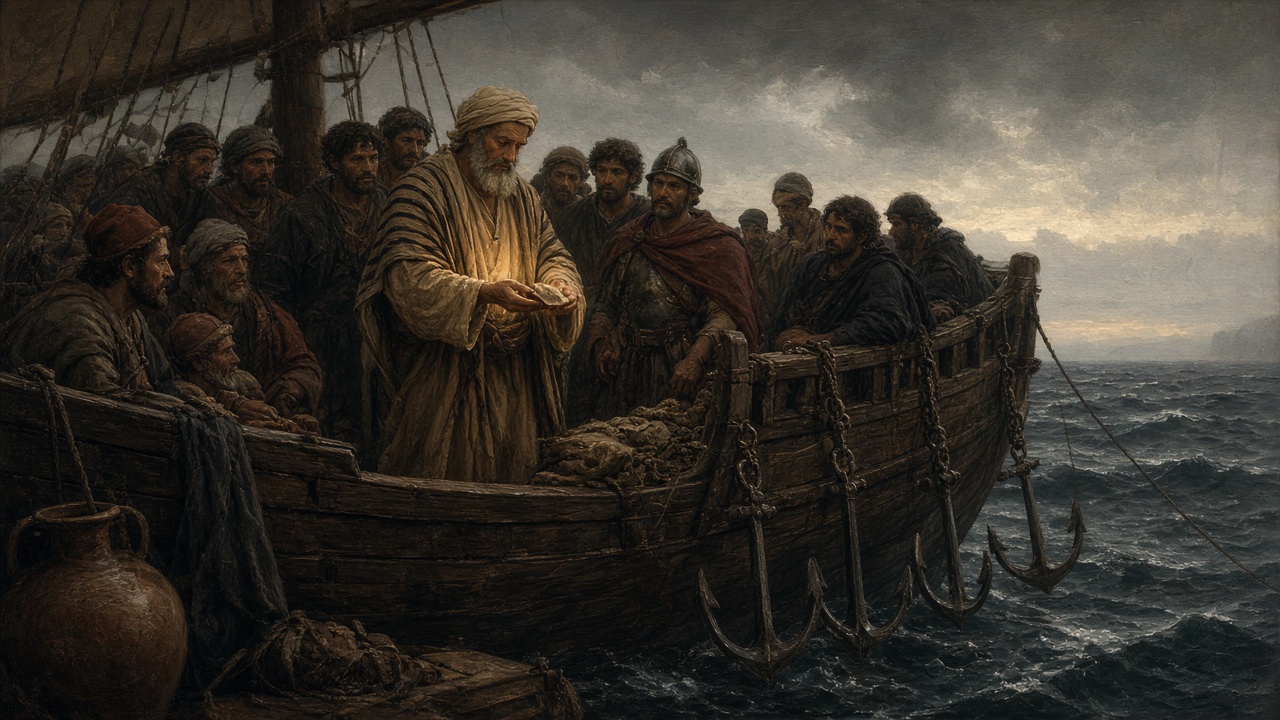
Storm and Shipwreck on the Way to Rome
- Paul and the other prisoners did not sail straight to Italy. At Caesarea they boarded a ship of Adramyttium, a city on the coast of Mysia in Asia Minor, bound for ports along the coast of Asia, a name Easton's Bible Dictionary takes in this verse as probably Asia Minor, and that ship carried them only as far as Myra in Lycia. There the centurion put them aboard an Alexandrian ship sailing for Italy; the dictionary notes that it was rare for a ship to sail from any port of Palestine direct to Italy.Sources: Adramyttium · Asia · the Bible text itself
- The prisoners were handed over to Julius, a centurion of the Imperial Regiment. Easton's Bible Dictionary identifies him as centurion of the Augustan cohort, or the emperor's body-guard, and describes his courteous regard for Paul. At Sidon, about twenty-five miles north of Tyre, he let Paul visit friends and receive care; later he blocked the soldiers' plan to kill the prisoners so that Paul's life would be spared.Sources: Julius · Sidon · the Bible text itself
- After Cnidus the ship worked along Crete, one of the largest islands in the Mediterranean, about 140 miles long and 35 broad, which Paul visited on this voyage to Rome. The account says the voyage had already become dangerous because it was after the Fast, and Fair Havens was unsuitable for wintering. One chronology dates the start of the journey to Rome to AD 56 and the shipwreck in the storm to AD 57.Sources: Crete · Journey to Rome begins · Paul is shipwrecked by a storm · the Bible text itself
Notes written with AI assistance from open sources (Theographic Bible Metadata, CC BY-SA 4.0; Easton’s Bible Dictionary, public domain) and reviewed before publishing.
Places in this chapter
- Italy · 41.892, 12.485 · verses 1, 6
- Adramyttium · Today: Oren · 39.501, 26.933 · verse 2
- Asia · 38.400, 28.300 · verse 2
- Thessalonica · Today: Thessaloniki · 40.638, 22.946 · verse 2
- Sidon · Today: Sandikli archaeological site in Sidon · 33.561, 35.372 · verse 3
- Cyprus · 35.000, 33.000 · verse 4
- Cilicia · 36.913, 34.892 · verse 5
- Lycia · 36.733, 29.900 · verse 5
- Myra · 36.259, 29.985 · verse 5
- Pamphylia · 37.000, 31.000 · verse 5
- Alexandria · 31.183, 29.896 · verse 6
- Cnidus · 36.686, 27.375 · verse 7
- Crete · 35.310, 24.893 · verses 7, 8, 12, 13, 14, 21
- Salmone · Today: Cape Sideros · 35.316, 26.312 · verse 7
- Fair Havens · Today: Kaloi Limenes · 34.930, 24.800 · verses 8, 12
- Lasea · Today: Lasaea · 34.941, 24.811 · verse 8
- Cauda · Today: Gavdos · 34.833, 24.083 · verse 16
- Syrtis · Today: Sidra · 31.500, 18.000 · verse 17
- Adriatic Sea · Today: Adriatic and Ionian Seas · 38.000, 19.000 · verse 27
Only places identified with high confidence are shown (90% or more according to the scholarly sources compiled by OpenBible). Period map: DARE (Digital Atlas of the Roman Empire), CC BY 4.0; modern map: © OpenStreetMap contributors; places: OpenBible.info (CC BY 4.0).
Credits and license for this translation
Manikáne O Ehwehne
God's New Talk: The New Testament in the Awa Language of Papua New Guinea
Nupela Testamen long tokples Awa long Niugini
copyright © 1974, 1997 Wycliffe Bible Translators, Inc.
℗ Faith Comes by Hearing
Language: Awa
Translation by: Wycliffe Bible Translators
This translation is made available to you under the terms of the
Creative Commons Attribution-Noncommercial-No Derivatives license 4.0.
You may share and redistribute this Bible translation or extracts from it in any format, provided that:
You include the above copyright and source information.
You do not sell this work for a profit.
You do not change any of the words or punctuation of the Scriptures.
Pictures included with Scriptures and other documents on this site are licensed just for use with those Scriptures and documents.
For other uses, please contact the respective copyright owners.
2013-12-11
Source: http://png.bible/awb/ · eBible.org