2 Corinthians 3
Manikáne O Ehwehne · Tap a verse to see its cross-references.
Poraga, Mó kegá ite tagéra néne arambehri ahtebahrahowe ú ehwehne.
1Néníwíq mónkakáq pankerogo? Arambehri aníné wahnahnka wene arambehriyabé páhsi sehiranue áwírana mewe nogíre. Itereq ínéreqka mi sansá miraonehnkono? Írakaumo. 2Itewe néne arambehri pahsí tahnsa míáhwe. Mó kegá ite tagéra néne arambehri ahboeqme ahtebahrahowe.
3Néne arambehri pahsí Sísa Karáhéga itene irupipeq sehiranuraire. Mó kegá mi pahsí anereuwo éra néne sánsá tagéra mi pahsí sáhnsahoráhowe. Sísaga mi pahsí pépahqtaq íre sehiranire. Manikánka oga mía míaéna Wenawa iteba eqmatairana wega itene irupipeq páhsi tahnsá sehira aruqarurire.
Manikánka áhnte séhréh aintéh éhwéhne.
4Íné iwíáhume Manikánka íné omaq intena séhréh ainta aintainsabé Sísa Karáhéne arambehri miraorahuge. 5Ínériahríáh Sísane arambehri íre miraorahuge. Peh morá Manikánka séhréh aintéhnká miraorahuge.
6Wega ínénsabe o sansanúno éna séhréh aintéhnká miraorahuge. Naho sánsá sehgíóro ú sehirá kéhrana o sansamé Manikáne Awanka séhréh aitéhre. Sehgíóro ú sehiránká mirainka pukorahúna sansánirana Manikáne Awanka mirainka oganúq itahráhi sansánire.
Sirupipeqté síúrá akariuríéh náneqsabé éhwéhne.
7Iwíáhue tagahro. Miraoro ú ehweh ebah kanéhráq sehiranútaq Manikáne téhreh naneq Mósísine auranabiahtapeq ábóraragúwe. Anotahtaq téhrehnsabé Ísara kegá Mósísine auranabiahtapeq íre ebitiahrahuwe. Mi tehrehnka parabagina útaqkakáq íre ebitiahrahuwe.
8Miraoro ú sehiránká pukorahúna sansá áhwárótaq anotah tehrówe. Manikáne Awanka séhréh aitéh sánsá anotah kawéq sánsánéna miraoro ú sehirá sánsá anotahtaq kiotaikire. 9Miraoro ú sehirá sánsámé ehweh aitahráhi sansánirana anotahtaq téhrówe. Manikáne Awanka séhréh aitéhmé kaweqtaq míahrahúna sansánéna ehweh aitahráhi sansá kiotaikire.
10Aiq kiotaiki puaq naho téhró naneq amahnága íre téhrehre. 11Manikáne Awanka séhréh aitéh sánsánká peh kagai puana naho parabagurai sansá aiq kiotaikire.
12Manikáne Awanka séhréh aita aitai puaq itega íre áhreéq peh págegeue Sísa éhweh teri terinorahúne. 13Mósísiga miraúnserah itega íre miraoneheqmúne. Mósísine auranabiahtapeq téhró naneq parabagina únsabe mó kegá tagehoéna wene auranabiahtapeq ambantataté akariuriowe.
14Ísara kegá miraoro ú sehirá sáhnsahera sirupipeqté síúrá akarié naneq konsabe sega íre ahtebahrahuwe. Amahnágaákáq sega íre ahtebahrahowe. Wehukega Sísa Karáhénsabe aiq pútare atéhranka sene sirupipeqté síúrá akariuríéh náneq meruankéhe.
15Iborankákáq sega Mósísiga miraoro ú sehirá sáhnsáhótáq sirupipeqté síúrá akariuríéh náneq kéhnsábé sega íre ahtebahrahowe. 16Maniká itene Wahnahnsabé áhrabirana sene siura akariuríéh náneq meruankéhe.
17Itene Wahnah Manikáne Awa míéhtáq sabirúéh náneqka ite mó íre saiqnariahrahire. 18Itene iuranabiah íre akariuríéhre. Téhrehnka timanotaq sokaeqsúéhrara wehukega tagahnserah Manikánka séhréh aitena kaweraitowara mó kegá ite tagéra Manikáne sansá tagahrahowe. Itene Wahnah Manikáne Awa ména we tahnsá míageheéna séhréh aitena kaweraita aitaire.
Did you know?
A More Glorious Covenant
- The chapter asks whether letters of recommendation to or from the believers are needed, as some people require. It answers that the believers themselves are a letter from Christ, the result of this ministry, inscribed on the ministers' hearts and known and read by everyone.Sources: the Bible text itself
- The chapter contrasts ink and tablets of stone with the Spirit of the living God writing on human hearts. It calls the ministry engraved in letters on stone a ministry of death and condemnation, and describes a new covenant of the Spirit, for the letter kills but the Spirit gives life.Sources: the Bible text itself
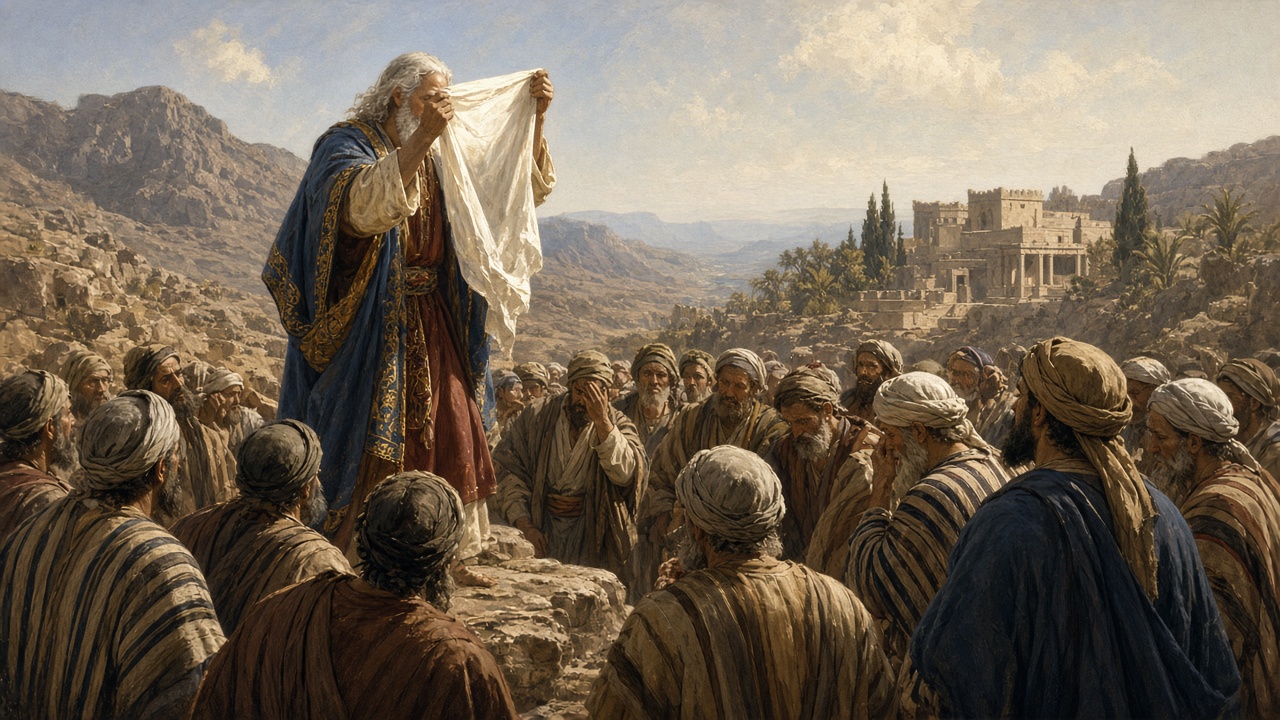
- The Israelites could not gaze at Moses's face because of a glory that was fading, and Moses put a veil over his face so they would not look at the end of what was passing away. The chapter says that a veil still covers their hearts when Moses is read, and that it is taken away whenever anyone turns to the Lord.Sources: the Bible text itself
Notes written with AI assistance from open sources (Theographic Bible Metadata, CC BY-SA 4.0; Easton’s Bible Dictionary, public domain) and reviewed before publishing.
Credits and license for this translation
Manikáne O Ehwehne
God's New Talk: The New Testament in the Awa Language of Papua New Guinea
Nupela Testamen long tokples Awa long Niugini
copyright © 1974, 1997 Wycliffe Bible Translators, Inc.
℗ Faith Comes by Hearing
Language: Awa
Translation by: Wycliffe Bible Translators
This translation is made available to you under the terms of the
Creative Commons Attribution-Noncommercial-No Derivatives license 4.0.
You may share and redistribute this Bible translation or extracts from it in any format, provided that:
You include the above copyright and source information.
You do not sell this work for a profit.
You do not change any of the words or punctuation of the Scriptures.
Pictures included with Scriptures and other documents on this site are licensed just for use with those Scriptures and documents.
For other uses, please contact the respective copyright owners.
2013-12-11
Source: http://png.bible/awb/ · eBible.org