1 Corinthians 10
Manikáne O Ehwehne · Tap a verse to see its cross-references.
Íre kaweq sunúq sínaraq ite Sísane sánsá súého i ehwéhne.
1Naho itene igaqnaréhga Mósísi kérówe. Sega miraunsabé iahreraq kankeheéna teiúge. Sega abatapi nogútaq írábúyá akariuriowe. Sega írábúyá anehe karageheéna Manikánka mi irábúyá omaq atowe. Manikánka iwíáh aritowara sega Káhtore Waní kéráwégue seberaebéq pokuwe. (Kisim Bek 13.21-22, 14.21-29)
2Sega írábúyá akariuriotaq nogútaqkakáq Káhtore Waní kéráwégue seberaebéq pokutaqkákáq sega wání meyónserahnéra mitaq nogera Mósísi kérera wenkahnáh úkuwe.
3Manikáne Awanka íópeqté tópáh náriuwara ómiga nowe. 4Wega ótaq sansánútaq wání arahno ebahpipéqté súwana náriuwara nowe. Mi ebáhmé Sísa Karáhée. Sega pokutaq mi Ebáhnká sereq moráráq pokúwe. 5Pokúwara Maniká sene sánsánsábé íre awahbó púara abatapi nogútaq puku pukuéra sene sinonka abatapinue mibeq móbeq kowe.
6Sega ahbabárunserah itega miraiyeho éna Manikáne ehwehnka tei teinire. Sega ahbabáq naneqsabé sirutaboiru serahniyeho. 7Táhmaro mi kegá péhepehe maníkánsábé iwíáh íwíáh atónserahniyeho. Sega miraunsabé Manikáne ehwehnka mahraréna,
Ísara kegá tútuue méra táhutahuréra irigéra ábáhréra nahnso kené sansanéra mó kené weh ahre abariuwe ire. (Kisim Bek 32.6)
8Sega mó tanáhráq ahbabáréra áhnte kegá mó kené ahre ahrari abariunsabe Manikánka abiahnsa aritena kamah ariuwara peh íregáritaq wehuké 23 táhúséni (23,000) wehuké peh morá wéhékáh pukuwe. Sega mirau serahniyeho. (Namba 25.1-9)
9Mó tanáhráq táhmaro Ísara kegá sene wahnahnsabé, Árahono éra wensabé éhruruunsabe Manikánka wehe omaq atowana éhruruu ke pówara pukuwe. Sega éhruruu serahniyeho. (Namba 21.4-8)
10Mó tanáhráq táhmaroga Manikánsabe abiahnsa atera ehmuniq éhmúníruwana Manikánka íópeqté ánínsábé, Márunsubiq suo atowana mi ke márunsubiq suowe. Sega ahbabáru serahniyeho. (Kisim Bek 16.2)
11Manikáne ehwehnka sene ahbabáq teíre. Sega ahbabárunserah itega moq miraiyeho éna teíre. Amahnága anehe tanahráq sinainsabé itega kaweqtaq mía míaigeheéna teíre. 12Íné kaweqtaq ména págegeue iriwe míóge íwíáhóna aníno, inahsubínehboq áwéh panantagínah págegeue iriwe míahno. 13Áhwáré naneqka íre arebataq areba sire. Írakaumo. Mah kehiná kéhínápá sire. Áhwáré naneqka ite íre saiqnariankeheéna Manikánka wene omasa éhwéh ahreraq matawéna ite séhréh aitankéhe. Wega séhréh aitena kaweq ah sokogi ainkéhe. Wega ite págegeue míageheéna séhréh aitowana áhwáré naneqka ite íre saiqnarianawire. Ahbabáqka moq ite íre saiqnarianawire.
Owainawansabé titirue náríé náneqme pehragahro i ehwéhne.
14Néne iyahnabo anímáríno, péhepehe maníkánsábé iwíáh íwíáh ate sansa pehragahro. 15Itewe ahtebia ké míáhnsábé teiú éhwéhnsábé iwíáhue tagahro. 16Sísa itene ahbabáqsabe pukúnsabe iahreraq kéh tánáhráq itega káhpuipéqté wánínsábé meyone. Mewe nahnayabé itene Wahnahnsabé kaweróne ateq Sísa Karáhéne korahq tunsabe itene ahbabáq kaweraitéhre íwíáhúne. Mi tanáhráq itega tópah keqme nahnayabé Sísane anonka kamahúnsabe itene ahbabáq kaweraitéhre íwíáhúne. 17Mira íwíáhéq morá ké tahnsa míone. Itega keqme nóna topáhmé peh morá tópáh púaq ite áhnte wehuké méq morá ké tahnsa míone.
18Asiu kené sánsánsábé iwíáhoro. Sega tahberapeqté titirue náríé náneq nahtaq Manikáne tahbe puara mi tanáhráq sega wensabé aiq pútaq iwíáh íwíáh atáhwe. 19Teiú éhwéhnsábé aneq iwíáhonehnkono ewo? Péhepehe maníkámárí íre oga míáh náneqmaríne. Mi naneqmarí titirue náríé náneq íre Maniká náwé náneq tahnsáne. 20Írakaumo. Nahnso kegá titirue náríé náneq Maniká íre náwasa peh owainawamarí náríéwe. Owainawansabé iwíáh íwíáh atéhboq sensabé titirue náríé náneq pehragahro.
21Itene Wahnah pukú tanahráq iahreraq kéh káhpúípéqté wánínkákáq owainawansabé iwíáh íwíáh atáh káhpúípéqté wánínkákáq moráráq neho. Itene Wahnah pukú tanahráq iahreraq kéh tópáhnkákáq owainawansabé iwíáh íwíáh atáh tópáhnkákáq moráráq neho. 22Mirairataq Sísa itene Wahnahnka, Aneqsabé íné nuweq owainawansabé iwíáh íwíáh ataho éna abiahnsa aitanawire. We anotah pagégé ání púaq itega we íre kiotaikorahúna mino.
Ahriahri itega Maniká áwíq pankeraneheqmúne i ehwéhne.
23Mó kegá, Ite moke miraona naneq aiq kawerire ewe. Peh moke miraona naneqka ite kaweqtaq méyabe íre séhréh aitahráhire. Moke miraona naneqka ite Sísa kawerue kéreyabe íre págege aitahráhire. 24Ite iuwahbeh sansá pehipi miraiyeho. Peh itene iyahnabo séhréh aritahráhi sansánoro.
25Máhkétirapéqté táhútáhúq paiqmaréhrataq mah tahutáhúq aneq sansánia táhútáhúqpo ue íre kasenoro. 26Minayabe Manikáne ehwehnka mahraréna,
Moke mah marákó márákóákáq mahtaq kéh náneqkakáq itene Wahnahne náneq mire ire. (Lo 10.14; Buk Song 24.1)
27Sísa íre tagaríéh ánínká itensabé, Táhutahuronehboq máhoro ínaraqmé ite iuwahbáhnaraq kowe nahro. Wensabé, Mah tahutáhúq eheqtepo ue íre kasenoro. Wega náwí náneq pehipi nahro. 28Mó anínká itensabé, Mah awáq owainawansabé titirúna naneq náwúge ínaraq íre nahro. Mi awáqkáwé ite íre ahbabáq aitahráhire. Peh ite teí ání ahbabáq atéhboq íre nahro. 29Itega ahbabáq iwiáhowe íre iraruge. Írakaumo. Peh teí ánínká, Itega aiq ahbabárowe íwíáhineho.
Mina tahnsa íwíáhi aní íre míahnaraq íné nuwahbeh naneq nahrahuge. Peh móbeq míéh áníné awehrii sansánká íné íre saiqnariahrahi mino. 30Manikánsabe, Kaweróne atena mi tahutáhúq nahnara tagehra kegá árahue ehweh aintagéhbo?
31Itega tópahnkakáq wánínkakaq nehrataq mó naneq arámbéhrí mirairataq Maniká áwíq pankeraneheéq wensabé iwíáhue kawerue miraoro. 32Itega miraonka Asiu kereq nahnso kereq Sísa tagaríáh kéreq ahbabáq arítéhboq iwíáhue peh kaweq sansánoro.
33Ómi mó kegá moke ínéga mirau sansá kaweq sansáne íwíáhigeheéna mirauge. Íné nuwahbeh sansámé íre mira aruqaruruge. Íné tagah ke séhréh aritanieéna sensabé iwíáhéna peh kaweq sansá mirauge. Sega Sísane ehweh irera kawerue sehgigeheéna sensabé iwíáhéna mirauge.
Did you know?
Wilderness Warnings and the Lord's Table
- Paul says he does not want the Corinthians unaware that the forefathers were all under the cloud and all passed through the sea, and that they were baptized into Moses in the cloud and in the sea. They all ate the same spiritual food and drank the same spiritual drink from the spiritual rock that accompanied them, and he says that rock was Christ.Sources: the Bible text itself
- Paul says God was not pleased with most of them, for they were struck down in the wilderness. He lists idolatry, sexual immorality in which twenty-three thousand died in one day, testing Christ, which brought death by snakes, and complaining, punished by the destroying angel, and calls these events examples written down as warnings.Sources: the Bible text itself
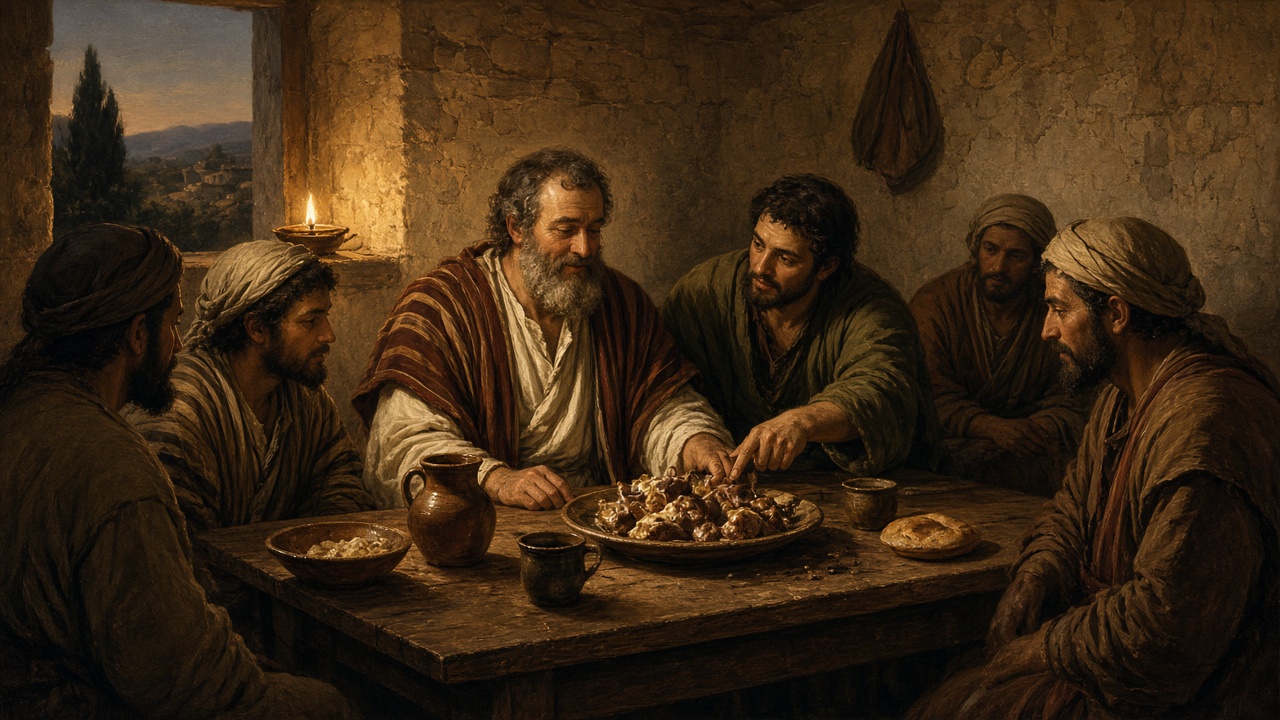
- He calls the cup of blessing and the bread that is broken a participation in the blood and body of Christ, and says pagan sacrifices are offered to demons, not to God, so the two tables cannot be shared. Food sold in the meat market may be eaten without raising questions of conscience, for "The earth is the Lord's, and the fullness thereof," but if someone says it was offered to idols, it should be refused for that person's conscience.Sources: the Bible text itself
Notes written with AI assistance from open sources (Theographic Bible Metadata, CC BY-SA 4.0; Easton’s Bible Dictionary, public domain) and reviewed before publishing.
Credits and license for this translation
Manikáne O Ehwehne
God's New Talk: The New Testament in the Awa Language of Papua New Guinea
Nupela Testamen long tokples Awa long Niugini
copyright © 1974, 1997 Wycliffe Bible Translators, Inc.
℗ Faith Comes by Hearing
Language: Awa
Translation by: Wycliffe Bible Translators
This translation is made available to you under the terms of the
Creative Commons Attribution-Noncommercial-No Derivatives license 4.0.
You may share and redistribute this Bible translation or extracts from it in any format, provided that:
You include the above copyright and source information.
You do not sell this work for a profit.
You do not change any of the words or punctuation of the Scriptures.
Pictures included with Scriptures and other documents on this site are licensed just for use with those Scriptures and documents.
For other uses, please contact the respective copyright owners.
2013-12-11
Source: http://png.bible/awb/ · eBible.org