Matthew 2
Aú-aai símai kááísamakain-aai · Tap a verse to see its cross-references.
Aafáúmó íyáúsupaken-kwaasimo taawánaraan-aai.
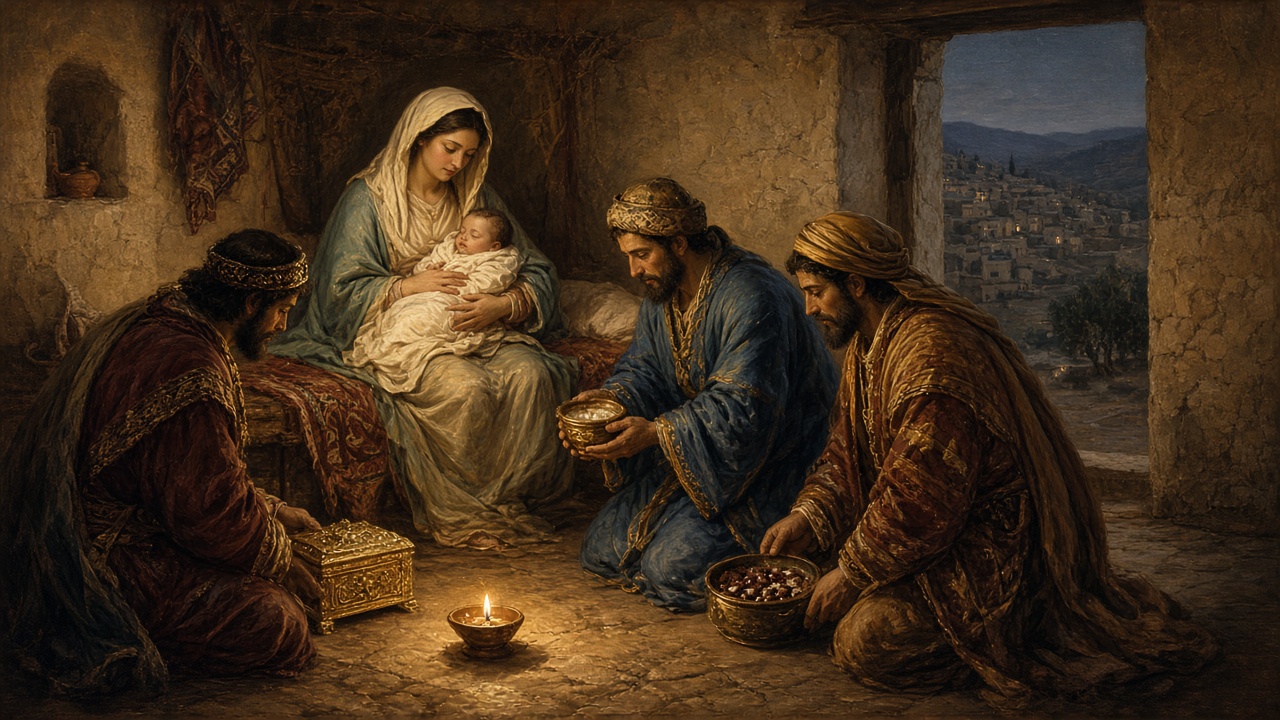
1Yúndiyaa-marafaken-kawaagon-awiꞌa Éroti méron-kanaafimba Pétaremu-naopaꞌa Máríyaa Ísumba maꞌánkarowasa némpakemba aafáúmó íyáúsupaken-kwaasi kaweꞌ-ímáyááwáráꞌ-wáásí témesa Yérúsaremu-naopaꞌa tésa 2sésa Yúndaa-waasiyaꞌa káráwiyiniye sénamo maꞌánkáín-iyampoi nááfara ánkaraao. Aafáúmó íyáúsipaꞌa méta awánáúndasa moórá-oꞌa paápé isatá awánéta séta iyámpói maꞌánkaraimba póta awánéta wenáwíꞌa mósá maránae séta témeta túne siyáawe.
3Suwaná marará-káwáágó Éroti minááí isówana arunkó sáwíꞌa úwasa Yérúsaremu-naopakewiwaraꞌa ísówana tirunkó sáwíꞌa úwana 4Éroti óraaꞌ-amaan-kisau-waasiye ámáámbo sun-kwáásíyé táántowasa túwaandu uwaná séna Maníkómó aiꞌmaráíndawimba Káráísitimba maꞌankáínda nááfara maꞌankáíníyo súwasa 5sésa Yúndiyaa-marafaꞌa Pétaremu-naopaꞌa maꞌankáíníye. Maníkón-aaimo simátímakowi agaimaréna séna
6Yúndiyaa-marafaꞌa Pétaremu-naopaken-kwaasisono. Yúndiyaa-marafaꞌa káráwiyaiwaifimba kentí naaópaꞌo káráwiyaiwai ímba tínaaempaꞌa méraawe. Kentí naaópakemba moóráwigo paápé uréna kesí waási Ísareri-waasiyaꞌa kaweꞌá úmai káráwiyiniye
agaimaréna siyáiye suwaná 7Éroti iséna aafáúmó íyáúsupaken-kwaasi aúpáꞌá táántowasa tuwaná tísai ena séna nóran-kanaawa minóꞌá paápé isará awánaraao súwasa simámúwana 8Éroti séna Pétaremufaꞌa miníyámpóí koayaafáí úmai awánéꞌa tasimásimiyaꞌa keséꞌa kuréꞌa wenáwíꞌa mósá máráano súwasa 9isésa kumbá aafáúmó íyáúsupaꞌo mésamo awánaraan-oꞌa awánowana minókó aifaꞌá wéwena miníyámpóímó méronkaꞌa kowaúwasa 10áfááraumai aamoí ésa 11mindáúmpáꞌá iyésa anówane miníyámpóíyé tuwánésa kífaesa miníyámpóígón-áwíꞌa mósá marésa unáámbá óin-tokésa kawe-tántááꞌá korí-óntámbá fóimai amésa kaweꞌ-úmúmbó í-tántááꞌá fóimai amésa asaa-wiyúm-básáwénkwáráꞌá fóimai ámakaawe.
12Ámatuwesa tún-kwáúwana Maníkó kaainampáꞌá simátimena séna Érotimba ímba kosimáméro súwasa fíꞌon-ampakemba kentí naaópaꞌa kuráawe.
Ísumba áíꞌmaesarai Ísípifaꞌo kurááyan-aai.
13Kúwana wíyómpakemba Fasiꞌaénkóní kísau-waasigomba Yósepi kaainampákémbá awánówana séna Éroti miníyámpóí tufuwíndasafena wésaafa-ifo íyáfasine anówane miníyámpóíyé tíꞌmae Ísípi-marafaꞌa koménaꞌa aánoꞌa simámeꞌa áíꞌmae tiyó sénaumne súwana 14mindóꞌwáámbá íyáfasinena anówane miníyámpóíyé tíꞌmaena Ísípi-marafaꞌa wémena 15mifáꞌá komérowana Éroti pukáiye. Naaófáꞌá Maníkón-aaimo simátímakowi siyónkaꞌa póna miyá uráiye. Wemá agaimaréna séna Fasiꞌaénkó séna
Ísípi-marafakemba kesáánimba
mérainaꞌa áántaanana kouweráíníye
siyáiye agaimaréna siyónkaꞌa póna miyá uráiye.
Iyámpóímo tínkankaan-aai.
16Éroti awánómba aafáúmó íyáúsupaken-kwaasi karoꞌá simánkesa kóuwana Érotin-arunko áyámba úwana aafáúmó íyáúsupaken-kwaasimo simámakon-aaisafenawe oꞌá paápé uráiyemo siyón-aaisafenawe imáyáa éna tuwímbai tiꞌmaréna séna Pétaremu-naoꞌ-aempaꞌ-naopimpaꞌa kaeꞌ-áátáímó uwásúwén-iyampoiye ímbo kaeꞌ-áátáímó uwásúwén-iyampoiye saafá úmai tínkantuwaaro súwasa miyá uráawe.
17Naaófáꞌá Maníkón-aaimo simátímakowin-awiꞌa Yérémaya siyónkaꞌa póna miyá uráiye. Wemá agaimaréna séna
18Ráma-waasi áfááraumaimo ifiꞌó taráamba ísaraawe. Réserin-aísaafitantamba uráan-kwaasi miwítí iyámpóísafesa ifiꞌá taawasá iyámpóímo
pukáantafesa timambá faráátamai tínkaraawasa úwoi ifiꞌá támaesa iyáawe
agaimaréna siyáiye.
Ísípifakembo tiyáan-aai.
19Éroti puwúmba Yósepi Ísípi-marafaꞌa ména wíyómpakemba Fasiꞌaénkóní kísau-waasigomba kaainampákémbá awánówana séna 20miníyámpóígómbá tufuwónaemo sen-kwáásí éꞌa púwófo íyáfasine anówane miníyámpóíyé tíꞌmae Ísareri-marafaꞌa waaó súwana 21íyáfasinena awaainínkóné ááninkonte tíꞌmaena Ísareri-marafaꞌa kúmba 22Érotin-ááninkon-awiꞌa Ákéreasi afowán-ánóndáá Yúndiyaa-aempaꞌa kawáá-kísáú wémauwana Yósepi iséna mináémpáꞌó wíndasafena inkaisúwana kaainampáꞌá Maníkó simámuwana Káríri-aempaꞌa 23Násareti-naopaꞌa tíꞌmaena koméraiye. Naaófáꞌá Maníkón-aaimo simátímakowi siyónkaꞌa póna miyá uráiye. Wemá Ísuntafena séna
Násaretifaken-kwaasin-iye sénááwe
agaimaréna siyónkaꞌa póna miyá uráiye.
Did you know?
Magi, Herod, and Nazareth
- The King Herod of this chapter is Herod the Great. His son Archelaus, by Malthace, a Samaritan woman, inherited a third of the kingdom: Idumea, Judea, and Samaria. Until a few days before Herod's death another son, Antipas, had been named successor, but in his last moments Herod named Archelaus; for fear of him, Joseph turned aside from Judea and withdrew to Galilee.Sources: Archelaus · the Bible text itself
- Matthew links the deaths of the boys in Bethlehem to words spoken through the prophet Jeremiah: a voice in Ramah, Rachel weeping for her children. Rachel, one of Jacob's wives, died giving birth to Benjamin and was buried by the wayside on the road to Ephrath, that is Bethlehem, directly north of the town. Her sepulchre is regarded with great veneration by the Jews.Sources: the Bible text itself · Rachel · Bethlehem
- Bethlehem, in the hill country of Judah, was earlier called Ephrath and was also known as the city of David; under the Romans it lay in Judea, the southernmost of the three divisions of Palestine. Joseph and Mary went instead to Nazareth in Galilee, their home, a town not mentioned in the Old Testament. The name Nazareth is generally supposed to come from the Hebrew netser, a shoot or sprout, though some connect it with a word for guarding or watching.Sources: Bethlehem · Judea · Nazareth · the Bible text itself
Notes written with AI assistance from open sources (Theographic Bible Metadata, CC BY-SA 4.0; Easton’s Bible Dictionary, public domain) and reviewed before publishing.
Places in this chapter
- Bethlehem · 31.704, 35.208 · verses 1, 5, 6, 8, 9, 16
- East · Today: region around Amman · 31.955, 35.934 · verses 1, 2, 9
- Jerusalem · 31.777, 35.234 · verses 1, 3
- Judea · Today: Judea 1 · 31.777, 35.234 · verses 1, 5, 22
- Egypt · 30.129, 31.308 · verses 13, 14, 15, 19
- Galilee · 32.760, 35.527 · verse 22
- Nazareth · 32.702, 35.298 · verse 23
Only places identified with high confidence are shown (90% or more according to the scholarly sources compiled by OpenBible). Period map: DARE (Digital Atlas of the Roman Empire), CC BY 4.0; modern map: © OpenStreetMap contributors; places: OpenBible.info (CC BY 4.0).
Credits and license for this translation
Aú-aai símai kááísamakain-aai
The New Testament in the Awiyaana language of Papua New Guinea
Nupela Testamen long tokples Awiyaana
copyright © 1984 Wycliffe Bible Translators, Inc.
Language: Awiyaana
Translation by: Wycliffe Bible Translators
This translation is made available to you under the terms of the
Creative Commons Attribution-Noncommercial-No Derivatives license 4.0.
You may share and redistribute this Bible translation or extracts from it in any format, provided that:
You include the above copyright and source information.
You do not sell this work for a profit.
You do not change any of the words or punctuation of the Scriptures.
Pictures included with Scriptures and other documents on this site are licensed just for use with those Scriptures and documents.
For other uses, please contact the respective copyright owners.
2013-08-17
Source: http://png.bible/auy/ · eBible.org