1 Timothy 4
Aú-aai símai kááísamakain-aai · Tap a verse to see its cross-references.
Karoꞌ-ááímó simátimiyan-kwaasimo paápé íyan-aai.
1Maníkóní ámútanko aforaꞌá séna ánaaen-kanaa tínasa tuwímbai Ísu Káráísitimba tínaaemba uwámesa waántáwankowe wení kísau-waasiyemo síyan-aai isésa karoꞌ-ááímó síyamba arááíwaenaawe siyáiye. 2minkáróꞌ-wáásí miwítí sáwí-tirumpinken-karoꞌ-aai simátinkesa éraiꞌe síwae sésa miwítí sáwí-awau ímba awánésa karoꞌá sésa 3aarewé waaiyémó maíyamba aaraa matinkésa tuwímbai-tomba aaraa matinkésa miyán-káróꞌ-ááí síyasa ánaaen-kanaa tínasa tuwímbai miyán-ámbá arááíwaenaawe. Mintóntáféna Maníkó wení éraiꞌ-aaisafesa timankúnkúmbo íyawisafena séna miyán-tómbá uwátinkaunda wéneꞌa súwi síwae séꞌa uwátínkaraumne Maníkó siyáiye. 4Seyaafá-tántááꞌó Maníkómó úmakaimba kawe-tántááꞌán-ifo aaraa matínkááfonifo úwoi wéneꞌa Maníkóntáféꞌa súwi seró. 5Inaisá súndanifo Maníkó kaweꞌán-iye siyáimba pósa mintómbá aaraa matínkááfonifo.
Ísuni kawe-kísáú-wáásí ónemo siyáin-aai.
6Tímótiyo simáménda-aaimo Maníkóní waásimo simátímínda Ísu Káráísitini kísau-waasi-iꞌa éma po kaweꞌ-wáásí uráínone. Tómbó nésamo fasiꞌámaimo méraantemba Ísu Káráísitini éraiꞌ-aai arááíwae kaweꞌ-úmai simátímaꞌmae íyínana minááígó fasiꞌánkainiye. 7Úwoimo maníꞌó sen-ááí ímba Maníkón-aain-ifo úwoi-aain-ifo ánaaeniꞌa uwámuwo. Emá ayáántán-kwiye Maníkóní áwáuma arááíwae enáúma káráwiyuwo. 8Súgomo kaweꞌó ínkwae-imayaamo ésamo ésa tiyáántán-kwiyésamo kísaumo maíyamba mindá kaweꞌán-ifo Maníkóní áwáuma arááíwaenae sésamo imáyáamo ésa tiyáántán-kwiyésa Maníkóní kísaumo maíyamba mindá óraa-kaweꞌan-iye. Miyámó ésamo ésa káféꞌwara ánaaenkwaraꞌa méraiyan-aempaꞌa minkísáúgó túwaꞌnai iye. 9Minááí éraiꞌan-ifo ísámai tirumpimbá taꞌótóráaro. 10Maníkó fasiꞌaénkwáráwí póna seyaafáꞌ-wáásíyáꞌó káráwiyaiwai éna wenááisafeta simankúnkúmbo úndawisa sáwí-imayaafinkembo faúsínkáíwaimba amuꞌmaréta póta siyáántán-kwiyéta kísausa maénaumne.
11Tímótiyo minááí simátime sé miyán-oro siyó. 12Ifóꞌ-wáásí óndasafesa úwoi-waasi óne sésa sáwíꞌa uwánkáafonifo kaweꞌ-úmai mé kaweꞌ-ááí sé imáyáa timé arupíse úmai mé kaweꞌ-aantemba wéinasa Maníkón-aaisafesa timankúnkúmbo owí awánésa indantembá miyán-oro. 13Empáꞌó ímbo kondaráꞌó éma waási túrankaꞌa Maníkóní aúfáífinken-aai toráumai simátímaꞌmae wéiye aráátimiyo. 14Ááéma entáféna Maníkómó siyáin-aai simátímúwasa Maníkóní waásiti óraaꞌ-waasi tiyáámba enaneꞌá taꞌótoresa sésa Maníkóní kísau mauwó suwamá minkísáú maéndasafe ónana Maníkó fasiꞌaémbá ámakaifo ímbo túwénda fasiꞌámai maimaé iyuwó. 15Simámunda-aai aantemba imáyáa é miyá úmae íyínasa seyaafáꞌá awánésa sésa Maníkóntáféna fasiꞌámai méraimba póna mifásíꞌáénkó iyíníye sénááwe. 16Enáúma káráwiye méma simátímínda-aai imáyáa úmai kaweꞌ-úmai simátimiyo. Miyámó ónda kaweꞌ-ámpáꞌá kónasa enááimo
ísáán-kwaasi kaweꞌ-ámpáꞌá wégowe.
Did you know?
False Teaching and Godly Training
- The chapter says the Spirit expressly states that in later times some will abandon the faith to follow deceitful spirits and the teachings of demons. They are influenced by the hypocrisy of liars whose consciences are seared with a hot iron, and they will prohibit marriage and require abstinence from certain foods.Sources: the Bible text itself
- The letter answers those demands by saying God created such foods to be received with thanksgiving by those who believe and know the truth. Every creation of God is good, and nothing received with thanksgiving should be rejected, because it is sanctified by the word of God and prayer.Sources: the Bible text itself
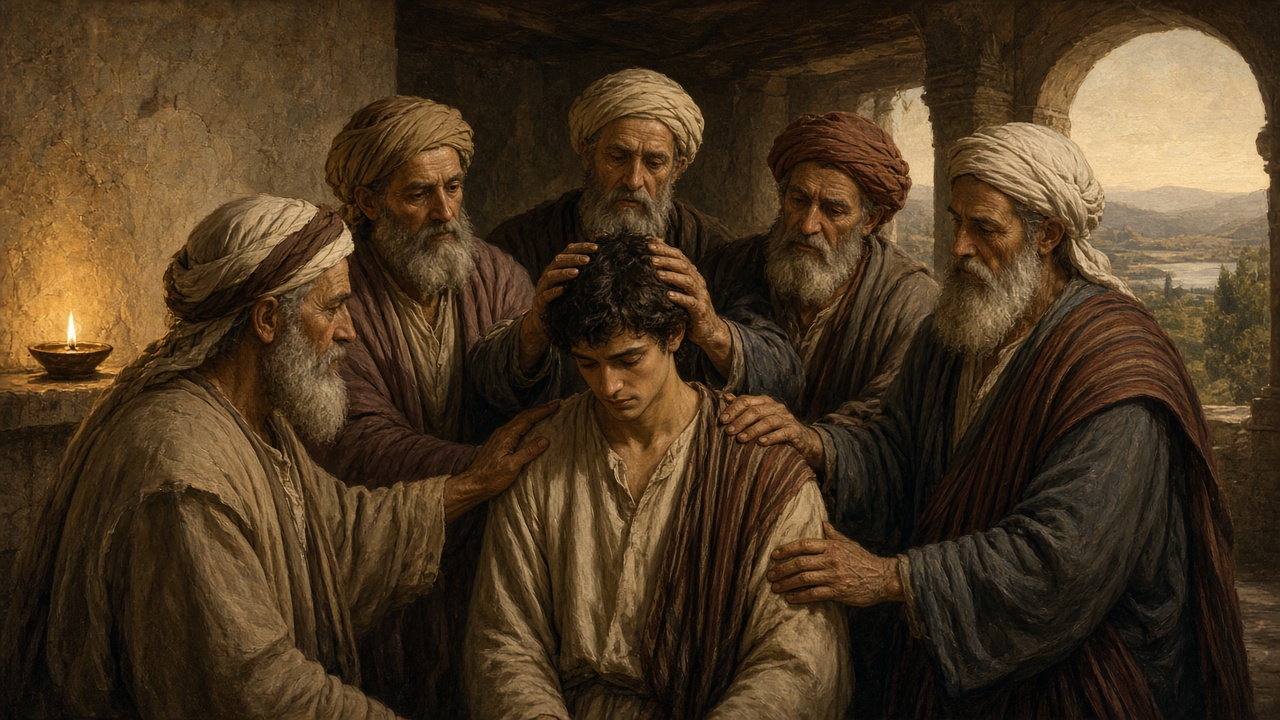
- The writer urges the young person he addresses not to let anyone despise his youth, but to set an example in speech, conduct, love, faith, and purity. Until the writer comes, he is to devote himself to the public reading of Scripture, to exhortation, and to teaching, and not neglect the gift given through prophecy when the elders laid hands on him. Physical exercise, the letter adds, is of limited value, while godliness is valuable in every way, holding promise for the present life and the life to come, a saying the letter calls trustworthy and worthy of full acceptance.Sources: the Bible text itself
Notes written with AI assistance from open sources (Theographic Bible Metadata, CC BY-SA 4.0; Easton’s Bible Dictionary, public domain) and reviewed before publishing.
Credits and license for this translation
Aú-aai símai kááísamakain-aai
The New Testament in the Awiyaana language of Papua New Guinea
Nupela Testamen long tokples Awiyaana
copyright © 1984 Wycliffe Bible Translators, Inc.
Language: Awiyaana
Translation by: Wycliffe Bible Translators
This translation is made available to you under the terms of the
Creative Commons Attribution-Noncommercial-No Derivatives license 4.0.
You may share and redistribute this Bible translation or extracts from it in any format, provided that:
You include the above copyright and source information.
You do not sell this work for a profit.
You do not change any of the words or punctuation of the Scriptures.
Pictures included with Scriptures and other documents on this site are licensed just for use with those Scriptures and documents.
For other uses, please contact the respective copyright owners.
2013-08-17
Source: http://png.bible/auy/ · eBible.org