Leviticus 1
Buk Baibel long Anuki · Tap a verse to see its cross-references.
About this book
About Leviticus
- Easton's Bible Dictionary (1897) presents Leviticus as the third book of the Pentateuch and as the third book of Moses. The name, used in the Vulgate following the LXX, reflects the book's chief concern: the Levitical service.Sources: Easton: Leviticus
- Easton states that every ordinance in the book was delivered within one month, the first month of the second year after the Exodus. His entry on Sinai, also called Horeb, says the Hebrews reached that mountain district in the third month after the Exodus and remained encamped for about a whole year, and that the whole of Leviticus records what occurred there.Sources: Easton: Leviticus · Mount Sinai
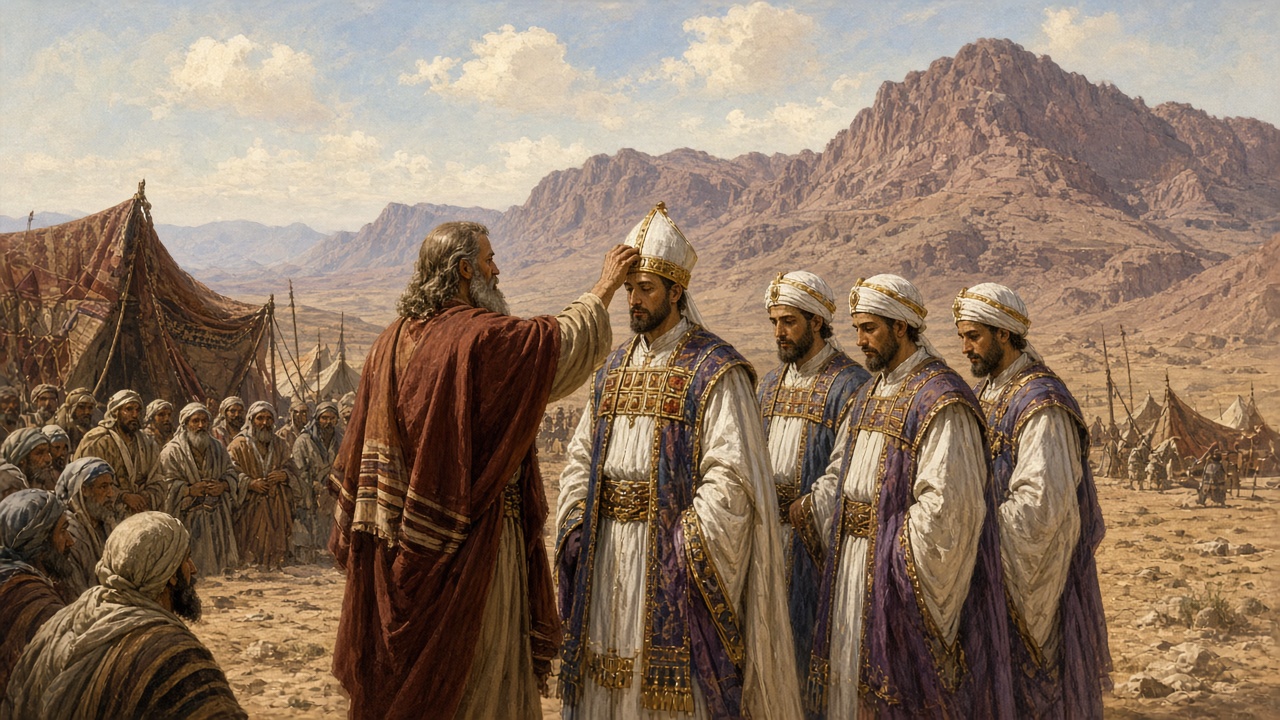
- Chapters 1–7 give laws for burnt offerings, meat offerings, and thank offerings, then for sin offerings and trespass offerings, and for the priests' duties in offering sacrifice. Chapters 8–10 recount the consecration of Aaron and his sons, Aaron's first offering for himself and the people, and the death of Nadab and Abihu, who were struck dead and buried outside the camp after offering strange, or common, fire not taken from the great brazen altar. Chapters 11–16 concern purity and the sacrifices and ordinances for putting impurity away.Sources: Easton: Leviticus · Nadab · Abihu
- Easton describes chapters 17–20 as laws marking the separation between Israel and other peoples. Further laws concern the priests' personal purity and their eating of holy things, offerings without blemish, and the due celebration of the great festivals in chapters 23 and 25. Promises and warnings about obedience follow, the book closes with a section on vows, and Easton notes that God is the direct speaker through almost the whole of it.Sources: Easton: Leviticus
- In the rites of chapter 16, one goat is associated with Azazel, which the Authorized Version renders scapegoat and the Revised Version leaves as Azazel. Easton reports that some Jewish interpreters take it as a place in the wilderness about twelve miles east of Jerusalem, while others take it as an evil spirit or even Satan, and he also notes a root meaning of separation.Sources: Azazel
Notes written with AI assistance from open sources (Theographic Bible Metadata, CC BY-SA 4.0; Easton’s Bible Dictionary, public domain) and reviewed before publishing.
Tamumu wiimiisana suwarina
1Yawe God, Kiregoru Kabikabikuwayinama Mosis ikwatuveni iwona bo, 2“Mmkodi na suwara gabuna kadi wonawiiyeveveyana, na Isrel damdi mma naboni kuwonedi, raghanina wawaya iiyabo ribiribi kwasuwasuwara Yawe God biidi na kau tana, bo sip bo gout tanagha kunakawari kunapiika yam suwara kiiravine.
3Meboda yam suwara kau, na nokona ribiribi makina bi takutakukuna bi getana berona gwabinena. Kunakawari kunapiika Kiregoru Kabikabikuwayina matamketane, da Yawe God matanena tam wasina. 4Bi imam ribiribina gayamine kutore, da yana basuna noko ribiribina kam gawara inakabi inarabobo da Yawe God noko rabobona iniwaghasineni da kam gawara ikabi da yam tamumu ikabitaveni, bi inaberam da matane na tam rotomanim. 5Yawe God naghone kunakasunuyi, bi Eron natunatuna toudi na prist noko ribiribina ganiganina sinayouna bi Kiregoru Kabikabikuwayina matamketane, suwara gabugabuna gawarina nawanawana yadi 4 sineburidi. 6Wasina bi ribiribina bekana kunasikataveni, bi kunarigha da kunataramutu. 7Bi prist suwara gabugabuna gawarine kii raberabega sinatoura bi sininawiini. 8Bi ribiribina dimna da kayena kukoghadi bi prist kunaveredi, da taridi tupadi bi gayama da nanara teya suwara gabugabuna debane keyama wowone sinatoura, da noko ribiribina ere tupana sinagabuni. Mmkona suwara gabugabunina, kam suwarina, bi ghabuna iwaratete kirakii Yawe God biidi.” Yawe God kate bada Mosis iwoneni da rubana wawaya sip bo gout bo ayabo da buruku wouna kedana mayimayiyina sinasuwara naboni puyo gabugabunina. Mmkodi sawaridi gabunidi kiiravine na bada iwonawiiyeveveni.
Did you know?
The Burnt Offering
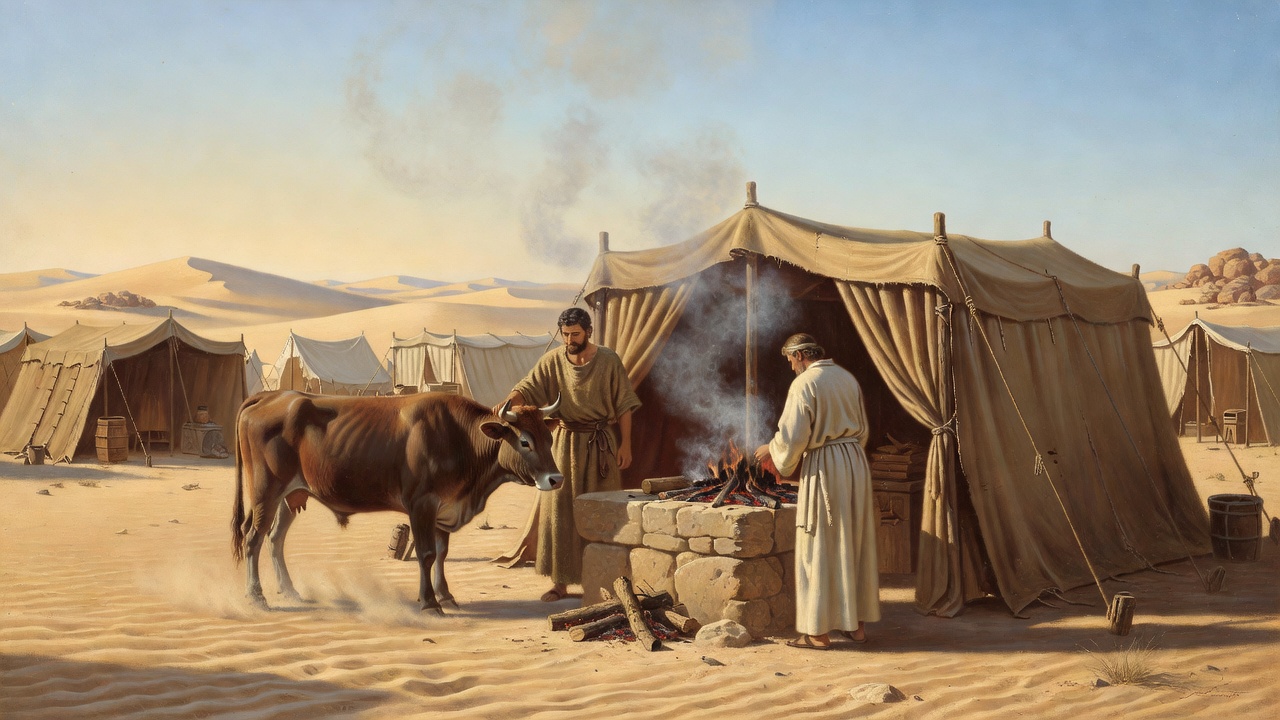
- The instructions for the burnt offering accommodate different economic means by allowing offerings from the herd, the flock (sheep or goats), or birds (turtledoves or young pigeons). For livestock, the animal was required to be a male without blemish.Sources: the Bible text itself
- The ritual required a clear division of roles between the worshiper and the priests. The worshiper brought the animal, laid a hand on its head for atonement, slaughtered it, skinned it, and washed its inner parts, while the sons of Aaron sprinkled the blood and burned the entire offering on the altar.Sources: the Bible text itself · Aaron
Notes written with AI assistance from open sources (Theographic Bible Metadata, CC BY-SA 4.0; Easton’s Bible Dictionary, public domain) and reviewed before publishing.
Credits and license for this translation
Buk Baibel long Anuki
Portions of the Holy Bible in the Anuki language of Papua New Guinea
Buk Baibel long tokples Anuki long Niugini
copyright © 2010-2016 Wycliffe Bible Translators, Inc.
Language: Anuki
Translation by: Wycliffe Bible Translators
This translation is made available to you under the terms of the
Creative Commons Attribution-Noncommercial-No Derivatives license 4.0.
You may share and redistribute this Bible translation or extracts from it in any format, provided that:
You include the above copyright and source information.
You do not sell this work for a profit.
You do not change any of the words or punctuation of the Scriptures.
Pictures included with Scriptures and other documents on this site are licensed just for use with those Scriptures and documents.
For other uses, please contact the respective copyright owners.
2014-06-02
Source: http://png.bible/aui/ · eBible.org