Isaiah 54
Buk Baibel long Anuki · Tap a verse to see its cross-references.
Yawe God, Isrel damdi ivinuwayuyunedi
5Kam berabera wawayina na ware moghanem naboni
bi kana waghawagha na Yawe God Maragata Kirakiina.
Isrel kana God kabikabikuwayina iniyawiimi,
touna wawaya sakwatuveni da “Kubura tupana tumtumpipinina kana God.”
6Isrel, tam na ware wasike katotawota inayina naboni
da moghanena iwonasinighiiyeni bi ikuyoveni na wasikena iyiinuwapoya kirakii.
Bi gegha da Yawe God ikwatuwiiveramayim touna biidi bi iwona bo,
7“Raghani tupona kiiravine akuyovem,
bi wiinuwanuwaghaneyana ghamana teya na anakabimayem.
8Nuwanuwagu ipughu kirakii na raghani tupona amiirikubutem
bi nuwayuyuna makewaghawaghasina teya, na yagu nuwamiise aniyevevem.”
Nokona metagha Yawe God kambabara wawayina iwona.
9“Nowa iyamakamake raghanine na avisuwona
da gemuriye kutukutuwa noko naboni kubura debane yawa iyibero mayeni,
na kata iisuwonem da gemuriye nuwanuwagu inapughu tam biidi
bi geanawonaghakiyemna.
10Bagune meboda koya kiidamo sinanaghotaveyana
da koyanuwa sinamomogha,
bi gegha da yagu nuwamonika tam kiiravimve na gemeyani inakovina,
bi wiisuwona abera da nuwaruriri ayapiikeni tam kiiravimve na inamakewaghata.”
Nokona metagha Yawe God iiyabo ivinuwanuwaghanemna iwona.
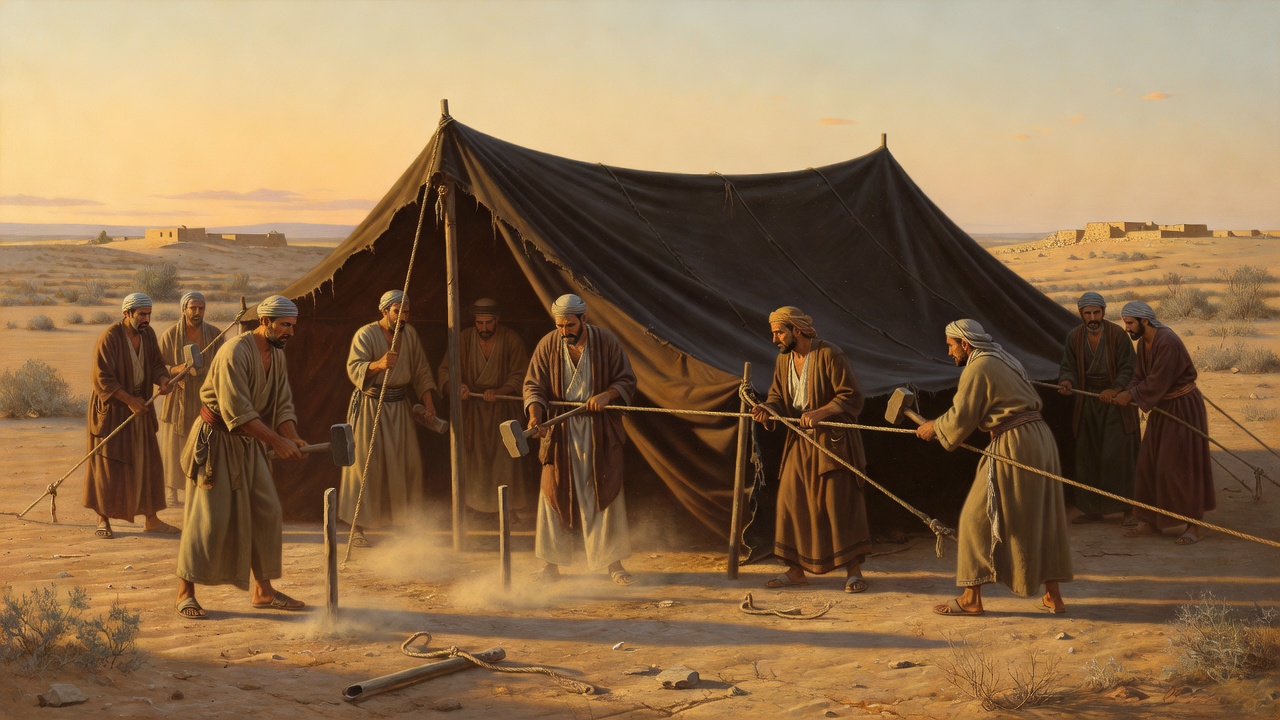
Did you know?
The Covenant of Peace and Restoration
- Isaiah uses the imagery of enlarging a tent—lengthening ropes and driving stakes deep—to portray a barren and desolate woman making room for an unexpected multitude of descendants.Sources: the Bible text itself
- The text links God's enduring kindness to the days of Noah, recalling the oath that floodwaters would never again submerge the earth to assure that this covenant of peace will never be removed.Sources: the Bible text itself · Noah
- The chapter describes an afflicted, storm-tossed city being rebuilt with rare beauty, picturing its stones set in antimony, its foundations laid with sapphires, and its pinnacles made of rubies.Sources: the Bible text itself
Notes written with AI assistance from open sources (Theographic Bible Metadata, CC BY-SA 4.0; Easton’s Bible Dictionary, public domain) and reviewed before publishing.
Places in this chapter
Only places identified with high confidence are shown (90% or more according to the scholarly sources compiled by OpenBible). Period map: DARE (Digital Atlas of the Roman Empire), CC BY 4.0; modern map: © OpenStreetMap contributors; places: OpenBible.info (CC BY 4.0).
Credits and license for this translation
Buk Baibel long Anuki
Portions of the Holy Bible in the Anuki language of Papua New Guinea
Buk Baibel long tokples Anuki long Niugini
copyright © 2010-2016 Wycliffe Bible Translators, Inc.
Language: Anuki
Translation by: Wycliffe Bible Translators
This translation is made available to you under the terms of the
Creative Commons Attribution-Noncommercial-No Derivatives license 4.0.
You may share and redistribute this Bible translation or extracts from it in any format, provided that:
You include the above copyright and source information.
You do not sell this work for a profit.
You do not change any of the words or punctuation of the Scriptures.
Pictures included with Scriptures and other documents on this site are licensed just for use with those Scriptures and documents.
For other uses, please contact the respective copyright owners.
2014-06-02
Source: http://png.bible/aui/ · eBible.org