Exodus 2
Buk Baibel long Anuki · Tap a verse to see its cross-references.
Mosis yana tubugha
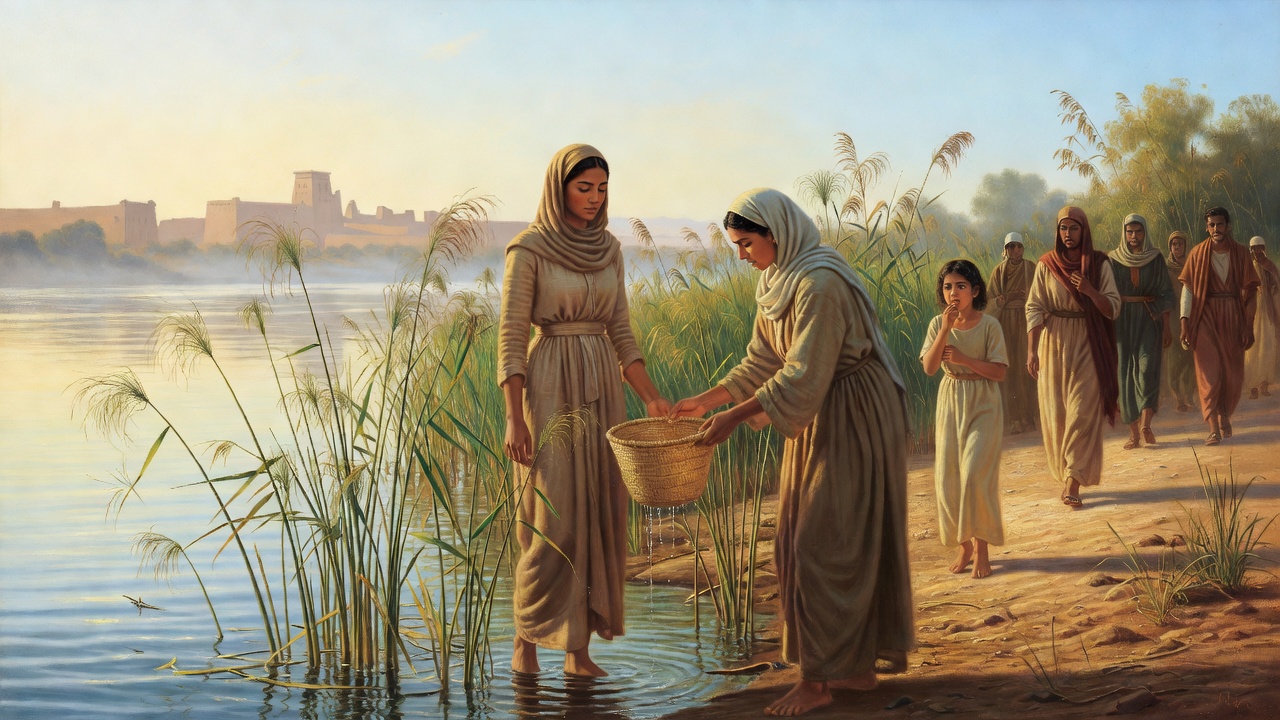
1Noko raghanine bera siyatubutubugha, na tomogha tana kana dam Livai bi dam turanama wasike irawayi, 2da wasikena iropeya bi ivituwa da natuna tomogha. Bi ikita da pepeyina komerowanina, na Ijipt damdi nagharidi na ivikowoyi da nawaravi aroba sikovi. 3Bi raghanina gerubana iyikowogha wiigurina na tobo, rei kana waghawagha papairasma sibera na ikabi bi pakima ipasibodaboda. Wasina bi pepeyina iuveni kamone bi Nail rarimina kawabarane siviya kamodiye ivitenamni. 4Pepeyina toghanaru wasike kana taraboga imiiri bi iyaruruwiitete da awaki iyatubugha pepeyina biidi.
5Bi noko raghanine kiiwawo natuna wasike iyowogha rarime wiiyeka kiiravine, na yana wiitamariyana wasiwasikedi rarima kawabaranagha siyitutubata siyanono bi siyapiipiika. Bi tobona siviya kamodiye ikita, na yana wiitamariyana wasikena tana ivipora da rarimama iyatayinageeyeni. 6Bi raghanina tobona iyarukwouve, na pepeya ikita, iyaduuduna ivinuwapoyeni, na iwona bo, “Aki-i-i-i, mmkona Hibru damdi natudi tana.”
7Wasina bi pepeyina toghanaru inagho da kiiwawo natuna iwoneni bo, “Rubana da ayanagho Hibru wasike tana ayinoyeni da mmko pepeyina iyakoyayi da kiiravimve iyisusu?”
8Na kiiwawo natuna iviwaghasina iwona bo, “Wasina, kunagho!” Na wasikena inagho da pepeyina sinananaki waghata irutayini ipiika.
9Na kiiwawo natuna iwona bo, “Mmko pepeyina kabi da kiiraviguve kunisusu, bi animiisanim.” Na wasikena natuna ikawari inagho bareye na ivisusu da ikoyayi.
10Raghanina pepeyina ivimagura bi wiikaratavenina kiiravine, na ikabi inagho kiiwawo natuna biidi da iyayabiyi naboni natuna. Na iviwaghawaghayeni Mosis, iwona bo, “Tagu rarimama atayinageeyeni.”
Mosis, Ijipt ikuyoveni ivera inagho Midiyanma
11Raghanina Mosis nada ivimagura, bi bodu viya sikovi murine, na kiiwawo yana bare ikanibutaveni inagho da yana wawaya iyarubodadi, na Ijipt damdi ikitadi da metagha Hibru damdi siyabagubaguredi bi bagibagi ghamadi siyaberabera. Noko raghanine, ikita da Ijipt tomogha tana Hibru tomogha iyarurouvi, yana wawaya waghata tana. 12Na Mosis ikita wiiveravera, da wawaya gesiyakitakita, na yaininagha Ijipt tomogha ikasunuyi bi tubuyina eghae itouna wiikowoyi.
13Raghani iborina Mosis ikanibu magha da yana wawaya iyarubodadi, na Hibru tomotomogha bata siyirouwa na ikitadi. Bi tomogha mekona iberabero na ivitarakiiyaneni bo, “Awaki kiiravine dam turam kwarourouvi?”
14Tomoyina iwonabodeni bo, “Awaki, iiyabo itorem da kunibademii bi kama wiitupawamiwamira? Bo kwanuwanuwagiura da kunirabobogu ware Ijipt tomogha kukasunuyina naboni?”
Na Mosis inaghara bi inuwagiura da, “Wawaya nada sibananigu bi sakovi da awaki abera.”
15Raghanina Ijipt kana kiiwawo mmko warana iwaiyaneni, na iberatowoyi da Mosis iyakasunuyi. Bi Mosis, kiiwawo gwabinama iverataveyana inagho Midiyan kubure da name imakae. Bi iverakanibu na dogu tana ririne itourawiipikapika imakae.
Did you know?
The birth and flight of Moses
- Pharaoh’s daughter named the child Moses, explaining that she had drawn him out of the water. Easton's Bible Dictionary (1897) links his name with “drawn,” or with the Egyptian word mesu, “son”—the element from which the dictionary also explains Rameses as “royal son.”Sources: the Bible text itself · Moses
- In Exodus 2 a daughter of Levi hides her son for three months, and Pharaoh’s daughter, finding him among the Nile reeds, recognizes a Hebrew child. Easton's Bible Dictionary (1897) links the Israelites’ affliction to “the new king who knew not Joseph,” long supposed to be Aahmes I, called Amosis by Josephus, though the dictionary, citing discoveries then recent, names Seti instead. Their hardship, it says, began after the Hyksos, masters of Egypt for some five centuries, were driven out and the old dynasty restored.Sources: the Bible text itself · Pharaoh
- After Pharaoh sought to kill him, Moses fled to Midian and sat down beside a well; he later married Zipporah, one of the seven daughters of the priest of Midian. The Midianites were nomadic Arabians descended from Midian, Abraham’s fourth son by Keturah, and they pastured their flocks in the Sinai peninsula and in the desert north of the Arabian peninsula. This chapter calls the priest Reuel, whom Easton's Bible Dictionary (1897) names Raguel, regarding that form as his personal name and Jethro—“excellency”—as an official title if the two are identified.Sources: the Bible text itself · Midian · Midian · Jethro
Notes written with AI assistance from open sources (Theographic Bible Metadata, CC BY-SA 4.0; Easton’s Bible Dictionary, public domain) and reviewed before publishing.
Places in this chapter
- Nile · Today: Nile River · 31.465, 30.367 · verses 3, 5
- Midian · 28.495, 35.012 · verses 15, 16
- Egypt · 30.129, 31.308 · verse 23
Only places identified with high confidence are shown (90% or more according to the scholarly sources compiled by OpenBible). Period map: DARE (Digital Atlas of the Roman Empire), CC BY 4.0; modern map: © OpenStreetMap contributors; places: OpenBible.info (CC BY 4.0).
Credits and license for this translation
Buk Baibel long Anuki
Portions of the Holy Bible in the Anuki language of Papua New Guinea
Buk Baibel long tokples Anuki long Niugini
copyright © 2010-2016 Wycliffe Bible Translators, Inc.
Language: Anuki
Translation by: Wycliffe Bible Translators
This translation is made available to you under the terms of the
Creative Commons Attribution-Noncommercial-No Derivatives license 4.0.
You may share and redistribute this Bible translation or extracts from it in any format, provided that:
You include the above copyright and source information.
You do not sell this work for a profit.
You do not change any of the words or punctuation of the Scriptures.
Pictures included with Scriptures and other documents on this site are licensed just for use with those Scriptures and documents.
For other uses, please contact the respective copyright owners.
2014-06-02
Source: http://png.bible/aui/ · eBible.org