Exodus 14
Buk Baibel long Anuki · Tap a verse to see its cross-references.
Ijipt kana Kiiwawo Isrel damdi irukwavinidi
5Wasina, raghanina kiiwawo siwoneni da Isrel damdi sivera, na yana bagibagi damdi kadi babada ghamaghamadi teya yadi noghota siwamiri siwona bo, “Mmko awaki berana tabera? Nokodi Isrel damdi taviwaghasinedi sinagho na kata gesinabagibagiyena mayedana!” 6Wasina bi kiiwawo yana seriyot ikabununagha da iyo wawayidi iyouna. 7Bi nuwanuwana seriyotidi miisedi yadi 600 iyouna da kate Ijipt kana seriyot mududi, tatadigegha na ere aviya badana. 8Bi Yawe God, Ijipt kiiwawona iberani da nuwanuwana ikotakii, na Isrel damdi iverakwavinidi inagho. Bi Isrel damdi na nuwanuwadi torane bi siyakanikanibutaveyana. 9Na Ijipt damdi siverakwavinidi sinagho - kiiwawo, yana seriyot, iyo tomotomogha hosiye tupadi, da iyo tomotomogha kayegha bi kubura Pi-ahirotne sikabitawanidi, Yegii Idurina ririne meme sivitakina, kubura Baal-Jipon ririne.
10Raghanina Isrel damdi sikita bi Ijipt kana kiiwawo yana aviya damdi yawata nada siyitutuwiikabikabidi, na sinaghara kirakii da wiiwiita kiiravine Yawe God biidi sidou. 11Na Mosis siwoneni bo, “Ijiptne karawaga gegha, kiiravine na mabo kupiikemii mayabe da kanarabobo? Awaki berana kubera da Ijiptma kuvikanibuvemii? 12Raghanina Ijiptne taya makamakena kawonem bo, ‘Kuyovemii, da Ijipt damdi kana bagibagiyedi!’ Bi Ijipt damdi yadi wiibagubagurana kayamakae na iyamiise, bi gemayabe rabobo biidi!”
13Bi Mosis iwonedi bo, “Gegha konanagharana! Yami miimiiriye komiiri bi konakita da awaki Yawe God inabera da kata iniyawiimi. Bi mmkodi Ijipt damdi kata kokitakitadi, na gekonakita mayedina. 14Yawe God kiiravimiye inirouwa, bi getana awaki konaberana, komake wiiraborabobo.”
Isrel naghara sivera yegii sivera rughuwoneni
15Wasina bi Yawe God Mosis iwoneni bo, “Awaki kiiravine Tagu biidi kwaduudu? Isrel damdi kuwonedi sinanagho. 16Yam dighona kurukabepi bi yegiiye kukoghasi inakanibu da yegii inatupayarayi bi Isrel dammi tanawa kanakananagha konapepewa rughuwona. 17Kukita, tagu, Ijipt damdi nuwanuwadi anikotakiidi da murimigha sinakivinimi sinayowogha yegiiye. Bi Ijipt kana kiiwawo, yana seriyot, iyo tomotomogha hosiye anageiwayidi, na wawaya sinakabepepigu. 18Raghanina kiiwawo, yana seriyot da iyo tomotomogha hosiye anageiwayidi na Ijipt damdi sinakovi da Taguna Yawe God.”
19Wasina bi God yana Aneya, Isrel damdi naghodiye iyanono, na ivituramiiriyeni bi iveramagha muridiye. Bi uuwa ware madasoru naghodiye iyanono, na bada ivimuritayina da muridiye imiiri. 20Bi uuwa, Ijipt damdi da Isrel damdi basudiye imiiriyarayidi. Noko nubabasune wiididibara Ijipt damdi iveredi, bi yeghana Isrel damdi iveredi, kiiravine na noko nubabasu gurigurina Ijipt damdi da Isrel damdi gerubadi siyimiiriruriya kabivivirana.
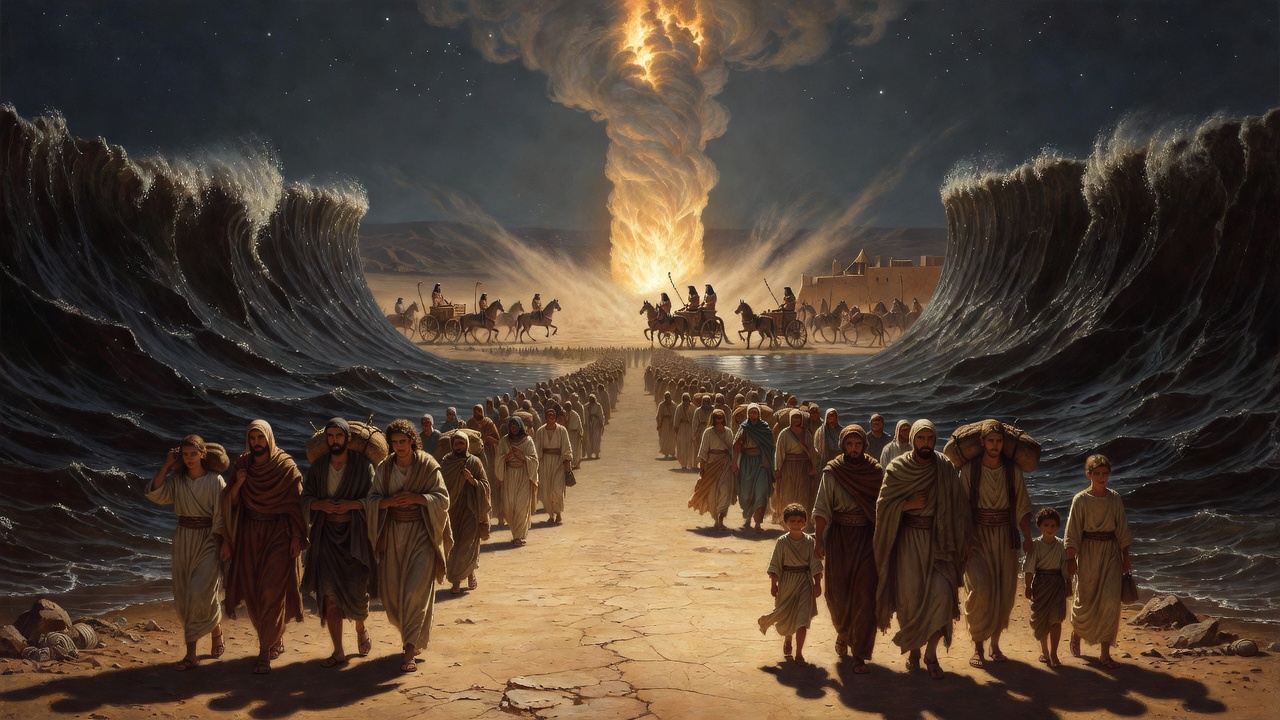
21Wasina bi Mosis imana ikoghasi ikanibu yegiiye, na Yawe God raghani matana yanununa maragasina ivipora, da noko nubabasu gurigurina yegii itapini da ivibogabogae, da tanawa kanakanana itubugha. 22Bi Isrel damdi tanawa kanakanane sipepewa rughuwona, bi rarima ware papa naboni katiiyadiye da dugediye siyamiimiiri.
23Wasina bi Ijipt damdi Isrel siverakwavinidi - kiiwawo yana hosi, seriyot da iyo tomotomogha hosiye tupadi muridigha siyowogha yegii kamone. 24Bi raghani boriboriye Yawe God uuwa da keyama madasoru kamodima, ikayogenara Ijipt damdi biiyadi da ikasiwiineghaneghadi. 25Yadi seriyot kayedi ibera da sitamotavetaveyana, da gerubana siyaverana. Na Ijipt damdi siwona bo, “Yawe God na Isrel damdi yiwiitedi, da touda Ijipt damda yiaviyeda, na kokayotanavera magha!”
26Wasina bi Yawe God, Mosis iwonena mayeni bo, “Imam kukoghasi inakanibu yegiiye da yegii inanoveramagha, bi Ijipt damdi yadi seriyot da iyo tomotomogha hosiye inakutuvidi.” 27Na Mosis imana ikoghasi ikanibu yegiiye, bi raghani ibori na yegiina iveramagha kana gaware da ikasiwiikapu mayeni. Ijipt damdi sivimatipo da siyaverataveyana, bi gegha, Yawe God yegiiye ivitavenayowoyowoyedi. 28Rarimina iveramagha ikasiwiikapu da kana gaware na Ijipt damdi mekodi Isrel damdi sikivinidi siyowogha yegiiye na tupadi ikutuvidi. Nokodi seriyot, iyo tomotomogha hosiye da iyo damdi getana da siyayawana.
31Raghanina Isrel damdi Yawe God yana maragata ghamana sikita, da metagha Ijipt damdi igeiwayidi, na sikabikuwayena kirakiiyeni bi yadi wiitumaghana touna da yana wiitamariyana Mosis gwabidiye sitore.
Did you know?
Israel trapped between Pharaoh and the sea
- Israel was told to turn back and camp before Pi-hahiroth, between Migdol and the sea, directly opposite Baal-zephon, so that Pharaoh would think the wilderness had boxed them in. Pi-hahiroth means place where the reeds grow, though the Septuagint and the Coptic read farmstead, and Baal-zephon means Baal of the north.Sources: the Bible text itself · Pi-hahiroth · Baal-zephon
- Easton's Bible Dictionary (1897) describes Baal-zephon as an Egyptian town on the shores of the Gulf of Suez, probably modern Jebel Deraj or Kulalah on the western shore, and notes that Egyptian Baal-zapuna was a place of worship. Some have identified Pi-hahiroth with Ajrud, a fortress between Etham and Suez. The entry on Pi-hahiroth adds that the condition of the Isthmus of Suez at the time of the Exodus is not exactly known, so Pi-hahiroth and Israel's other camps in Egypt cannot be definitely located; the isthmus has been formed by deposits of the Nile.Sources: Baal-zephon · Pi-hahiroth
- Easton's Bible Dictionary (1897) says the Pharaoh of the Exodus was probably Menephtah I, the fourteenth and eldest surviving son of Rameses II, and that he resided at Zoan, where his interviews with Moses and Aaron recorded in Exodus took place. The same entry still treats it as an open question whether Seti II or his father Menephtah was that king, and notes that some judge the evidence to favor Seti II.Sources: Pharaoh (of the Exodus)
Notes written with AI assistance from open sources (Theographic Bible Metadata, CC BY-SA 4.0; Easton’s Bible Dictionary, public domain) and reviewed before publishing.
Places in this chapter
Only places identified with high confidence are shown (90% or more according to the scholarly sources compiled by OpenBible). Period map: DARE (Digital Atlas of the Roman Empire), CC BY 4.0; modern map: © OpenStreetMap contributors; places: OpenBible.info (CC BY 4.0).
Credits and license for this translation
Buk Baibel long Anuki
Portions of the Holy Bible in the Anuki language of Papua New Guinea
Buk Baibel long tokples Anuki long Niugini
copyright © 2010-2016 Wycliffe Bible Translators, Inc.
Language: Anuki
Translation by: Wycliffe Bible Translators
This translation is made available to you under the terms of the
Creative Commons Attribution-Noncommercial-No Derivatives license 4.0.
You may share and redistribute this Bible translation or extracts from it in any format, provided that:
You include the above copyright and source information.
You do not sell this work for a profit.
You do not change any of the words or punctuation of the Scriptures.
Pictures included with Scriptures and other documents on this site are licensed just for use with those Scriptures and documents.
For other uses, please contact the respective copyright owners.
2014-06-02
Source: http://png.bible/aui/ · eBible.org