Matthew 2
Yù bilin ni Namarò nga meyannung kâ Apu Kesu Kiristu: Yù bagu nga tarátu ni Namarò sù ira nga mangikatalà kâ Apu Kesu Kiristu · Tap a verse to see its cross-references.
Yù Pakimore nayù ira Álliuk nga taga Lalassangán
1Á sù pammagure ni Patul Erodo ta Judiya, neyanâ si Apu Kesu sù ili na Betlekem, sù purubinsia na Judiya. Á ari kuruk nga nabayák nga nappasá yù keyanâ na, á minay ta ili na Jerusalem yù ira lálláki nga naggapu ta arayyu nga lugár ta lalassangán. Nasírik ira nga naggigiámmu sù ira bituan. 2Á iniyabbû da sù ira tatolay nga taga Jerusalem, á kinagi ra, “Sisaw gián nayù abbing nga neyanâ gangù, nga mabbalin ta Patul nga mammaguray sù ira Kudio? Ta nasingam mi yù bituan na nga ajjan gangù ta lalassangán, á yáyù nga umay kami makimoray kuna,” kud da. 3Á pakarámak ni Patul Erodo karannian, kuruk nga nabbagal, á nepatalugáring sù ira ngámin nga tatolay ta Jerusalem gapay, marakè talián nayù abbing si Patul Erodo nga mammaguray ta Judiya.
4Á gapu ta naburung si Patul Erodo, inipágál na yù ira ngámin nga kátannangán nga pári ánna yù ira mangituddu sù tunung da, á iniyabbû na nira, nga kun na, “Sogián nayù nakeyanatán nayù mammaguray nga mangngágan ta Kiristu?” 5Á simibbák yù ira kátannangán, á kinagi ra kâ Patul, “Á tán nga ili na Betlekem sù purubinsia na Judiya, ta yáyù yù inipetúrâ ni Namarò sù ngaw ira ábbilinán na, nga kunniaw:
6‘Sikayu nga tatolay nga taga Betlekem, sù purubinsia na Judiya,
mássiki nu baddì yù ili naw,
meparámak sù ira ngámin nga mammaguray sù purubinsia na Judiya,
gapu ta duttál sangaw nga maggapu sù ili na Betlekem
yù mammaguray nga manaron sù ira tatolè nga Israel.’ ”
7Á pakaginná ni Erodo karannian, inagálán na laguk yù ira álliuk nga naggapu ta lalassangán. Á inilímak na yù pakiubobuk na nira, á iniyabbû na nira nu káni yù lattuák nayù bituan. Á kinagi ra kuna. 8Á jinok na ira ta ili na Betlekem, á kinagi na nira, “En naw aleran ta napiá yù gián nayù abbing. Á sangaw nu málerán naw, iránuk naw nikán, tapè ek ku gapay makimoray kuna,” kun ni Erodo nira.
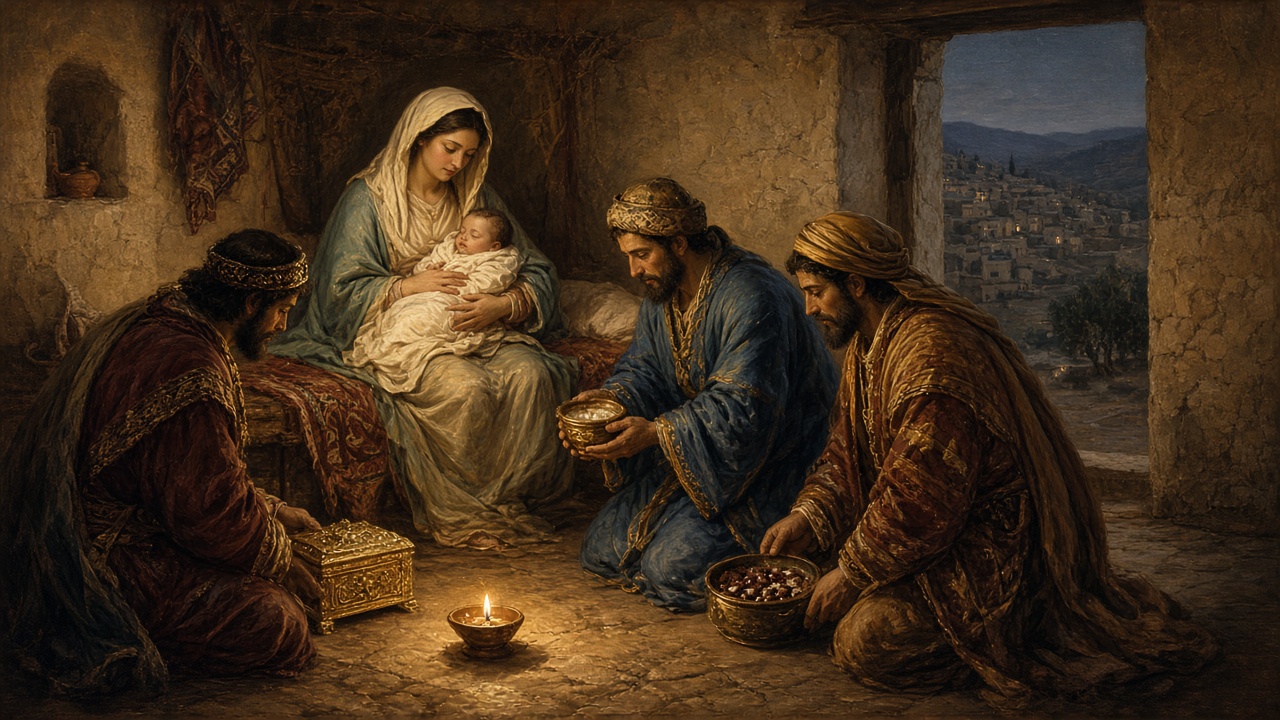
9Á pakaginná nayù ira álliuk sù kinagi nayù patul, nánaw ira. Á pakalakalakák da ta dálan, nasingad da má yù bituan nga limittuák ta lalassangán. Á napolu yù bituan nira, á sinututtul da áddè ta pagginnà na sù aruk na gián nayù abbing. 10Á nerallà yù pagayáyâ da megapu sù bituan, nga nangituddu sù gián nayù abbing. 11Á simillung ira sù balay, á nasingad da yù abbing kâ Maria nga yená na. Á namalittúkak ira nga nakimoray sù abbing. Á binukatád da laguk yù kárgá ra, tapè ilawád da yù nanginá nga kukuá ra. Á iniyawâ da kuna yù buláwán ánna duá kaláse nga bábbanguk, nga insensu ánna mirrá. 12Á sù páno ra nga nanoli ta lugár da, tanakuán yù nallakarád da, gapu ta pinagimuguk ni Namarò ira megapu sù ipatatagenà na nira, ta ari ira manoli kâ Patul Erodo.
Yù Pangitammang ni Kusè kári Maria ánna yù Anâ na
13Á páno nayù ira álliuk nga taga lalassangán, á nattatagenà mángin si Kusè. Á nappasingan kuna yù daroban ni Namarò, á kinagi na kuna, “Arà! Gumikkáng ka, ta em mu itálaw yù ira masíná, ta iyángem ira ta lugár na Egipto. Á maggián kayu túrin áddè ta kagiak ku nikayu ta mánaw kayu tán. Ta ipálek na sangaw ni Patul Erodo yù abbing, ta igagánge na nga ipapátay,” kun na kâ Kusè. 14Á dagarágâ nga giminikkáng si Kusè ta yian nga gabi, á nánaw ira, ta en na iniyánge ni Kusè yù masíná ta lugár na Egipto. 15Á naggián ira ta Egipto áddè ta pate ni Patul Erodo. Á yáyù nga natuppál yù ubobuk ni Namarò nga inipeyubobuk na ngaw sù ira ábbilinán na, ta kinagi na, “Agálák ku yù Anâ ku nga maggapu ta lugár na Egipto,” kun na.
Yù Pangipapáte ni Patul Erodo sù ira Baddì nga Ábbing
16Á pakánnámmu ni Patul Erodo ta sinestemán nayù ira masírik nga lálláki, nga ari manoli nga mangiránuk kuna, á nepallà yù pore na. Á jinok na yù ira umay mamapátay sù ira ngámin nga ábbing nga lálláki sù ili na Betlekem ánna yù ira bárriu na. Á pinapáte ra ngámin yù ira kapángngiyanâ ánna áddè ta duá yù dagud da, gapu ta pabbisítá ni Erodo sù ira masírik nga lálláki, nánnámmuán na ta duá ragunin yù nappasá áddè sù olu nga pakasingad da sù bituan. 17Á yáyù nga natuppálin laguk yù inipeyubobuk na ngaw ni Namarò kâ Jeremia nga ábbilinán na, sù keggá na ngaw ta dabbuno. Ta kinagi na,
18“Maginná nayù ira tatolay yù ira gikulukuletán,
nga nepallà yù daddam da,
túrin sù lugár na Rama.
Maraddam yù ira ginaká ni Rakel,
megapu sù pámmatay nayù ira ánâ da.
Awán bulubugá ta ággayáyâ da,
ta natayin yù ira ábbing.”
Yù Panoli di Kusè ta Nasaret
19Á pappasá nayù pate ni Patul Erodo, á kapamidduá na nga nappasingan yù daroban ni Namarò kâ Kusè túrin ta lugár na Egipto sù pattatagenà na. 20Á kinagi nayù daroban kâ Kusè, “Gumikkáng ka, á ilabbè min yù ira masíná sù lugár na Israel, ta natayin yù ira mangigagángay nga mamapátay sù abbing,” kun na. 21Á giminikkáng laguk si Kusè, á inipáno na yù ira masíná, ta nanoli ira sù lugár na Israel.
22Á labbè da ta lugár na Israel, narámak ni Kusè ta nammaguray ta lugár na Judiya si Arkelò, nga táli ni Patul Erodo nga yáma na. Á naganássing si Kusè nga manoli ta lugár na Judiya. Á pattatagenà na mángin ni Kusè, inipakánnámmu ni Namarò kuna ta umay ira sù purubinsia na Galilia. 23Á minay ira laguk ta Galilia, nga nakipaggián ta ili na Nasaret. Á yáyù nga natuppálin yù inipeyubobuk na ngaw ni Namarò sù ira ábbilinán na, nga kinagi ra, “Meparámak sangaw nga taga Nasaret.”
Did you know?
Magi, Herod, and Nazareth
- The King Herod of this chapter is Herod the Great. His son Archelaus, by Malthace, a Samaritan woman, inherited a third of the kingdom: Idumea, Judea, and Samaria. Until a few days before Herod's death another son, Antipas, had been named successor, but in his last moments Herod named Archelaus; for fear of him, Joseph turned aside from Judea and withdrew to Galilee.Sources: Archelaus · the Bible text itself
- Matthew links the deaths of the boys in Bethlehem to words spoken through the prophet Jeremiah: a voice in Ramah, Rachel weeping for her children. Rachel, one of Jacob's wives, died giving birth to Benjamin and was buried by the wayside on the road to Ephrath, that is Bethlehem, directly north of the town. Her sepulchre is regarded with great veneration by the Jews.Sources: the Bible text itself · Rachel · Bethlehem
- Bethlehem, in the hill country of Judah, was earlier called Ephrath and was also known as the city of David; under the Romans it lay in Judea, the southernmost of the three divisions of Palestine. Joseph and Mary went instead to Nazareth in Galilee, their home, a town not mentioned in the Old Testament. The name Nazareth is generally supposed to come from the Hebrew netser, a shoot or sprout, though some connect it with a word for guarding or watching.Sources: Bethlehem · Judea · Nazareth · the Bible text itself
Notes written with AI assistance from open sources (Theographic Bible Metadata, CC BY-SA 4.0; Easton’s Bible Dictionary, public domain) and reviewed before publishing.
Places in this chapter
- Bethlehem · 31.704, 35.208 · verses 1, 5, 6, 8, 9, 16
- East · Today: region around Amman · 31.955, 35.934 · verses 1, 2, 9
- Jerusalem · 31.777, 35.234 · verses 1, 3
- Judea · Today: Judea 1 · 31.777, 35.234 · verses 1, 5, 22
- Egypt · 30.129, 31.308 · verses 13, 14, 15, 19
- Galilee · 32.760, 35.527 · verse 22
- Nazareth · 32.702, 35.298 · verse 23
Only places identified with high confidence are shown (90% or more according to the scholarly sources compiled by OpenBible). Period map: DARE (Digital Atlas of the Roman Empire), CC BY 4.0; modern map: © OpenStreetMap contributors; places: OpenBible.info (CC BY 4.0).
Credits and license for this translation
Yù bilin ni Namarò nga meyannung kâ Apu Kesu Kiristu: Yù bagu nga tarátu ni Namarò sù ira nga mangikatalà kâ Apu Kesu Kiristu
New Testament in Atta, Pamplona
copyright © 1996 Wycliffe Bible Translators, Inc.
Language: Pamplona Atta (Atta, Pamplona)
Translation by: Wycliffe Bible Translators, Inc.
Copyright Information
© 1996, Wycliffe Bible Translators, Inc. All rights reserved.
This translation text is made available to you under the
terms of the Creative Commons License: Attribution-Noncommercial-No Derivative Works.
( http://creativecommons.org/licenses/by-nc-nd/3.0/ )
In addition, you have permission to port the text to different file formats, as long as you
do not change any of the text or punctuation of the Bible.
You may share, copy, distribute, transmit, and extract portions
or quotations from this work, provided that you include the above copyright
information:
You must give Attribution to the work.
You do not sell this work for a profit.
You do not make any derivative works that change any of the actual words or punctuation of the Scriptures.
Permissions beyond the scope of this license may be
available if you contact
us with your request.
The New Testament
in Atta, Pamplona
© 1996, Wycliffe Bible Translators, Inc. All rights reserved.
This translation is made available to you under the terms of the
Creative Commons Attribution-Noncommercial-No Derivatives license 4.0.
You may share and redistribute this Bible translation or extracts from it in any format, provided that:
You include the above copyright and source information.
You do not sell this work for a profit.
You do not change any of the words or punctuation of the Scriptures.
Pictures included with Scriptures and other documents on this site are licensed just for use with those Scriptures and documents.
For other uses, please contact the respective copyright owners.
2014-08-06
Source: http://ebible.org/att/ · eBible.org