2 Corinthians 10
Yù bilin ni Namarò nga meyannung kâ Apu Kesu Kiristu: Yù bagu nga tarátu ni Namarò sù ira nga mangikatalà kâ Apu Kesu Kiristu · Tap a verse to see its cross-references.
Yù Itabbák ni Pablo sù ira Mamaliwâ kuna
1Á ajjan nikayu yù ira nga makkagi ta tumulukà ta arubáng naw, ngam mapporayà nu ajjanà ta arayyu. Á yáyù nga ikomâ nikayu ta tángngagan naw lábbì yù kagiak ku, ta párigák ku yù katulù ni Apu Kesu Kiristu ánna yù pagattam na ta pangituddu na sù ira tatolay. 2Á yáyù nga ikomâ nikayu, ta tunungan naw yù akka-akkuán naw, tapè arák ku máwák nga mapporay sangaw nu umayà ta gián naw. Ta aringà maganássing nga makiarubáng nga maggammá sù ira mallillíbâ nikán, nga makkagi ta párigák ku yù ággangnguá nayù ira mokkuk nga ari manguruk kâ Apu. 3Á kuruk nga maggiánà lâ ta dabbuno, ngam arák ku párigán yù ággangnguá nayù ira tatolay ta dabbuno nga ari manguruk kâ Namarò. Á ari yù baggì yù ikatalà ku ta pakikontarâ ta ngámin nga narákè nga mekontará kâ Namarò. 4Ngam ikatalà ku galâ yù pakáwayyá ni Namarò ánna yù ámmagaddátu na. Ta naparán si Namarò nga mangabbák sù ira mangikatalà kuna. Á yáyù nga appútam mi yù ngámin nga mekontará sù kuruk nga bilin ni Namarò, megapu sù pakáwayyá na nga neyawâ nikami. 5Á ta pangituddu mi, tabbagam mi yù ngámin nga kagian nayù ira tatolay nga ipanakì da sù bilin ni Namarò, ánna appútam mi yù ira mappeddaráyaw. Á iriám mi ngámin yù kegaggarán na nonò da, ánna gammám mi yù notun nga ánnonò da, tapè mánnámmuád da yù kuruk nga bilin ni Namarò, á mabbabáwi ira, nga manguruk gapay kâ Apu Kesu Kiristu. 6Á sikayu, kurugan naw laguk yù taddán ni Apu Kesu nga inipakánnámmù nikayu, tapè mepasingan ta kuruk nga manguruk kayu. Á nu ajjan yù ira nga ari paga tumuttul sù taddán ni Apu, á naparánà nga mamággáng nira.
7Á kagian naw ta ammu naw yù tolay megapu sù masingan naw, ngam ari kuruk, ta ari masingan yù nonò na. Pasikkálan naw laguk yù nonò naw, á nu kagian naw ta sikayu yù tatole ni Apu Kesu Kiristu, á nonopan naw gapay ta sikami yù kunnay nikayu nga tatole na, nga sinullà na ta masserbi kuna. 8Á mássiki nu pinatturù ku ta baddì yù kinagì nga meyannung ta pakáwayyá mi, á aringà mappasirán, ta kuruk nga iniyawâ na nikami ni Apu yù pakáwayyá mi nga mangituddu sù bilin ni Namarò, nga ari ta gammám mi yù pangikatalà naw, nu ari galâ ta abbágám mi kayu, tapè mapasigaggà yù pangikatalà naw. 9Á yáyù nga initúrâ ku nikayu, tapè arán naw kagian ta yá lâ ipattúrâ ku tapè ananássingat takayu. 10Ta ajjan garè nikayu yù ira nga makkagi ta “Kun na mengal si Pablo nu mattúrâ, ta masírik yù itabbák na ánna makáwayyá yù túrâ na. Ngam nu makiarubáng nittam, á awán ta tattam na ánna awán ta serbi nayù kagian na,” kud da. 11Á yù ira nga makkagi karannian, kánnámmuád da laguk ta tuppálak ku yù ngámin nga itúrâ ku, sangaw nu umayà sù gián naw.
12Á sikami, arám mi ikáyâ nga igittá yù baggi mi sù ira tatolay nga mangipeddaráyaw ta baggi ra lápay. Á igittá ra yù akka-akkuád da sù ággangnguá nayù ira kagittá ra, á kagiad da ta napiá ira ánnè sù ira kábulud da. Ngam arád da nonopan yù kuruk nga napiá nga kagian ni Namarò, á yáyù nga awán ta kánnámmuád da. 13Ngam sikami, kagiam mi lâ yù meyannung sù pattarabáku mi nga inipakuá ni Namarò nikami. Á arám mi patturutan yù kagiam mi, ta kagiam mi lâ yù pangituddu mi nikayu, ta yáyù inipakuá ni Namarò nikami. 14Á arám mi iturù yù kagiam mi, ta mepasingan ta pinalurò mi yù ipakuá ni Namarò nikami megapu sù panguruk naw. Ta sikami yù napolu nga minay nikayu nga mangilayalayâ sù napiá nga dámak nga meyannung kâ Apu Kesu Kiristu. Á arám mi sinippil yù pakáwayyá mi nga mangituddu nikayu.
15Á arám mi iráyaw yù baggi mi ta meyannung sù tarabáku na tanakuán nga tolay, nga kunnay ta sikami yù namalurò kuna. Ngam iddanamám mi ta mapasigaggà yù pangikatalà naw kâ Apu, tapè umaru laguk yù awayyá mi nga mangituddu sù ira káruán ta gián naw. 16Á kabalin nayù pangilayalayâ mi sù napiá nga dámak nga meyannung kâ Apu Kesu ta gián naw, mánaw kami sangaw, nga umay mangilayalayâ ta tanakuán nga lugár gapay, nga awán paga ta mangituddu nira, tapè ari kami meparáyaw megapu sù kingnguá na tádday nga tolay, nga inipakuá ni Namarò kuna. 17Á ajjan yù netúrâ, nga kun na, “Nu ajjan yù tolay nga mappeddaráyaw, á awán laguk ta tanakuán nga ipeddaráyo na nu ari galâ si Apu.” 18Ta mepasingan ta napiá yù tolay, ari megapu sù pangipeddaráyo na ta baggi na, nu ari galâ megapu sù pangiráyo ni Namarò kuna.
Did you know?
Letters, Presence, and Warfare Not of This World
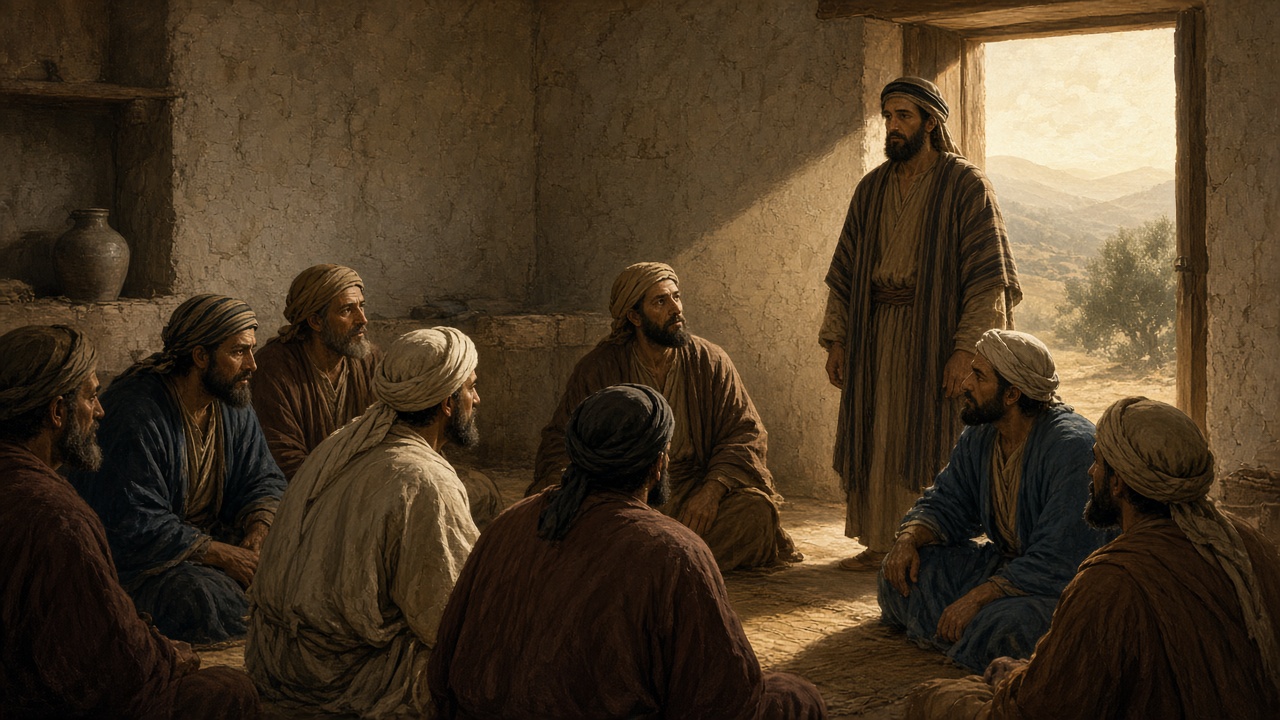
- Some people measured Paul by appearances and by his speech. They granted that his letters were weighty and forceful, yet called his physical presence unimpressive and his speaking of no account. He replies that what he is in his letters when away, he will be in his actions when he is present.Sources: the Bible text itself
- He casts the conflict in military terms, but not as an ordinary fight. Living in the flesh, he says, does not mean waging war according to the flesh. The weapons he claims are not the world's; they have divine power to pull down strongholds, to dismantle arguments and every presumption set against the knowledge of God, and to bring every thought into obedience to Christ.Sources: the Bible text itself
- Paul will not boast beyond the field of influence God has assigned him, a field that already includes his readers, since he was the first to reach them with the gospel of Christ. Anyone who boasts, he says, should boast in the Lord; approval belongs not to the one who commends himself, but to the one whom the Lord commends.Sources: the Bible text itself
Notes written with AI assistance from open sources (Theographic Bible Metadata, CC BY-SA 4.0; Easton’s Bible Dictionary, public domain) and reviewed before publishing.
Places in this chapter
- Corinth · 37.906, 22.879 · verse 14
Only places identified with high confidence are shown (90% or more according to the scholarly sources compiled by OpenBible). Period map: DARE (Digital Atlas of the Roman Empire), CC BY 4.0; modern map: © OpenStreetMap contributors; places: OpenBible.info (CC BY 4.0).
Credits and license for this translation
Yù bilin ni Namarò nga meyannung kâ Apu Kesu Kiristu: Yù bagu nga tarátu ni Namarò sù ira nga mangikatalà kâ Apu Kesu Kiristu
New Testament in Atta, Pamplona
copyright © 1996 Wycliffe Bible Translators, Inc.
Language: Pamplona Atta (Atta, Pamplona)
Translation by: Wycliffe Bible Translators, Inc.
Copyright Information
© 1996, Wycliffe Bible Translators, Inc. All rights reserved.
This translation text is made available to you under the
terms of the Creative Commons License: Attribution-Noncommercial-No Derivative Works.
( http://creativecommons.org/licenses/by-nc-nd/3.0/ )
In addition, you have permission to port the text to different file formats, as long as you
do not change any of the text or punctuation of the Bible.
You may share, copy, distribute, transmit, and extract portions
or quotations from this work, provided that you include the above copyright
information:
You must give Attribution to the work.
You do not sell this work for a profit.
You do not make any derivative works that change any of the actual words or punctuation of the Scriptures.
Permissions beyond the scope of this license may be
available if you contact
us with your request.
The New Testament
in Atta, Pamplona
© 1996, Wycliffe Bible Translators, Inc. All rights reserved.
This translation is made available to you under the terms of the
Creative Commons Attribution-Noncommercial-No Derivatives license 4.0.
You may share and redistribute this Bible translation or extracts from it in any format, provided that:
You include the above copyright and source information.
You do not sell this work for a profit.
You do not change any of the words or punctuation of the Scriptures.
Pictures included with Scriptures and other documents on this site are licensed just for use with those Scriptures and documents.
For other uses, please contact the respective copyright owners.
2014-08-06
Source: http://ebible.org/att/ · eBible.org