Mark 12
Ebe-No-Pfuasẹ Ishobọ Onogbọ · Tap a verse to see its cross-references.
Okhẹ irọkhọkhọ oyi eni e ngmomhi shi ogba ẹẹra ipfonu
1Ighọ iJesu ọ ke ri okhẹ irọkhọkhọ sẹsẹ wẹ. Ọọ, “Ọmọse ọghuo ọ ke ya gua ogba ẹẹra ipfonu. Ọ ma ugbe gasẹ oni ogba. Ọ tọ esẹ shi ọ, ni a mino amẹ ikpamhi eni ẹẹra kulo. Ọ gbo tọ owa ni o yagha ni a la khẹ-ekhẹ shi ọ. Ighọ ọ ya ri oni ogba nga eghiale eghuo obọ e nu lọli ri ukpẹloe ke khu. Ọ vu asha obini odonuẹ. 2Ẹghẹghẹ ikhiẹsẹ o ramhi, ọni ọmọse ọ ghie oghumha ọyọli ghi eni ọ ri ogba nga obọ, ọ lẹ ya mie wẹ idumhi emhi ni a kọ shi oni ogba bhale ghi luẹ. 3Ama e mu ọli, e gbe ọli, e khu ọli. Ọ pfino abọ efuẹ ya je. 4Ọ gbo ghie oghumha ọyọli ọlese ghi wẹ, E pfi emhi shi ọli ukhomhi, e yẹghẹ ọli-a 5Ọ gbo ghie ọlese, e gbe onana-a. Ọ ghie elese ni e bu, e gbe eghuo itali, e gbolo eghuo-a.
6“O kpọli ọghuo le ni ọa ghie ne, ikhi omi ọli ni ọ lolo nono ingme oyọli. Lọli ọ kpukhokho ghie. Ọ sa, ọọ, ‘E ya mu ekpẹ na omi mhẹ.’
7“Ama eni e la oni ogba, ẹẹ egbewẹ. ‘Ọna ọ ya le ugu oni ogba ona, a bhale ni awa gbe ọli-a. Ẹghẹghẹ aghọ ni oni ugu o mele oyawa-a.’ 8Ighọ e mu ọli, e gbe ọli-a, e pfi ọli rọte oni ogba ya lase.
9“Sẹ ọni ọ mhọli oni ogba ona ọ fẹ ya li? Eri ọ bhale ya gbolo eni ẹgbọ ni ọ ri oni ogba nga obọ-a, ọ rue oni ogba na ẹgbọẹse. 10Aa she zẹ ọli Ebe-no-pfuasẹ khi.
“ ‘Ẹchẹ ni itsọna e kie pfia,
lọli o ke ya mele egbegbi ẹchẹ
ni o kẹ mu ẹloe nẹ nya-a.
11Ọnọmhuẹ ọ lighọ riẹlẹ ona,
óó ti anye ẹloe gba’ ”
12Ighọ egbhali eyi ẹgbọ iJu, e nono odẹ ni e te ya mu iJesu, itobọ khi e lẹsẹ khi wẹwẹ ọ ri oni okhẹ irọkhọkhọ ona nu ngme. Ama e na ulishi oyi ebubu ẹgbọ ni e la aghọ, e zẹ ọli obọ, e vu.
Ingme izẹ oga na iSiza
13Ighọ e tigbe ya nyenẹ egbe ya ghie iFarisi eghuo ali eniyẹ odukhokho eyi Erọdu ghi iJesu, ni e mẹ asha rọte emini ọ ya ngme ri ingme de ọli. 14Ighọ e bhale deba iJesu, ẹẹ ọli, “Ọsẹsẹ, anye lẹsẹ khi u ma ngme igẹsikia, khi emiemini ẹgbọ ẹẹ ngme ali emiemini ọgbọ ọ khi ọa ya mu ẹ ẹloe, ama odẹ oyi Ẹshinẹgba wa sẹsẹ ni o te odẹ igẹsikia. Mhiẹ i, o famhi ti abi khi ọa ti elemhi ushi, ni a rọ zẹ oga na oghie iSiza? 15Anye ke zẹ, abi anye khi zẹ?”
Ama iJesu ọ she mẹ ikpamhika oyẹwẹ. Ọ́ọ́ wẹ, “Elọ o zẹ ni a rọ nono ni a di mhẹ mu? A rue ukpamhi anini bhale ghue ni mhi bino.” 16E rue oghuo bhale ghi ọli, ọọ wẹ, “Alo ali eva eyi ọghuo na ni a mu shi ọ ena?” Ẹẹ ọli, “Eyi iSiza lọ.”
17IJesu ọ́ọ́ wẹ, “A ri emini o khi oyi iSiza na iSiza, a ri emini o khi oyi Ẹshinẹgba na Ẹshinẹgba.”
Ighọ ingme oyi iJesu o sha wẹ abọ.
Ingme iteghuli-guale
18Ighọ ẹgbọ ena otu na lui iSadusi ni ẹẹ sẹsẹ khi ite-eghuli-guale ọa ya la ikpukhokho agbọ, e bhale deba iJesu ya mhila li ogbọ. 19Ẹẹ ọli, “Ọsẹsẹ, iMosisi ọ kẹkẹ ọli shi ebe ushi na awa khi, ‘Ini ọmọse ọ ghu-a pfi ughuẹ ọli shi agbọ, ni ọa rọ bia ọmọ na li, inyọghuo ọni ọmọse ọ́ mema rue ọni ọsamhi-olimhi ughuẹ ni ọ bia eniyẹ na ọni ọkpotso na inyọghuo ọli ni ọ ghu-a ọghọ’ 20Ẹghẹghẹ oghuo ó ya la ọ, a mẹ emọse oshilua ni e khi inyọghuo. Ọni ọgbhali ọ rue ọkpotso. Ọni ọmọse ya ghua, ọa bia ọmọ na ọni ọkpotso. 21Inyọghuo ọli ni ọọ deba li ọ ke rue ọni ọkpotso, ọ gbo ghua, ọa bia ọmọ. Ighọ o gbo li inyọghuo ọli ọnuzasẹ. 22Ighọ o gbo li khi eni inyọghuo ọni ọmọse ni e kpọle nya. Eni inyọghuo oshilua nya e ga rue ọni ọkpotso ughuẹ ni ẹa bia ọmọ ọkhọghuo na li. Ikpukhokho ọ, ọni ọkpotso ọ li ghua. 23Ini ogbẹlẹ iguale o ramhi, ni eni e ghu-a nya e rọ guale, ọghuo ọ famhi ya khi ughuẹ ọni ọkpotso? Aborọkhia khi wẹwẹ oshilua nya e ga rue ọli ughuẹ eghọ.”
24IJesu ọ sọ wẹ ọ, Ọ́ọ́, “Wa a mẹ khi eri a da odẹ khi aa lẹsẹ emhikhọghuo elemhi Ebe-no-pfuasẹ, wẹkhi eri a lẹsẹ emhikhọghuo elemhi ekpabọ oyi Ẹshinẹgba. 25Ini eni e ghu-a e guale, ẹa kẹ ke rue ughuẹ wẹkhi eri a ke rẹ wẹ kẹ yẹ ughuẹ. Eri e kẹ li abi igẹni ena iloghie. 26Ama ingme iguale oyi eni e ghua, aa she kpẹ zẹ ọli ebe ni iMosisi ọ kẹkẹ ni ọ ngme ingme ebuli ni oo to shi? Abi Ẹshinẹgba ọ gueyẹ iMosisi khi, ‘Mhẹmhẹ mhi khi Ẹshinẹgba ọyi Aburaamu ali Ẹshinẹgba ọyi Aziki, ali Ẹshinẹgba ọyi iGiekọpu.’ 27Ẹshinẹgba oyi eni e la agbọ ọ khi, ọa khi ọyi eni e ghua. Eri a ga da odẹ pfo nya.” Emini a ri ona ngme khi, ẹgbọ eni ghu-a eghuo e kie mhọli agbọ.
Ushi ni o funẹ nya
28Ọtuọghuo eni ẹ sẹsẹ ishi, ọ la aghọ suọ abi e rọ khakọ, ọ mẹ khi iJesu ọ ga guẹ sọ ẹgbọ iSadusi ogbọ ni e mhila li, ọ mhila li, “Elemhi ishi nya, onoghuo o ga funẹ nya?”
29IJesu ọ sọ li ọ, ọ́ọ́, “Oni o mu ẹloe ne nya na, ‘Ku esọ-a yẹyẹ iZirẹni, Ọnọmhuẹ Ẹshinẹgba ọyawa, lọlighuo kpe ọ khi Ọnọmhuẹ. 30Nono ingme oyi Ẹshinẹgba Ọnọmhuẹ ọyẹ, ri udu oyẹ nya ali agbọ oyẹ nya, ghe isamhi ali ekpabọ eyẹ nya nono ingme oyi Ẹshinẹgba.’ 31Onuzi-eva ni o gbo lolo mu ẹloe khi, ‘Nono ingme oyi ọnuzava ọyẹ abi u li nono ingme egbe ẹ.’ Ushi olese okhọghuo ọa ke la ọ ni o gbo mu ẹloe dọsẹ ena.”
32Ọni ọmọse ọ́ọ́, “U ga guẹ ngme, Ọsẹsẹ. Igẹsikia u ngme ni u wẹ khi Ẹshinẹgba ọghuo ọ khi, ali khi ọlese ọa ke la ọ, sẹ ni lọlighuo. 33Ali khi awa ri udu oyi awa nya, ali isamhi eyi awa ali ekpabọ eyi awa nono ingme oyi Ẹshinẹgba. Ali awa nono ingme oyi ọnuzava ọyawa abi awa li nono ingme egbe awa. Ni awa rọ ri ishi eva ena gbe akanya, o ghọle Ẹshinẹgba dọsẹ ni awa ya ri iluasobo ali isomhopfa ọdọda bhale ghi ọli.”
34Abi iJesu ọ rọ mẹ ilẹsingme ni ọ rọ sọ luẹ ọ, iJesu ọọ li, “Wa a ga nuata shi Eghiele oyi Ẹshinẹgba.”
Rọte aghọ vu ọgbọ okhọghuo ọa ke gbolo mhila li ogbọ okhọghuo.
Omi ọni Ọmiepfuese ọ khi
35Abi iJesu ọ rọ la elemhi apfẹ ni o la Owa oyi Ẹshinẹgba sẹsẹ ẹgbọ, ọ mhila wẹ ogbọ. Ọ́ọ́, Elọ o zẹ ni esẹsẹ Ishi eyi iMosisi e rọ liẹ khi omi iDefidi Ọmiepfuese ọ khi? 36Abi Ayẹmhẹ-nọ-pfuasẹ o rọ kpha iDefidi sọ, ọ rọ rọte unu oyọli liẹ.
“ ‘Ẹshinẹgba ọ́ọ́, Ọnọmhuẹ oyẹmhẹ.
Shitọ mama mhẹ
ramhi ẹghẹghẹ
ni mhi rọ ya ri ebe ẹ
shi ẹ ufui ẹkoawẹ.’ ”
37Ini iDefidi ọ rọte unu oyi lọlighuo lu ọli Ọnọmhuẹ, sẹ ọni Ọnọmhuẹ ọyọli ọ ke gbo liẹ khi omi ọli?
Ebubu ẹgbọ e ku esọ a shi ekẹ shi emini ọ ngme, ni o ri egbe mu wẹ.
IJesu ọ tse agua yẹ eniyẹ odukhokho eyọli shi esẹsẹ Ishi eyi iMosisi egbe
38IJesu ọ sẹsẹ wẹ, Ọ́ọ́ wẹ, “A mu egbe ẹ shi esẹsẹ Ishi eyi iMosisi egbe. Itsua na dọlọdọlọ e ma ghọle wẹ e isọ ke kia ifui oki, ni ẹgbọ e ke tsẹ wẹ otsẹ ekpẹ. 39E ma nono ni wẹwẹ e shitọ ukpẹkhomhi ni ọ mu ẹloe elemhi owa ugamhi oyi awa ali ashini o mu ẹloe elemhi ilegba, ni a la le, ni a la da. 40Itoto e rọ li esamhi-olimhi ẹ le. Iromhi ni e nuẹ, eyi abamẹmhẹ, ẹ sọ. Ẹshinẹgba, ọ ya na wẹ osoli oniẹmhi to ọ.”
Irọna ni ọsamhi-olimhi ọ rọ na Ẹshinẹgba
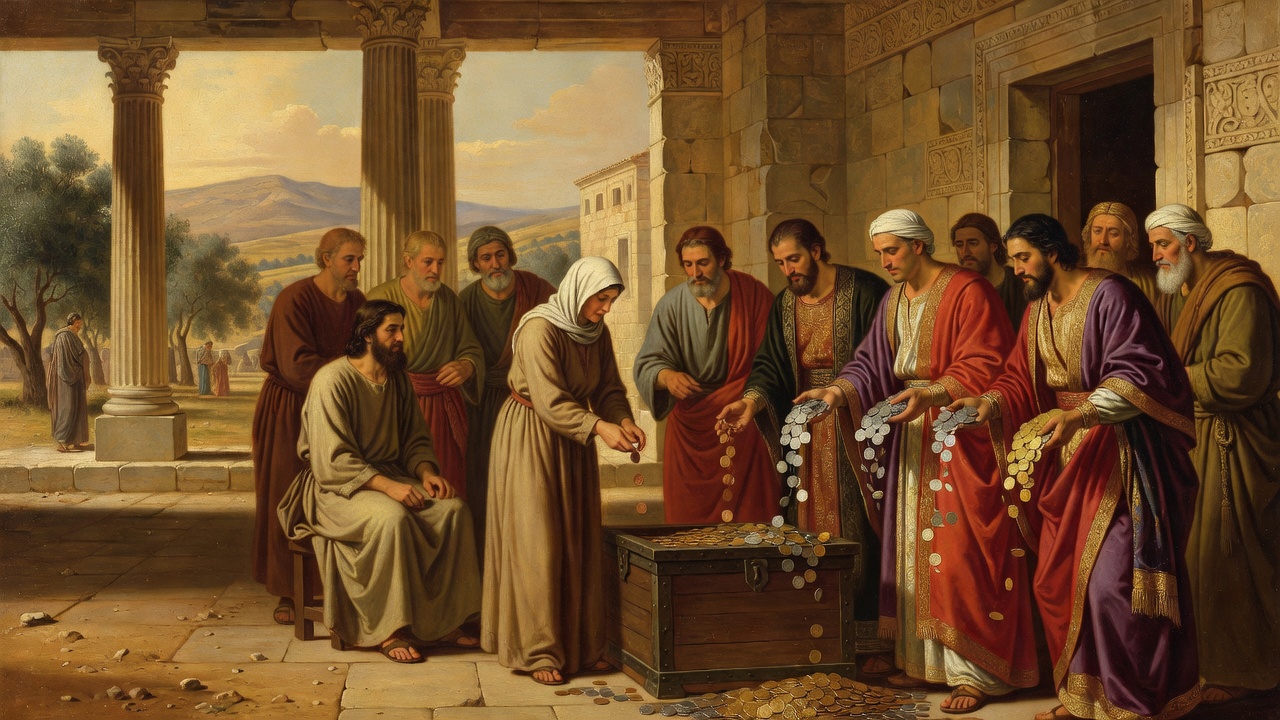
41Abi iJesu ọ rọ shitọ ti mama oni akpati ni a pfi ukpaghọlọ irọna a lo elemhi Owa oyi Ẹshinẹgba, ọọ bino ẹgbọ abi e li pfi ikpaghọ lo ọ. Ẹgbọ ni e pfue ebubu e pfi ikpokpomhi ikpaghọ lo. 42Ighọ ọsamhi-olimhi ni ọa mhuẹ emhikhọghuo, ọ li ya pfi anini eva lo.
43Ighọ iJesu ọ lu eniyẹ odukhokho eyọli, Ọ́ọ́ wẹ, “Igẹsikia mhi gue ẹ yẹ ẹ, khi ọni ọsamhi-olimhi ni ọa mhọli emhikhọghuo ọna, lọli ọ ri irọna ni o funẹ nya bhale dọsẹ ẹgbọ enekpọle nya 44Itobọ khi eri eni e pfue e rọte ẹpfue ni e mhuẹ mu ẹpfiẹ rọ riẹlẹ irọna. Ama ọni ọsamhi-olimhi ọna, rọte elemhi umhamẹ oyọli, ọ kie rue emini ọ mhọli nya ni ọ kha rọ ke le, riẹlẹ irọna.”
Did you know?
Debates in the Temple
- The Sadducees, who say there is no resurrection, question Jesus about seven brothers and one widow, appealing to what Moses wrote. He points them to the burning bush in the Book of Moses, where God says, “I am the God of Abraham, the God of Isaac, and the God of Jacob.” Abraham, “father of a multitude,” was Terah’s son; Isaac was Abraham’s only son by Sarah; and Jacob was the second-born of the twin sons of Isaac and Rebekah.Sources: the Bible text itself · Abraham · Isaac · Jacob (Israel)
- Asked which commandment is the most important, Jesus begins, “Hear, O Israel, the Lord our God, the Lord is One,” and adds, “Love your neighbor as yourself.” Israel is another name for Jacob, the second-born twin son of Isaac and Rebekah; Jacob’s name is explained as one who follows on another’s heels, or supplanter.Sources: the Bible text itself · Jacob (Israel)
- Teaching in the temple courts, Jesus asks how the scribes can say that the Christ is the Son of David if David himself calls him “Lord.” David, whose name means “Beloved,” was the eighth and youngest son of Jesse, a citizen of Bethlehem, and his early occupation was tending his father’s sheep on the uplands of Judah.Sources: the Bible text itself · David
Notes written with AI assistance from open sources (Theographic Bible Metadata, CC BY-SA 4.0; Easton’s Bible Dictionary, public domain) and reviewed before publishing.
Credits and license for this translation
Ebe-No-Pfuasẹ Ishobọ Onogbọ
New Testament in Ivbie North-Okpela-Arhe (NI:atg:Ivbie North-Okpela-Arhe)
copyright © 2012 Wycliffe Bible Translators, Inc.
Language: Ivbie North-Okpela-Arhe
Translation by: Wycliffe Bible Translators, Inc.
Copyright Information
© 2012, Wycliffe Bible Translators, Inc. All rights reserved.
This translation text is made available to you under the
terms of the Creative Commons License: Attribution-Noncommercial-No Derivative Works.
( http://creativecommons.org/licenses/by-nc-nd/3.0/ )
In addition, you have permission to port the text to different file formats, as long as you
do not change any of the text or punctuation of the Bible.
You may share, copy, distribute, transmit, and extract portions
or quotations from this work, provided that you include the above copyright
information:
You must give Attribution to the work.
You do not sell this work for a profit.
You do not make any derivative works that change any of the actual words or punctuation of the Scriptures.
Permissions beyond the scope of this license may be
available if you contact
us with your request.
Printed book ISBN 9789789194797
The New Testament
in Ivbie North-Okpela-Arhe
© 2012, Wycliffe Bible Translators, Inc. All rights reserved.
This translation is made available to you under the terms of the
Creative Commons Attribution-Noncommercial-No Derivatives license 4.0.
You may share and redistribute this Bible translation or extracts from it in any format, provided that:
You include the above copyright and source information.
You do not sell this work for a profit.
You do not change any of the words or punctuation of the Scriptures.
Pictures included with Scriptures and other documents on this site are licensed just for use with those Scriptures and documents.
For other uses, please contact the respective copyright owners.
2019-08-09
Source: http://ebible.org/atgNT/ · eBible.org