Matthew 5
Ebe-No-Pfuasẹ Ishobọ Onogbọ · Tap a verse to see its cross-references.
Osẹsẹ ni iJesu ọ la esọ ute sẹsẹ
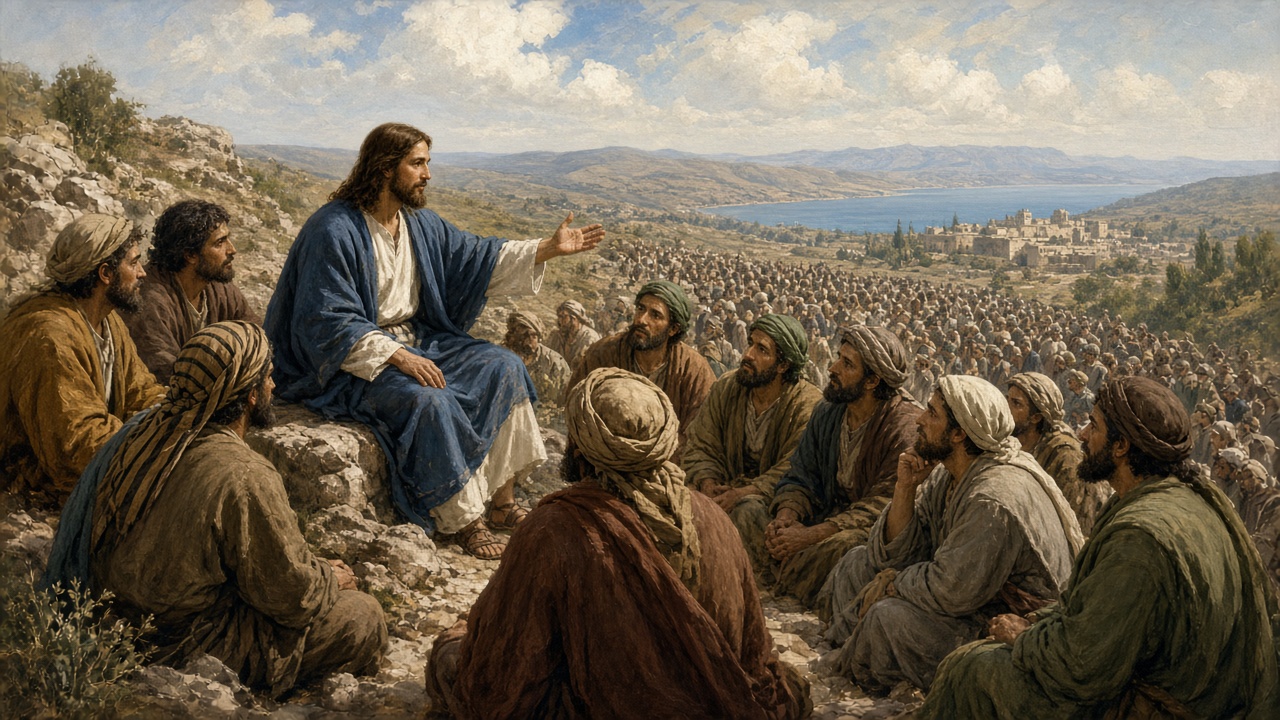
1Abi iJesu ọ rọ mẹ oni olele ẹgbọ, ọ ti nga esọ ute dẹnẹ, ọ shitọ. Eniyẹ odukhokho eyọli e bhale ya shitọ gasẹ ọli. IJesu ọ shitọ ukhomhi ute e sẹsẹ|src="CN01700B.TIF" size="col" loc="MAT 5.1" copy="Cook" ref="5.1" 2Ọọ sẹsẹ wẹ, ọọ liẹ,
3“Ikhivọsẹ o khi oyi ẹgbọ
ni e lẹsẹ khi
Ẹshinẹgba ọ mhuẹ emhikpa,
wẹwẹ e mhọli obọ shi
Eghiele oyi Ẹshinẹgba.
4Ikhivọsẹ o khi na ẹgbọ
ni ẹẹ viẹ,
Ẹshinẹgba ọ ya yẹsẹ wẹ.
5Ikhivọsẹ o khi oyi ẹgbọ ni
e ti egbewẹ tiemhile,
Ẹshinẹgba ọ ya ri
agbọ ona nya na wẹ.
6Ikhivọsẹ o khi oyi ẹgbọ ni
okiamhi ali okiamẹ
iguẹ-ngeli ọọ gbe,
Ẹshinẹgba ọ ya ri
emini ẹ nono na wẹ.
7Ikhivọsẹ o khi oyi ẹgbọ
ni e mhọli ilẹlemhi na ẹgbọẹse,
Ẹshinẹgba ọ ya
mhọli ilẹlemhi na wẹ.
8Ikhivọsẹ o khi oyi ẹgbọ
ni e mhọli udu no pfuasẹ,
e ya mẹ Ẹshinẹgba.
9Ikhivọsẹ o khi oyi ẹgbọ
ni ẹẹ dua ini opfọmhẹ o la ọ,
Ẹshinẹgba ọ ya lu wẹ imiọli.
10Ikhivọsẹ o khi oyi ẹgbọ
ni a mu okhọli vule shi ọ
irari khi e da riẹlẹ
emini Ẹshinẹgba ọ nono,
wẹwẹ e mhọli obọ shi
eghiele oyi Ẹshinẹgba.
11“Ikhivọsẹ o khi nẹ, ini ẹgbọ e mu okhọli vule shi ẹ ọ, ẹẹ kiẹ iwali ẹgbhọli ọdọda mẹ irari khi u mie mhẹ suọ. 12Zẹ ni u ke ghẹlẹ, egbe ẹẹ muẹ, irari khi eleli oyẹ ni o la iloghie oo gbẹdi gba. Ina e li mu okhọli vule shi emekẹguele ọ ni e kpẹ bhale khẹ.
Ugbheli ali ákpá oyi agbọ a khi
13“Eri a li abi ugbheli shi agbọ ọ. Ini ugbheli o wasẹ oviọlọ oyọli-a, aa ke tigbe mhọli abi a li ya rọli gbo mele ugbheli-a. Aa ke rọli ya li emhikhọghuo dọsẹ a ku ọli kua ni a ri awẹ lighi ọli ekẹ.
14“Eri a li abi ákpá shi agbọ ọ. Owa ni a tọ shi ukhomhi ute ọa ya sheli. 15Aa mẹ ọgbọ ni ọ ya ri ákpá ru se, ọ khukhu ọli shi atalabi. Eri ọ ya ri ochoghọ rue ọli nga asha na keghe, ni o ke mẹ ekẹ ni ẹgbọ ni e la oni owa e ke mẹ ekẹ. 16Lighọ zẹ ni ákpá oyẹ o ke gẹ khasẹ ẹgbọ, ni e rọ mẹ ikanya enete eyẹ ni e mẹ asha kuẹghiẹ Ẹshinẹgba ni ọ la iloghie.
Osẹsẹ abi ishi eyi iMosisi o ngme
17“A khi dabi khi eri mhi bhale ya shishi Ishi eyi iMosisi ekẹ-a, a khi a dabi khi eri mhi bhale ya shishi emini emekẹguele e sẹsẹ-a. Iiye! Eri mhi bhale ya rẹ wẹ tsẹ. 18Zẹ mhẹ gueyẹ khi ekẹ ali ukhuli e kha da kie la ọ ne, ukpamhi ingme okhọghuo ọa ya wa Ishi eyi iMosisi-a, ini emini e kẹkẹ wẹ shi ekẹ shi nya ẹa li bhale ya tsẹ. 19Itobọ ighọ, ọnini ọ da gbe ushi ni o ga shẹ nẹ a nya, ni ọ gbolo ẹ sẹsẹ ẹgbọ e li lighọ ne, lọli ọ ga ya shẹ nẹ nya Eghiele oyi Ẹshinẹgba, ọnini ọ da riẹlẹ wẹ ni ọ gbolo ẹ sẹsẹ ẹgbọ eni ishi eyi Ẹshinẹgba ne, ọ ya khi ọnọfunẹ Eghiele oyi Ẹshinẹgba. 20Mhi gueyẹ ẹ khi ini iguẹ-ngeli oyẹẹ ọa da dọsẹ iguẹ-ngeli oyi esẹsẹ Ishi eyi iMosisi ali ẹgbọ iFarisi ne, aa ya lo Eghiele oyi Ẹshinẹgba.
Osẹsẹ oyi ingme elemhi ibibi
21“A suọ khi ẹghẹghẹ ni o dọsẹ khi a gueyẹ eni egbhali, ẹẹ, ‘Khi gbe ugbeli, ọnini ọ da lighọ ne, a ya ri ọli gue ẹzọ.’ 22Ama memena mhi gueyẹ ẹ khi ọni ọ da mhuẹ ofu deba inyọghuo ọli ne, a ya rọli gue ẹzọ. Ọni ọ da liẹ inyọghuo ọli, ‘Yẹyẹ ọgbọ afuẹ ọna!’ A ya rue ọli bhale deba enighie. Ọni ọ da lu inyọghuo ọli, ‘Yẹyẹ ọyẹghẹ ọna!’ Ọ ya la okhẹna erali na ilimhi iriẹriẹ.
23“Ini u mhuẹ isomhopfa ni u wa nono ni u rọ ghi Ẹshinẹgba ukhomhi atẹtẹ, ni u rọ da sato khi inyọghuo ẹ ọ mhuẹ ofu nẹ shi emini u riẹlẹ ọli ne, 24zẹ oni isomhopfa oghọ obọ shi odalo atẹtẹ, u je apfẹ ni yẹyẹ ali ọni inyọghuo ẹ ni a rọ riẹlẹ, u tigbe bhale ya ri isomhopfa oyẹ na Ẹshinẹgba.
25“Ini ọbe ẹ ọ rue ẹ lẹ ikọtu, nyanya lema li abi a li la odẹ ẹ lẹ eghọ neni a ramhi aghọ. Ini ọa khi ighọ, ọ ya rue ẹ na ọsọ-ẹzọ, ọni ọsọ-ẹzọ ọ rue ẹ na ọgbanelemhi, ọ́ rue ẹ ya khukhu shi owa ighumha. 26Abi o li mhi li gue ọli ẹ yẹ ẹ khi, waa ya rọte aghọ lasele ini u waa li zẹ oko na fiẹ pfo nya.
Osẹsẹ ingme okia
27“A suọ ẹghẹghẹ ni o dọsẹ khi a liẹ, ‘Khi kia okia.’ 28Ama memena mhi gueyẹ ẹ khi ọnini ọ da ri ọghuẹmhẹ itsẹbọ bino ọkpotso ne, ọ she kia okia deba ọni ọkpotso elemhi usamhi udu oyọli. 29Irarighọ, ini o khia khi ẹloe na obita oyẹ o ya zẹ ni u lo owa erẹ, vuọnyọ li pfia, irari khi o ti nẹ ini egbe ẹa gba nẹ ya lo iloghie, dọsẹ khi yẹyẹ nya u lo ilimhi iriẹriẹ. 30Ini o khia khi obita oyẹ o ya zẹ ni u pfidọ ya lo owa erẹ, khi ọli pfia. O tinẹ ni u zẹ obọ oghuo ya lo iloghie dọsẹ khi yẹyẹ nya u lo ilimhi iriẹriẹ.
Osẹsẹ ipfa ughuẹ-a
31“A li ngme ọli shi Ishi eyi iMosisi khi, ‘Ọmọse ọ kha khu ughuẹ ọli, ọ nya ebe ipfa ughuẹ-a na li.’ 32Ama memena mhi gue ẹ yẹ ẹ khi, ọni ọ da khu ughuẹ ọli ni o khia khi ọa khi eri ọ kia okia ne, ọ she yẹsẹ ọni ọkpotso mele ọkiokia-a. Ọmọse ni ọ rue ọni ọkpotso ọghọ, eri ọ li kia okia.
Osẹsẹ irọnga
33“A gbo li suọ khi a gueyẹ ẹgbọ ena ẹlẹlẹ, ‘A khi da irọnga ni a rọ nga, ama emini u romhi Ọnọmhuẹ rọ nga, khi da ọ, lighọ rọli tsẹ.’ 34Emini mhi ke gue ẹ yẹ ẹ mena khi, khi ga romhi isheli kpa. Khi romhi idane irari khi oobọ ukpẹkhomhi oyi Ẹshinẹgba o la. 35Khi gbo li romhi ekẹkhẹ, irari khi lọli khi akphawẹ-nga oyi Ẹshinẹgba. Wẹkhi iJerusalẹmu, irari khi lọli o khi ẹoli oyi Oghie nọ funẹ. 36Khi ga ri ukhomhi oyẹ romhi ishe, irari khi waa ya dobẹ ri ẹtsui oghuo kpe bishi a wẹ khi eri u dobẹ rọli ya pfuasẹ-a. 37Ungmemhi oyẹ o lẹsẹ migha shi ii, okekhi iiye, emini o da dọsẹ ighọ ne, obọ oyi Ọkphaghiẹ o te bhale.
Khi ri onobe fali ota onobe
38“A suọ khi a kpẹ ngme ọli, khi, ‘A ri ukpẹloe fata ukpẹloe, ali ẹkọli o fata ẹkọli.’ 39Ama mena, mhi gueyẹ ẹ, a khi riẹlẹ ọgbọ to ọ ini ọ riẹlẹ ẹ onobe. Ini ọgbọ, ọ lase ẹ esọ obita nyenẹ ona ọgobọ na li gbo lase. 40Ini ọgbọ ọọ nono ni lọli luẹ ẹzọ, ni lọli rọ mie ẹ awulu oyẹ, bie gbo gueghie oni u sọ kpọkẹ ma ọ nali. 41Ini ọgbọ ọ ri itoto liẹ u tsua itsua na luẹ imali oghuo, tsua wẹ imali eva. 42Ini ọgbọ ọ mhila ẹ emhi, rọna li. Ngmomhi na ọni ọ ye ongmomhi deba ẹ.
Mhọli inono na ebe ẹ
43“A she suọ khi a liẹ, ‘Nono ingme oyi ọnuzi-ava ọyẹ, u ke biselemhi ọbe ẹ.’ 44Ama mhi gueyẹ ẹ. Nono ingme oyi ọbe ẹ, u gbo sọ iromhi na eni mu okhọli vule shi ẹ ọ. 45U kha lina, eri u wa ngeli abi itẹ na iloghie. Irari khi lọli ọ ri ovọ oyọli ẹ to na ẹgbọ ọkhọlọ ali ẹgbọ enete. Ighọ ọ gbo liẹ ruẹsẹ amẹ na ẹgbọ ọkhọlọ abi ọ liẹ ruẹsẹ ọli na ẹgbọ enete. 46Sẹ u ke li ya mẹ asha mhuẹ eleli obọ oyi Ẹshinẹgba ini u lẹsẹ nono ẹgbọ ni e nono ingme oyẹ? Egbegbi emionoga e lili ẹ lighọ. 47Ini o khia khi inyọghuo ẹ tsẹ u lẹsẹ ẹ tsẹ, ighe ikhiọda ni o la yẹyẹ ali eni ẹa miesuọ ọ? Eni ẹa miesuọ e lili ẹ lighọ. 48Itobọ ona, zẹ ni u gba pfo abi Itẹ na iloghie ọ li gba pfo.”
Did you know?
The Sermon on the Mount
- When Jesus saw the crowds, he went up on the mountain, sat down, and began to teach his disciples. That discourse is known as the Sermon on the Mount. A chronological note places its start in AD 28 and gives it a duration of one day.Sources: the Bible text itself · Sermon on the Mount
- Teaching about oaths, Jesus says not to swear by Jerusalem, for it is the city of the great King. In the original the name is a dual form meaning possession of peace, or foundation of peace. That form probably refers to the two mountains on which the city was built, Zion and Moriah, or, as some suppose, to the upper and the lower city; it was also called the city of God and the holy city.Sources: the Bible text itself · Jerusalem
Notes written with AI assistance from open sources (Theographic Bible Metadata, CC BY-SA 4.0; Easton’s Bible Dictionary, public domain) and reviewed before publishing.
Places in this chapter
- Jerusalem · 31.777, 35.234 · verse 35
Only places identified with high confidence are shown (90% or more according to the scholarly sources compiled by OpenBible). Period map: DARE (Digital Atlas of the Roman Empire), CC BY 4.0; modern map: © OpenStreetMap contributors; places: OpenBible.info (CC BY 4.0).
Credits and license for this translation
Ebe-No-Pfuasẹ Ishobọ Onogbọ
New Testament in Ivbie North-Okpela-Arhe (NI:atg:Ivbie North-Okpela-Arhe)
copyright © 2012 Wycliffe Bible Translators, Inc.
Language: Ivbie North-Okpela-Arhe
Translation by: Wycliffe Bible Translators, Inc.
Copyright Information
© 2012, Wycliffe Bible Translators, Inc. All rights reserved.
This translation text is made available to you under the
terms of the Creative Commons License: Attribution-Noncommercial-No Derivative Works.
( http://creativecommons.org/licenses/by-nc-nd/3.0/ )
In addition, you have permission to port the text to different file formats, as long as you
do not change any of the text or punctuation of the Bible.
You may share, copy, distribute, transmit, and extract portions
or quotations from this work, provided that you include the above copyright
information:
You must give Attribution to the work.
You do not sell this work for a profit.
You do not make any derivative works that change any of the actual words or punctuation of the Scriptures.
Permissions beyond the scope of this license may be
available if you contact
us with your request.
Printed book ISBN 9789789194797
The New Testament
in Ivbie North-Okpela-Arhe
© 2012, Wycliffe Bible Translators, Inc. All rights reserved.
This translation is made available to you under the terms of the
Creative Commons Attribution-Noncommercial-No Derivatives license 4.0.
You may share and redistribute this Bible translation or extracts from it in any format, provided that:
You include the above copyright and source information.
You do not sell this work for a profit.
You do not change any of the words or punctuation of the Scriptures.
Pictures included with Scriptures and other documents on this site are licensed just for use with those Scriptures and documents.
For other uses, please contact the respective copyright owners.
2019-08-09
Source: http://ebible.org/atgNT/ · eBible.org