Acts 2
Ebe-No-Pfuasẹ Ishobọ Onogbọ · Tap a verse to see its cross-references.
Ayẹmhẹ-nọ-pfuasẹ ọ bhale ogbẹlẹ iPẹtikọsiti
1Abi ogbẹlẹ ukpe iPẹtikọsiti o rọ ramhi, igbaa oyi eni e mie iJesu iKirisiti suọ nya e lona kugbe asheghuo. 2Utoghuo-kpe, okeke o rọte idane tiemhile abi akpekpeli ni o toto, oni okeke o vọ elemhi oni owa ni e shitọ. 3Ighọ e mẹ emini e li abi ẹlẹmhi erali khi e rọte ashakhasha a tiemhile shi wẹ ọ. 4Ighọ Ayẹmhẹ-nọ-pfuasẹ ọ vọ wẹwẹ nya egbe, ee ngme ẹmuẹ oyi ẹoli ọdọda abi ọni Ayẹmhẹ ọ li khueghie wẹ unu-a. Ayẹmhẹ no pfuasẹ o tiemhile ogbẹlẹ iPẹtikọsiti |src="CN01890B.TIF" size="col" loc="ACT 2.4" copy="Cook" ref="2.4"
5Ẹgbọ iJu ni ẹ na ulishi Ẹshinẹgba ni e rọte ushishi ọdọda na ekẹ agbọ jele, e la elemhi iJerusalẹmu. 6Abi e rọ suọ oni okeke ona, ebubu ẹgbọ e kpeli bhale. O nya wẹ alo-a abi e rọ suọ khi eni ẹgbọ ni e miesuọ khi ẹ ngme ẹmuẹ ọdọda eyi wẹwẹ. 7Ighọ abọ e sha wẹ egbegbọ, e liẹ egbe. “Eni ẹgbọ ena, ni ẹẹ ngme ẹmuẹ eyawa ena, ọa khi ẹgbọ iGalili e she khi? 8Sẹ awa ke liẹ suọ wẹ khi ẹẹ ngme ẹmuẹ ọdọda eyawa? 9Ẹoli ọdọda awa te lasele, eghuo e rọte iPatia bhale, eghuo ọ, iMedisi ali Elamu, eghuo ọ, iMẹsopotemia, eghuo, ekẹ iJudia ali iKapadosha, eghuo, iPọtusi ali Esha, 10eghuo, iFirigia ali iPafilia, eghuo, iJipiti ali ukiẹkiẹ ekẹ iLibiya ni o ti mama ekẹ iSairin, eghuo e rọte iRomu bhale, 11li shi ẹgbọ iJu ali ẹgbọ iJẹta ni e mu pfi bhale irudunga oyi ẹgbọ iJu. Eghuo elemhi awa e rọte iKirẹti ali Arebia bhale. Abi o riẹ khi ighọ, awa kie ga suọ khi ẹ ngme ẹmuẹ eyawa, ẹẹ guele ikanya eniẹmhi ni Ẹshinẹgba o gbe.” 12Eni ingme ni a mẹ e sha ọgbọkpa abọ, ẹa lẹsẹ udi wẹ, e mhila egbe wẹ. “Sẹẹ onana o ngme?”
13Ẹgbọ eghuo e rẹwẹ ẹ li egia, ẹ liẹ, “Onyọ ọọ gbe wẹ.”
IPita ọ nu eni ebubu ẹgbọ ngme
14Ighọ iPita ọ vule migha, lọli ali ogbaghuo ni e kpọle, ọ khueghie unu-a leghe, ọ nu eni ebubu ẹgbọ ngme, ọọ, “Apfẹmhẹ iJu, ali ẹẹ ẹgbọ nya ni a la elemhi iJerusalẹmu, a rọ esọ shi mhẹ ekẹ ni mhi gue ingme ni a mẹ ena yẹ ẹ. 15Ọa khi onyọ ọọ gbe eni ẹgbọ ena abi a dabi. Irari khi ogbe ọa dala ne, agogo itili ẹlẹ uzogbe awa la! 16Iiye! Emini a mẹ ena o khi emini ọmekẹguele iJoẹl ọ guele ẹghẹghẹ ni o dọsẹ ni ọ rẹ:
17“ ‘Ẹshinẹgba ọọ,
Ogbẹlẹ ni e kpukhokho,
mhi ya ri Ayẹmhẹ oyẹmhẹ
na ẹgbọkpa.
Imi ẹ eni emọse ali eni ikpotso
e ya ke gue usomhi ni mhi ghie wẹ le.
Izẹo eyẹ ẹ, e ya ke mekẹguele,
egbhali eyẹ ẹ, e ya ke la ẹlena.
18Shi eni ẹ ga ọgbọ
eni emọse ali eni ikpotso eyẹmhẹ,
Mhi ya ri Ayẹmhẹ oyẹmhẹ
na wẹ ogbẹlẹ ni a ngme ena,
e ya gue emini mhi rọkhasẹ wẹ le.
19Mhi ya rọ ọnyaloa khasẹ,
obini irarogbe,
ali khi mhi ya gbo ri
irọkhasẹ khasẹ ekẹ agbọ.
Mhi ya pfi okhọli shi elemhi agbọ,
ni ẹgbọ e mẹ ọlia
ali erali ali ewọli
20Ovọ o ya bi obili a,
mhi ya ri uki yilẹ-a rarara abi ọlia,
neni ogbẹlẹ ni o funẹ
oyi Ọnọmhuẹ o ya bhale
ni ọ rọ ya gue ọgbọkpa ẹzọ.
21Ọgbọkpa ni ọ da pfie lu
eva oyi Ọnọmhuẹ ne, a ya tsumhi ọli.’
22“Ẹẹ ẹgbọ ni a la ekẹ iZirẹni, a rọ esọ shi ungmemhi onana. Ẹẹ a lẹsẹ khi iJesu ọngi iNazarẹti, ọ khi ọgbọ ni Ẹshinẹgba ọ ri egbe khasẹ, ọ gbo ghie ọli, itobọ khi Ẹshinẹgba ọ ri ekpabọ na li ọ ke gbe ikanya ọnyaloa elemhi iteva o yẹ ẹ. 23Abi o rọ tseku khia khi a lẹsẹ ona, a kie zẹ ni ẹgbọ ebe e mu ọli ghi ẹ ni a gbe ọli-a. Ama Ẹshinẹgba ọ she kpẹ gba onana ọ lẹsẹ ọli. 24Ama Ẹshinẹgba ọ rọte eghuli guise ọli le. Eghuli ọa dobẹ ri ekpabọ oyọli mu ọli mama, abi ọkpotso ni oku ọọ to ọa li dobẹ a mu ọmọ ọ khi lasele. 25Itobọ khi oghie iDefidi ọọ ngme ingme oyi iKirisiti ni ọ rẹẹ,
“ ‘Mhi mẹ khi Ọnọmhuẹ
ọ migha kpẹsẹ mhẹ ẹghẹghẹ kpa,
ọ la ukiẹkiẹ obita oyẹmhẹ,
udu ọa ya nighise mhẹ.
26Itobọ ona udu oyẹmhẹ o rọ ọ ghẹlẹ,
mhi ri uruli oyẹmhẹ ẹ kuẹghiẹ-ẹ,
mhi ri egbe dẹẹ.
27Itobọ khi waa ya
zẹ mhẹ obọ shi elemhi uji,
wẹkhi eri u ya zẹ ni
Ọni ọ pfuasẹ ọyẹ ọ kẹ-a.
28U she kpẹ gueyẹ mhẹ
khi mhi ya la agbọ ini
u guise mhẹ te eghuli le.
U ya ri oghẹlẹ oniẹmhi na mhẹ odalo oyẹ.’
29“Inyọghuo, mhi mema ya ri igbedu gueyẹ ẹ khi oghie iDefidi ni ọ khi itita awa, ọ she kpẹ ghu-a ni ẹgbọ e rọ tọ, oni uji ni a rọ ọli tọ o kie la akaghọ ramhi ogbe na amo. 30Awa lẹsẹ khi iDefidi ọ ngme aguele-shi-ekẹ shi iKirisiti egbe, irari khi ọ lẹsẹ khi Ẹshinẹgba ọ she kpẹ shobọ na luẹ ni ọ mema rọ ya tsẹ, khi lọli ya ri ọgbọ ọghuo unuẹkpẹ oyẹluẹ shitọ ukpẹkhomhi oghie oyẹluẹ. 31Eri Ẹshinẹgba ọ rọli khasẹ iDefidi emini a ya mẹ ogbenakọ, lọli ọ rọ ngme ọli khi Ẹshinẹgba ọ ya rọte eghuli guise iKirisiti le. Ọọ khi Ẹshinẹgba ọa ya zẹ ọli ghua ni idiegbe oyọli o kẹa shi elemhi uji. 32Ẹshinẹgba guise iJesu le bhale agbọ. Awa nya awa ri ukpẹloe oyawa pfi ọtsẹlẹ shi ọ khi iJesu ọ she guale. 33Ẹshinẹgba ọ she ri ekpẹ oniẹmhi na iJesu, ọ shitọ ukiẹkiẹ obita oyi Ẹshinẹgba. IJesu ọ she rọte obọ oyi ita mie Ayẹmhẹ-nọ-pfuasẹ, abi Ẹshinẹgba o kie kpẹ li shobọ na li. Ọni iJesu ọ she rue oni Ayẹmhẹ-nọ-pfuasẹ tutu vọ anye egbe, lọli o khi emini a mẹ, ni a gbolo a suọ memena. 34Ama lẹsẹ khi iDefidi ọa nga iloghie. Itobọ ighọ, áà khi ingme egbọli iDefidi ọọ ngme abi ọ rọ liẹ,
“ ‘Ọnọmhuẹ ọ gueyẹ Ọnọmhuẹ ọyẹmhẹ:
Shitọ ukiẹkiẹ obita oyẹmhẹ,
35ramhi ni mhi rọ ya ri ebe ẹ
mele akphawẹ-nga oyẹ-a’
36“Itobọ ona, mhia nono ni ẹẹ ẹgbọ iZirẹni nya a lolo lẹsẹ onana khi, Ẹshinẹgba ọ zẹ ọni iJesu ọnana ni a gbe-a shi apfida ọ khi Ọnọmhuẹ ali iKirisiti.”
37Abi eni ẹgbọ e rọ suọ eni ingmemhi ena se, oo nasẹ wẹ udu. Ighọ ẹ li mhila iPita ali ighiusomhi na kẹẹ eni e kpọle, ẹẹ wẹ, “Inyọghuo, Sẹẹ anye li ya kia ni Ẹshinẹgba ọ rọ ọ gbe olamhẹ kua na anye?”
38IPita ọọ, “Ẹẹ nya a mupfi ni anye ri eva oyi iJesu iKirisiti batazi ẹ, isheghọ ni Ẹshinẹgba ọ gbe olamhẹ kua na ẹ, itobọ khi eni e mie iJesu suọ a ke khi, ni a mie isomhopfa Ayẹmhẹ-nọ-pfuasẹ. 39Emini Ẹshinẹgba ọ shobọ ena, oyẹ ẹ lọ ali oyi imi ẹ, ali oyi ọgbọkpa ni Ẹshinẹgba ọ ya zẹ obiobini e la.”
40IPita ọ ngme ingmemhi ni e bu, ọ tse agua yẹ wẹ, ọọ wẹ, “A na pfue anasẹmhẹ ni ẹgbọ ikpamhika ena e ya mẹ.” 41Ighọ a li batazi eni e mie oni ungmemhi suọ. Ẹgbọ agbẹlẹ esẹ e khi ni e kuma igbaa oyi eni e mie iJesu iKirisiti suọ ọ ẹlẹghọ.
Ilakugbe oyi ighiusomhi eyi iKirisiti
42Eni ẹgbọ e ri emini ighiusomhi na kẹẹ e sẹsẹ wẹ gbe akanya, e ga kugbe, e le eminale kugbe (e le eminale no pfuasẹ kugbe), e sọ iromhi kugbe. 43Ọgbọkpa ọ́ mu ekpẹ ni o funẹ ẹ na Ẹshinẹgba irari ọlẹlẹ ọnyaloa ali ọshabọ ebubu ni eni ighiusomhi na kẹẹ e gbe. 44Eni e mie iJesu suọ nya e kudugbe, e kemhi emini e mhọli nya na egbe. 45Eni e mhọli ekẹ e ri ekẹ eyẹwẹ dẹ, elese eni e mhọli itsua, e rẹ wẹ dẹ, e wolọ ikpaghọ kugbe kemhi ni eni ẹa mhọli. 46Ogbẹlẹ kpa e rọ ọ legba elemhi apfẹ ni i la Owa Oyi Ẹshinẹgba. E ri oghẹlẹ ali udu ni o pfuasẹ nu egbe la apfẹ egbe e le eminale. E le eminale no pfuasẹ. 47Ee kuẹghiẹ Ẹshinẹgba, ighọ ẹgbọ e li somhi elemhi wẹ. Ogbẹlẹ kpa Ẹshinẹgba ọ rọ ri ẹgbọ ni a mie e pfuese ma wẹ ọ.
Did you know?
The Spirit Comes at Pentecost
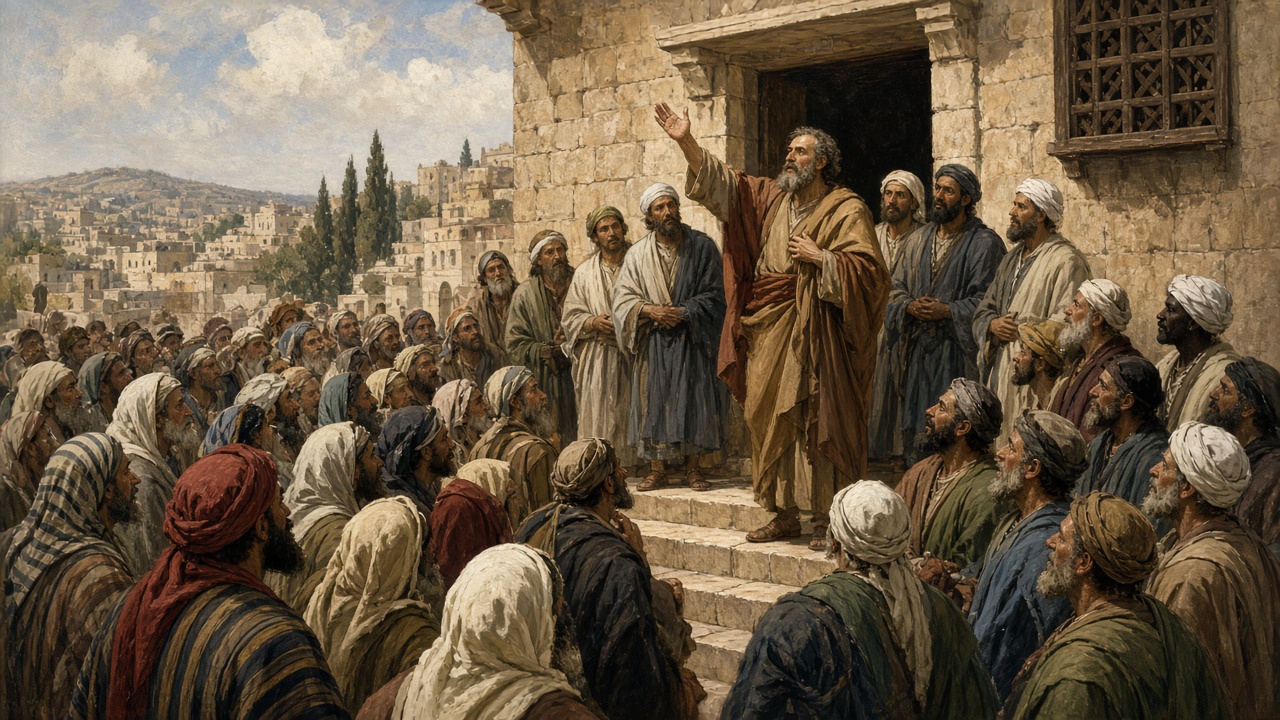
- God-fearing Jews from every nation under heaven were already living in Jerusalem when a sound like a mighty rushing wind came from heaven and filled the house, and the speakers began to declare God’s wonders in other languages. In this chapter, “Asia” is the Roman province of Proconsular Asia, in the western part of Asia Minor, whose capital was Ephesus—not the continent of that name. Pontus, along the southern coast of the Euxine Sea, was a Roman province in the apostles’ time and a resort of many Jews of the Dispersion; Cappadocia was the easternmost and largest province of Asia Minor.Sources: the Bible text itself · Asia · Pontus · Cappadocia
- The crowd was amazed that the speakers were Galileans. The one who stood with the Eleven and addressed them was Simon Peter, originally called Simon—that is, Simeon, meaning “hearing”—a fisherman from Bethsaida, on the western coast of the Sea of Galilee, whom his younger brother Andrew first brought to Jesus.Sources: the Bible text itself · Simon Peter
- Peter said this was what the prophet Joel had spoken. Joel, the second of the twelve minor prophets, was the son of Pethuel, and his personal history is known only from his book. Peter also quoted David, the eighth and youngest son of Jesse of Bethlehem, and told the crowd that this patriarch had died and been buried, and that his tomb was still with them in Jerusalem.Sources: the Bible text itself · Joel · David
Notes written with AI assistance from open sources (Theographic Bible Metadata, CC BY-SA 4.0; Easton’s Bible Dictionary, public domain) and reviewed before publishing.
Places in this chapter
- Jerusalem · 31.777, 35.234 · verses 5, 14
- Galilee · 32.760, 35.527 · verse 7
- Asia · 38.400, 28.300 · verse 9
- Cappadocia · 38.671, 34.839 · verse 9
- Judea · Today: Judea 1 · 31.777, 35.234 · verses 9, 14
- Mesopotamia · Today: Aram-naharaim · 36.864, 39.033 · verse 9
- Pontus · 40.680, 37.830 · verse 9
- Cyrene · 32.821, 21.851 · verse 10
- Egypt · 30.129, 31.308 · verse 10
- Libya · 32.821, 21.851 · verse 10
- Pamphylia · 37.000, 31.000 · verse 10
- Phrygia · 39.000, 31.000 · verse 10
- Rome · 41.892, 12.485 · verse 10
- Nazareth · 32.702, 35.298 · verse 22
Only places identified with high confidence are shown (90% or more according to the scholarly sources compiled by OpenBible). Period map: DARE (Digital Atlas of the Roman Empire), CC BY 4.0; modern map: © OpenStreetMap contributors; places: OpenBible.info (CC BY 4.0).
Credits and license for this translation
Ebe-No-Pfuasẹ Ishobọ Onogbọ
New Testament in Ivbie North-Okpela-Arhe (NI:atg:Ivbie North-Okpela-Arhe)
copyright © 2012 Wycliffe Bible Translators, Inc.
Language: Ivbie North-Okpela-Arhe
Translation by: Wycliffe Bible Translators, Inc.
Copyright Information
© 2012, Wycliffe Bible Translators, Inc. All rights reserved.
This translation text is made available to you under the
terms of the Creative Commons License: Attribution-Noncommercial-No Derivative Works.
( http://creativecommons.org/licenses/by-nc-nd/3.0/ )
In addition, you have permission to port the text to different file formats, as long as you
do not change any of the text or punctuation of the Bible.
You may share, copy, distribute, transmit, and extract portions
or quotations from this work, provided that you include the above copyright
information:
You must give Attribution to the work.
You do not sell this work for a profit.
You do not make any derivative works that change any of the actual words or punctuation of the Scriptures.
Permissions beyond the scope of this license may be
available if you contact
us with your request.
Printed book ISBN 9789789194797
The New Testament
in Ivbie North-Okpela-Arhe
© 2012, Wycliffe Bible Translators, Inc. All rights reserved.
This translation is made available to you under the terms of the
Creative Commons Attribution-Noncommercial-No Derivatives license 4.0.
You may share and redistribute this Bible translation or extracts from it in any format, provided that:
You include the above copyright and source information.
You do not sell this work for a profit.
You do not change any of the words or punctuation of the Scriptures.
Pictures included with Scriptures and other documents on this site are licensed just for use with those Scriptures and documents.
For other uses, please contact the respective copyright owners.
2019-08-09
Source: http://ebible.org/atgNT/ · eBible.org