Acts 10
Ebe-No-Pfuasẹ Ishobọ Onogbọ · Tap a verse to see its cross-references.
IKọnilusi ọ ghie ya lu iPita
1Ọmọse ọghuo ọ la ẹoli iSizeria ni a lu iKọnilusi. Ọ khi ọga ọyi ekhọli-okhuẹ eyi Itili. 2Lọli ali apfọli e khi ẹgbọ ni ẹ na ulishi Ẹshinẹgba. Ọ khi ọgbọ ni ọ pfo elemhi i somhi ẹgbọ ni ẹa mhuẹ opfa. Ọ gbo khi ọgbọ ni ọ sọ iromhi ẹghẹghẹ kpa. 3Ẹlẹghuo elemhi agogo esẹ ẹlẹ ọguota, ọ mẹ imẹ-alo, ọ mẹ khi agẹni ọyi Ẹshinẹgba ọ bhale ọ lu ọli, “IKọnilusi!”
4Ọ sọ alo ghue ọni agẹni, ulishi o mu ọli. Ọọ li, “Ọnọmhuẹ elọ o zẹ khi u bhale.”
Ọni agẹni ọọ li, “Iromhi eyẹ ni u wa sọ ali isomhopfa ni u wa somhi e she bhale deba Ẹshinẹgba, Ọ she mu egbe ni ọ rọ ya yele ẹ le. 5Memena nyanya ghie ẹgbọ je ẹoli iJopa ni e ya lu iSamọ ni a gbolo ẹ lu iPita, ni ọ bhale. 6Ọ kushi ayi iSamọ ni ọ ri ekuẹ elamhi ẹ gbe akanya. Oni owa oyọli o la epfẹ okẹ.”
7Abi ọni agẹni ọ rọ vu se, iKọnilusi ọ lu eni ẹ ga li etuava ali ọkhọli-okhuẹ ni ọ khi adogẹli ọyọli ni ọọ ga Ẹshinẹgba. 8IKọnilusi ọ gueyẹ wẹ emini a mẹ nya. Ọ ghie wẹ je obini iJopa.
Imẹ-alo ni iPita ọ mẹ
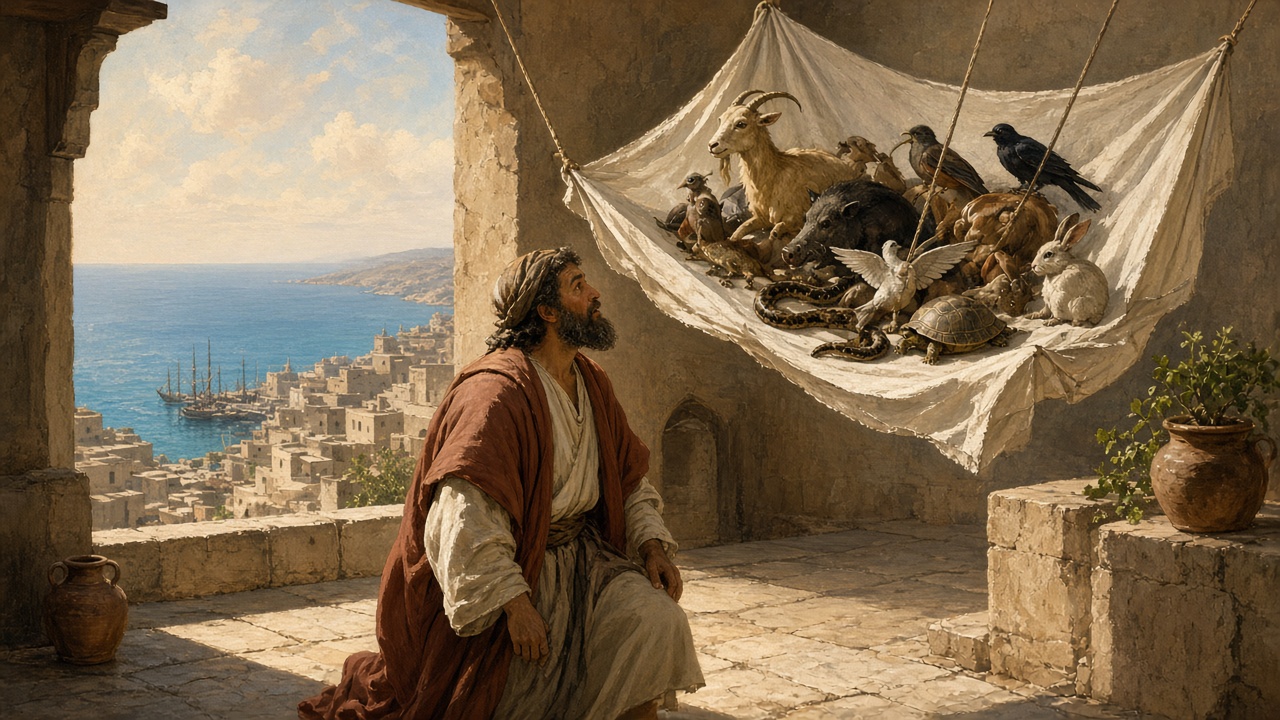
9Ogbeakọlọ khi itsotso ọguota o mu ekẹ, khi e lẹsẹ ri okiali ramhi epfepfẹ iJopa, iPita ọ nga owa atọnga ya sọ iromhi. 10Okiamhi oo gbe ọli. Ọọ nono emini ọ ya le. Abi a rọ ọ nye eminale ni ọ ya le, ọ mẹ imẹ-alo. 11Ọ mẹ khi emini e li abi ode ni o zẹ igo ene o rọte idane e tiemhile. 12Ighọ ọ mẹ khi iwali elamhakọ e laọ, ghe eni e zẹ awẹ ene ali eni ẹẹ tialọ idi ekẹ ali ipfeli. 13Ighọ uruli o ngme, ọọ li, “Vule iPita, gbe ni u le.”
14Ama iPita ọọ, “Iiye e, Ọnọmhuẹ! Mhia kpẹ tigbe le eminale ni ẹa pfuasẹ ni a ghuẹ ghue, a ti ẹ bia mhẹ.”
15Oni uruli o gbo nu ọli ngme, ọọ li, “Emini Ẹshinẹgba ọ da rọ khi oni o pfuasẹ se, khi ke lu ọli emini ọa pfuasẹ.”
16Itesẹ o lighọ mhẹsẹ abọ ri egbọli khasẹ neni a rue oni emhi nga idane.
17Abi iPita ọ kie li i sa ingme imẹ-alo ni ọ mẹ, emọse ni iKọnilusi ọ ghie usomhi, e nono owa oyi iSamọ mẹ. E migha odalo odẹ unuẹkpẹ oyi oni apfẹ. 18E lu mhila, “A mhọli ọpfẹse shi ana ni a lu iSamọ iPita?”
19Abi iPita ọ kiele khọkhọ emini oni imẹ-alo ona o ngme, Ayẹmhẹ ọ rọ gueyẹ ọli, “Ri esọ kpẹ emọse aasẹ ẹẹ nono ẹ. 20Nyanya mu egbe ni u deba wẹ vu, khi mhẹmhẹ mhi ghie wẹ.”
21Ighọ iPita ọ tiemhi deba wẹ, ọọ wẹ, “Mhẹmhẹ a nono, elọ e rẹ ẹ bhale?”
22Ẹẹ ọli, “Ọga ọyi ekhọli-okhuẹ ni a lu iKọnilusi ọ ghie anye ghi ẹ. Ọgbọ ọniẹmhi ni ẹgbọ iJu e mu ekpẹ a na ọ khi. Ọ gbo khi ọgbọ ni ọ pfuasẹ ni ọọ ga Ẹshinẹgba. Agẹni ọ gueyẹ oli ọ ghie ghi ẹ, u bhale owa oyọli, ni ọ suọ ingme ni u ya gueyẹ ọli.” 23Ighọ iPita ọ lu eni emọse lo owa oyọli, e gbhẹ aghọ ni ogbe o gbe.
IPita ọ la apfẹ oyi iKọnilusi
Ogbeakọlọ, lọli ali eni e miesuọ eghuo e rọte iJopa deba wẹ vu. 24Ogbeakọlọ, e lo elemhi ẹoli iSizeria le, ashini iKọnilusi ali apfọli ali egbegbi emọle ọli, e legba migha ẹ khẹ wẹ. 25Abi iPita ọ rọ ramhi aghọ, iKọnilusi ọ lo ọ li odẹ, ọ wugha, ọ nyẹsẹ ukhomhi tsẹ ọli. 26Ama iPita ọ mu ọli vule, ọọ li, “Vule khi ọgbọ ọnabi yẹyẹ mhi khi.”
27IPita ọ nu ọli ngme, ọ lo owa, ọ bhale ya ẹ ẹgbọ ni e bu shi aghọ. 28Ọọ wẹ, “Ẹẹ a she lẹsẹ khi eri Ishi eyi iMosisi ọọ ẹgbọ iJu e khi kugbe ẹgbọ iJẹta ọ, wẹkhi eri e kọ ya fẹli ọgbọ ni ọa khi iJu. Ama Ẹshinẹgba ọ rọli khasẹ mhẹ mhi khi leli ọgbọkhọghuo shi ọni ọa pfuasẹ ali ọni a ghuẹ. 29Irarighọ, abi u rọ ghie lu mhẹ, mhia mhọli akhọkhọmhẹ shi ọ. Elọ u mema lu mhẹ shi?”
30IKọnilusi ọọ li, “Amo o li ẹlẹ ene, ẹghẹghẹ agogo esẹ ọguota, mhi rọ la owa oyẹmhẹ ẹ sọ iromhi. Udemhija mhi mẹ khi ọmọse ọghuo ọ sọ itsua ni ẹẹ gẹ nyanyanya ọ migha mhẹ odalo. 31Ọọ li, ‘IKọnilusi, Ẹshinẹgba ọ she suọ iromhi eyẹ, ọ she gbo mẹ ikanya isomhelemhi ni u gbe ẹ deba ẹgbọ eni ẹa mhuẹ. 32Ghie ọgbọ ghi ọmọse ni a lu iSamọ iPita ni ọ la iJopa. Ọpfẹse ọ khi shi owa oyi iSamọ ni ọ ri ekuẹ ẹlamhi ẹ gbe akanya, ni ọ la epfẹ okẹ oku.’ 33Lọli mhi rọ ghie ọgbọ ghi ẹ pia. Oo guẹ ti, abi u bhale. Memena awa nya awa la odalo oyi Ẹshinẹgba ni anye suọ emini Ọnọmhuẹ o gueyẹ u gueyẹ anye.”
Ungmemhi ni iPita ọ ngme
34IPita ọọ, “Mhi she mẹ ọli mẹ khi igẹsikia o khi, khi Ẹshinẹgba ọa mhọli khi ọna ọ kpe ọli nẹ, 35ama ẹgbọ kpa ni e da a na ulishi oyi Ẹshinẹgba, ni e gbolo ẹ riẹlẹ emini o rọte odẹ, Ẹshinẹgba ọ kpe obọ ọọ mie. 36Ẹẹ a lẹsẹ usomhi ni ọ ghie ghi ẹgbọ iZirẹni, ni o khi usomhi onete oyi opfọmhẹ ni o rọte obọ oyi iJesu iKirisiti ni ọ khi Ọnọmhuẹ ọyi agbọ kpa bhale. 37Ẹẹ a lẹsẹ ingme ni a mẹ elemhi ekẹ iJudia nya, ni o rọte iGalili gbaekẹle, abi iJọni ọ́ rọ ọ tse abọ usomhi gueyẹ ẹgbọ, khi a mema batazi wẹ, 38abi Ẹshinẹgba ọ li ri Ayẹmhẹ-nọ-pfuasẹ ali ekpabọ kpha iJesu ọnge iNazarẹti sọ, ali abi ọ li i kiakia ashakpa riẹlẹ onete, ni ọ mie ẹgbọ pfuese obọ oyi ekpabọ eyi ọkphaghiẹ, itobọ khi Ẹshinẹgba ọ́ nu ọli la.
39“Anye ri ẹloe mẹ ikanya ni ọ gbe nya, elemhi ẹoli eyi ẹgbọ iJu ali iJerusalẹmu. Wẹwẹ e tali ma ọọra apfida gbe ọli-a. 40Ama ẹlẹ nuzi-esẹ, Ẹshinẹgba ọ rọte eghuli guise ọli le ni a mẹ ọli. 41Ọa khi ọgbọkpa ọ mẹ ọli, sẹẹ ni anye ni Ẹshinẹgba ọ she kpẹ zẹ, anye khi ọtsẹlẹ, anye ni anye nu ọli le eminale ni anye gbo nu ọli da abi ọ rọ rọte eghuli guale se. 42Ọ mhẹsẹ na anye, anye kia ke gueyẹ ẹgbọkpa ali anye gbo ke pfi ọtsẹlẹ shi ọ khi lọli iJesu, Ẹshinẹgba ọ zẹ, lọli khi ọsọ-ẹzọ ọyi eni e laọ ali eni e ghu-a. 43Emekẹguele nya e kpẹ ngme ungmemhi oyọli khi eni e da mie ọli suọ khi a ya gbe olamhẹ kua na wẹ, rọte ekpabọ ni o la eva oyọli.”
Ẹgbọ iJẹta e mie ayẹmhẹ ni ọ pfuasẹ
44Abi iPita ọ kie li i ngme, Ayẹmhẹ-nọ-pfuasẹ ọ tiemhile na ẹgbọ ni e suọ oni ungmemhi. 45Abọ e sha eni e miesuọ ni e shẹlẹ-a, ni e rọte ẹoli iJopa kphase iPita bhale aghọ, khi Ẹshinẹgba ọ li ri Ayẹmhẹ-nọ-pfuasẹ na ẹgbọ iJẹta. 46Irari khi e suọ khi e ngme ẹmuẹ ọdọda eyi Ayẹmhẹ nọ pfuasẹ, e kuẹghiẹ Ẹshinẹgba.
Ighọ iPita ọ ri irarighọ liẹ, 47“Ọgbọkhọghuo ọ dobẹ ya liẹ ọgbọ khi ri amẹ batazi ẹgbọ ena mena? E she li mie Ayẹmhẹ-nọ-pfuasẹ abi awa li mie ọli.” 48Ighọ iPita ọọ a ka ri eva oyi iJesu iKirisiti batazi wẹ. Ighọ e gueyẹ ọli ọ nu wẹwẹ la aghọ ikukumi ogbẹlẹ.
Did you know?
Peter and the Gentiles at Caesarea
- Caesarea, where Cornelius lived, lay on the Mediterranean coast, on the road from Tyre to Egypt, about seventy miles northwest of Jerusalem. Easton's Bible Dictionary (1897) says Herod the Great built it in 10 B.C. on the site of Strato's Tower and named it after Caesar Augustus. The same work calls it the capital of the Roman province of Judaea, the seat of the governors, and the great Gentile city of Palestine.Sources: Caesarea · the Bible text itself
- Cornelius was a centurion in what was called the Italian Regiment. He and all his household were devout and God-fearing; he gave generously to the people and prayed to God regularly. Easton's Bible Dictionary (1897) says that living in Caesarea probably brought him into contact with Jews and their expectations about the Messiah, and that he and his family were baptized.Sources: Cornelius · the Bible text itself
- Peter was staying in Joppa with Simon the tanner, a Christian whose house stood by the sea. Joppa, the chief seaport of Judea, lay on a sandy promontory between Caesarea and Gaza, about thirty miles northwest of Jerusalem. An event chronology dates Peter's meeting with Cornelius to AD 38.Sources: Simon the Tanner · Joppa · the Bible text itself · Peter meets Cornelius
Notes written with AI assistance from open sources (Theographic Bible Metadata, CC BY-SA 4.0; Easton’s Bible Dictionary, public domain) and reviewed before publishing.
Places in this chapter
- Caesarea · Today: Caesarea Maritima · 32.500, 34.892 · verses 1, 24
- Joppa · Today: Jaffa · 32.054, 34.753 · verses 5, 8, 23, 32
- Galilee · 32.760, 35.527 · verse 37
- Judea · Today: Judea 1 · 31.777, 35.234 · verses 37, 39
- Nazareth · 32.702, 35.298 · verse 38
- Jerusalem · 31.777, 35.234 · verse 39
Only places identified with high confidence are shown (90% or more according to the scholarly sources compiled by OpenBible). Period map: DARE (Digital Atlas of the Roman Empire), CC BY 4.0; modern map: © OpenStreetMap contributors; places: OpenBible.info (CC BY 4.0).
Credits and license for this translation
Ebe-No-Pfuasẹ Ishobọ Onogbọ
New Testament in Ivbie North-Okpela-Arhe (NI:atg:Ivbie North-Okpela-Arhe)
copyright © 2012 Wycliffe Bible Translators, Inc.
Language: Ivbie North-Okpela-Arhe
Translation by: Wycliffe Bible Translators, Inc.
Copyright Information
© 2012, Wycliffe Bible Translators, Inc. All rights reserved.
This translation text is made available to you under the
terms of the Creative Commons License: Attribution-Noncommercial-No Derivative Works.
( http://creativecommons.org/licenses/by-nc-nd/3.0/ )
In addition, you have permission to port the text to different file formats, as long as you
do not change any of the text or punctuation of the Bible.
You may share, copy, distribute, transmit, and extract portions
or quotations from this work, provided that you include the above copyright
information:
You must give Attribution to the work.
You do not sell this work for a profit.
You do not make any derivative works that change any of the actual words or punctuation of the Scriptures.
Permissions beyond the scope of this license may be
available if you contact
us with your request.
Printed book ISBN 9789789194797
The New Testament
in Ivbie North-Okpela-Arhe
© 2012, Wycliffe Bible Translators, Inc. All rights reserved.
This translation is made available to you under the terms of the
Creative Commons Attribution-Noncommercial-No Derivatives license 4.0.
You may share and redistribute this Bible translation or extracts from it in any format, provided that:
You include the above copyright and source information.
You do not sell this work for a profit.
You do not change any of the words or punctuation of the Scriptures.
Pictures included with Scriptures and other documents on this site are licensed just for use with those Scriptures and documents.
For other uses, please contact the respective copyright owners.
2019-08-09
Source: http://ebible.org/atgNT/ · eBible.org