Psalms 56
Cishingini Agwara Kambari [asg] · Tap a verse to see its cross-references.
Avasa a vuza na u zuwai ka̱ɗu u Ka̱shile
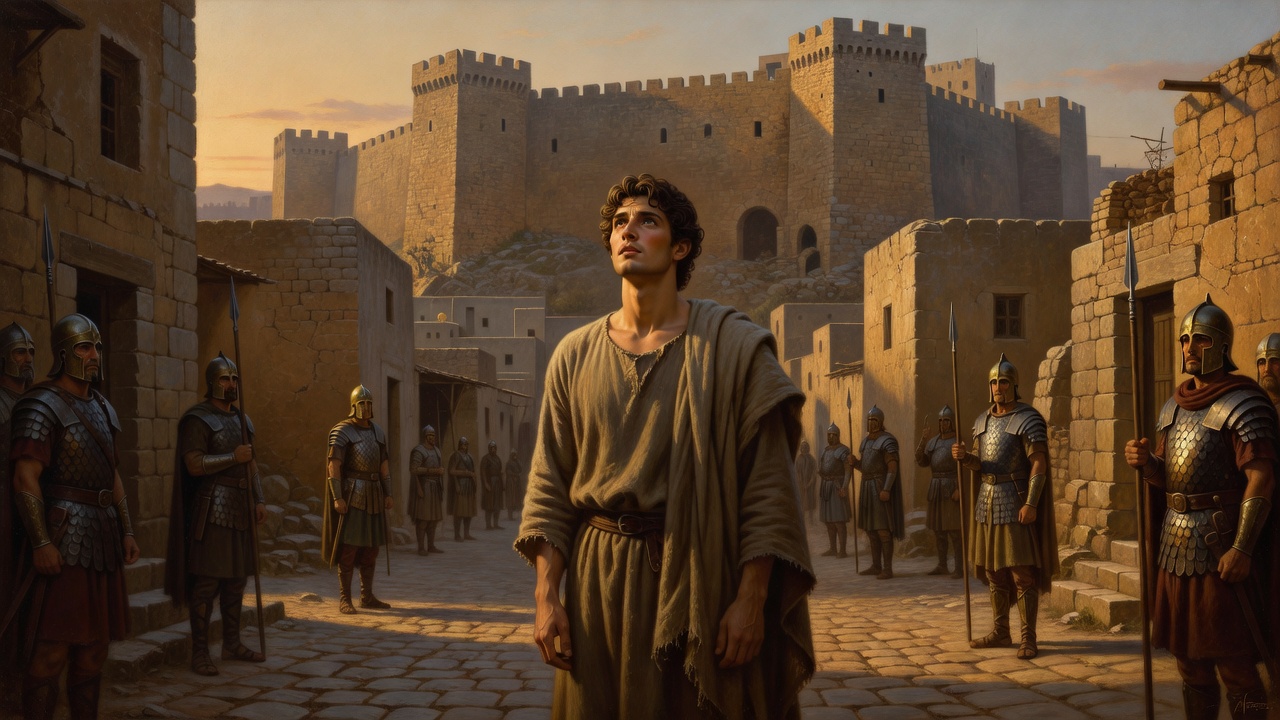
Kadanshi a kubana u vuza vu kelime vi ishipa: A yaꞋan vu ɗa n ka̱la̱ka̱tsu ko <<Moɗoi a gaɗi vu maɗanga ma Oku.>> Vishipa vu Dawuda. Ana aza a Filisitiya e remei ni a Gatu.
1Ka̱shile, pana asuvayali a̱ va̱,
adama a na uma a̱ tuka̱ mu ta̱ n kuvon,
irala i va̱ yi ta̱ a kutakacika mu kanna dem.
2Kanna dem irala i va̱ yi ta̱ a ku guva mu,
n ka̱bunda̱i ke le i ta̱ a̱ vishili nu mpa.
3Makyan ma na baci m panai wovon,
mi ta̱ a kuzuwa ka̱ɗu ka̱ va̱ wa̱ a̱ nu.
4N zuwa ta̱ ka̱ɗu ka̱ va̱ u Ka̱shile,
mi ta̱ a kucikpa uzuwakpani u ni.
wa̱ a̱ ni u ɗa n zuwai ka̱ɗu, mi a ku pana wovon ba.
Yiɗa̱i vuma vu lima̱ u kuyaꞋanka mu?
5Irala i va̱ i tsu oꞋuso mu ta̱ kanna dem,
makyan dem i ta̱ e kusheshe,
tsu na o kudoro mu.
6O tsu ɓolongu ta̱ u sokongi,
a ku inda nwalu n va̱,
a kuvana tsu na a ku una mu.
7Ka̱shile, ka̱ta̱ vu ka̱sukpa̱ le a laꞋaka a ka gbani-gbani ke le ba,
a wupa u nu una uduniyan u nampa.
8Ɗana una̱mgbuka̱tsuma̱ u va̱,
kece ka̱bunda̱i ka kujilya ka̱ va̱,
i a katagarda ka̱ nu ba?
9A kanna ka na baci n ɗekei nu,
irala i va̱ yi ta̱ o kubono n ka̱ca̱pa̱.
adama a na n yeve ta̱ Ka̱shile ki ta̱ koɓolo nu mpa.
10Ka̱shile, mi ta̱ a kucikpa kadanshi ka̱ nu,
Vuzavaguɗu, mi ta̱ a kucikpa kadanshi ka̱ nu.
11Ka̱shile, wa̱ nu u ɗa n zuwai ka̱ɗu,
mi tana a kupana wovon ba.
Yiɗa̱i vuma vu lima̱ u kuyaꞋan ka mu?
12Ka̱shile, mi ta̱ e kuneke wu ili i na n yaꞋin uzuwakpani.
mi ta̱ e kuneke wu kuneꞋe ku kucikpa.
13Adama a na vu wawa mu ta̱ a̱ ubuta̱ wu ukpa̱,
vu erei ene a̱ va̱ a̱ ubuta̱ u ma̱ta̱ɗa̱,
adama a na n wala e kelime ka̱ Ka̱shile,
a kutashi ku na ku tsu neke wuma.
Did you know?
Trusting God in Enemy Territory
- The superscription links this psalm to David when the Philistines seized him in Gath. Gath was one of the five royal cities of the Philistines and the hometown of Goliath, making David's flight there from King Saul particularly dangerous.Sources: the Bible text itself · Gath
- The psalmist uses vivid personal metaphors, asking God to collect his tears in a bottle and record his wanderings in a book, portraying divine awareness and care in times of distress.Sources: the Bible text itself
Notes written with AI assistance from open sources (Theographic Bible Metadata, CC BY-SA 4.0; Easton’s Bible Dictionary, public domain) and reviewed before publishing.
Credits and license for this translation
Cishingini Agwara Kambari [asg]
Cishingini: Cishingini Agwara Kambari [asg] (Bible)
copyright © 2025 Language Development and Translation Initiative (LDTI)
Language: (Cishingini)
Contributor: The Seed Company
This translation is made available to you under the terms of the
Creative Commons Attribution Share-Alike license 4.0.
You have permission to share and redistribute this Bible translation in any format and to make reasonable revisions and adaptations of this translation, provided that:
You include the above copyright and source information.
If you make any changes to the text, you must indicate that you did so in a way that makes it clear that the original licensor is not necessarily endorsing your changes.
If you redistribute this text, you must distribute your contributions under the same license as the original.
Pictures included with Scriptures and other documents on this site are licensed just for use with those Scriptures and documents.
For other uses, please contact the respective copyright owners.
Note that in addition to the rules above, revising and adapting God's Word involves a great responsibility to be true to God's Word. See Revelation 22:18-19.
2025-07-09
Source: http://ebible.org/asg/ · eBible.org