Proverbs 26
Cishingini Agwara Kambari [asg] · Tap a verse to see its cross-references.
1Uteku tsu mini mu uta̱ni a ayin a kpandari,
ta tsugbayin tsu kpa̱ɗi kugaꞋan n kalau nanai.
2Una̱wuya wi a kulya vuza babu unushi ba.
wi ta tsu nnu n na n tsu imkpa gaɗi,
an nwalu babu kucipa̱ iɗika.
3A yaꞋan ta̱ mashashau a dama majaki, iryangama kpamu adama odoku,
ama kalangu adama alau.
4Ka̱ta̱ vu ushuku kalau n kadanshi ka tsulau tsu ni ba,
ta lo va ta̱wa̱ vo okpo tsu ni.
5Ushuku kalau, derere n tsulau tsu ni,
ta lo wa ta̱wa̱ we ene ka̱cika̱ni vuza vu ugboji.
6Ya ba dem vu na u tsu neke kalau a kaka
u gbatya ta̱ njuvu n ene a̱ ni, kpamu ɗa u la̱nsa̱ka̱i kaci ka̱ ni atakaci.
7Uteku tsu na ene a ma̱kuta̱ i upinda̱ri
ta ansa i una̱ u kalau nannai,
8Uteku tsu na a tsu kpa̱ɗa̱ kushiya katali a ka̱vimgba̱tsu,
nanai ɗa feu a tsu kpa̱ɗa̱ ku neke kalau tsugbayin nannai.
9Ansa a una̱ u kalau,
i ta̱ tsu kawana a kukiye, ka na ko soꞋi ki a ku yaꞋanka ugulani.
10Uteku tsu katain ka na ka tsu yaꞋan matawuka babu ku zuwaka, ali ka̱ta̱ u yaꞋanka uma n a̱bunda̱i muna,
nannai ɗa vuza na u ɗikai kalau ulinga wi, ta feu vuza na u ɗikai ka̱ka̱ra̱shi wi nannai.
11Uteku tsu na meshe ma tsu shama ka̱ta̱ u bono u peɗe,
ta kalau ka tsu doku su tsulau tsu ni nannai.
12Vu ene baci vuza na we enei ka̱cika̱ni vuza vu ugboji ɗa,
kalau ki ta̱ n a̱pa̱ a na a laꞋi ni.
13Korogo ka tsu dana ta̱, <<Mi a̱ ku uta̱ ba, Kawu wi ta̱ lo uye.
Ka̱di ki ta̱ lo a uye u gbayin.>>
14Uteku tsu na ka̱kpa̱ga̱ ka tsu ka̱na̱ kukpatala n ko obonoi utsutsu,
ta korogo ka tsu ka̱na̱ ku baꞋinkpusa a kajiba ka̱ ni nannai.
15Korogo ka tsu uka ta̱ kukiye a mevene ma kusan,
ama ka̱ta̱ u kpa̱ɗa̱ kufuɗa ku banka una̱.
16Korogo ka ce ene ta̱ ka̱cika̱ni,
vuza vu ugboji ɗa ali u laꞋa uma e cindere usuɓi.
17A̱yi na u cinai vishili vu na vu burai ni ba ɗa u ukai una̱,
wita̱ tsu vuma na u tsu reme mesheꞋe a kutsuvu.
18Tsu kajarishi ka na ka tsuyaꞋan ugulani n akina n aya koɓolo n ukpa̱,
19ta a̱yi vuma na u doroi vutoku ni,
ɗa udanai, <<Ai, mpa ugulani u ɗa koci mi a kuyaꞋan.>>
20Nɗanga mi lo baci ba, ɗa akina a tsu kima̱,
kpamu vuza kuyun wi lo baci ba, vishili vu feu vu tsu kotso ta̱.
21Tsu na cikina tsu yongo n a̱ga̱ruwa̱shi usuɗukpi wa akina, n tsu na nɗanga kpamu n tsu yongo akina,
ta vuza kula̱nsa̱ ku vishili u tsu yongo nanai.
22Kadanshi ka vuza kuyun ci ilikulya yi uyoꞋo ɗa ki,
ka tsu laza ta̱, ka̱ta̱ ka uwa a ka̱tsuma̱ ki ikyamba.
23Una̱ wu uyoꞋo koɓolo n ka̱ɗu ka gbani-gbani,
ki ta̱ tsu mogbodo ma ciꞋin mana a paɗarai n azurufa.
24Vuza cisheꞋe u tsu sokongu ta̱ cisheꞋe tsu ni n una̱ wu uyo,
ama ka̱ɗu ka̱ni ki ta̱ ushani tukpa n ka gbani-gbani.
25A makyan ma na baci udansai kadanshi ka singai,
ka̱ ta̱ vu ushuku n a̱yi ba,
adama ana ka̱ɗu ka̱ ni tukpa ɗa ka ki n kusheshe ki ili yi unata.
26Ko ana wo okpoi wi ta̱ a kusokongu tsurala ci ni n ugboji,
ama ka gbani-gbani ka̱ ni ki ta̱ a̱ ku uta̱ e keteshe a̱ ka̱tsuma̱ ko oɓolo a u uma.
27Ya ba dem vu na u ga̱va̱i kpenle adama a ka gbani-gbani, wi ta̱ a ku yikpa̱ punu a ku ɗa,
a̱yi vuza na kpamu u gindalukpai katali, a̱yi ɗa ka ka ku tsugba.
28KayaꞋin ka uwa ka ci iwan ta̱ vuza na u yaꞋankai a uwa,
ka̱ta̱ vuza vu una̱ uyoꞋo tamkpamu u yaꞋan ta̱ koli.
Did you know?
Fools, Sluggards, and Strife
- Verses 4 and 5 offer seemingly contradictory instructions on whether to answer a fool. Taken together, these paired sayings demonstrate that practical wisdom involves discerning the context: engaging foolish arguments risks descending to the fool's level, while confronting folly can prevent self-delusion.Sources: the Bible text itself
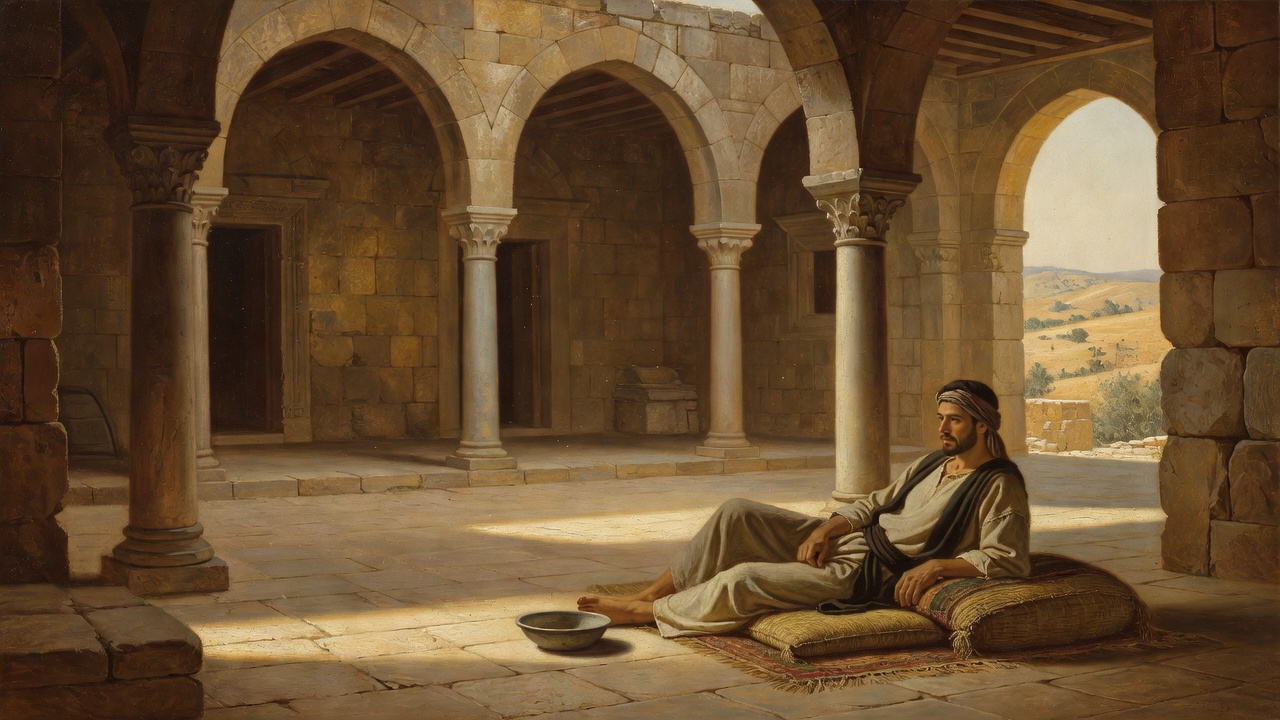
- The chapter uses vivid, humorous imagery to portray the sluggard. The lazy person invents wild excuses such as a lion roaming the streets, turns endlessly in bed like a door on its hinges, and finds it too exhausting even to lift a hand from a dish back to the mouth.Sources: the Bible text itself
- Proverbs 26 compares interpersonal conflict to a fire that depends entirely on fuel to keep burning. When gossip and talebearing are removed, strife naturally ceases, just as a fire dies out when it lacks wood or charcoal.Sources: the Bible text itself
Notes written with AI assistance from open sources (Theographic Bible Metadata, CC BY-SA 4.0; Easton’s Bible Dictionary, public domain) and reviewed before publishing.
Credits and license for this translation
Cishingini Agwara Kambari [asg]
Cishingini: Cishingini Agwara Kambari [asg] (Bible)
copyright © 2025 Language Development and Translation Initiative (LDTI)
Language: (Cishingini)
Contributor: The Seed Company
This translation is made available to you under the terms of the
Creative Commons Attribution Share-Alike license 4.0.
You have permission to share and redistribute this Bible translation in any format and to make reasonable revisions and adaptations of this translation, provided that:
You include the above copyright and source information.
If you make any changes to the text, you must indicate that you did so in a way that makes it clear that the original licensor is not necessarily endorsing your changes.
If you redistribute this text, you must distribute your contributions under the same license as the original.
Pictures included with Scriptures and other documents on this site are licensed just for use with those Scriptures and documents.
For other uses, please contact the respective copyright owners.
Note that in addition to the rules above, revising and adapting God's Word involves a great responsibility to be true to God's Word. See Revelation 22:18-19.
2025-07-09
Source: http://ebible.org/asg/ · eBible.org