Proverbs 10
Cishingini Agwara Kambari [asg] · Tap a verse to see its cross-references.
Ansa a Sulemanu
1Ansa a Sulemanu a ɗa na,
maku mu ugboji ma tsu zuwa ta̱ Dada ni ma̱za̱nga̱,
ama kalau ka maku, ili yu una̱mgbi u ka̱tsuma̱ i ɗa wa a̱na̱ku a̱ ni.
2Uciyi una o ɓolongi a uye u gbanigbani, u tsu neke i li ba,
ama ida̱shi yu usuɓi u tsu utuka̱ ta̱ vuma ukpa̱.
3Vuzavaguɗu wi a̱ kuka̱sukpa̱ vuza vu usuɓi a̱ ka̱tsuma̱ ka kambulu ba
ama u tsu sa̱nka̱ ta̱ kusheshe ka aza a gbani-gbani ku shana.
4Tsurogo tsu tsu zuwa ta̱ vuma unambi,
ama kuyaꞋan ku ulinga ku tsu tuka̱ ta̱ n uciyi.
5A̱yi na u ɓolongi ili i kashina n lyushi a̱yi ɗa vuza vu ugboji.
ama a̱yi na u latai a ayin a vikyaꞋa a̱yi ɗa vuza na u tsu tuka̱ n wono.
6Una̱singai wita̱ a kaci ka vuza vu usuɓi,
ama u vuza gbani-gbani u tsu sokongu ta̱ u kuna u vishili u ni.
7Kuciɓasa ku vuza vu usuɓi una̱singai u ɗa,
ama kula ku vuza gbani-gbani ki i ta̱ a̱ ku na̱mgba̱.
8Vuza vu ugboji, a̱yi ɗa u tsu ushuku n odoki,
ama vuza kadanshi ka tsulau wi ta̱ a̱ ku na̱mgba̱.
9Vuza na dem wi an nwalu a̱ ka̱tsuma̱ ku usuɓi, utsu yaꞋan ta̱ nwalu n ni m ma̱ta̱na̱.
ama vuza vu unambi usuɓi a tsu yeve yi ta̱.
10Vuza na u tsu reme ka mayun, u tsu tuka̱ ta̱ n atakaci,
ama vuza na udanshi kamayun utsu tuka̱ ta̱ m ma̱ta̱na̱
11Kadanshi ka vuza vu usuɓi ka̱shi ka̱ mini ma wuma maꞋa,
ama kadanshi ka vuza gbani-gbani ka tsu sokongu ta̱ u kuna u vishili u ni.
12Tsurala tsu zuwa ta̱ vishili,
ama ucigi u tsu cinukpa ta̱ nu unushi ra̱ka̱.
13Uma ugboji a tsu dansa ta̱ ka̱ ma̱riki,
ama uma a gbanigbani u gaꞋan ta̱ atakaci ka le.
14Vuza vu ugboji u tsu ɓolongu ta̱ ku yeve,
ama una̱ u kalau u tsu tuka̱ ta̱ nu u kpa̱.
15Udukuyan, mashilya maꞋa ma vuza vu uciyi,
ama unambi munuka maꞋa ma vu za vu unambi.
16Katsupu ka kuyaꞋan kasingai kaɗa wuma,
ama katsupu ka vuza vu unushi ka ɗa atakaci.
17A̱yi vuzana u tsu ushuku n ugbari n odoki, wi ta̱ a ku ciya̱ wuma,
ama a̱ yi vuzana u tsu inwan ugbari wi ta̱ a̱ kupuwa̱nka̱.
18Vuza na dem u tsu sokongu tsurala, kayaꞋin ka uwa kaꞋa,
vuzana kpamu dem u tsu la̱nga̱sa̱ ula uma kalau kaꞋa.
19Kadanshi ka yimkpa baci a̱ bunda̱i ɗa vuma u tsu ciya̱ unushi,
ama vuza vu ugboji ɗa baci vi, sai vu paɗa bini.
20Kadanshi ka vuza vu usuɓi, ki ta̱ an azurufa ana a zagbai,
ama ka̱ɗu ka vuza gbani-gbani ki nu ugaꞋin ba ko kenu.
21Kadanshi vuza vu usuɓi ku tsu lyaꞋatangu uma n a̱bunda̱i,
ama kalau ka tsu kuwa̱ ta̱ adama unambi wu usuɓi.
22Una̱singai u Vuzavaguɗu u tsu tuka̱ ta̱ n uciyi,
ama ka̱bunda̱i ku ulinga ko tsu doku uciyi ba.
23U kalau, kuyaꞋan ku ka gbani-gbani, ili yu ugulani u ɗai,
ama u vuza kuyeve, ugboji u tsu yokpo ta̱.
24I na vu za gbani-gbani wi o wovon, i ɗa i kuciya̱i
ama i na vuza vu usuɓi u cigai i ɗaɗa a ku ciya̱.
25Ayin a na baci kabatalikpau ka gbanigbani ka lazai, i o kudoku ku ene aza a gbanigbani ba,
ama vuza usuɓi u tsu shamgba ta̱ n utsura ali a kubana u teku.
26Ka̱ta̱ vu zuwa korogo ka yaꞋanka wu ili ba,
ta lo wa ko okpo wu tsu mini ma kalam a anga ko kpamu tsu ka̱nga̱ a̱ a̱shi a̱ nu.
27Wovon u Ka̱shile u tsu doku ta̱ wuma wu ugaɗi,
ama wuma u vuza gbani-gbani wi ta̱ gbati.
28A̱pa̱ a vuza vu usuɓi ma̱za̱nga̱ maꞋa,
ama a̱pa̱ aza vuza gbani-gbani a̱ tsu tuka̱ n ili ba.
29Uye u Vuzavaguɗu mashilya ma ku ere maꞋa u vuza vu usuɓi,
ama ili munuka i ɗa ubuta̱ wa aza kuyaꞋan ka gbani-gbani.
30Aza usuɓi i ta̱ a kuciya̱ ukanji ayin tutu,
ama a̱ ku ka̱sukpa̱ aza gbani-gbani iɗika ya ba.
31Aza usuɓi a tsu dansa ta̱ ugboji,
ama kelentsu kana ka tsu dansa a uwa ki ta̱ a kuyaꞋan ugbati.
32Kelentsu ka vuza vu usuɓi ka yeve ta̱ i na i gaꞋin,
ama una̱ u vuza gbani-gbani, wi ni yoku ba sai kadanshi ka gbani-gbani koci.
Did you know?
The Proverbs of Solomon and Practical Wisdom
- Chapter 10 marks the beginning of a collection directly attributed to King Solomon, transitioning from longer instructional poems to concise two-line maxims that contrast the ways of the righteous and the wicked.Sources: the Bible text itself · Solomon
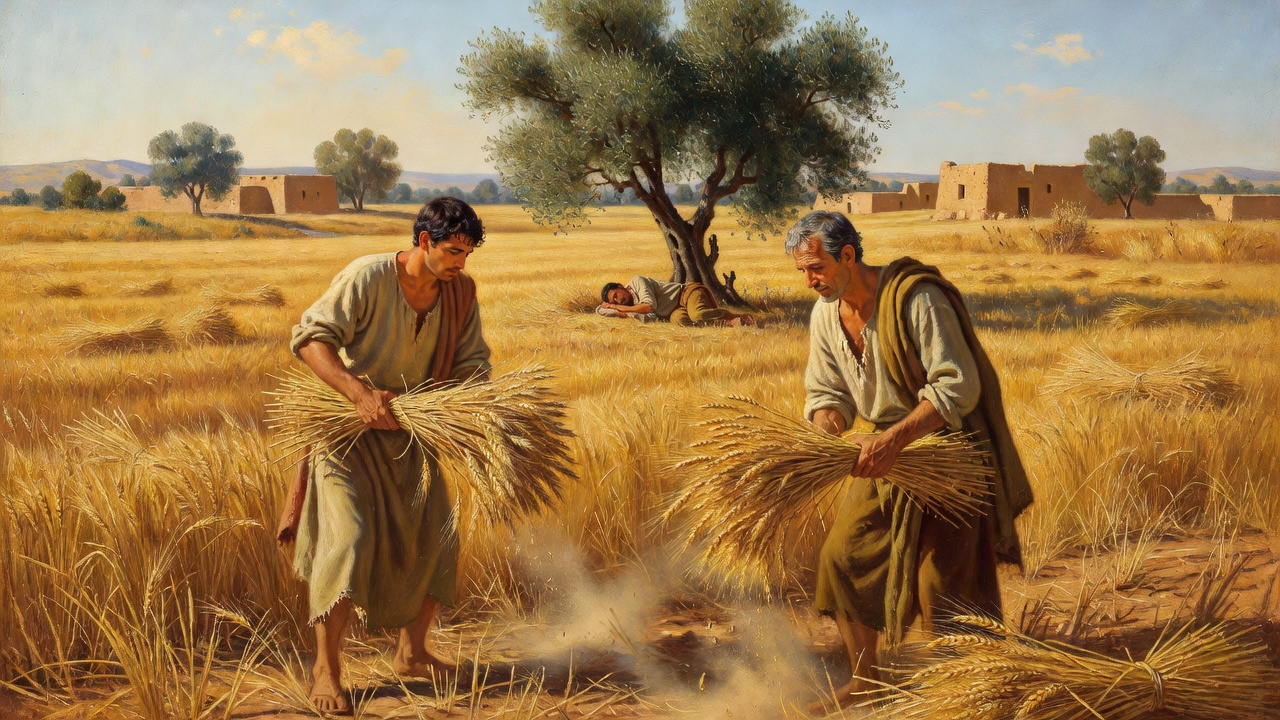
- Many sayings in this section draw from agrarian life, using the seasonal rhythm of summer gathering and harvest labor to illustrate how diligence leads to stability while laziness brings shame and poverty.Sources: the Bible text itself
- The chapter places a strong emphasis on speech, comparing the words of the wise to a fountain of life and choice silver, while warning that uncontrolled or deceitful speech brings strife and ruin.Sources: the Bible text itself
Notes written with AI assistance from open sources (Theographic Bible Metadata, CC BY-SA 4.0; Easton’s Bible Dictionary, public domain) and reviewed before publishing.
Credits and license for this translation
Cishingini Agwara Kambari [asg]
Cishingini: Cishingini Agwara Kambari [asg] (Bible)
copyright © 2025 Language Development and Translation Initiative (LDTI)
Language: (Cishingini)
Contributor: The Seed Company
This translation is made available to you under the terms of the
Creative Commons Attribution Share-Alike license 4.0.
You have permission to share and redistribute this Bible translation in any format and to make reasonable revisions and adaptations of this translation, provided that:
You include the above copyright and source information.
If you make any changes to the text, you must indicate that you did so in a way that makes it clear that the original licensor is not necessarily endorsing your changes.
If you redistribute this text, you must distribute your contributions under the same license as the original.
Pictures included with Scriptures and other documents on this site are licensed just for use with those Scriptures and documents.
For other uses, please contact the respective copyright owners.
Note that in addition to the rules above, revising and adapting God's Word involves a great responsibility to be true to God's Word. See Revelation 22:18-19.
2025-07-09
Source: http://ebible.org/asg/ · eBible.org