Leviticus 21
Cishingini Agwara Kambari [asg] · Tap a verse to see its cross-references.
Wila̱ adama a anan Ganu
1Vuzavaguɗu u danai Musa, <<YaꞋan kadanshi n anan ganu, olobo a Haruna, ka̱ta̱ vu dana le ka̱ta̱ ganu u uka ka̱ci ka̱ ni nshinda̱ adama a kusaꞋwa vuma vi ni vi yoku vu na vu kuwa̱i ba, 2sai ka̱kpisa̱ ka na ki vuza gbagu ni, a̱na̱ku ko esheku a̱ ni, kolobo ko mekere ma̱ ni, ko vuza ni, 3ko taku ni vu na ka̱ta̱ u yevei vali ba, ɗa kpamu katsura ka̱ ni ki wa̱ ni adama a na ka̱ta̱ wi n vali ba. 4Ka̱ta̱ wi ilukpa̱ ka̱ci ka̱ ni n vuma vu na wi vuza ni adama a kumaci ku yolo ku na ku ɓolongi le ba. 5Ka̱ta̱ anan ganu a puna a̱nji a aci e le, ko a lapula iga̱Ꞌin yi ntsa̱ka̱ n le, ko a ɗana ikyamba i le ba. 6Mayun ɗa o okpo ciɗa u Ka̱shila̱ ke le, kpamu ka̱ta̱ a̱ la̱nga̱sa̱ kula ku Ka̱shila̱ ku le ba. Adama a na ele ɗa e ci neke Vuzavaguɗu kuneꞋe ku na a kuyaꞋan n akina, ilikulya i Ka̱shile ke le. 7Ka̱ta̱ a zuwa a̱ma̱ci a na a̱ la̱nga̱shi ka̱ci ke le n tsugbani ba, ko kpamu a̱ ɗa̱nga̱i a̱ ubuta̱ u na ishi o yolo ba, adama a na anan ganu i ta̱ ciɗa a̱ ubuta̱ u Ka̱shile ke le. 8Ɗikai le aza ciɗa, adama a na a tsu lyuka ta̱ ilikulya u Ka̱shile ka̱ ɗa̱. Ɗikai le uma a ciɗa, adama a na mpa Vuzavaguɗu mi ta̱ ciɗa. Mpa ɗa vuza na u yaꞋin ɗa̱ ciɗa, vuza na u lyukai ɗa̱ ɗa u zagbai ɗa̱ kau, ci ili i ciɗa. 9Ɗa baci mekere ma ganu ma la̱nga̱shi ka̱ci ka̱ ni ɗa wo okpoi kashakanlai, u neke ta̱ dada vi ni wono, I ta̱ o kusongu yi a kina.
10<<Ganu gbayin, a̱yi na wi kelime n anan ganu a na a buwai, ali ɗa a sukumakai ni maniꞋin me kerengu a kaci, ɗa kpamu u ciya̱i utsura u kuꞋuka motogu ma tsuganu. Ka̱ta̱ u ka̱sukpa̱ ka̱nji ka̱ ni babu uza̱ɗukpi ba, ko kpamu u kara motogu ma̱ ni adama a̱ una̱mgbuka̱tsuma̱ ba. 11Ka̱ta̱ u uwa ubuta̱ u na ka̱kpisa̱ ki ba. Ka̱ta̱ u uka ka̱ci ka̱ ni nshinda̱ ba, ko esheku a̱ ni ko a̱na̱ku a ɗa baci a̱ kuwa̱i. 12Ka̱ta̱ u ka̱sukpa̱ A̱Ꞌisa̱ a̱ Ka̱shile u bana u la̱nga̱sa̱ ka̱ci ka̱ ni a̱ ubuta̱ u ka̱kpisa̱ ba, a̱yi wi ta̱ ciɗa adama a maniꞋin me kerengu ma̱ Ka̱shile ka̱ ni, ma na a sukumakai ni a kaci. Mpa ɗa Vuzavaguɗu. 13Vuka vu na ganu u kuzuwa, wo okpo mekere ma na ka̱ta̱ me yevei vali ba. 14Ka̱ta̱ u zuwa vuka vu na vali ni vu kuwa̱i ba, ko vuka vu na vu ɗa̱nga̱i o yolo, ko kpamu vuka vu na vu na̱mgba̱i n tsugbani ba. Ama mekere ma na me yevei vali ba, punu a kumaci ku ni ta na, 15adama a na ka̱ta̱ u la̱nga̱sa̱ ntsukaya n ni a̱ ka̱tsuma̱ ka kumaci ku ni ba. Mpa ɗa Vuzavaguɗu, vuza na u yaꞋin ni ciɗa.>>
16Vuzavaguɗu u yaꞋin kadanshi m Musa, 17<<Dana Haruna adama a ntsukaya n na n kuta̱wa̱, ka̱ta̱ vuza vu usa̱n u yawa ɗevu ka̱ta̱ u neke ilikulya u Ka̱shile ka̱ ni ba. 18Babu vuza vu usa̱n vu na u kuyawa ɗevu n alyuka ka̱ta̱ u lyuka, ko ka̱yimba̱, ko ma̱kutu, ko vuza vu nsa̱ga̱ɗu ko ma̱kutsuma̱. 19Babu vuza vu kune upinda̱ri ko kukiye feu, 20ko vuza vu kokondo, ko megejere kute, ko vuza vu mɓa̱la̱ n a̱shi, ko vuza na wi n iciri, ko n kajakata, ko vuza na a̱ uta̱ka̱i arawa. 21Babu kumaci ka aza a Haruna ganu ku na u kuyaꞋan n usa̱n u yawa ɗevu ali u neke kuneꞋe ku kusongu u Vuzavaguɗu. Adama a na wi ta̱ n usa̱n, ka̱ta̱ u yawa ɗevu u neke ilikulya u Ka̱shile ka̱ ni ba. 22Wi ta̱ a kufuɗa kulyaꞋa ilikulya i na i laꞋi n ciɗa i Ka̱shile ka̱ ni, koɓolo n kuneꞋe ku ciɗa ka feu, 23ko n nannai dem, adama a̱ usa̱n u na wi n u ɗa, ka̱ta̱ u yawa ɗevu n kakashi ku ubuta̱ u ciɗa, ko katalikalyuka ba, adama a na ka̱ta̱ wi ilukpa̱ ubuta̱ u ciɗa u va̱ ba. Mpa ɗa Vuzavaguɗu vuza na u bonokoi le ciɗa.>>
24Ɗa ta na Musa u danai Haruna n olobo ni koɓolo n aza a Isaraila ra̱ka̱.
Did you know?
Holiness and Requirements for the Priesthood
- Ordinary priests were permitted to mourn only for immediate blood relatives—parents, children, and unmarried siblings—whereas the high priest was strictly forbidden from defiling himself for any corpse, including his own parents, and could not tear his vestments in grief.Sources: the Bible text itself
- While regular priests were forbidden from marrying divorced women or prostitutes, the high priest faced an even stricter standard: he was permitted to marry only a virgin from his own people.Sources: the Bible text itself
- Descendants of Aaron with physical blemishes or injuries were disqualified from presenting fire offerings at the altar, but they were still fully permitted to share in and eat the holy and most holy food portions.Sources: the Bible text itself
Notes written with AI assistance from open sources (Theographic Bible Metadata, CC BY-SA 4.0; Easton’s Bible Dictionary, public domain) and reviewed before publishing.
Credits and license for this translation
Cishingini Agwara Kambari [asg]
Cishingini: Cishingini Agwara Kambari [asg] (Bible)
copyright © 2025 Language Development and Translation Initiative (LDTI)
Language: (Cishingini)
Contributor: The Seed Company
This translation is made available to you under the terms of the
Creative Commons Attribution Share-Alike license 4.0.
You have permission to share and redistribute this Bible translation in any format and to make reasonable revisions and adaptations of this translation, provided that:
You include the above copyright and source information.
If you make any changes to the text, you must indicate that you did so in a way that makes it clear that the original licensor is not necessarily endorsing your changes.
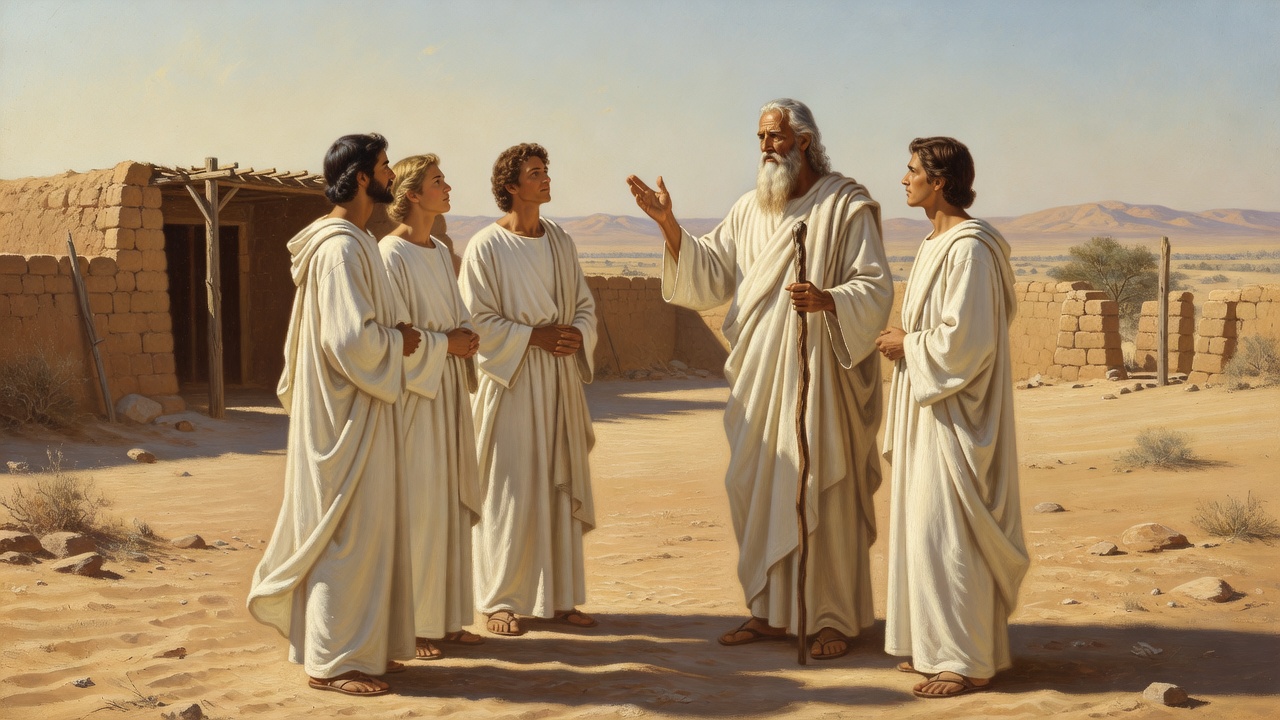
If you redistribute this text, you must distribute your contributions under the same license as the original.
Pictures included with Scriptures and other documents on this site are licensed just for use with those Scriptures and documents.
For other uses, please contact the respective copyright owners.
Note that in addition to the rules above, revising and adapting God's Word involves a great responsibility to be true to God's Word. See Revelation 22:18-19.
2025-07-09
Source: http://ebible.org/asg/ · eBible.org