Isaiah 29
Cishingini Agwara Kambari [asg] · Tap a verse to see its cross-references.
Ili ya atakaci a kubana a̱ likuci i Dawuda
1Ili ya atakaci i ɗa a kubana wa̱ nu, Ariyelu, Ariyelu,
likuci i na Dawuda u da̱sa̱ngi.
ka̱ya̱ dem
ɗa va kulyaꞋa kelime n kuyaꞋan ka̱ɗiva̱ ka̱ nu.
2N nannai dem mi ta̱ a̱ kutuka̱ Ariyelu
n atakaci, wi ta̱ a kuyaꞋan kpalu ka̱ta̱ u shika̱,
wi ta̱ o kokpo an katalikalyuka wa̱ va̱ upali nu mpasa.
3Mi ta̱ a kubanka likuci ya n kuvon,
n kambuku i ɗa ka̱ta̱ n shilika̱ n i ɗa,
mi ta̱ a kumaꞋa idasakpatsu i mashilya
adama a na m banka n kuvon.
4I ta̱ o kubonoko wu ka̱ca̱pa̱ punu a iɗika ka̱ta̱ vi yaꞋan kadanshi,
kadanshi ka̱ nu ki ta̱ a̱ kuzuɗa̱ punu a̱ kubuta̱.
Ka̱la̱ka̱tsu ka̱ nu ki ta̱ o kokpo tsu ka̱la̱ka̱tsu ka kafataluwa punu a iɗika,
ka̱la̱ka̱tsu ka̱ nu ki ta̱ o kuyongo e yemeni punu a̱ kubuta̱.
5Ama irala i nu n a̱bunda̱i yi ta̱ o kubono an kubuta̱ ku lenwu,
aza a na i a kutamba wu i ta̱ a kulaza an kopo ka na ko tsu tono wunla̱i.
Ki ta̱ a kuyaꞋan nannai gogoꞋo, babu uzuki
6Vuzavaguɗu MalaꞋimili wi ta̱ a̱ kuta̱wa̱
n akpanga n kugba̱ɗa̱ ki iɗika n kacaꞋa ka gbangam,
n wunla̱i wu utsura m melentsu ma akina ma na mi a̱ kukula̱.
7Ka̱ta̱ ka̱bunda̱i ka aduniyan ra̱ka̱ ka na ka̱ shilika̱i n Ariyelu,
koɓolo n aza a na a̱ shilika̱i n a̱yi ali n ubuta̱ wu utsura u ni dem ɗa a kambuki ni,
wi ta̱ o kokpo adanshi alatani a ɗa,
tsu kene ku na ku tsu ta̱wa̱ vuma n kayin.
8Tsu na vuza vu kambulu u ci yaꞋan alatani a na wi a kulyaꞋa ilikulyaꞋa,
ka̱ta̱ u ɗa̱nga̱ baci u cina kambulu ka ka buwa yi ta̱,
tsu vuza na wi a kupana kakuli u ci yaꞋan alatani a na wi o kusoꞋo mini,
ama ka̱ta̱ u jimgba u cina kakuli ka̱ ni a kulyaꞋa kelime n kutakacika yi.
Nannai ɗa ka kuyaꞋan n iɗika kakau n a̱bunda̱i
i na u shilika̱i n Kusan ku Sihiyona.
9YaꞋan tsulau ka̱ta̱ kpamu vi yaꞋan mereve,
lyaꞋa kelime n kubonoko ka̱ci ka̱ nu ka̱yimba̱.
Maka ka̱ci ka̱ nu n ili i yoku babu vu soꞋo ma̱ra̱,
okpo ga̱lu babu vu soꞋo i na i kumaka wu.
10Vuzavaguɗu u tuka̱ ɗa̱ ta̱ n alavu a na a̱ kuwa̱i.
U paɗarai a̱shi a̱ ɗa̱, a̱ɗa̱ eneki,
u palai aci a̱ ɗa̱, a̱ɗa̱ oboci.
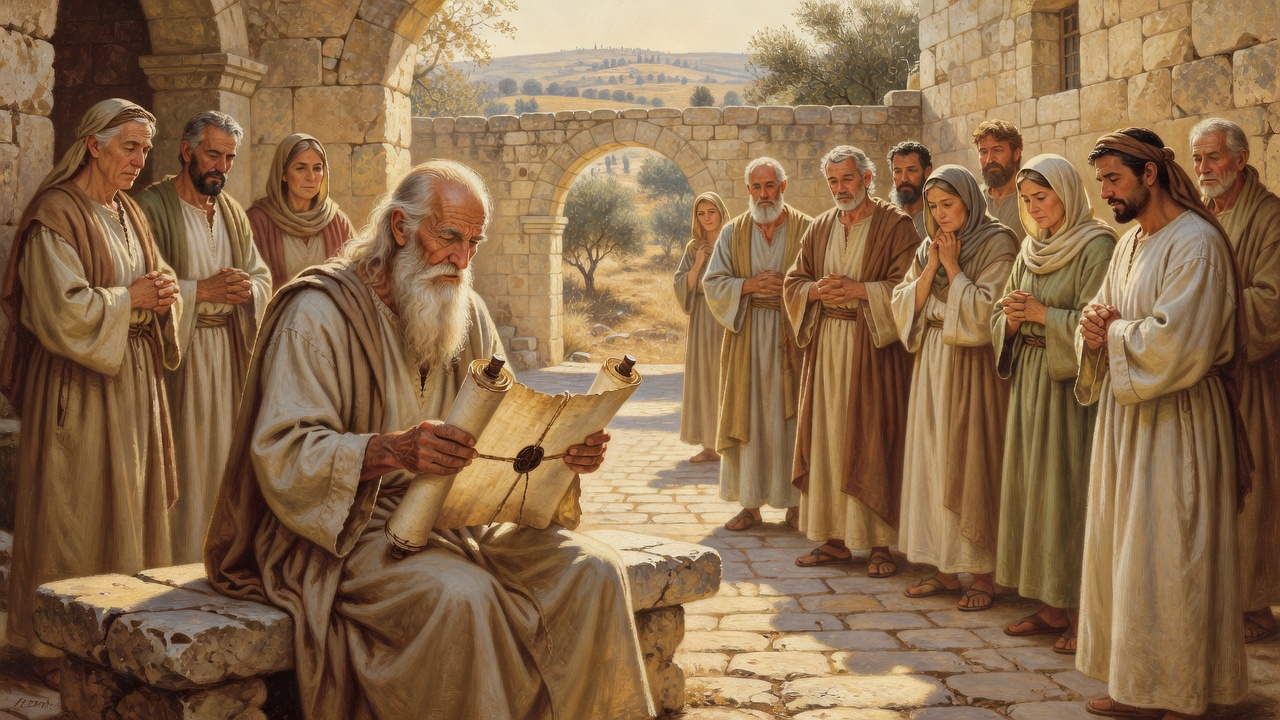
11Wa̱ nu kene ku nampa dem ili i ɗa ba, ama tsu kadanshi ka na ki u ɓa̱ya̱ngi a katagarda. Vu neke baci katagarda ka u vuza na u kufuɗa we kece, ɗa a danai ni, <<Adama a̱ Ka̱shile kece,>> wi ta̱ a̱ kushuku ka̱ta̱ u dana, <<Ma kufuɗa ba, ki ta̱ uɓa̱ya̱ngi.>> 12Ko vu neke baci katagarda ka u vuza na u yevei mekecu ba, ɗa vu danai, <<Adama a̱ Ka̱shile kece,>> wi ta̱ a̱ kushuku ka̱ta̱ u dana, <<N yeve mekecu ba.>>
13Ɗa Vuzavaguɗu u danai,
<<Uma a nampa a tsu dana ta̱ ele uma a̱ va̱ a ɗa i ama n una̱,
ka̱ta̱ kpamu e neke mu tsugbayin n una̱ koci,
ama punu a̱ a̱ɗu e le, i ta̱ daꞋin nu mpa.
Kucikpa ku na a ci yaꞋan a kubana wa̱ va̱,
kuta̱ ta̱ a̱ ubuta̱ u kuyotsongusu ku uma.
14Adama a nannai kpamu, mi ta̱ a kuyaꞋan ili i mereve n uma a nampa,
ili i mereve kakau,
ka̱ta̱ kuyeve ka aza a ugboji e le ku na̱mgba̱,
ugboji wa aza a ugboji e le u kotso.>>
15Ili ya atakaci i ɗa a kubana wa aza a na o tsu sokongu
kuyeve ku le daꞋin adama a Vuzavaguɗu,
ele na a ci yaꞋan ulinga u le a̱ ka̱yimbi ka̱ta̱ e sheshe a dana,
<<Yayi we enei tsu? Yayi u kuyeve i na ci yaꞋin?>>
16I sabaꞋi ili ɗa i bonokoi i ɗa mavadai,
adanshi e sheshe ta̱ kamaꞋi ko mogbodo ko bono ciꞋin tsu kumaꞋa,
ili i na a yaꞋin va yi ta̱ a kudana yayi u yaꞋin mu,
<<A̱yi ɗa u yaꞋin mu ba>>?
Mogbodo mi ta̱ a kudana kamaꞋi ka,
<<U yeve ili ba>>?
17M megeshe kenu, Lebano wi ta̱ o kubono iɗika i tsuta̱,
ka̱ta̱ ubuta̱ u tsuta̱ u yotso an kakamba ba?
18A kanna ka nanlo kagulani ki ta̱ a kupana vuza yoku e kukece katagarda,
ka̱ta̱ ka̱yimba̱ kene
wo kudoku wo yongo a̱ ubuta̱ u ka̱yimbi ba.
19Aza a na o goyoi ka̱ci ke le i ta̱ a kuyaꞋan ma̱za̱nga̱ a̱ ubuta̱ u Vuzavaguɗu,
aza a unambi a yaꞋan ma̱za̱nga̱ adama a vuza Ciɗa vi Isaraila.
20Aza a ugbamukaci i ta̱ o kukotso,
aza a na a ci yaꞋan ulami i ta̱ o kukotso,
ka̱ta̱ aza a na a kiwanai n kuyaꞋan ku ukuna u wuya a yaꞋan wuni,
21aza a na n kadanshi ku una̱ koci a tsu zuwa vuma u yaꞋan unushi
i ta̱ a kaza vuza na wi n kadanshi ka mayun a̱ ubuta̱ wa afada,
koɓolo n aza a na a ci yaꞋan aꞋuwa adama a na a̱ la̱nga̱sa̱ aza a usuɓi.
22Adama a nannai ili i na Vuzavaguɗu vu na u shiba̱i Ibirahi u danai kpaꞋa ku Yakubu i ɗaɗa na,
<<Yakubu wo kudoku wa yaꞋan wono kpamu ba,
a̱shi a̱ ni o kudoku a runza ba.
23Makyan ma na baci we enei muku n ni,
adama a ulinga we ekiye u va̱,
i ta̱ a kuzuwa kula ku va̱ ku yongo ciɗa,
ka̱ta̱ o bonoko vuza Ciɗa vu kpaꞋa ku Yakubu wo okpo ciɗa kpamu.
I ta̱ a kushamgba n uneki u tsugbayin a kubana u Ka̱shile ka Yakubu.
24Ka̱ta̱ uma a na a̱ puwa̱nka̱i punu a̱ a̱ɗu e le o bono a̱ ciya̱ kuyeve,
aza a̱ ka̱sa̱la̱ kpamu i ta̱ a kisa odoki.>>
Did you know?
The Siege and Restoration of Ariel
- The name Ariel is used symbolically in this passage for Jerusalem, the city where King David once encamped. The term is also associated with an altar hearth for burnt offerings, picturing the city undergoing intense siege and distress before its sudden deliverance.Sources: Ariel · David · the Bible text itself
- Isaiah compares the spiritual insensibility of the people to a sealed scroll that the literate cannot open and the illiterate cannot read. He condemns those who reverse the natural order by acting as though the clay could question the potter who formed it.Sources: the Bible text itself
- The chapter promises a dramatic reversal in which the great mountain region of Lebanon becomes a fertile orchard. In that day, the descendants of Jacob and Abraham are promised understanding, joy, and justice as the blind see and the deaf hear.Sources: Lebanon · Abraham · Jacob (Israel) · the Bible text itself
Notes written with AI assistance from open sources (Theographic Bible Metadata, CC BY-SA 4.0; Easton’s Bible Dictionary, public domain) and reviewed before publishing.
Places in this chapter
- Ariel · Today: Jerusalem · 31.777, 35.234 · verses 1, 2, 7
- City of David · 31.774, 35.236 · verse 1
- Jerusalem · 31.777, 35.234 · verses 2, 3
- Mount Zion · 31.772, 35.229 · verse 8
- Lebanon · 33.540, 35.584 · verse 17
Only places identified with high confidence are shown (90% or more according to the scholarly sources compiled by OpenBible). Period map: DARE (Digital Atlas of the Roman Empire), CC BY 4.0; modern map: © OpenStreetMap contributors; places: OpenBible.info (CC BY 4.0).
Credits and license for this translation
Cishingini Agwara Kambari [asg]
Cishingini: Cishingini Agwara Kambari [asg] (Bible)
copyright © 2025 Language Development and Translation Initiative (LDTI)
Language: (Cishingini)
Contributor: The Seed Company
This translation is made available to you under the terms of the
Creative Commons Attribution Share-Alike license 4.0.
You have permission to share and redistribute this Bible translation in any format and to make reasonable revisions and adaptations of this translation, provided that:
You include the above copyright and source information.
If you make any changes to the text, you must indicate that you did so in a way that makes it clear that the original licensor is not necessarily endorsing your changes.
If you redistribute this text, you must distribute your contributions under the same license as the original.
Pictures included with Scriptures and other documents on this site are licensed just for use with those Scriptures and documents.
For other uses, please contact the respective copyright owners.
Note that in addition to the rules above, revising and adapting God's Word involves a great responsibility to be true to God's Word. See Revelation 22:18-19.
2025-07-09
Source: http://ebible.org/asg/ · eBible.org