Exodus 2
Cishingini Agwara Kambari [asg] · Tap a verse to see its cross-references.
Uteku tsu na a matsai Musa
1A̱ ka̱tsuma̱ ka ayin a nampa, vuza va aza e Levi vi yoku u zuwai mekere ma aza e Levi. 2Ɗa vuka va vi yaꞋin ka̱tsuma̱ ɗa u matsai maku mo kolobo. Ana we enei maku ma mi ta̱ n tsuloboi, ɗa u sokongi maꞋa ali wotoi u tatsu. 3Ama ana we enei wa kufuɗa wo doku wo foɓo yi ba, ɗa u la̱nsa̱i mabana mi ikiku, ɗaɗa u paɗarai maꞋa n cirupa̱ tsu kacimba n cirupa̱ tsu nɗanga. Ɗa u zuwai maku ma punu, ɗa u bankai maꞋa a̱ ka̱kina̱ ko Kuyene ku Nilu ɗa u zura̱ngi maꞋa a kajanu. 4Ɗa taku u shamgbai daꞋangi adama a na we ene ko yiɗa̱i i kulyaꞋa maku ma.
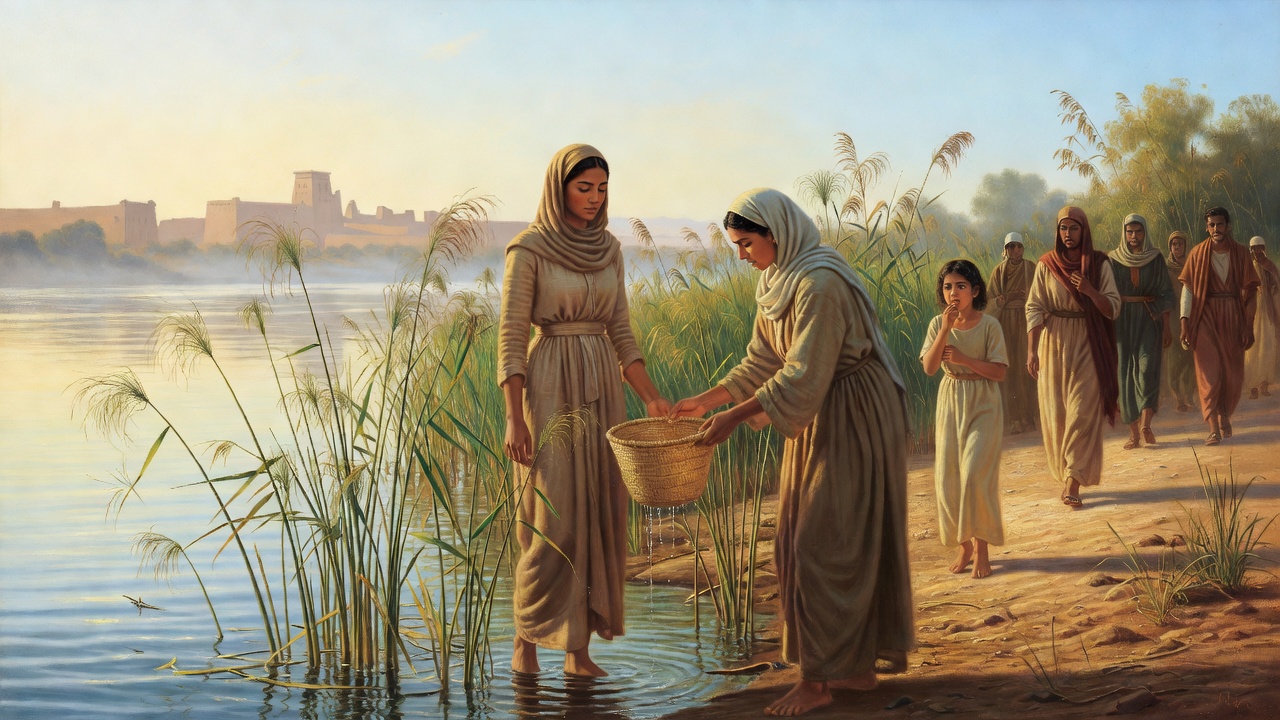
5Ɗa mekere ma FiriꞋauna ma banai kusumbu ɗe o Kuɗolu ku Nilu. Ana agbashi e nkere n ni i a̱ kuka̱ra̱Ꞌa̱sa̱ punu a̱ ka̱kina̱ ko kuɗolu ka, ɗa we enei mabana punu uzura̱ngi a̱ mita̱. Ɗa u suki kagbashi kete ka bana ka ɗikaka yi maꞋa. 6Ana u ɓa̱yuwa̱i maꞋa ɗa we enei mereɓu a̱ ma̱shi, ɗa u panai asuvayali a̱ ni, ɗa u danai, <<Na va maku ma aza a Ibirahi maꞋa.>>
7Ɗa taku va u yawai, ɗa we ecei ni, <<M bana n la̱nsa̱ka̱ wu vuka va aza a Ibirahi, vuza na u ku woꞋoko wu maku ma?>>
8Ɗa wu ushuki, <<E, bana.>> Ɗa u banai gogo lo, ɗa u la̱nsa̱i a̱na̱ku a maku a. 9Ana a̱na̱ku a maku a yawai, ɗa mekere ma FiriꞋauna ma danai ni, <<Ɗika mereɓu ma ka̱ta̱ vu woꞋoko mu maꞋa, ka̱ta̱ n tsupa wu.>> Ɗa ta na a̱na̱ku a a ɗikai maku ma ɗa o woꞋokoi ni maꞋa. 10Ana maku ma mo gbonguroi, ɗa u ɗikai ni u bankai mekere ma FiriꞋauna, ɗa wo okpoi maku ma̱ ni. Ɗa u neꞋi ni kula Musa, u danai, <<Adama a na mu uta̱ka̱ yi ta̱ a̱ mini.>>
Musa u sumai a kubana a Midiya
11Ana Musa u shanai utsura, kanna ke te wu uta̱i adama a na u bana we ene aza a̱ ni aza a Ibirahi. Ɗa u cinai le a kuyaꞋan ulinga wu utsura u tsugbashi. Ɗa kpamu we enei vuza va aza a Masar a kulapa vuza ni vuza va aza a Ibirahi. 12Ana Musa u la̱na̱i dem we ene lo vuza a kinda yi ba, ɗa wu unai vuza va aza a Masar va, ɗa u ciɗa̱ngi ni lo.
13Ana kayin ka asai, ɗa wu uta̱i kpamu, ɗa u banai ɗe, ɗa we enei aza a Ibirahi a̱ vishili a uteku u le. Ɗa we ecei vuza na ka̱ ni ka gaꞋin ba, <<Yiɗa̱i i zuwai ɗa vi a kulapa vuza nu?>>
14Ɗa u danai, <<Yayi u zuwai nu vo okpo mogono ma̱ tsu n kayaꞋin ka afada ka̱ tsu? Ko vi ta̱ a kuciga va kuna mu uteku tsu na vu unai vuza va aza a Masar na̱yin?>> Ɗa wovon u ka̱na̱i Musa, ɗa u danai, <<Ashe uma e yeve ta̱ ili i na n yaꞋin va.>>
15Ana FiriꞋauna u panai nannai, ɗa u la̱nsa̱i an wa kuna Musa. Ɗa Musa u sumai ɗa u banai ɗa u da̱sa̱ngi a iɗika i Midiya. Ana u yawai ɗe, ɗa u da̱sa̱ngi a̱ una̱ u kayinva. 16Ganu va aza a Midiya wi ta̱ ni nkere n cindere. Ɗa a banai kukenuku mini adama a na a shatangu okotsu a na e ci neꞋe ushiga we eshekpu e le mini. 17Ɗa nguɓi n yoku n yawai, ɗa o lokoi le. Ama ɗa Musa u ɗa̱nga̱i ɗa u ɓa̱nka̱i nkere ma, ɗa u ronoi mini u shatangi okotsu a, ɗa u neꞋi ushiga u le.
18Ana nkere ma m bonoi we eshekpu e le Reyuwe, ɗa we ecei le, <<Yiɗa̱i ɗa i bonoi gogoꞋo nannai anana?>>
19Ɗa a̱ ushuki, <<Vuza va aza a Masar vi yoku ɗa u ɓa̱nka̱i tsu e ekiye a nguɓi n nanlo ma. Ali ɗa u ronokoi tsu mini ma na ci neꞋi ushiga u tsu.>>
20Ɗa we ecei nkere n ni, <<Te ɗai vuza va wi? Yiɗa̱i i zuwai ɗa i ka̱sukpa̱i ni ɗe? Banai i ɗeke yi u ta̱wa̱ u lyaꞋa ilikulyaꞋa.>>
21Ɗa Musa wu ushuki kuyongo n vuma va. Ɗa ta na vuza va u nekei ni mekere Zipura ciya̱ wo okpo yi vuka. 22Ɗa Zipura u matsai maku mo kolobo, ɗa Musa u neꞋi ni kula Goshum, ɗaɗa, <<N yaꞋan ta̱ limoci a iɗika i pulai.>>
23A̱ya̱ n a̱bunda̱i a lazai, ɗa mogono ma Masar ma̱ kuwa̱i. Ama aza a Isaraila a buwa ta̱ a̱ yura̱ adama a atakaci a ugbashi e le, ɗa a lapai una̱. Ɗa malapa mu una̱ me le adama a̱ uɓa̱nki, ma banai a̱ Ka̱shile. 24Ɗa Ka̱shile ka panai yura̱ i le, adama a na u ciɓa ta̱ n uzuwakpani u ni n Ibirahi n Ishaku n Yakubu. 25Ɗa Ka̱shile ke enei atakaci a aza Isaraila, ɗa u panai asuvayali e le.
Did you know?
The birth and flight of Moses
- Pharaoh’s daughter named the child Moses, explaining that she had drawn him out of the water. Easton's Bible Dictionary (1897) links his name with “drawn,” or with the Egyptian word mesu, “son”—the element from which the dictionary also explains Rameses as “royal son.”Sources: the Bible text itself · Moses
- In Exodus 2 a daughter of Levi hides her son for three months, and Pharaoh’s daughter, finding him among the Nile reeds, recognizes a Hebrew child. Easton's Bible Dictionary (1897) links the Israelites’ affliction to “the new king who knew not Joseph,” long supposed to be Aahmes I, called Amosis by Josephus, though the dictionary, citing discoveries then recent, names Seti instead. Their hardship, it says, began after the Hyksos, masters of Egypt for some five centuries, were driven out and the old dynasty restored.Sources: the Bible text itself · Pharaoh
- After Pharaoh sought to kill him, Moses fled to Midian and sat down beside a well; he later married Zipporah, one of the seven daughters of the priest of Midian. The Midianites were nomadic Arabians descended from Midian, Abraham’s fourth son by Keturah, and they pastured their flocks in the Sinai peninsula and in the desert north of the Arabian peninsula. This chapter calls the priest Reuel, whom Easton's Bible Dictionary (1897) names Raguel, regarding that form as his personal name and Jethro—“excellency”—as an official title if the two are identified.Sources: the Bible text itself · Midian · Midian · Jethro
Notes written with AI assistance from open sources (Theographic Bible Metadata, CC BY-SA 4.0; Easton’s Bible Dictionary, public domain) and reviewed before publishing.
Places in this chapter
- Nile · Today: Nile River · 31.465, 30.367 · verses 3, 5
- Midian · 28.495, 35.012 · verses 15, 16
- Egypt · 30.129, 31.308 · verse 23
Only places identified with high confidence are shown (90% or more according to the scholarly sources compiled by OpenBible). Period map: DARE (Digital Atlas of the Roman Empire), CC BY 4.0; modern map: © OpenStreetMap contributors; places: OpenBible.info (CC BY 4.0).
Credits and license for this translation
Cishingini Agwara Kambari [asg]
Cishingini: Cishingini Agwara Kambari [asg] (Bible)
copyright © 2025 Language Development and Translation Initiative (LDTI)
Language: (Cishingini)
Contributor: The Seed Company
This translation is made available to you under the terms of the
Creative Commons Attribution Share-Alike license 4.0.
You have permission to share and redistribute this Bible translation in any format and to make reasonable revisions and adaptations of this translation, provided that:
You include the above copyright and source information.
If you make any changes to the text, you must indicate that you did so in a way that makes it clear that the original licensor is not necessarily endorsing your changes.
If you redistribute this text, you must distribute your contributions under the same license as the original.
Pictures included with Scriptures and other documents on this site are licensed just for use with those Scriptures and documents.
For other uses, please contact the respective copyright owners.
Note that in addition to the rules above, revising and adapting God's Word involves a great responsibility to be true to God's Word. See Revelation 22:18-19.
2025-07-09
Source: http://ebible.org/asg/ · eBible.org