Ecclesiastes 7
Cishingini Agwara Kambari [asg] · Tap a verse to see its cross-references.
CicoꞋo
1Kula ku singai ku laꞋa ta̱ maniꞋin ma̱ ma̱gula̱ni,
kpamu kanna ku ukpa̱ ka laꞋa ta̱ kanna ka limata.
2U laꞋa ta̱ n kugaꞋan a bana a kpaꞋa ku kpalu
an a kubana a kpaꞋa ku ka̱ɗiva̱,
adama a na ukpa̱ u ɗa ukocishi u yaba dem,
ka̱sukpa̱ vuza wuma ra̱ka̱ u zuwa i nampa ya a̱ ka̱ɗu ka̱ ni.
3Una̱mgbuka̱tsuma̱ u laꞋa ta̱ izoshi,
adama a na una̱mgbuka̱tsuma̱ u tsu tuka̱ ta̱ kulapulu a̱ ka̱ɗu.
4Ka̱ɗu ka vuza vu ugboji ko ci yongo ta̱ a̱ ubuta̱ u kpalu,
ama ka̱ɗu ka kalau ki ta̱ adama a kupana ku uyoꞋo.
5U laꞋa ta̱ n kugaꞋan vuma u pana uɓarangi vuza vu ugboji,
an wa kupana ishipa ya alau.
6Uteku tsu na maɗanga ma awana mi a̱ ku kula̱ e kenle,
ta i zoshi ya alau yi nannai.
Nava feu gbani ɗa.
7Ukuna u modoruko u tsu bonoko ta̱ vuza vu ugboji kalau,
kalyaꞋa kpamu ka̱ tsu la̱nga̱sa̱ ta̱ vuma.
8Ukocishi u kakuna u tsu laꞋa ta̱ ugiti,
uka̱ni u ka̱ɗu u laꞋa ta̱ a̱ra̱ɗi
9Ka̱ta̱ vu yaꞋan moloko ma kuna̱mgba̱ ka̱tsuma̱ ba,
adama a na kalau ka ko ci yongo a wupa.
10Ka̱ta̱ vu yaꞋan keci vu dana, <<Yiɗa̱i i zuwai ayin a cau, a laꞋi o gogo na?>>
Adama a na u gaꞋan uma a yaꞋan keci ku nanlo ba.
11Ugboji wi ta̱ n ugaꞋin, ci ili yi uka̱ni,
yi ta̱ n ugaꞋin wa aza a na enei kanna.
12Ugboji, u tsu ere ta̱ vuma,
tsu na ikebe i ci ere vuma,
ama ugaꞋin u kuyeve u ɗaɗa,
ugboji u tsu ɓa̱nka̱ ta̱ wuma u vuza na wi n u ɗa.
13La̱na̱i biꞋi ili i na Ka̱shile ka yaꞋin.
Yayi wa̱ kuba̱rukpa̱
ili i na u ka̱nza̱i?
14Ayin a gaꞋan baci, yaꞋan ma̱za̱nga̱,
ama ayin a̱ na̱mgba̱ baci ciɓa,
a na Ka̱shile kaꞋa ka yaꞋin ayin nampa,
a̱yi ɗa feu u yaꞋin a̱yi na ɗe.
Adama nannai, vuma wi a kufuɗa kuyeve
ili i na i kugita̱ e kelime ba.
15A ayin a wuma u gbani a̱ va̱ a nampa a, me ene ta̱ ili i nampa ya ra̱ka̱.
Vuza vu usuɓi a̱ ku kuwa̱ a̱ ka̱tsuma̱ ku usuɓi u ni,
vuza gbani-gbani u geshe o kuyongo n kawuya ka̱ ni.
16Ka̱ta̱ vu ɗika ka̱ci ka̱ nu vuza vu usuɓi ɗa vi ka̱u ba,
ko kpamu vuza vu ugboji ka̱u ba
ta baci nannai ba vi ta̱ a ku una ka̱ci ka̱ nu.
17Ka̱ta̱ vo okpo vuza kawuya ka̱u ba,
ka̱ta̱ tan feu vo okpo kalau ba
adama a̱ yiɗa̱i ɗa vi a̱ ku kuwa̱ babu ayin a̱ nu a yawa?
18Ugan ta̱ vu ushuku n ke te
a na va̱ ku ka̱sukpa̱ ka nan ɗe.
vuza na wi a kupana wovon u Ka̱shile
a̱yi ɗa u kufuɗa kutono ili i nampa ya ra̱ka̱.
19Ugboji u tsu zuwa ta̱ vuza vu ugboji u tsurakpa
u laꞋa aza o tsugono kupa a̱ likuci.
20Babu vuza vu usuɓi aduniyan
vuza na u ci yaꞋan ku usuɓi babu unushi.
21Ka̱ta̱ vu zuwa atsuvu a ili i na uma i a kadanshi ba,
ta baci nannai ba vi ta̱ a kupana agbashi a̱ nu a kushika wu,
22adama a na avu feu vu yeve ta̱ a ka̱ɗu ka̱ nu,
n a̱bunda̱i vu shika ta̱ uma.
23N kondoi ili i nampa ya ra̱ka̱ n ugboji u vu ɗa n danai,
<<N ciga ta̱ mo okpo vuza vu ugboji>>
ama ka nampa ka, ka laꞋa ta̱ u tsura u va̱.
24Kakuna ko cicoꞋo,
ki ta̱ n atakaci, ki kuyeve taci-taci ba,
yayi u kuyeve ili i na yi punu ra̱ka̱?
25Ɗa zuwai ka̱ci ka̱ va̱ adama a na n yeve,
adama a na n la̱na̱ ka̱ta̱ n la̱nsa̱ ugboji n tsu na a ci yaꞋan ili
ka̱ta̱ kpamu n yeve tsulau tsu ka gbani-gbani,
n ujari u tsulau.
26Ɗa n cinai ili i na i laꞋi ukpa̱ okono,
vuka vu na ka̱ɗu ka̱ ni ki maza maꞋa
vuza na ka̱ɗu ka̱ ni uganda u ɗa
ekiye a̱ ni kpamu ci ikani.
Vuma na u ci yaꞋan ili i na Ka̱shile ka tsu pana uyoꞋo, wi ta̱ a kulaꞋaka e ekiye a̱ ni,
ama vuza vu unushi u ku laꞋaka e ekiye a̱ ni ba.
27Malum ma danai, la̱na̱, ili i na me enei i ɗaɗa na.
M ɓolongu ta̱ ili i te n vutoku, adama a na n yeve tsu na o foɓusoi ili ra̱ka̱.
28mpa biꞋi a̱ ka̱tsuma̱ ka̱ kula̱nsa̱,
ama n ciya̱ ili i na mi a̱ kula̱nsa̱ va ba,
ɗa n ciya̱i vuma te ma̱riki a̱ ka̱tsuma̱ ka̱ ka̱kpa̱n.
ama a̱ ka̱tsuma̱ ka a̱ma̱ci ko vuza te.
29Na ɗa koci ili i na n yevei,
Ka̱shile ka yaꞋan ta̱ vuma n ka̱ɗu ke mejege,
ama ɗa uma a̱ ripula̱i ka̱ci ka̱ le okpoi aza a gbani-gbani.
Did you know?
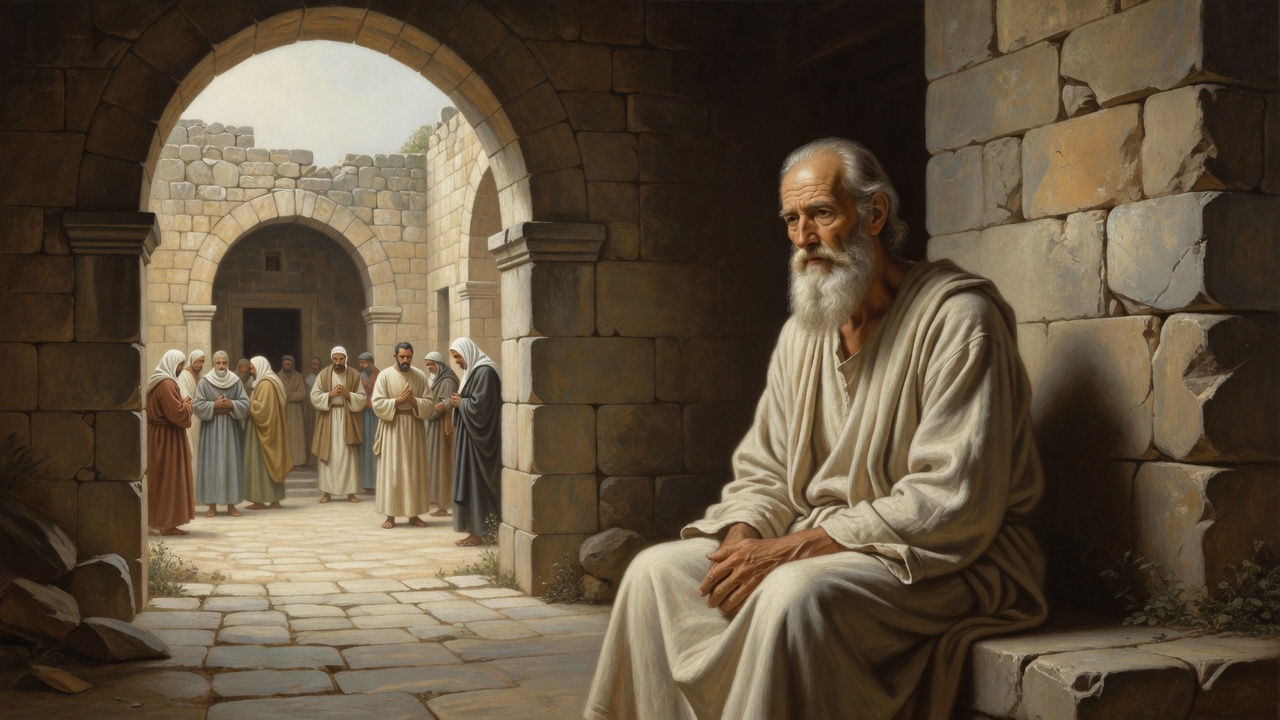
Wisdom, Mortality, and the Limits of Understanding
- Ecclesiastes 7 begins with a series of comparative proverbs arguing that moments of solemn reflection, such as visiting a house of mourning or facing sorrow, provide greater insight into life than superficial laughter and feast houses.Sources: the Bible text itself
- The Teacher reflects on the reality of human experience, noting that God has appointed both prosperous and adverse days so that humans cannot foresee their future, and that righteous people sometimes perish while the wicked live long.Sources: the Bible text itself
- The chapter highlights the universal limitation of human goodness, observing that there is no one on earth who does good and never sins, and concluding that while God created humanity upright, people pursue many complex schemes.Sources: the Bible text itself
Notes written with AI assistance from open sources (Theographic Bible Metadata, CC BY-SA 4.0; Easton’s Bible Dictionary, public domain) and reviewed before publishing.
Credits and license for this translation
Cishingini Agwara Kambari [asg]
Cishingini: Cishingini Agwara Kambari [asg] (Bible)
copyright © 2025 Language Development and Translation Initiative (LDTI)
Language: (Cishingini)
Contributor: The Seed Company
This translation is made available to you under the terms of the
Creative Commons Attribution Share-Alike license 4.0.
You have permission to share and redistribute this Bible translation in any format and to make reasonable revisions and adaptations of this translation, provided that:
You include the above copyright and source information.
If you make any changes to the text, you must indicate that you did so in a way that makes it clear that the original licensor is not necessarily endorsing your changes.
If you redistribute this text, you must distribute your contributions under the same license as the original.
Pictures included with Scriptures and other documents on this site are licensed just for use with those Scriptures and documents.
For other uses, please contact the respective copyright owners.
Note that in addition to the rules above, revising and adapting God's Word involves a great responsibility to be true to God's Word. See Revelation 22:18-19.
2025-07-09
Source: http://ebible.org/asg/ · eBible.org