Ecclesiastes 5
Cishingini Agwara Kambari [asg] · Tap a verse to see its cross-references.
Pana wovon u Ka̱shile
1Foɓongu ka̱ci ka̱ nu ayin a na baci vu banai a kpaꞋa ku Ka̱shile. U laꞋa ta̱ vu bana vu pana, an va kubanka n kuneꞋe tsu kalau, aza a na e yevei a na a̱ nusai ba.
2Sheshe biꞋi kafu vu dansa, Ka̱ta̱ vu yaꞋan moloko kadanshi ba, Ka̱shile ba.
Ka̱shile ki ta̱ gaɗi
avu tamkpamu na iɗika,
adama a nannai ka̱ta̱ vu dansa wuntsukpi.
3Ka̱bunda̱i ka kataci ka̱ tsu tuka̱ ta̱ n alatani,
ta feu nannai ka̱bunda̱i ka kadanshi ka̱ tsu tuka̱ ta̱ n tsulau.
4Ɗa baci vu yaꞋin uzuwakpani ɗa kucinai kuneke Ka̱shile ili, ka̱ta̱ vu geshe ba vu tsupa ili i na vu kucinai kuneke. Adama na a̱yi u tsu pana uyo wa a alau ba. tsupa i li i na vu kucinai kuneke. 5U laꞋa ta̱ n kugaꞋan vu kpa̱ɗa̱ ku kucina, an va kukpa̱ɗa̱ ku tsupa ili i na vu kucinai. 6Ka̱ta̱ vu ka̱sukpa̱ una̱ u nu u zuwa wu kunusa ba. Ka̱ta̱ kpamu vu dana kalingata ka̱ AꞋisa̱ a gbayin vu dana, <<Uzuwakpani u na vu yaꞋin va unushi u ɗa.>> Yiɗa̱i i zuwai Ka̱shile ki a wupa n kadanshi ka̱ nu ali u la̱nga̱sa̱ ulinga we ekiye a̱ nu? 7Ka̱bunda̱i ka alatani n kadanshi ka̱ a̱bunda̱i ili i gbani i ɗa. Adama nannai pana wovon u Ka̱shile.
Uciyi ili i gbani i ɗa
8Ɗa baci ve enei i a kutakacika vuza vu unambi a uɓon u yoku, i a kuyaꞋan usuɓi mejege ba, kpamu i ta̱ o modoruko ka̱ta̱ vu yaꞋan mereve ba, adama a na vuza kelime dem u tsu yongo ta̱ n vuzagbayin e kelime ka̱ ni. Kpamu e kelime ke le ra̱ka̱ i ta̱ ɗe n vuzana u laꞋi le kpamu. 9Yaba dem u tsu ci ciya̱ ta̱ ili i na iɗika ya i ci neke, ali m mogono feu, u tsu ciya̱ ta̱ i na ashina a matsai.
10Vuza na wi n ucigi ikebe dem, i ci yawa yi ba.
Vuza na u cigai uciyi n a̱bunda̱i u tsu ciya̱ tsu na u cigai ba.
Nava feu gbani ɗa.
11Tsu na uciyi u yimkpai,
ta feu aza a kulyaꞋa i nannai.
Yiɗa̱i uciyi wa u kudoku vuza vu ɗa,
ɗaɗa u zuwaka u ɗa a̱shi ba?
12Alavu a zamalinga o ci yokpo ta̱,
ko u lyaꞋa kenu ko n a̱bunda̱i,
ama ka̱bunda̱i ki ili i vuza vu uciyi
ka̱ tsu sa̱nka̱ yi ta̱ alavu.
13Me ene ta̱ ili i gbani-gbani yoku aduniyan.
Uciyi u na vuza vu u ɗa u foɓoi u zuwa yi ta̱ una̱mgbuka̱tsuma̱,
14ko ma̱da̱ka̱ ma̱ ka̱na̱ yi uciyi wa u na̱mgba̱,
ali wo okpo ayin na baci u ciya̱i maku
ka̱ta̱ u namba ili i na u ku ka̱sukpa̱ka̱ yi.
15Koshomboɗi ka vuma wu uta̱i a̱ ka̱tsuma̱ ka̱ a̱na̱ku a̱ ni,
ta feu wi o kubono nannai tsu na u ta̱wa̱i.
Ko ili wi a kuɗika ekiye a̱ ni
a̱ ka̱tsuma̱ ka kataci ka̱ ni,
a na u kuɓa̱na̱ ekiye a̱ ni.
16Nava feu ili i gbani-gbani i ɗa.
Tsu na vuma u ta̱wa̱i, ta u kubanaꞋa nannai,
yiɗa̱i u ciya̱i punu,
kataci kaꞋa o kutono wunla̱i.
17Wuma u ni ra̱ka̱ a̱ ka̱yimbi kaꞋa wi a kulyaꞋa ilikulya,
n ka̱bunda̱i ka atakaci n una̱mgbuka̱tsuma̱ n wupa.
18Ɗa n yevei, a na ugan ta̱ kpamu u yotso ta̱ vuma u lyaꞋa u soꞋo, u pana uyoꞋo u kataci ku ulinga u ni, a̱ ka̱tsuma̱ ka ayin a na Ka̱shile ke nekei ni aduniyan. Adama a na ɗaɗa upecu u ni. 19Vuza na baci Ka̱shile ke nekei udukuyan n uciyi, ɗa kpamu u nekei ni kofon u pana uyoꞋo wu u ɗa. Wu ushuki n upecu u ni, u yaꞋan ma̱za̱nga̱ a kataci ka̱ ni, kuneꞋe ku Ka̱shile ku ɗa. 20VicuꞋu vu vuma vu nanlo va u tsu ciɓa n ayin a wuma a̱ ni ba, adama a na Ka̱shile ka zuwa yi ta̱ u yongo m ma̱za̱nga̱ a̱ ka̱ɗu ka̱ ni.
Did you know?
Reverence, Justice, and the Limits of Wealth
- The author cautions against hasty speech in worship, reminding worshippers that God is in heaven while mortals are on earth. Vows made to God were considered serious commitments; the text warns that delaying or failing to fulfill a vow is foolish, making it better not to make a vow at all.Sources: the Bible text itself
- When addressing injustice and the oppression of the poor within a province, the author points to layered government bureaucracy, where each official is watched by a higher authority. Despite this administrative hierarchy, all tiers, including the king, ultimately depend on the produce of the fields.Sources: the Bible text itself
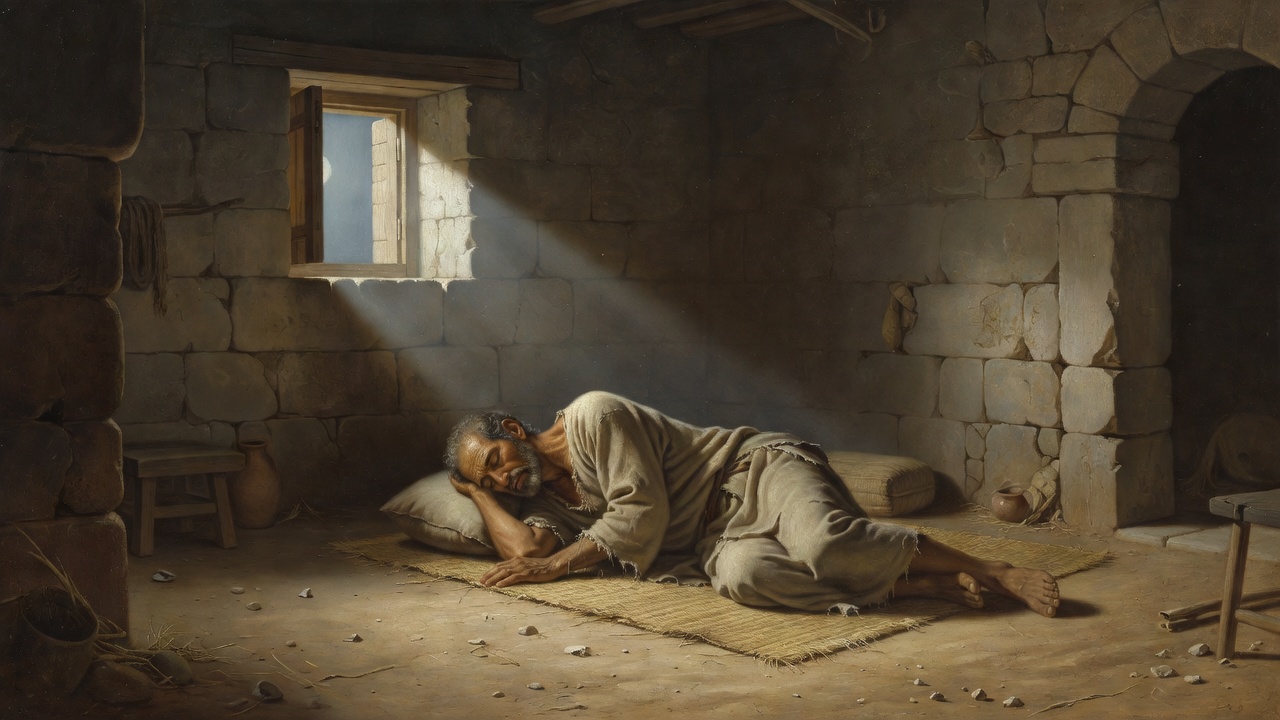
- The chapter contrasts the restless sleeplessness of the wealthy with the sweet sleep of a common laborer, noting that the pursuit of riches brings no lasting satisfaction. True contentment comes when a person accepts their lot and enjoys food, drink, and honest labor as gifts from God.Sources: the Bible text itself
Notes written with AI assistance from open sources (Theographic Bible Metadata, CC BY-SA 4.0; Easton’s Bible Dictionary, public domain) and reviewed before publishing.
Credits and license for this translation
Cishingini Agwara Kambari [asg]
Cishingini: Cishingini Agwara Kambari [asg] (Bible)
copyright © 2025 Language Development and Translation Initiative (LDTI)
Language: (Cishingini)
Contributor: The Seed Company
This translation is made available to you under the terms of the
Creative Commons Attribution Share-Alike license 4.0.
You have permission to share and redistribute this Bible translation in any format and to make reasonable revisions and adaptations of this translation, provided that:
You include the above copyright and source information.
If you make any changes to the text, you must indicate that you did so in a way that makes it clear that the original licensor is not necessarily endorsing your changes.
If you redistribute this text, you must distribute your contributions under the same license as the original.
Pictures included with Scriptures and other documents on this site are licensed just for use with those Scriptures and documents.
For other uses, please contact the respective copyright owners.
Note that in addition to the rules above, revising and adapting God's Word involves a great responsibility to be true to God's Word. See Revelation 22:18-19.
2025-07-09
Source: http://ebible.org/asg/ · eBible.org