Ecclesiastes 2
Cishingini Agwara Kambari [asg] · Tap a verse to see its cross-references.
Kupana ku uyoꞋo gbani ɗa
1Ɗa n danai ka̱ɗu ka̱ va̱,<<YaꞋan zuwai ka̱ci va̱ kulyaꞋa ku uyoꞋo, adama a na n yeve tsu na u ɗa wi.>>Ama ɗa n yevei na lo feu ukuna u gbani u ɗa. 2Ɗa n danai,<<Izoshi tsulau tsu ɗa, kpamu yiɗa̱i kupana kuyoꞋo ki a̱ kutuka̱?>> 3N sheshe ta̱ a̱ ka̱ɗu ka̱ va̱, tsu na n kulyaꞋa uyoꞋo n kusoꞋo ku ma̱kya̱n, mo oɓongi tsulau a makyan ma na mi a̱ kula̱nsa̱ ugboji. N cigai n ciya̱ uyoꞋo u na uma a̱ ci ciya̱ aduniyan a̱ ka̱tsuma̱ ka ayin a wuma e le.
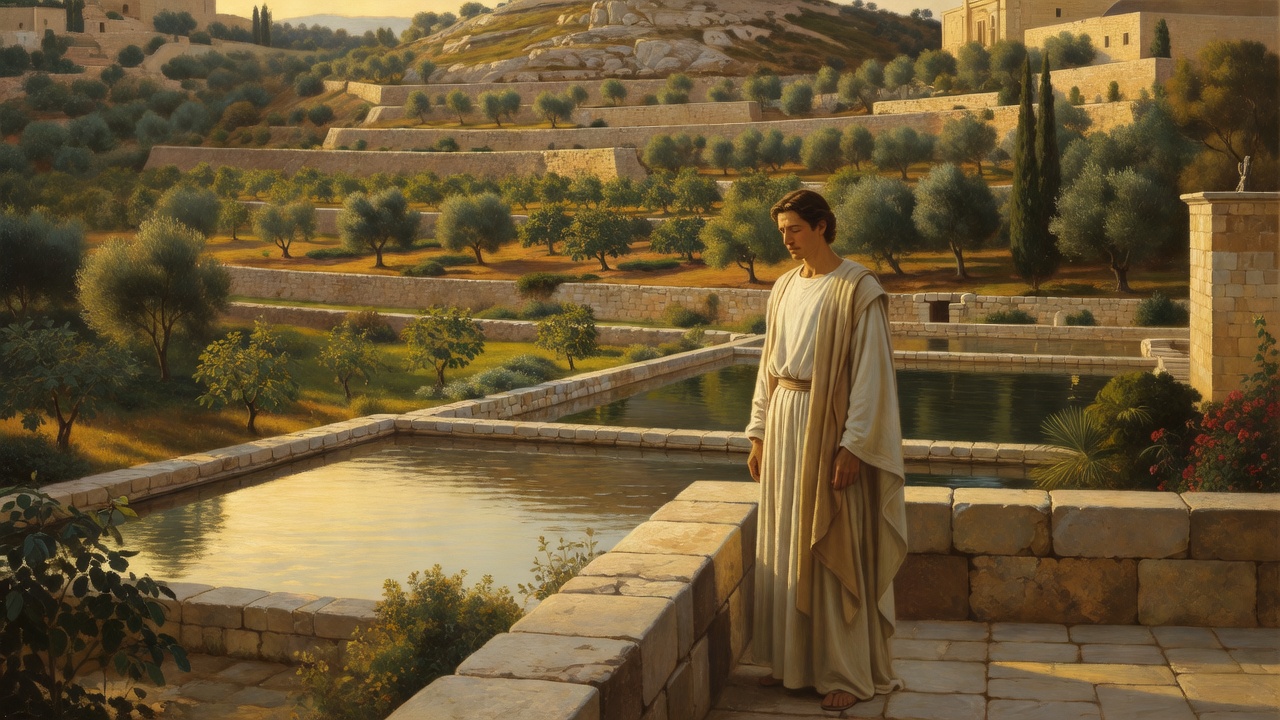
4Ɗa n yaꞋin ili i gbagbaꞋin, m maꞋakai ka̱ci ka̱ va̱ iꞋuwa, ɗa n ca̱Ꞌi ashina a itacishi. 5N cimbai a ashina n ubuta̱ u kuvuka, ɗa n ca̱Ꞌi icuꞋu yi nɗanga n tsu matsa kakau punu. 6Ɗa n ga̱va̱i ayivan, adama a na n tsunku nɗanga ma mini. 7Ɗa n tsulakai ka̱ci ka̱ va̱ agbashi ali n a̱ma̱ci, mi ta̱ kpamu m muku ma agbashi n na a matsakai mu a kpaꞋa ku va̱. Mi ta̱ n ushiga wa anaka n a̱bunda̱i, nu nkyon nu nraɗika n na n laꞋi aza a na n cinai punu a̱ ida̱shi a Urushelima. 8M ɓolonki ka̱ci ka̱va̱ azurufa n azanariya, mi ta̱ n kazuwi ku ucanuku u singai wu ngono n uɓon u tsugono tsu va̱. Ɗa n la̱nsa̱i aza a ishipa ali n a̱ma̱ci adama a na a yaꞋansaka mu ishipa, n ili i na i tsu zuwa kupana ku uyoꞋo, n a̱ma̱ci a pulai n a̱bunda̱i a na n zuwai. 9Ɗa mo okpoi vuzagbayin n laꞋi yaba dem vu na n cinai punu a̱ ida̱shi a Urushelima. Dem n nannai mpa n ugboji u va̱.
10N sa̱nka̱ a̱shi a̱ va̱ ili i na a cikalai dem ba,
n sa̱nka̱ ka̱ɗu ka̱ va̱ kupana uyoꞋo ba.
ka̱ɗu ka̱ va̱ ka pana ta̱ uyoꞋo wi ili ra̱ka̱ i na n yaꞋin,
na va̱ ɗaɗa katsupu ka kataci ka ulinga u va̱
11Ama a na n la̱na̱i ulinga u na n yaꞋin n ekiye a̱ va̱,
n ili i na n yaꞋin kataci adama a na n ciya̱,
ɗa me enei ili ya ra̱ka̱ gbani ɗa, yi ta̱ o kutono wunla̱i,
babu kodokpotsu ka na vi a̱ kuciya̱ aduniyan a nampa.
Ugboji n tsulau gbani ɗa
12Ɗa n sheshei adama a na m gbaɓa ugboji,
n ujari n tsulau.
Yiɗa̱i i buwai i na mogono ma na ma̱ kuta̱wa̱ ma kuyaꞋan,
i na mpa n yaꞋin ba?
13Ɗa me yevei ugboji u laꞋa ta̱ tsulau,
tsu na kutashi kulaꞋi ka̱yimbi.
14Vuza vu ugboji u tsu ene ta̱ ubuta̱ u na wi a kubana,
ama kalau ki ta̱ a nwalu a̱ ka̱yimbi tukpa̱m,
ama ɗa me enei ili i te i ɗa ra̱ka̱ i ci ciya̱ le.
15Ɗa n sheshei a̱ ka̱ɗu ka̱ va̱,
n danai,<<Ili i na i ciya̱i kalau, yi ta̱ feu a̱ kuciya̱ mu.
Nannai va yiɗa̱i n ciya̱i a na mo okpoi vuza vu ugboji?>>
Ɗa n danai ka̱ci ka̱ va̱,
<<Ili i nampa ya feu gbani ɗa.>>
16Adama a na vuza vu ugboji va n kalau ka, a kubana e megeshe a kuciɓa n e le ba,
a ayin a̱ kuta̱wa̱ ra̱ka̱ vu le i ta̱ a ku cinukpa n a̱ le.
Tsu na vuza vu ugboji u ku kuwa̱ ta feu kalau nannai.
Kataci gbani ɗa
17Ɗa n iwain wuma, adama a ili i na i a kuyaꞋan aduniyan yi ta̱ a̱ kula̱nga̱sa̱ mu ka̱ɗu. Ili ra̱ka̱ gbani ɗa, kutono ku wunla̱i ku ɗa koci. 18Ɗa n iwain ulinga u na n yaꞋin ra̱ka̱ aduniyan a nampa, adama a na mi ta̱ a̱ ku ka̱sukpa̱ i ɗa u vuza na wi a ku ta̱wa̱ ka̱ca̱pa̱ ka̱ va̱. 19Ya yi u yevei ko vuza na u ku ta̱wa̱ ka̱ca̱pa̱ ka̱ va̱ wi ta̱ ko okpo vuza vu ugboji ko kalau? Dem n nannai wi ta̱ a kulyaꞋa uka̱ni wu ulinga u na n yaꞋin kataci ka̱ kula̱nsa̱ a aduniyan. Nava feu gbani ɗa. 20Ɗa m takpai ka̱ɗu ka̱ va̱ a ulinga u na n yaꞋin a aduniyan a nampa ra̱ka̱. 21Adama a na vuza wi ta̱ a kuyaꞋan ulinga n ugboji n kuyeve, n kufuɗa ku ni, n nannai dem ka̱ta̱ u ka̱sukpa̱ vuza yoku vuza na u takacikai kula̱nsa̱ ba. Nava feu gbani ɗa n ili i gbani-gbani. 22Yiɗa̱i vuma lima̱ u kuciya̱ a̱ ka̱tsuma̱ ku ulinga u na u yaꞋin, n kataci ka na u yaꞋin aduniyan? 23Adama a na ayin a̱ ni ra̱ka̱ kataci kaꞋa n una̱mgbuka̱tsuma̱, ko n kayin ka̱ɗu ka̱ ni ki a ivaꞋin ba. Nava feu gbani ɗa.
24Vuma wi lo n ili i na i laꞋi u lyaꞋa u soꞋo u pana uyoꞋo wu ulinga u ni ba. Na lo feu kuneꞋe ku Ka̱shile ku ɗa, 25adama a na n a̱yi ɗa baci ba, yayi u kulyaꞋa u soꞋo u pana uyoꞋo? 26Vuza na u zuwai Ka̱shile ma̱za̱nga̱, a̱yi ɗa Ka̱shile ka̱ tsu neke ugboji, n kuyeve koɓolo m ma̱za̱nga̱, ama u vuza vu unushi Ka̱shile ke ci neke yi ta̱ kataci ko kuɓolongu uciyi adama a na u neke vuza na u luwai Ka̱shile. Nava feu gbani ɗa, kutono ku wunla̱i ku ɗa koci.
Did you know?
The Search for Pleasure and Meaning
- The speaker in Ecclesiastes tests the value of wealth by undertaking massive building projects, planting vineyards and orchards, constructing reservoirs, and accumulating gold, silver, and servants, surpassing everyone who ruled in Jerusalem before him.Sources: the Bible text itself · Jerusalem
- Although wisdom is recognized as excelling folly just as light exceeds darkness, the author observes that both the wise and the foolish ultimately face the exact same fate of death and being forgotten.Sources: the Bible text itself
- Despite despairing over the futility of leaving hard-earned labor to an unknown successor, the chapter concludes that being able to eat, drink, and find joy in daily work is a gift from the hand of God.Sources: the Bible text itself
Notes written with AI assistance from open sources (Theographic Bible Metadata, CC BY-SA 4.0; Easton’s Bible Dictionary, public domain) and reviewed before publishing.
Places in this chapter
Only places identified with high confidence are shown (90% or more according to the scholarly sources compiled by OpenBible). Period map: DARE (Digital Atlas of the Roman Empire), CC BY 4.0; modern map: © OpenStreetMap contributors; places: OpenBible.info (CC BY 4.0).
Credits and license for this translation
Cishingini Agwara Kambari [asg]
Cishingini: Cishingini Agwara Kambari [asg] (Bible)
copyright © 2025 Language Development and Translation Initiative (LDTI)
Language: (Cishingini)
Contributor: The Seed Company
This translation is made available to you under the terms of the
Creative Commons Attribution Share-Alike license 4.0.
You have permission to share and redistribute this Bible translation in any format and to make reasonable revisions and adaptations of this translation, provided that:
You include the above copyright and source information.
If you make any changes to the text, you must indicate that you did so in a way that makes it clear that the original licensor is not necessarily endorsing your changes.
If you redistribute this text, you must distribute your contributions under the same license as the original.
Pictures included with Scriptures and other documents on this site are licensed just for use with those Scriptures and documents.
For other uses, please contact the respective copyright owners.
Note that in addition to the rules above, revising and adapting God's Word involves a great responsibility to be true to God's Word. See Revelation 22:18-19.
2025-07-09
Source: http://ebible.org/asg/ · eBible.org