Deuteronomy 8
Cishingini Agwara Kambari [asg] · Tap a verse to see its cross-references.
Ka̱ta̱ i cinukpa n Vuzavaguɗu ba
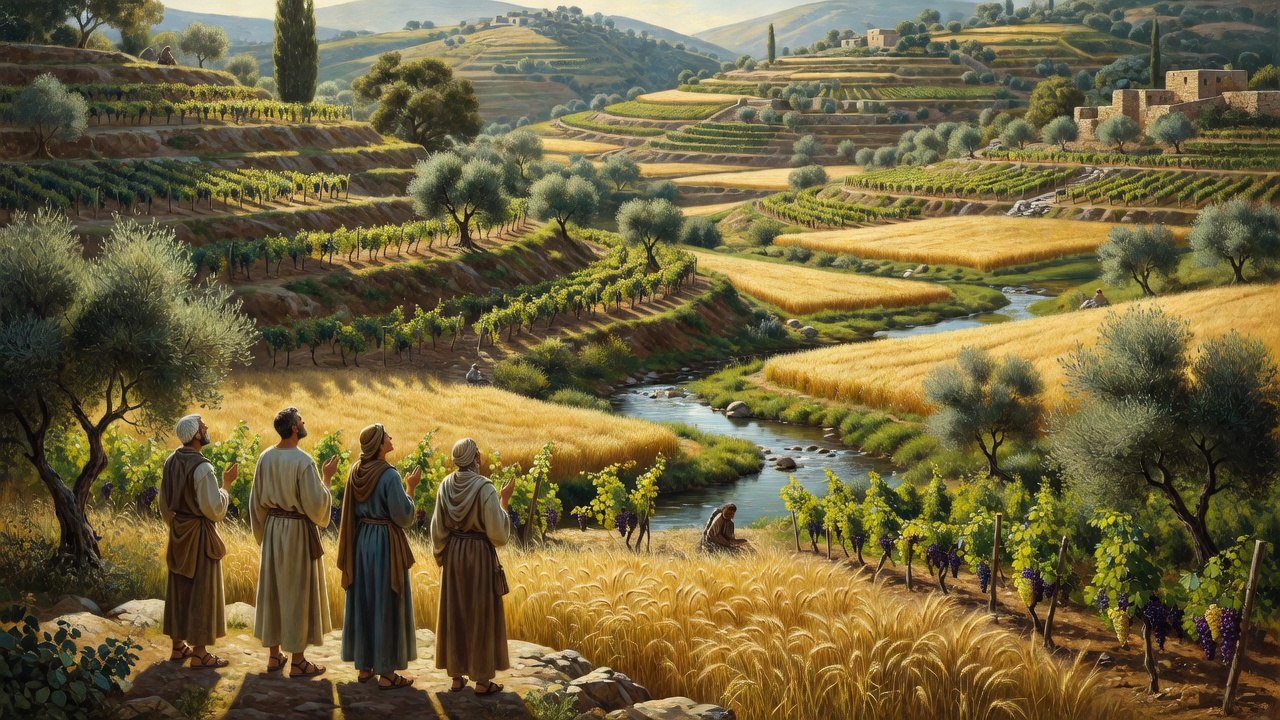
1<<Ka̱ta̱ i yaꞋan mayin, i tono wila̱ u na mi e kuneke ɗa̱ anana, adama na i ciya̱ wuma, ka̱ta̱ i yimkpa n ka̱bunda̱i, i uwa i lyaꞋa uka̱ni wi iɗika i na Vuzavaguɗu u kucinakai ikaya i ɗa̱. 2Ciɓai n uteku tsu na Vuzavaguɗu Ka̱shile ka̱ ɗa̱ ka guɓai ɗa̱ a uye wu nwalu e meremune a̱ ka̱tsuma̱ ka̱ a̱ya̱ amangere a nampa, adama na u goso ɗa̱ ka̱ta̱ u kondo ɗa̱ ciya̱ u yeve a̱ɗu a̱ ɗa̱, ko yi ta̱ o kutono wila̱ u ni ko yi o kutono ba. 3U gosoi ɗa̱, ɗa u ka̱sukpa̱i ɗa̱ n kambulu, ɗa u lyaꞋatangi ɗa̱ m mana, ilikulyaꞋa i na a̱ɗa̱ ko ishekpu i ɗa̱ i yevei ba, u yaꞋin nannai adama a na i yeve n ilikulyaꞋa i ɗa koci vuma u kuyaꞋan wuma ba, ama n kadanshi dem ka na kuta̱i a̱ una̱ u Vuzavaguɗu. 4A̱ ka̱tsuma̱ ka̱ a̱ya̱ amangere ka nwalu a nampa, ntogu n ɗa̱ mo oꞋwo ba, ene a̱ ɗa̱ feu a shitasa ba. 5Ka̱ta̱ i cinukpa ba, Vuzavaguɗu Ka̱shile ka̱ tsu ka gbara tsu ta̱, uteku tsu na kesheku ka tsu gbara muku n ni. 6Adama a nannai, tonoi wila̱ u Vuzavaguɗu Ka̱shile ka̱ ɗa̱ mayin, tonoi u ɗa uteku tsu na u cigai ɗa̱ i tono, ka̱ta̱ kpamu i pana wovon u ni. 7Adama a na Vuzavaguɗu Ka̱shile ka̱ ɗa̱ ki ta̱ a̱ kutuka̱ n a̱ɗa̱ a iɗika i singai, iɗika i na yi ni nyeneke nu nka̱riki m mini, n a̱shi a̱ mini a na i e kuyene a̱ a̱ra̱Ꞌa̱ nu nsasan, 8iɗika i na yi n alkama n itabi, n itacishi koɓolo nu nɗanga m ma̱biri, n ruman, iɗika i na yi nu nɗanga n zaitu n ishigi, 9iɗika i na ya kulyaꞋa ilikulyaꞋa ba̱ri babu kukotso, babu i na ya kunamba, iɗika i na atali a̱ ni iyum i ɗa. Yi ta̱ a kufuɗa ya̱ ga̱va̱ iyum i shili ɗe a nsansa ma. 10Ɗa baci i lyaꞋi ɗa i cuwa̱i, ka̱ta̱ i cikpa Vuzavaguɗu Ka̱shile ka̱ ɗa̱ adama a iɗika i singai i na u nekei ɗa̱.
11<<Ka̱ta̱ i yaꞋan mayin, ta lo ya ta̱wa̱ ya cinukpa n Vuzavaguɗu Ka̱shile ka̱ ɗa̱, ka̱ta̱ i iwan kutono kadanshi ka̱ ni n wila̱ n ili i kutono i na mi e kuneke ɗa̱ anana ba. 12Ayin a na baci i lyaꞋi ɗa i cuwa̱i ɗa i maꞋin iꞋuwa i singai-singai, ɗa i da̱sa̱ngi punu a i ɗa, 13ɗa baci ushiga wi ilikuzuwa i ɗa̱ nlala n anaka a yimkpai, ɗa azanariya n azurufa a̱ ɗa̱, n ili ra̱ka̱ i na yi n i ɗa i yimkpai n ka̱bunda̱i, 14ta lo ya yaꞋan a̱ra̱ɗi ka̱ta̱ i cinukpa n Vuzavaguɗu Ka̱shile ka̱ ɗa̱ ka na ka̱ uta̱ka̱i ɗa̱ a iɗika i Masar, iɗika i tsugbashi, 15vuza na u guɓai ɗa̱ punu e meremune ma gbayin ma̱ ka̱rikpa̱ni, a iɗika i kakuli i babu mini, tukpa n oko a gbani-gbani n adyaɓu. Ɗa u nekei ɗa̱ mini a katali ku ugbami, 16Ɗa u nekei ɗa̱ mana i lyaꞋi e meremune, ili na ikaya i ɗa̱ i saꞋwai kuyeve ba, adama na u goso ɗa̱ ka̱ta̱ u kondo ɗa̱, ciya̱ a̱ kuta̱wa̱ ukocishi, u gaꞋan ɗa̱. 17Ka̱ta̱ i ta̱wa̱ i sheshe i dana, <N ugboji u va̱ u ɗa koɓolo n utsura we ekiye u va̱, ɗaɗa n ciya̱i uciyi u nampa.> 18Ama ka̱ta̱ i ciɓa n Vuzavaguɗu Ka̱shile ka̱ ɗa̱, adama na a̱yi ɗa vuza na u nekei ɗa̱ utsura u kuciya̱ uciyi, uteku tsu nampa, ɗa u shatangi uzuwakpani u na u kucinakai ikaya i ɗa̱, tsu na ka ki anana. 19Ɗa baci ali ɗa i cinukpai n Vuzavaguɗu Ka̱shile ka̱ ɗa̱, ɗa i tonoi a̱ma̱li o yoku ali i kuɗa̱ngi ɗa i cikpai le, to anana n dana ɗa̱ mayun i ta̱ a ku una ɗa̱. 20Uteku tsu uduniyan a na Vuzavaguɗu wu unai e kelime ka̱ ɗa̱, nannai ɗa a̱ɗa̱ feu a kuna ɗa̱ adama na a iwan ta̱ kutono wila̱ u Vuzavaguɗu Ka̱shile ka̱ ɗa̱.
Did you know?
Remembering God in the Good Land
- Moses reminded the Israelites of their forty years of wandering in a harsh wilderness filled with venomous snakes, scorpions, and drought. During this testing period, God sustained them with manna and water from flint rock, and their clothing did not wear out nor did their feet swell.Sources: the Bible text itself
- The Promised Land is described not only by its natural water springs and streams, but also by seven primary agricultural products: wheat, barley, grapevines, fig trees, pomegranates, olive oil, and honey, along with valuable mineral deposits of iron and copper.Sources: the Bible text itself
- The chapter includes a strong warning against pride that can arise from prosperity. Moses cautioned the people that after building fine houses, expanding herds, and accumulating silver and gold, they might forget their liberation from Egyptian slavery and credit their own strength for their wealth.Sources: the Bible text itself · Egypt
Notes written with AI assistance from open sources (Theographic Bible Metadata, CC BY-SA 4.0; Easton’s Bible Dictionary, public domain) and reviewed before publishing.
Places in this chapter
- Egypt · 30.129, 31.308 · verse 14
Only places identified with high confidence are shown (90% or more according to the scholarly sources compiled by OpenBible). Period map: DARE (Digital Atlas of the Roman Empire), CC BY 4.0; modern map: © OpenStreetMap contributors; places: OpenBible.info (CC BY 4.0).
Credits and license for this translation
Cishingini Agwara Kambari [asg]
Cishingini: Cishingini Agwara Kambari [asg] (Bible)
copyright © 2025 Language Development and Translation Initiative (LDTI)
Language: (Cishingini)
Contributor: The Seed Company
This translation is made available to you under the terms of the
Creative Commons Attribution Share-Alike license 4.0.
You have permission to share and redistribute this Bible translation in any format and to make reasonable revisions and adaptations of this translation, provided that:
You include the above copyright and source information.
If you make any changes to the text, you must indicate that you did so in a way that makes it clear that the original licensor is not necessarily endorsing your changes.
If you redistribute this text, you must distribute your contributions under the same license as the original.
Pictures included with Scriptures and other documents on this site are licensed just for use with those Scriptures and documents.
For other uses, please contact the respective copyright owners.
Note that in addition to the rules above, revising and adapting God's Word involves a great responsibility to be true to God's Word. See Revelation 22:18-19.
2025-07-09
Source: http://ebible.org/asg/ · eBible.org