Deuteronomy 24
Cishingini Agwara Kambari [asg] · Tap a verse to see its cross-references.
Wila̱ u kupece ku yolo
1<<Ɗa baci vuza u zuwai vuka, n ka̱ca̱pa̱ ɗa vu kpa̱ɗa̱i kuluwa yi, adama a na u cina yi ta̱ n kuyongo ku wuya, ali u ɗanakai ni katagarda ku uloki, ɗa u nekei ni kaꞋa ɗa u lokoi ni punu a kpaꞋa ku ni, 2ɗa baci wu uta̱i wo oloi vali vi yoku, 3ɗaɗa kpamu vali vu ire va feu vu iwain ni ali u nekei ni katagarda ku uloki, ɗa u lokoi ni a kpaꞋa ku ni, ko ɗa baci vali va u kuwa̱i, 4to, ka̱ta̱ vali vu ugiti vu ni vu doku u zuwa yi ba, ana wo okpoi u natukpa ta̱ ɗe ka̱ci ka̱ ni, adama a na ili yi unata i ɗa a̱ ubuta̱ u Vuzavaguɗu. Ka̱ta̱ i tuka̱ ni nshinda̱ a iɗika i na Vazaguɗu Ka̱shile ka̱ ɗa̱ ki e kuneke ɗa̱ yo okpo ɗa̱ iɗika yi uka̱ni ba.
5<<Vuma na baci u yaꞋin yolo i savu, ka̱ta̱ a banka yi a̱ ubuta̱ u kuvon ba, ko i zuwa yi ulinga ba. Wi ta̱ a̱ kuda̱sa̱ngu a kpaꞋa ali ka̱ya̱ ke te, adama a na u zuwa vuka vu na u zuwai va ma̱za̱nga̱.
Wila̱ u yoku
6<<Vu neke baci vuza yoku okopu, ka̱ta̱ vu isa yi kutali ko makin tsu kaguta adama o okopu a na vu nekei ni ba. KuyaꞋan nannai wi ta̱ a̱ kusa̱nka̱ vuza va kulyaꞋa ku kelime a wuma u ni.
7<<Ɗa baci a̱ ka̱na̱i vuza u bokoi vuza ni a kumaci ka aza a Isaraila ɗa u bonokoi ni tsu kagbashi ko u dengei ni, vuza na u bokoi vuza ni va i ta̱ a kuna yi, tsu nanlo tsu ɗa ya kutakpa ka gbani-gbani a̱ ka̱tsuma ka̱ ɗa̱.
8<<Ukuna wu mɓa̱la̱ mu ukutu, i yaꞋan mayin ka̱ta̱ i tono ili i na dem anan ganu va̱ a̱Ꞌisa̱ a danai, ele vu na i kumaci ka aza e Levi. I yaꞋan ili i na n danai le. 9Ciɓai n ili i na Vuzavaguɗu Ka̱shile ka̱ ɗa̱ ka yaꞋankai Miriyamu a makyan ma na yu uta̱i a iɗika i Masar.
10<<Vu neke baci vuza na yi ida̱shi ɗeɗevu okopu ko a̱ yiɗa̱i baci, ka̱ta̱ vu bana vu uwa a kpaꞋa ku ni vu isa kaguta ba. 11Vu shamgba pulai, a̱yi vuza na vi o kutono kutan ka wi ta̱ a̱ kutuka̱ wu n ku ɗa pulai. 12Ama vuma va vuza vu unambi ɗa baci, vi a ku asa n kaguta ka na u nekei nu adama a kutan ka ba. 13Ka̱ta̱ vu bonoko yi n ogbodo a na u nekei a zuwa adama a kutan ka u ciya̱ wa asa n a ɗa. Wi ta̱ a kuzuwaka wu una̱singai, tsu nanlo tsa wi ta̱ o kokpo wu kasingai a̱ ubuta̱ u Vuzavaguɗu Ka̱shile ka̱ nu.
14<<Ka̱ta̱ i doro vuza vu zamalinga ko vuza vu unambi ba, ko kumaci ku ɗa̱ ko omoci a na i ida̱shi a̱ likuci i ɗa̱ ba. 15Tsupai ni ikebe yi ulinga i ni dem a kanna ka nanlo babu ubuta̱ u yimba̱na̱ adama a na a̱yi vuza vu unambi ɗa, kpamu ka̱ɗu ka̱ ni ki ta̱ a̱ ubuta̱ wi ili i na e kuneke yi. I iwan baci, wi ta̱ a̱ kushika̱ a kubana u Vuzavaguɗu adama a̱ ɗa̱, ali wo okpo ɗa̱ unushi.
16<<A kuna mmaci adama a̱ unushi u muku n le ba, a kuna muku kpamu adama a̱ unushi wu mmaci n le ba. Vuza na baci u yaꞋin unushi a̱yi ɗa vuza na a kuna.
17<<Ka̱ta̱ i yaꞋanka komoci afada aꞋuwa ko makpaꞋan ba, ko ta na vu ɗika ogbodo a vuka vu na vali vu ni vu kuwa̱i adama a kutan ba, 18Ka̱ta̱ i ciɓa a na a̱ɗa̱ agbashi a ɗa yi ishi a iɗika i Masar ɗa Vuzavaguɗu Ka̱shile ka̱ ɗa̱ ka̱ shiba̱i ɗa̱ ɗe. Adama a nannai yaꞋin tsu na n danai.
19<<Ayin a na baci i yaꞋin vukyaꞋa i ɓolongi ili i kashina i ɗa̱ ɗa i cinukpai m makatalu, ka̱ta̱ i bono adama a na i ɗika ma ba, i Ka̱sukpa̱ka̱ omoci nu mkpaꞋan, n agapa a̱ma̱ci, adama a na Vuzavaguɗu Ka̱shile ka zuwaka ɗa̱ una̱singai wi ili i na dem ekiye a̱ ɗa̱ a yaꞋin. 20Ayin a na baci i lapai umaci wu nɗanga n zaitu n ɗa̱, ka̱ta̱ i bono ɗe a acaka a i taɓa ire ba. Yi ta̱ a̱ kuka̱sukpa̱ka̱ omoci, nu mkpaꞋan, n agapa a̱ a̱ma̱ci. 21Ayin a na baci i ɓolongi umaci u mambulu a kashina ki itacishi ka̱ ɗa̱, ka̱ta̱ i bono ɗe i yaꞋan kuɗayu ba, i ka̱sukpa̱ka̱ omoci nu mkpaꞋan n agapa a̱ a̱ma̱ci ili i na i buwai. 22Ciɓai a na a̱ɗa̱ omoci a ɗa yi ishi a iɗika i Masar. I ɗaɗa i zuwai mi a kudana ɗa̱ i yaꞋan tsu nampa tsa.
Did you know?
Laws of Compassion, Justice, and Social Protection
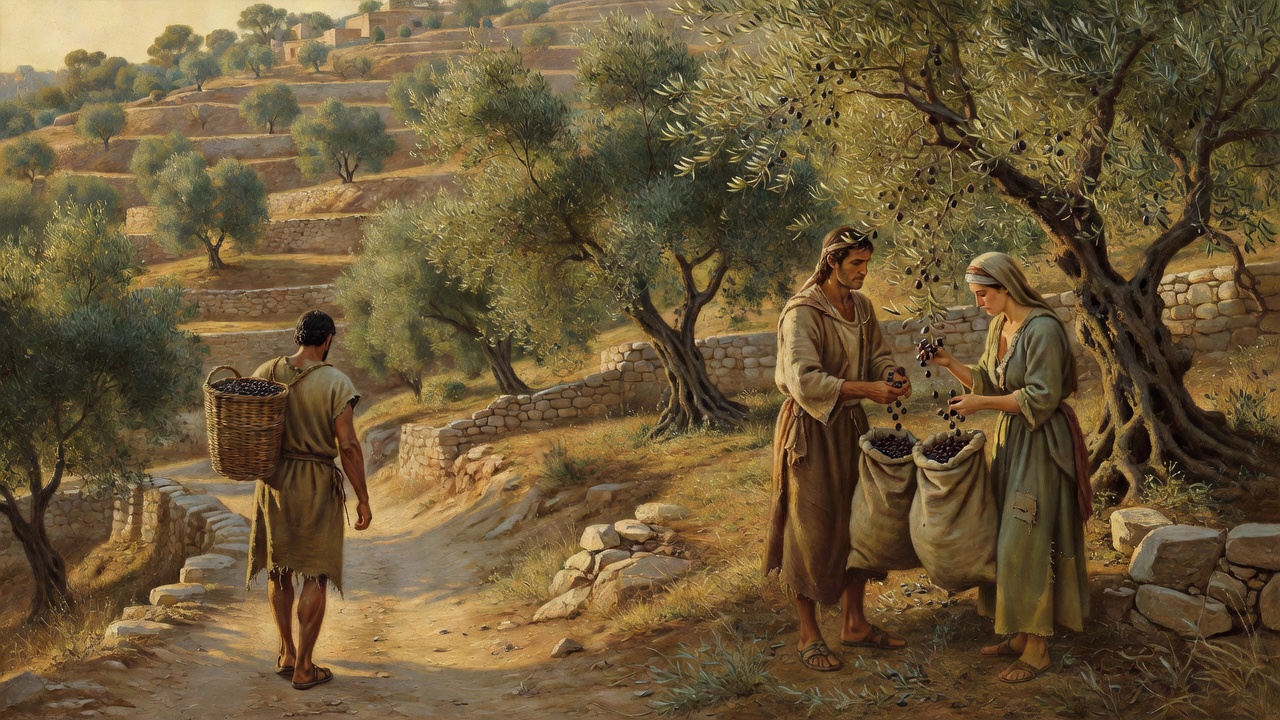
- Israelite harvesting laws required landowners to leave behind forgotten sheaves of grain, leftover olives, and grape gleanings for vulnerable groups: the resident foreigner, the orphan, and the widow. This social welfare system was grounded in the collective memory that the Israelites had once been oppressed slaves in Egypt.Sources: the Bible text itself · Egypt
- Debtors and hired workers were protected by explicit legal limits. Creditors were forbidden from entering a debtor's house to seize a pledge, taking essential millstones that provided a household's daily bread, or keeping an impoverished person's sleeping cloak past sunset, and day laborers had to be paid before nightfall.Sources: the Bible text itself
- When giving instructions concerning infectious skin diseases and the guidance of Levitical priests, the text points back to the affliction of Miriam, the sister of Moses and Aaron, during the wilderness journey following the Exodus from Egypt.Sources: the Bible text itself · Miriam · Egypt
Notes written with AI assistance from open sources (Theographic Bible Metadata, CC BY-SA 4.0; Easton’s Bible Dictionary, public domain) and reviewed before publishing.
Places in this chapter
Only places identified with high confidence are shown (90% or more according to the scholarly sources compiled by OpenBible). Period map: DARE (Digital Atlas of the Roman Empire), CC BY 4.0; modern map: © OpenStreetMap contributors; places: OpenBible.info (CC BY 4.0).
Credits and license for this translation
Cishingini Agwara Kambari [asg]
Cishingini: Cishingini Agwara Kambari [asg] (Bible)
copyright © 2025 Language Development and Translation Initiative (LDTI)
Language: (Cishingini)
Contributor: The Seed Company
This translation is made available to you under the terms of the
Creative Commons Attribution Share-Alike license 4.0.
You have permission to share and redistribute this Bible translation in any format and to make reasonable revisions and adaptations of this translation, provided that:
You include the above copyright and source information.
If you make any changes to the text, you must indicate that you did so in a way that makes it clear that the original licensor is not necessarily endorsing your changes.
If you redistribute this text, you must distribute your contributions under the same license as the original.
Pictures included with Scriptures and other documents on this site are licensed just for use with those Scriptures and documents.
For other uses, please contact the respective copyright owners.
Note that in addition to the rules above, revising and adapting God's Word involves a great responsibility to be true to God's Word. See Revelation 22:18-19.
2025-07-09
Source: http://ebible.org/asg/ · eBible.org