Zephaniah 2
الكتاب المقدس باللغة العربية، فان دايك · Tap a verse to see its cross-references.
1تَجَمَّعِي وَٱجْتَمِعِي يَا أَيَّتُهَا ٱلْأُمَّةُ غَيْرُ ٱلْمُسْتَحِيَةِ. 2قَبْلَ وِلَادَةِ ٱلْقَضَاءِ. كَٱلْعُصَافَةِ عَبَرَ ٱلْيَوْمُ. قَبْلَ أَنْ يَأْتِيَ عَلَيْكُمْ حُمُوُّ غَضَبِ ٱلرَّبِّ، قَبْلَ أَنْ يَأْتِيَ عَلَيْكُمْ يَوْمُ سَخَطِ ٱلرَّبِّ. 3أُطْلُبُوا ٱلرَّبَّ، يَا جَمِيعَ بَائِسِي ٱلْأَرْضِ ٱلَّذِينَ فَعَلُوا حُكْمَهُ. ٱطْلُبُوا ٱلْبِرَّ. ٱطْلُبُوا ٱلتَّوَاضُعَ. لَعَلَّكُمْ تُسْتَرُونَ فِي يَوْمِ سَخَطِ ٱلرَّبِّ.
ضد فلسطين
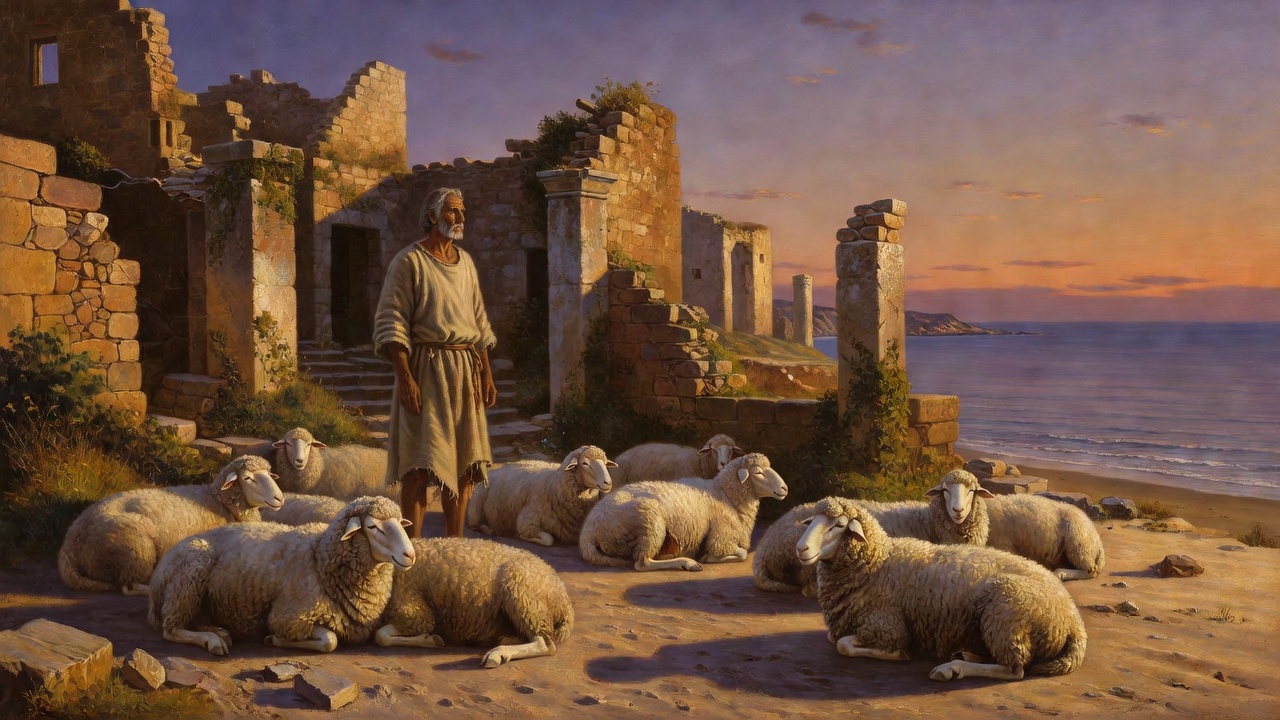
4لِأَنَّ غَزَّةَ تَكُونُ مَتْرُوكَةً، وَأَشْقَلُونَ لِلْخَرَابِ. أَشْدُودُ عِنْدَ ٱلظَّهِيرَةِ يَطْرُدُونَهَا، وَعَقْرُونُ تُسْتَأْصَلُ. 5وَيْلٌ لِسُكَّانِ سَاحِلِ ٱلْبَحْرِ أُمَّةِ ٱلْكِرِيتِيِّينَ! كَلِمَةُ ٱلرَّبِّ عَلَيْكُمْ: «يَا كَنْعَانُ أَرْضَ ٱلْفِلِسْطِينِيِّينَ، إِنِّي أَخْرِبُكِ بِلَا سَاكِنٍ». 6وَيَكُونُ سَاحِلُ ٱلْبَحْرِ مَرْعًى بِآبَارٍ لِلرُّعَاةِ وَحَظَائِرَ لِلْغَنَمِ. 7وَيَكُونُ ٱلسَّاحِلُ لِبَقِيَّةِ بَيْتِ يَهُوذَا. عَلَيْهِ يَرْعَوْنَ. فِي بُيُوتِ أَشْقَلُونَ عِنْدَ ٱلْمَسَاءِ يَرْبُضُونَ، لِأَنَّ ٱلرَّبَّ إِلَهَهُمْ يَتَعَهَّدُهُمْ وَيَرُدُّ سَبْيَهُمْ.
ضد موآب وعمون
8«قَدْ سَمِعْتُ تَعْيِيرَ مُوآبَ وَتَجَادِيفَ بَنِي عَمُّونَ ٱلَّتِي بِهَا عَيَّرُوا شَعْبِي، وَتَعَظَّمُوا عَلَى تُخُمِهِمْ. 9فَلِذَلِكَ حَيٌّ أَنَا، يَقُولُ رَبُّ ٱلْجُنُودِ إِلَهُ إِسْرَائِيلَ، إِنَّ مُوآبَ تَكُونُ كَسَدُومَ وَبَنِي عَمُّونَ كَعَمُورَةَ، مِلْكَ ٱلْقَرِيصِ، وَحُفْرَةَ مِلْحٍ، وَخَرَابًا إِلَى ٱلْأَبَدِ. تَنْهَبُهُمْ بَقِيَّةُ شَعْبِي، وَبَقِيَّةُ أُمَّتِي تَمْتَلِكُهُمْ». 10هَذَا لَهُمْ عِوَضُ تَكَبُّرِهِمْ، لِأَنَّهُمْ عَيَّرُوا وَتَعَظَّمُوا عَلَى شَعْبِ رَبِّ ٱلْجُنُودِ. 11ٱلرَّبُّ مُخِيفٌ إِلَيْهِمْ، لِأَنَّهُ يُهْزِلُ جَمِيعَ آلِهَةِ ٱلْأَرْضِ، فَسَيَسْجُدُ لَهُ ٱلنَّاسُ، كُلُّ وَاحِدٍ مِنْ مَكَانِهِ، كُلُّ جَزَائِرِ ٱلْأُمَمِ.
ضد كوش
12«وَأَنْتُمْ يَا أَيُّهَا ٱلْكُوشِيُّونَ. قَتْلَى سَيْفِي هُمْ».
ضد أشور
13وَيَمُدُّ يَدَهُ عَلَى ٱلشِّمَالِ وَيُبِيدُ أَشُّورَ، وَيَجْعَلُ نِينَوَى خَرَابًا يَابِسَةً كَٱلْقَفْرِ. 14فَتَرْبُضُ فِي وَسَطِهَا ٱلْقُطْعَانُ، كُلُّ طَوَائِفِ ٱلْحَيَوَانِ. اَلْقُوقُ أَيْضًا وَٱلْقُنْفُذُ يَأْوِيَانِ إِلَى تِيجَانِ عُمُدِهَا. صَوْتٌ يَنْعِبُ فِي ٱلْكُوَى. خَرَابٌ عَلَى ٱلْأَعْتَابِ. لِأَنَّهُ قَدْ تَعَرَّى أَرْزِيُّهَا. 15هَذِهِ هِيَ ٱلْمَدِينَةُ ٱلْمُبْتَهِجَةُ ٱلسَّاكِنَةُ مُطْمَئِنَّةً، ٱلْقَائِلَةُ فِي قَلْبِهَا: «أَنَا وَلَيْسَ غَيْرِي». كَيْفَ صَارَتْ خَرَابًا، مَرْبِضًا لِلْحَيَوَانِ! كُلُّ عَابِرٍ بِهَا يَصْفِرُ وَيَهُزُّ يَدَهُ.
Did you know?
Judgments on the Surrounding Nations
- Zephaniah lists four of the five major Philistine cities—Gaza, Ashkelon, Ashdod, and Ekron—situated along the Mediterranean coast. He prophesies that their bustling maritime settlements will become quiet pastures and sheepfolds for the surviving remnant of Judah.Sources: the Bible text itself · Gaza · Ashkelon · Ekron
- The chapter pronounces judgment in every direction around Judah: the Philistines to the west, Moab and Ammon to the east of the Jordan, Cush to the south, and Assyria to the north. Moab, located east of the Dead Sea, is warned that its pride and taunts will turn its territory into a wasteland of salt pits and weeds.Sources: the Bible text itself · Moab
- Zephaniah portrays the proud Assyrian capital of Nineveh as a future ruin where wild creatures roam and owls roost atop the pillars of its exposed cedar buildings.Sources: the Bible text itself
Notes written with AI assistance from open sources (Theographic Bible Metadata, CC BY-SA 4.0; Easton’s Bible Dictionary, public domain) and reviewed before publishing.
Places in this chapter
- Ashdod · Today: Tel Ashdod · 31.757, 34.658 · verse 4
- Ashkelon · Today: Tel Ashkelon · 31.664, 34.546 · verses 4, 7
- Ekron · Today: Tel Miqne · 31.777, 34.852 · verse 4
- Gaza · Today: Tell Harube · 31.504, 34.464 · verse 4
- Canaan · 32.767, 35.333 · verse 5
- Crete · 35.310, 24.893 · verse 5
- Ammon · 31.955, 35.934 · verses 8, 9
- Moab · Today: Moab 1 · 31.181, 35.701 · verses 8, 9
- Assyria · 36.359, 43.153 · verse 13
- Nineveh · 36.359, 43.153 · verse 13
Only places identified with high confidence are shown (90% or more according to the scholarly sources compiled by OpenBible). Period map: DARE (Digital Atlas of the Roman Empire), CC BY 4.0; modern map: © OpenStreetMap contributors; places: OpenBible.info (CC BY 4.0).
Credits and license for this translation
الكتاب المقدس باللغة العربية، فان دايك
Arabic Van Dyck translation of the Holy Bible
Public Domain
Language: العربية (Arabic)
Dialect: standard
Translation by: Syrian Mission
Contributor: American Bible Society
2020-08-03
Source: http://ebible.org/arb-vd/ · eBible.org