Psalms 88
الكتاب المقدس باللغة العربية، فان دايك · Tap a verse to see its cross-references.
تَسْبِيحَةٌ. مَزْمُورٌ لِبَنِي قُورَحَ. لِإِمَامِ ٱلْمُغَنِّينَ عَلَى «ٱلْعُودِ» لِلْغِنَاءِ.
قَصِيدَةٌ لِهَيْمَانَ ٱلْأَزْرَاحِيِّ
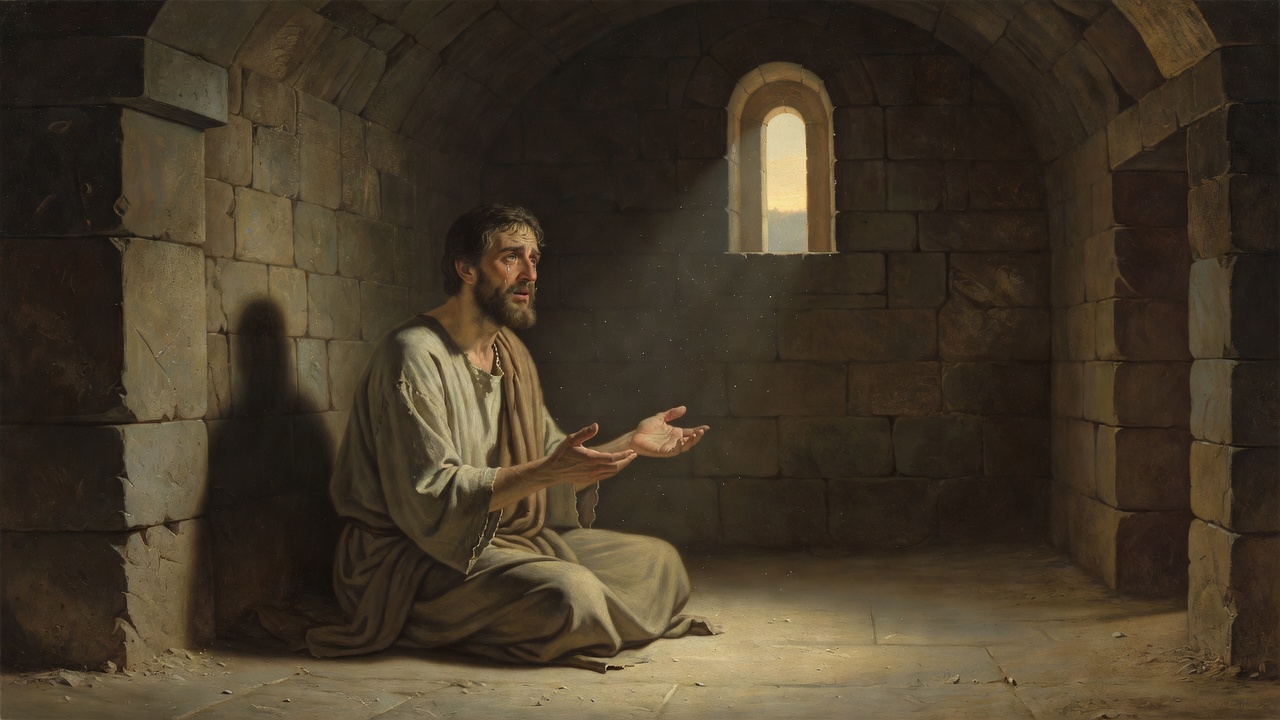
1يَارَبُّ إِلَهَ خَلَاصِي، بِٱلنَّهَارِ وَٱللَّيْلِ صَرَخْتُ أَمَامَكَ، 2فَلْتَأْتِ قُدَّامَكَ صَلَاتِي. أَمِلْ أُذُنَكَ إِلَى صُرَاخِي، 3لِأَنَّهُ قَدْ شَبِعَتْ مِنَ ٱلْمَصَائِبِ نَفْسِي، وَحَيَاتِي إِلَى ٱلْهَاوِيَةِ دَنَتْ. 4حُسِبْتُ مِثْلَ ٱلْمُنْحَدِرِينَ إِلَى ٱلْجُبِّ. صِرْتُ كَرَجُلٍ لَا قُوَّةَ لَهُ. 5بَيْنَ ٱلْأَمْوَاتِ فِرَاشِي مِثْلُ ٱلْقَتْلَى ٱلْمُضْطَجِعِينَ فِي ٱلْقَبْرِ، ٱلَّذِينَ لَا تَذْكُرُهُمْ بَعْدُ، وَهُمْ مِنْ يَدِكَ ٱنْقَطَعُوا. 6وَضَعْتَنِي فِي ٱلْجُبِّ ٱلْأَسْفَلِ، فِي ظُلُمَاتٍ، فِي أَعْمَاقٍ. 7عَلَيَّ ٱسْتَقَرَّ غَضَبُكَ، وَبِكُلِّ تَيَّارَاتِكَ ذَلَّلْتَنِي. سِلَاهْ. 8أَبْعَدْتَ عَنِّي مَعَارِفِي. جَعَلْتَنِي رِجْسًا لَهُمْ. أُغْلِقَ عَلَيَّ فَمَا أَخْرُجُ. 9عَيْنِي ذَابَتْ مِنَ ٱلذُّلِّ. دَعَوْتُكَ يَارَبُّ كُلَّ يَوْمٍ. بَسَطْتُ إِلَيْكَ يَدَيَّ.
10أَفَلَعَلَّكَ لِلْأَمْوَاتِ تَصْنَعُ عَجَائِبَ؟ أَمِ ٱلْأَخِيلَةُ تَقُومُ تُمَجِّدُكَ؟ سِلَاهْ. 11هَلْ يُحَدَّثُ فِي ٱلْقَبْرِ بِرَحْمَتِكَ، أَوْ بِحَقِّكَ فِي ٱلْهَلَاكِ؟ 12هَلْ تُعْرَفُ فِي ٱلظُّلْمَةِ عَجَائِبُكَ، وَبِرُّكَ فِي أَرْضِ ٱلنِّسْيَانِ؟
13أَمَّا أَنَا فَإِلَيْكَ يَارَبُّ صَرَخْتُ، وَفِي ٱلْغَدَاةِ صَلَاتِي تَتَقَدَّمُكَ. 14لِمَاذَا يَارَبُّ تَرْفُضُ نَفْسِي؟ لِمَاذَا تَحْجُبُ وَجْهَكَ عَنِّي؟ 15أَنَا مِسْكِينٌ وَمُسَلِّمُ ٱلرُّوحِ مُنْذُ صِبَايَ. ٱحْتَمَلْتُ أَهْوَالَكَ. تَحَيَّرْتُ. 16عَلَيَّ عَبَرَ سَخَطُكَ. أَهْوَالُكَ أَهْلَكَتْنِي. 17أَحَاطَتْ بِي كَٱلْمِيَاهِ ٱلْيَوْمَ كُلَّهُ. ٱكْتَنَفَتْنِي مَعًا. 18أَبْعَدْتَ عَنِّي مُحِبًّا وَصَاحِبًا. مَعَارِفِي فِي ٱلظُّلْمَةِ.
Did you know?
A Cry from Deep Darkness
- The superscription designates this song as a psalm of the sons of Korah and a Maskil of Heman the Ezrahite, directed according to Mahalath Leannoth.Sources: the Bible text itself
- The speaker depicts the realm of the dead using several terms, including Sheol, the Pit, Abaddon, and the land of oblivion. The text poses rhetorical questions about whether God's wonders and faithfulness can be known or praised from such places.Sources: the Bible text itself
- Unlike many biblical laments that transition into expressions of confidence or praise, Psalm 88 sustains an unrelieved tone of suffering and isolation, ending with darkness described as the speaker's closest companion.Sources: the Bible text itself
Notes written with AI assistance from open sources (Theographic Bible Metadata, CC BY-SA 4.0; Easton’s Bible Dictionary, public domain) and reviewed before publishing.
Credits and license for this translation
الكتاب المقدس باللغة العربية، فان دايك
Arabic Van Dyck translation of the Holy Bible
Public Domain
Language: العربية (Arabic)
Dialect: standard
Translation by: Syrian Mission
Contributor: American Bible Society
2020-08-03
Source: http://ebible.org/arb-vd/ · eBible.org