Psalms 80
الكتاب المقدس باللغة العربية، فان دايك · Tap a verse to see its cross-references.
لِإِمَامِ ٱلْمُغَنِّينَ عَلَى «ٱلسُّوسَنِّ». شَهَادَةٌ. لِآسَافَ. مَزْمُورٌ
1يَا رَاعِيَ إِسْرَائِيلَ، ٱصْغَ، يَا قَائِدَ يُوسُفَ كَٱلضَّأْنِ، يَا جَالِسًا عَلَى ٱلْكَرُوبِيمِ أَشْرِقْ. 2قُدَّامَ أَفْرَايِمَ وَبِنْيَامِينَ وَمَنَسَّى أَيْقِظْ جَبَرُوتَكَ، وَهَلُمَّ لِخَلَاصِنَا. 3يَا ٱللهُ أَرْجِعْنَا، وَأَنِرْ بِوَجْهِكَ فَنَخْلُصَ. 4يَارَبُّ إِلَهَ ٱلْجُنُودِ، إِلَى مَتَى تُدَخِّنُ عَلَى صَلَاةِ شَعْبِكَ؟ 5قَدْ أَطْعَمْتَهُمْ خُبْزَ ٱلدُّمُوعِ، وَسَقَيْتَهُمُ ٱلدُّمُوعَ بِٱلْكَيْلِ. 6جَعَلْتَنَا نِزَاعًا عِنْدَ جِيرَانِنَا، وَأَعْدَاؤُنَا يَسْتَهْزِئُونَ بَيْنَ أَنْفُسِهِمْ. 7يَا إِلَهَ ٱلْجُنُودِ أَرْجِعْنَا، وَأَنِرْ بِوَجْهِكَ فَنَخْلُصَ.
8كَرْمَةً مِنْ مِصْرَ نَقَلْتَ. طَرَدْتَ أُمَمًا وَغَرَسْتَهَا. 9هَيَّأْتَ قُدَّامَهَا فَأَصَّلَتْ أُصُولَهَا فَمَلَأَتِ ٱلْأَرْضَ. 10غَطَّى ٱلْجِبَالَ ظِلُّهَا، وَأَغْصَانُهَا أَرْزَ ٱللهِ. 11مَدَّتْ قُضْبَانَهَا إِلَى ٱلْبَحْرِ، وَإِلَى ٱلنَّهْرِ فُرُوعَهَا. 12فَلِمَاذَا هَدَمْتَ جُدْرَانَهَا فَيَقْطِفَهَا كُلُّ عَابِرِي ٱلطَّرِيقِ؟ 13يُفْسِدُهَا ٱلْخِنْزِيرُ مِنَ ٱلْوَعْرِ، وَيَرْعَاهَا وَحْشُ ٱلْبَرِّيَّةِ. 14يَا إِلَهَ ٱلْجُنُودِ، ٱرْجِعَنَّ. ٱطَّلِعْ مِنَ ٱلسَّمَاءِ وَٱنْظُرْ وَتَعَهَّدْ هَذِهِ ٱلْكَرْمَةَ، 15وَٱلْغَرْسَ ٱلَّذِي غَرَسَتْهُ يَمِينُكَ، وَٱلِٱبْنَ ٱلَّذِي ٱخْتَرْتَهُ لِنَفْسِكَ. 16هِيَ مَحْرُوقَةٌ بِنَارٍ، مَقْطُوعَةٌ. مِنِ ٱنْتِهَارِ وَجْهِكَ يَبِيدُونَ. 17لِتَكُنْ يَدُكَ عَلَى رَجُلِ يَمِينِكَ، وَعَلَى ٱبْنِ آدَمَ ٱلَّذِي ٱخْتَرْتَهُ لِنَفْسِكَ، 18فَلَا نَرْتَدَّ عَنْكَ. أَحْيِنَا فَنَدْعُوَ بِٱسْمِكَ. 19يَارَبُّ إِلَهَ ٱلْجُنُودِ، أَرْجِعْنَا. أَنِرْ بِوَجْهِكَ فَنَخْلُصَ.
Did you know?
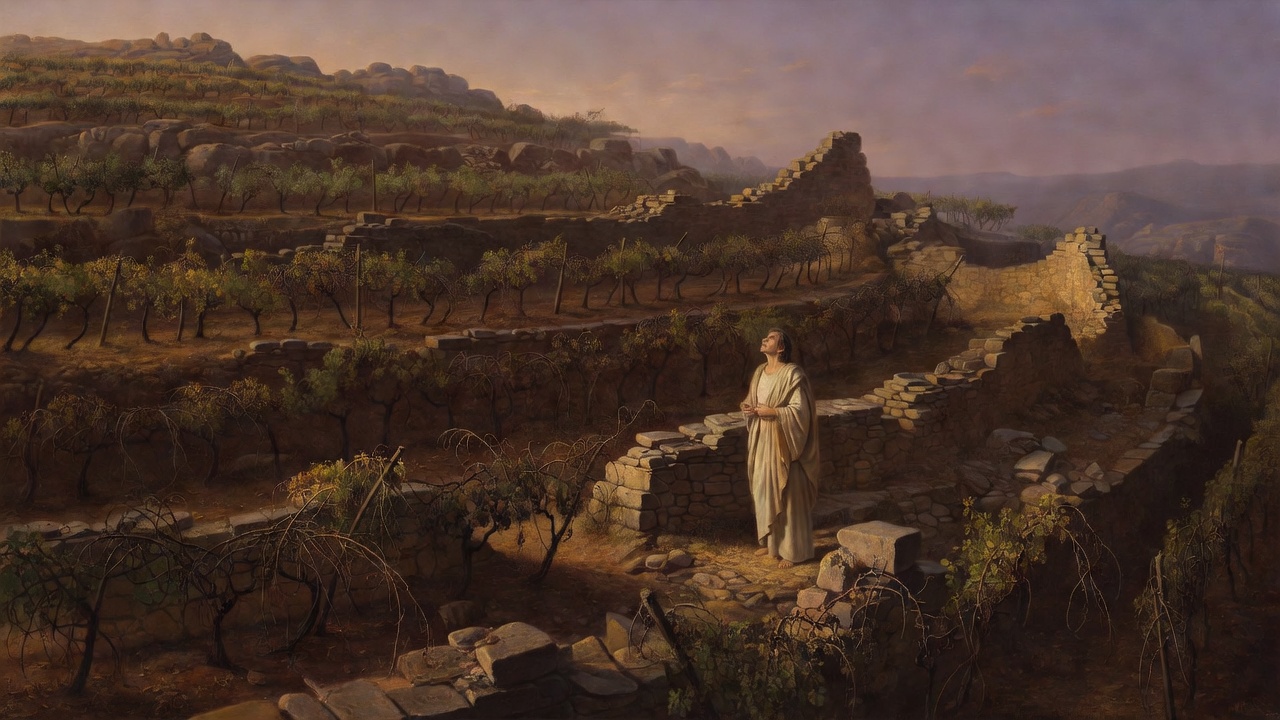
A Prayer for the Uprooted Vine
- The psalm specifically mentions Ephraim, Benjamin, and Manasseh, tribes closely linked by descent from Rachel through Joseph and Benjamin. During Israel's wilderness wanderings, these three tribes were assigned to camp and march together on the western side of the tabernacle.Sources: Benjamin (patriarch) · Manasseh (son of Joseph) · the Bible text itself
- The author uses an extended allegory comparing the nation of Israel to a grapevine brought out of Egypt and replanted in Canaan. The song laments that God had torn down the protective vineyard walls, leaving the fruitful vine exposed to wild beasts and passersby.Sources: Egypt · the Bible text itself
- This poem is part of a distinct collection spanning Psalms 73 through 83 attributed to Asaph. The biblical record describes Asaph as a leading Levite musician in the time of King David whose musical guild or descendants continued his tradition in temple worship.Sources: Asaph (Levite) · the Bible text itself
Notes written with AI assistance from open sources (Theographic Bible Metadata, CC BY-SA 4.0; Easton’s Bible Dictionary, public domain) and reviewed before publishing.
Places in this chapter
- Egypt · 30.129, 31.308 · verse 8
- Euphrates · Today: Euphrates River · 31.004, 47.442 · verse 11
- Great Sea · Today: Mediterranean Sea · 31.805, 34.170 · verse 11
Only places identified with high confidence are shown (90% or more according to the scholarly sources compiled by OpenBible). Period map: DARE (Digital Atlas of the Roman Empire), CC BY 4.0; modern map: © OpenStreetMap contributors; places: OpenBible.info (CC BY 4.0).
Credits and license for this translation
الكتاب المقدس باللغة العربية، فان دايك
Arabic Van Dyck translation of the Holy Bible
Public Domain
Language: العربية (Arabic)
Dialect: standard
Translation by: Syrian Mission
Contributor: American Bible Society
2020-08-03
Source: http://ebible.org/arb-vd/ · eBible.org