Job 8
الكتاب المقدس باللغة العربية، فان دايك · Tap a verse to see its cross-references.
بلدد الشوحي
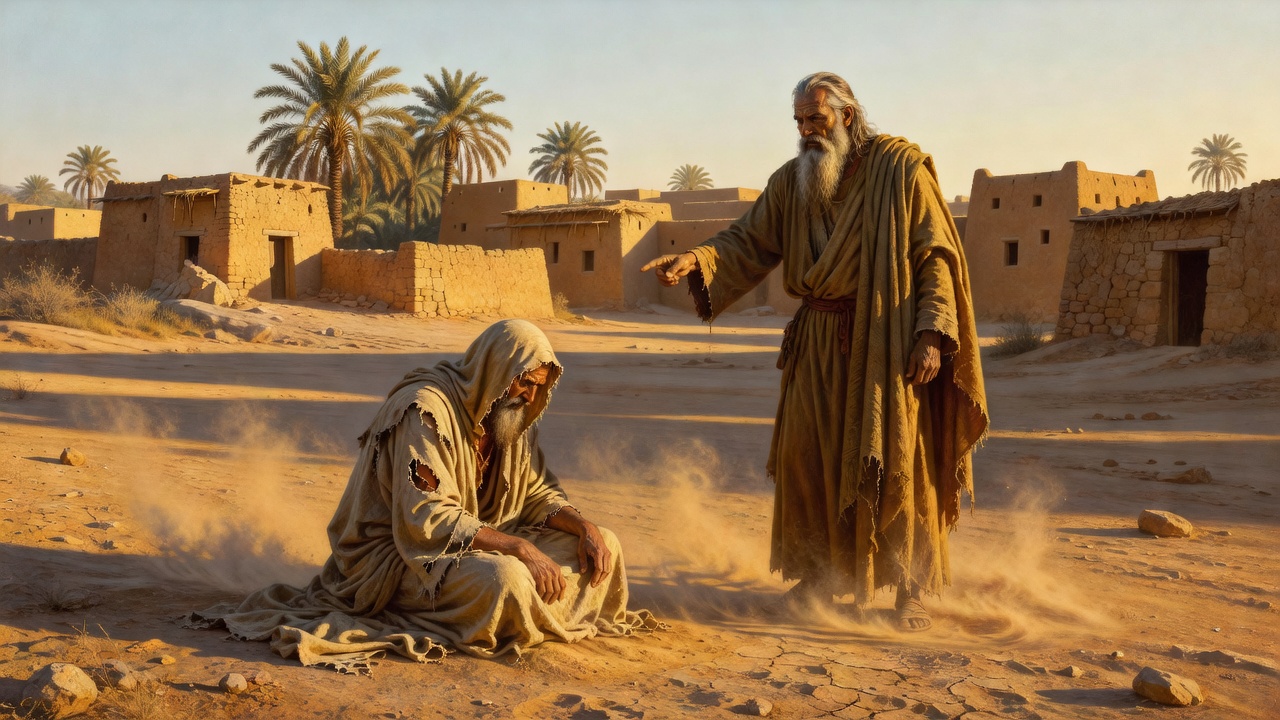
1فَأَجَابَ بِلْدَدُ ٱلشُّوحِيُّ وَقَالَ: 2«إِلَى مَتَى تَقُولُ هَذَا، وَتَكُونُ أَقْوَالُ فِيكَ رِيحًا شَدِيدَةً؟ 3هَلِ ٱللهُ يُعَوِّجُ ٱلْقَضَاءَ، أَوِ ٱلْقَدِيرُ يَعْكِسُ ٱلْحَقَّ؟ 4إِذْ أَخْطَأَ إِلَيْهِ بَنُوكَ، دَفَعَهُمْ إِلَى يَدِ مَعْصِيَتِهِمْ. 5فَإِنْ بَكَّرْتَ أَنْتَ إِلَى ٱللهِ وَتَضَرَّعْتَ إِلَى ٱلْقَدِيرِ، 6إِنْ كُنْتَ أَنْتَ زَكِيًّا مُسْتَقِيمًا، فَإِنَّهُ ٱلْآنَ يَتَنَبَّهُ لَكَ وَيُسْلِمُ مَسْكَنَ بِرِّكَ. 7وَإِنْ تَكُنْ أُولَاكَ صَغِيرَةً فَآخِرَتُكَ تَكْثُرُ جِدًّا.
8«اِسْأَلِ ٱلْقُرُونَ ٱلْأُولَى وَتَأَكَّدْ مَبَاحِثَ آبَائِهِمْ، 9لِأَنَّنَا نَحْنُ مِنْ أَمْسٍ وَلَا نَعْلَمُ، لِأَنَّ أَيَّامَنَا عَلَى ٱلْأَرْضِ ظِلٌّ. 10فَهَلَّا يُعْلِمُونَكَ؟ يَقُولُونَ لَكَ، وَمِنْ قُلُوبِهِمْ يُخْرِجُونَ أَقْوَالًا قَائِلِينَ: 11هَلْ يَنْمِي ٱلْبَرْدِيُّ فِي غَيْرِ ٱلْغَمَقَةِ، أَوْ تَنْبُتُ ٱلْحَلْفَاءُ بِلَا مَاءٍ؟ 12وَهُوَ بَعْدُ فِي نَضَارَتِهِ لَمْ يُقْطَعْ، يَيْبَسُ قَبْلَ كُلِّ ٱلْعُشْبِ. 13هَكَذَا سُبُلُ كُلِّ ٱلنَّاسِينَ ٱللهَ، وَرَجَاءُ ٱلْفَاجِرِ يَخِيبُ، 14فَيَنْقَطِعُ ٱعْتِمَادُهُ، وَمُتَّكَلُهُ بَيْتُ ٱلْعَنْكَبُوتِ! 15يَسْتَنِدُ إِلَى بَيْتِهِ فَلَا يَثْبُتُ. يَتَمَسَّكُ بِهِ فَلَا يَقُومُ. 16هُوَ رَطْبٌ تُجَاهَ ٱلشَّمْسِ وَعَلَى جَنَّتِهِ تَنْبُتُ خَرَاعِيبُهُ. 17وَأُصُولُهُ مُشْتَبِكَةٌ فِي ٱلرُّجْمَةِ، فَتَرَى مَحَلَّ ٱلْحِجَارَةِ. 18إِنِ ٱقْتَلَعَهُ مِنْ مَكَانِهِ، يَجْحَدُهُ قَائِلًا: مَا رَأَيْتُكَ! 19هَذَا هُوَ فَرَحُ طَرِيقِهِ، وَمِنَ ٱلتُّرَابِ يَنْبُتُ آخَرُ.
20«هُوَذَا ٱللهُ لَا يَرْفُضُ ٱلْكَامِلَ، وَلَا يَأْخُذُ بِيَدِ فَاعِلِي ٱلشَّرِّ. 21عِنْدَمَا يَمْلَأُ فَاكَ ضَحِكًا، وَشَفَتَيْكَ هُتَافًا، 22يَلْبَسُ مُبْغِضُوكَ خِزْيًا، أَمَّا خَيْمَةُ ٱلْأَشْرَارِ فَلَا تَكُونُ».
Did you know?
Bildad’s Appeal to Ancient Wisdom
- Bildad is identified as a Shuhite, which likely associates him with Shuah, an Arabian region settled by the descendants of Abraham and Keturah. In this chapter, he delivers the first of his three stern speeches to Job, maintaining that divine justice is absolute and unwavering.Sources: Bildad · the Bible text itself
- Rather than relying on personal experience, Bildad appeals to the accumulated knowledge of ancestral generations, describing human life as brief as a shadow. To argue that the wicked inevitably fall, he uses natural metaphors of marsh reeds withering without water and the fragility of a spider's web.Sources: the Bible text itself
Notes written with AI assistance from open sources (Theographic Bible Metadata, CC BY-SA 4.0; Easton’s Bible Dictionary, public domain) and reviewed before publishing.
Credits and license for this translation
الكتاب المقدس باللغة العربية، فان دايك
Arabic Van Dyck translation of the Holy Bible
Public Domain
Language: العربية (Arabic)
Dialect: standard
Translation by: Syrian Mission
Contributor: American Bible Society
2020-08-03
Source: http://ebible.org/arb-vd/ · eBible.org