Job 20
الكتاب المقدس باللغة العربية، فان دايك · Tap a verse to see its cross-references.
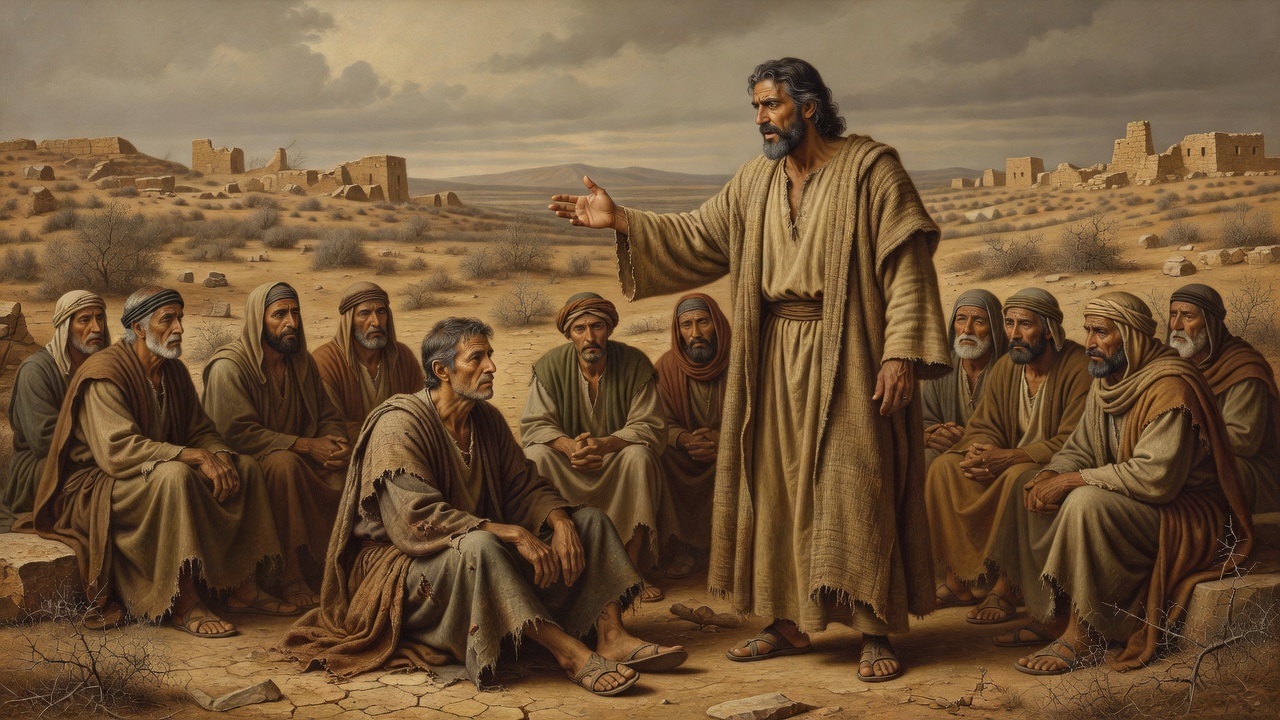
صوفر النعماتي
1فَأَجَابَ صُوفَرُ ٱلنَّعْمَاتِيُّ وَقَالَ: 2«مِنْ أَجْلِ ذَلِكَ هَوَاجِسِي تُجِيبُنِي، وَلِهَذَا هَيَجَانِي فِيَّ. 3تَعْيِيرَ تَوْبِيخِي أَسْمَعُ. وَرُوحٌ مِنْ فَهْمِي يُجِيبُنِي. 4«أَمَا عَلِمْتَ هَذَا مِنَ ٱلْقَدِيمِ، مُنْذُ وُضِعَ ٱلْإِنْسَانُ عَلَى ٱلْأَرْضِ، 5أَنَّ هُتَافَ ٱلْأَشْرَارِ مِنْ قَرِيبٍ، وَفَرَحَ ٱلْفَاجِرِ إِلَى لَحْظَةٍ! 6وَلَوْ بَلَغَ ٱلسَّمَاوَاتِ طُولُهُ، وَمَسَّ رَأْسُهُ ٱلسَّحَابَ، 7كَجُلَّتِهِ إِلَى ٱلْأَبَدِ يَبِيدُ. ٱلَّذِينَ رَأَوْهُ يَقُولُونَ: أَيْنَ هُوَ؟ 8كَٱلْحُلْمِ يَطِيرُ فَلَا يُوجَدُ، وَيُطْرَدُ كَطَيْفِ ٱللَّيْلِ. 9عَيْنٌ أَبْصَرَتْهُ لَا تَعُودُ تَرَاهُ، وَمَكَانُهُ لَنْ يَرَاهُ بَعْدُ. 10بَنُوهُ يَتَرَضَّوْنَ ٱلْفُقَرَاءَ، وَيَدَاهُ تَرُدَّانِ ثَرْوَتَهُ. 11عِظَامُهُ مَلآنَةٌ شَبِيبَةً، وَمَعَهُ فِي ٱلتُّرَابِ تَضْطَجِعُ. 12إِنْ حَلَا فِي فَمِهِ ٱلشَّرُّ، وَأَخْفَاهُ تَحْتَ لِسَانِهِ، 13أَشْفَقَ عَلَيْهِ وَلَمْ يَتْرُكْهُ، بَلْ حَبَسَهُ وَسَطَ حَنَكِهِ، 14فَخُبْزُهُ فِي أَمْعَائِهِ يَتَحَوَّلُ، مَرَارَةَ أَصْلَالٍ فِي بَطْنِهِ. 15قَدْ بَلَعَ ثَرْوَةً فَيَتَقَيَّأُهَا. ٱللهُ يَطْرُدُهَا مِنْ بَطْنِهِ. 16سَمَّ ٱلْأَصْلَالِ يَرْضَعُ. يَقْتُلُهُ لِسَانُ ٱلْأَفْعَى. 17لَا يَرَى ٱلْجَدَاوِلَ أَنْهَارَ سَوَاقِيَ عَسَلٍ وَلَبَنٍ. 18يَرُدُّ تَعَبَهُ وَلَا يَبْلَعُهُ. كَمَالٍ تَحْتَ رَجْعٍ. وَلَا يَفْرَحُ. 19لِأَنَّهُ رَضَّضَ ٱلْمَسَاكِينَ، وَتَرَكَهُمْ، وَٱغْتَصَبَ بَيْتًا وَلَمْ يَبْنِهِ. 20لِأَنَّهُ لَمْ يَعْرِفْ فِي بَطْنِهِ قَنَاعَةً، لَا يَنْجُو بِمُشْتَهَاهُ. 21لَيْسَتْ مِنْ أَكْلِهِ بَقِيَّةٌ، لِأَجْلِ ذَلِكَ لَا يَدُومُ خَيْرُهُ. 22مَعَ مِلْءِ رَغْدِهِ يَتَضَايَقُ. تَأْتِي عَلَيْهِ يَدُ كُلِّ شَقِيٍّ. 23يَكُونُ عِنْدَمَا يَمْلَأُ بَطْنَهُ، أَنَّ ٱللهَ يُرْسِلُ عَلَيْهِ حُمُوَّ غَضَبِهِ، وَيُمْطِرُهُ عَلَيْهِ عِنْدَ طَعَامِهِ. 24يَفِرُّ مِنْ سِلَاحِ حَدِيدٍ. تَخْرِقُهُ قَوْسُ نُحَاسٍ. 25جَذَبَهُ فَخَرَجَ مِنْ بَطْنِهِ، وَٱلْبَارِقُ مِنْ مَرَارَتِهِ مَرَقَ. عَلَيْهِ رُعُوبٌ. 26كُلُّ ظُلْمَةٍ مُخْتَبَأَةٌ لِذَخَائِرِهِ. تَأْكُلُهُ نَارٌ لَمْ تُنْفَخْ. تَرْعَى ٱلْبَقِيَّةَ فِي خَيْمَتِهِ. 27ٱلسَّمَاوَاتُ تُعْلِنُ إِثْمَهُ، وَٱلْأَرْضُ تَنْهَضُ عَلَيْهِ. 28تَزُولُ غَلَّةُ بَيْتِهِ. تُهْرَاقُ فِي يَوْمِ غَضَبِهِ. 29هَذَا نَصِيبُ ٱلْإِنْسَانِ ٱلشِّرِّيرِ مِنْ عِنْدِ ٱللهِ، وَمِيرَاثُ أَمْرِهِ مِنَ ٱلْقَدِيرِ».
Did you know?
Zophar on the Fate of the Wicked
- Zophar is identified as a Naamathite, pointing to an otherwise unknown location named Naamah. In the ancient Greek Septuagint translation of the Hebrew Scriptures, he is described as a king of the Mineans or Maonites from southern Arabia.Sources: Zophar · the Bible text itself
- In his speech, Zophar uses metaphors of digestion and venom, asserting that ill-gotten wealth turns into the poison of vipers and cobras within the stomach of the wicked person.Sources: the Bible text itself
- Zophar also incorporates military imagery from the ancient world, describing a fleeing transgressor escaping an iron weapon only to be struck down by a bronze-tipped arrow.Sources: the Bible text itself
Notes written with AI assistance from open sources (Theographic Bible Metadata, CC BY-SA 4.0; Easton’s Bible Dictionary, public domain) and reviewed before publishing.
Credits and license for this translation
الكتاب المقدس باللغة العربية، فان دايك
Arabic Van Dyck translation of the Holy Bible
Public Domain
Language: العربية (Arabic)
Dialect: standard
Translation by: Syrian Mission
Contributor: American Bible Society
2020-08-03
Source: http://ebible.org/arb-vd/ · eBible.org