Job 18
الكتاب المقدس باللغة العربية، فان دايك · Tap a verse to see its cross-references.
بلدد الشوحي
1فَأَجَابَ بِلْدَدُ ٱلشُّوحِيُّ وَقَالَ: 2«إِلَى مَتَى تَضَعُونَ أَشْرَاكًا لِلْكَلَامِ؟ تَعَقَّلُوا وَبَعْدُ نَتَكَلَّمُ. 3لِمَاذَا حُسِبْنَا كَٱلْبَهِيمَةِ، وَتَنَجَّسْنَا فِي عُيُونِكُمْ؟ 4يَا أَيُّهَا ٱلْمُفْتَرِسُ نَفْسَهُ فِي غَيْظِهِ، هَلْ لِأَجْلِكَ تُخْلَى ٱلْأَرْضُ، أَوْ يُزَحْزَحُ ٱلصَّخْرُ مِنْ مَكَانِهِ؟ 5«نَعَمْ! نُورُ ٱلْأَشْرَارِ يَنْطَفِئُ، وَلَا يُضِيءُ لَهِيبُ نَارِهِ. 6ٱلنُّورُ يُظْلِمُ فِي خَيْمَتِهِ، وَسِرَاجُهُ فَوْقَهُ يَنْطَفِئُ. 7تَقْصُرُ خَطَوَاتُ قُوَّتِهِ، وَتَصْرَعُهُ مَشُورَتُهُ. 8لِأَنَّ رِجْلَيْهِ تَدْفَعَانِهِ فِي ٱلْمِصْلَاةِ فَيَمْشِي إِلَى شَبَكَةٍ. 9يُمْسِكُ ٱلْفَخُّ بِعَقِبِهِ، وَتَتَمَكَّنُ مِنْهُ ٱلشَّرَكُ. 10مَطْمُورَةٌ فِي ٱلْأَرْضِ حِبَالَتُهُ، وَمِصْيَدَتُهُ فِي ٱلسَّبِيلِ. 11تُرْهِبُهُ أَهْوَالٌ مِنْ حَوْلِهِ، وَتَذْعَرُهُ عِنْدَ رِجْلَيْهِ. 12تَكُونُ قُوَّتُهُ جَائِعَةً وَٱلْبَوَارُ مُهَيَّأٌ بِجَانِبِهِ. 13يَأْكُلُ أَعْضَاءَ جَسَدِهِ. يَأْكُلُ أَعْضَاءَهُ بِكْرُ ٱلْمَوْتِ. 14يَنْقَطِعُ عَنْ خَيْمَتِهِ، عَنِ ٱعْتِمَادِهِ، وَيُسَاقُ إِلَى مَلِكِ ٱلْأَهْوَالِ. 15يَسْكُنُ فِي خَيْمَتِهِ مَنْ لَيْسَ لَهُ. يُذَرُّ عَلَى مَرْبِضِهِ كِبْرِيتٌ. 16مِنْ تَحْتُ تَيْبَسُ أُصُولُهُ، وَمِنْ فَوْقُ يُقْطَعُ فَرْعُهُ. 17ذِكْرُهُ يَبِيدُ مِنَ ٱلْأَرْضِ، وَلَا ٱسْمَ لَهُ عَلَى وَجْهِ ٱلْبَرِّ. 18يُدْفَعُ مِنَ ٱلنُّورِ إِلَى ٱلظُّلْمَةِ، وَمِنَ ٱلْمَسْكُونَةِ يُطْرَدُ. 19لَا نَسْلَ وَلَا عَقِبَ لَهُ بَيْنَ شَعْبِهِ، وَلَا شَارِدَ فِي مَحَالِّهِ. 20يَتَعَجَّبُ مِنْ يَوْمِهِ ٱلْمُتَأَخِّرُونَ، وَيَقْشَعِرُّ ٱلْأَقْدَمُونَ. 21إِنَّمَا تِلْكَ مَسَاكِنُ فَاعِلِي ٱلشَّرِّ، وَهَذَا مَقَامُ مَنْ لَا يَعْرِفُ ٱللهَ».
Did you know?
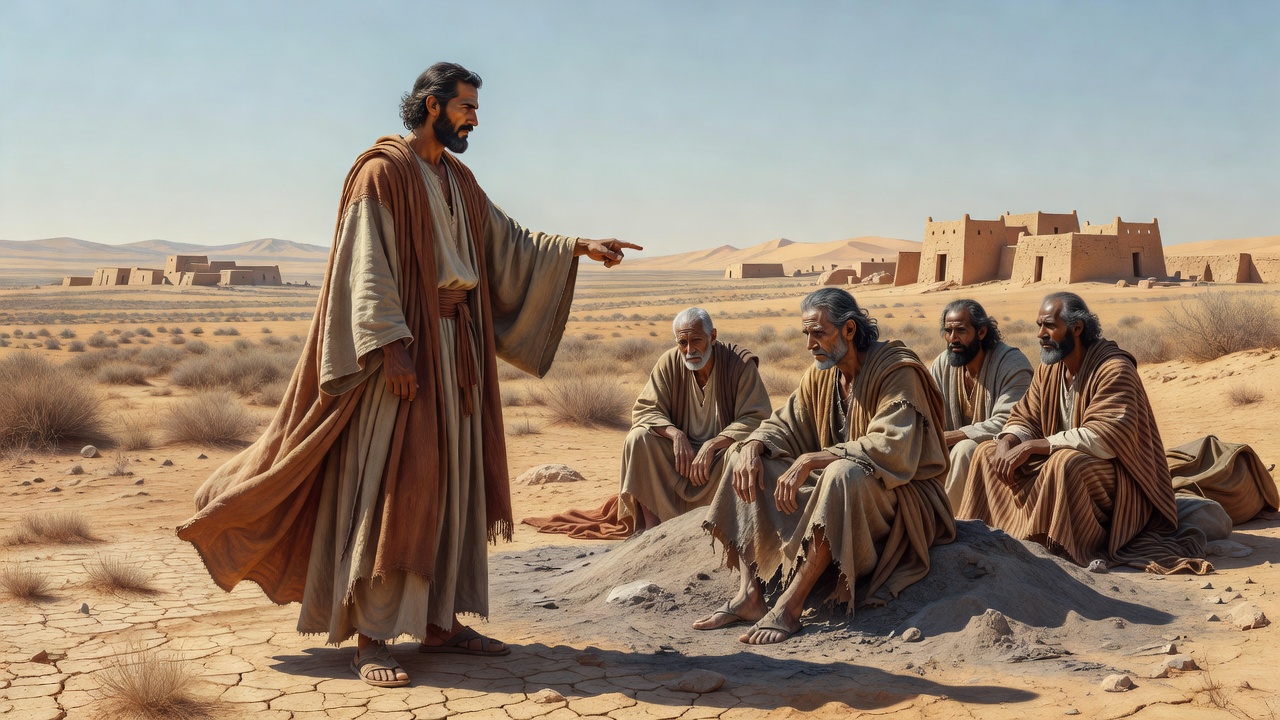
Bildad's Second Speech on the Fate of the Wicked
- Bildad is identified as a Shuhite, a designation traditionally linked to Shuah, a region in Arabia associated with the descendants of Abraham and Keturah. In this second speech to Job, Bildad maintains a stern and severe tone as he rebukes Job and insists on the certain doom of the ungodly.Sources: Bildad · the Bible text itself
- To describe the destruction awaiting the wicked, Bildad draws heavily on ancient hunting imagery. He depicts their downfall through metaphors of hidden nooses, concealed ground snares, and sweeping nets that trap the wanderer.Sources: the Bible text itself
Notes written with AI assistance from open sources (Theographic Bible Metadata, CC BY-SA 4.0; Easton’s Bible Dictionary, public domain) and reviewed before publishing.
Credits and license for this translation
الكتاب المقدس باللغة العربية، فان دايك
Arabic Van Dyck translation of the Holy Bible
Public Domain
Language: العربية (Arabic)
Dialect: standard
Translation by: Syrian Mission
Contributor: American Bible Society
2020-08-03
Source: http://ebible.org/arb-vd/ · eBible.org