Job 16
الكتاب المقدس باللغة العربية، فان دايك · Tap a verse to see its cross-references.
أيوب
1فَأَجَابَ أَيُّوبُ وَقَالَ: 2«قَدْ سَمِعْتُ كَثِيرًا مِثْلَ هَذَا. مُعَزُّونَ مُتْعِبُونَ كُلُّكُمْ! 3هَلْ مِنْ نِهَايَةٍ لِكَلَامٍ فَارِغٍ؟ أَوْ مَاذَا يُهَيِّجُكَ حَتَّى تُجَاوِبَ؟ 4أَنَا أَيْضًا أَسْتَطِيعُ أَنْ أَتَكَلَّمَ مِثْلَكُمْ، لَوْ كَانَتْ أَنْفُسُكُمْ مَكَانَ نَفْسِي، وَأَنْ أَسْرُدَ عَلَيْكُمْ أَقْوَالًا وَأُنْغِضَ رَأْسِي إِلَيْكُمْ. 5بَلْ كُنْتُ أُشَدِّدُكُمْ بِفَمِي، وَتَعْزِيَةُ شَفَتَيَّ تُمْسِكُكُمْ.
6«إِنْ تَكَلَّمْتُ لَمْ تَمْتَنِعْ كَآبَتِي، وَإِنْ سَكَتُّ فَمَاذَا يَذْهَبُ عَنِّي؟ 7إِنَّهُ ٱلْآنَ ضَجَّرَنِي. خَرَّبْتَ كُلَّ جَمَاعَتِي. 8قَبَضْتَ عَلَيَّ. وُجِدَ شَاهِدٌ. قَامَ عَلَيَّ هُزَالِي يُجَاوِبُ فِي وَجْهِي. 9غَضَبُهُ ٱفْتَرَسَنِي وَٱضْطَهَدَنِي. حَرَقَ عَلَيَّ أَسْنَانَهُ. عَدُوِّي يُحَدِّدُ عَيْنَيْهِ عَلَيَّ. 10فَغَرُوا عَلَيَّ أَفْوَاهَهُمْ. لَطَمُونِي عَلَى فَكِّي تَعْيِيرًا. تَعَاوَنُوا عَلَيَّ جَمِيعًا. 11دَفَعَنِيَ ٱللهُ إِلَى ٱلظَّالِمِ، وَفِي أَيْدِي ٱلْأَشْرَارِ طَرَحَنِي. 12كُنْتُ مُسْتَرِيحًا فَزَعْزَعَنِي، وَأَمْسَكَ بِقَفَايَ فَحَطَّمَنِي، وَنَصَبَنِي لَهُ غَرَضًا. 13أَحَاطَتْ بِي رُمَاتُهُ. شَقَّ كُلْيَتَيَّ وَلَمْ يُشْفِقْ. سَفَكَ مَرَارَتِي عَلَى ٱلْأَرْضِ. 14يَقْتَحِمُنِي ٱقْتِحَامًا عَلَى ٱقْتِحَامٍ. يَعْدُو عَلَيَّ كَجَبَّارٍ. 15خِطْتُ مِسْحًا عَلَى جِلْدِي، وَدَسَسْتُ فِي ٱلتُّرَابِ قَرْنِي. 16اِحْمَرَّ وَجْهِي مِنَ ٱلْبُكَاءِ، وَعَلَى هُدْبِي ظِلُّ ٱلْمَوْتِ. 17مَعَ أَنَّهُ لَا ظُلْمَ فِي يَدِي، وَصَلَاتِي خَالِصَةٌ.
18«يَا أَرْضُ لَا تُغَطِّي دَمِي، وَلَا يَكُنْ مَكَانٌ لِصُرَاخِي. 19أَيْضًا ٱلْآنَ هُوَذَا فِي ٱلسَّمَاوَاتِ شَهِيدِي، وَشَاهِدِي فِي ٱلْأَعَالِي. 20ٱلْمُسْتَهْزِئُونَ بِي هُمْ أَصْحَابِي. لِلهِ تَقْطُرُ عَيْنِي 21لِكَيْ يُحَاكِمَ ٱلْإِنْسَانَ عِنْدَ ٱللهِ كَٱبْنِ آدَمَ لَدَى صَاحِبِهِ. 22إِذَا مَضَتْ سِنُونَ قَلِيلَةٌ أَسْلُكُ فِي طَرِيقٍ لَا أَعُودُ مِنْهَا.
Did you know?
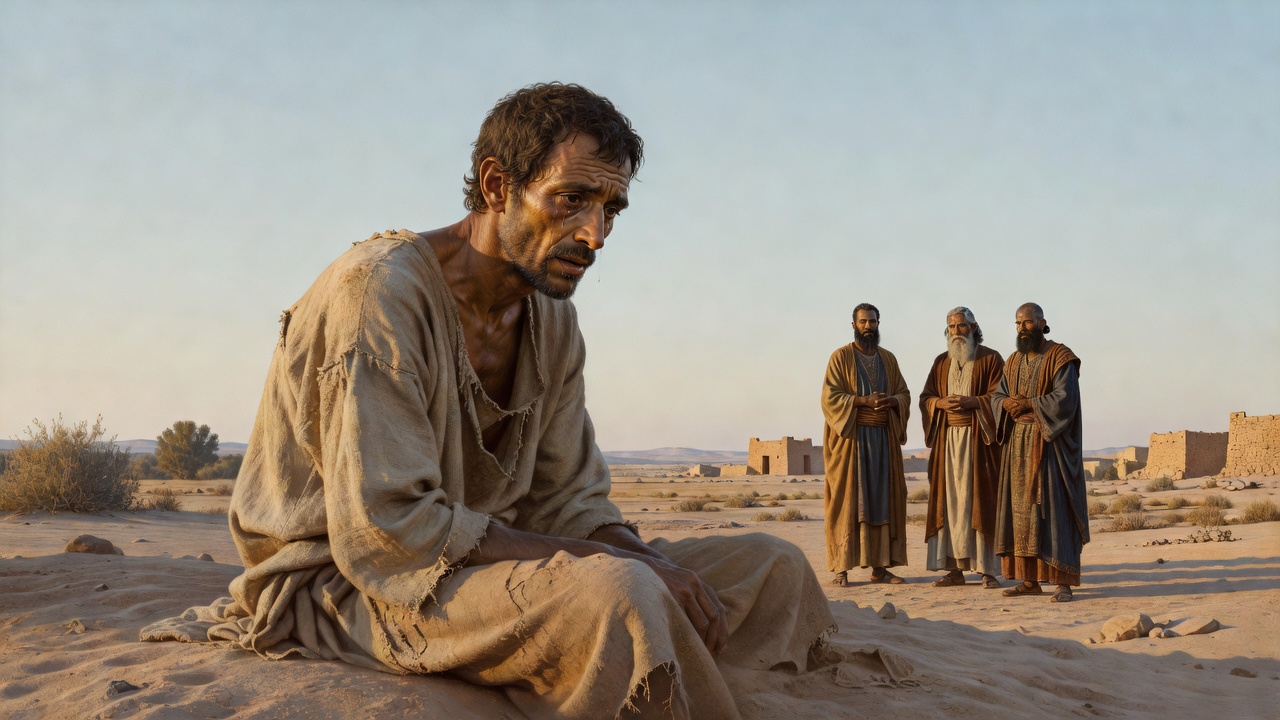
Job's Agony and Appeal to a Heavenly Witness
- Job rebukes his companions as miserable comforters whose speeches bring no relief. To express the depth of his humiliation and mourning, he notes that he has sewn sackcloth over his skin and buried his horn in the dust, using the horn as an ancient symbol of strength, honor, and dignity.Sources: the Bible text itself
- Despite suffering devastating physical and emotional anguish while surrounded by mocking companions, Job insists that his hands are free of violence and his prayer is pure. Looking beyond his earthly accusers, he expresses confidence that he has an advocate and witness in heaven to plead his case.Sources: the Bible text itself · Job
Notes written with AI assistance from open sources (Theographic Bible Metadata, CC BY-SA 4.0; Easton’s Bible Dictionary, public domain) and reviewed before publishing.
Credits and license for this translation
الكتاب المقدس باللغة العربية، فان دايك
Arabic Van Dyck translation of the Holy Bible
Public Domain
Language: العربية (Arabic)
Dialect: standard
Translation by: Syrian Mission
Contributor: American Bible Society
2020-08-03
Source: http://ebible.org/arb-vd/ · eBible.org