Job 14
الكتاب المقدس باللغة العربية، فان دايك · Tap a verse to see its cross-references.
1«اَلْإِنْسَانُ مَوْلُودُ ٱلْمَرْأَةِ، قَلِيلُ ٱلْأَيَّامِ وَشَبْعَانُ تَعَبًا. 2يَخْرُجُ كَٱلزَّهْرِ ثُمَّ يَنْحَسِمُ وَيَبْرَحُ كَٱلظِّلِّ وَلَا يَقِفُ. 3فَعَلَى مِثْلِ هَذَا حَدَّقْتَ عَيْنَيْكَ، وَإِيَّايَ أَحْضَرْتَ إِلَى ٱلْمُحَاكَمَةِ مَعَكَ. 4مَنْ يُخْرِجُ ٱلطَّاهِرَ مِنَ ٱلنَّجِسِ؟ لَا أَحَدٌ! 5إِنْ كَانَتْ أَيَّامُهُ مَحْدُودَةً، وَعَدَدُ أَشْهُرِهِ عِنْدَكَ، وَقَدْ عَيَّنْتَ أَجَلَهُ فَلَا يَتَجَاوَزُهُ، 6فَأَقْصِرْ عَنْهُ لِيَسْتَرِحْ، إِلَى أَنْ يُسَرَّ كَٱلْأَجِيرِ بِٱنْتِهَاءِ يَوْمِهِ.
7«لِأَنَّ لِلشَّجَرَةِ رَجَاءً. إِنْ قُطِعَتْ تُخْلِفْ أَيْضًا وَلَا تُعْدَمُ خَرَاعِيبُهَا. 8وَلَوْ قَدُمَ فِي ٱلْأَرْضِ أَصْلُهَا، وَمَاتَ فِي ٱلتُّرَابِ جِذْعُهَا، 9فَمِنْ رَائِحَةِ ٱلْمَاءِ تُفْرِخُ وَتُنْبِتُ فُرُوعًا كَٱلْغِرْسِ. 10أَمَّا ٱلرَّجُلُ فَيَمُوتُ وَيَبْلَى. ٱلْإِنْسَانُ يُسْلِمُ ٱلرُّوحَ، فَأَيْنَ هُوَ؟ 11قَدْ تَنْفَدُ ٱلْمِيَاهُ مِنَ ٱلْبَحْرَةِ، وَٱلنَّهْرُ يَنْشَفُ وَيَجِفُّ، 12وَٱلْإِنْسَانُ يَضْطَجِعُ وَلَا يَقُومُ. لَا يَسْتَيْقِظُونَ حَتَّى لَا تَبْقَى ٱلسَّمَاوَاتُ، وَلَا يَنْتَبِهُونَ مِنْ نَوْمِهِمْ.
13«لَيْتَكَ تُوارِينِي فِي ٱلْهَاوِيَةِ، وَتُخْفِينِي إِلَى أَنْ يَنْصَرِفَ غَضَبُكَ، وَتُعَيِّنُ لِي أَجَلًا فَتَذْكُرَنِي. 14إِنْ مَاتَ رَجُلٌ أَفَيَحْيَا؟ كُلَّ أَيَّامِ جِهَادِي أَصْبِرُ إِلَى أَنْ يَأْتِيَ بَدَلِي. 15تَدْعُو فَأَنَا أُجِيبُكَ. تَشْتَاقُ إِلَى عَمَلِ يَدِكَ. 16أَمَّا ٱلْآنَ فَتُحْصِي خَطَوَاتِي، أَلَا تُحَافِظُ عَلَى خَطِيَّتِي! 17مَعْصِيَتِي مَخْتُومٌ عَلَيْهَا فِي صُرَّةٍ، وَتُلَفِّقُ عَلَيَّ فَوْقَ إِثْمِي.
18«إِنَّ ٱلْجَبَلَ ٱلسَّاقِطَ يَنْتَثِرُ، وَٱلصَّخْرَ يُزَحْزَحُ مِنْ مَكَانِهِ. 19ٱلْحِجَارَةُ تَبْلِيهَا ٱلْمِيَاهُ وَتَجْرُفُ سُيُولُهَا تُرَابَ ٱلْأَرْضِ، وَكَذَلِكَ أَنْتَ تُبِيدُ رَجَاءَ ٱلْإِنْسَانِ. 20تَتَجَبَّرُ عَلَيْهِ أَبَدًا فَيَذْهَبُ. تُغَيِّرُ وَجْهَهُ وَتَطْرُدُهُ. 21يُكْرَمُ بَنُوهُ وَلَا يَعْلَمُ، أَوْ يَصْغُرُونَ وَلَا يَفْهَمُ بِهِمْ. 22إِنَّمَا عَلَى ذَاتِهِ يَتَوَجَّعُ لَحْمُهُ وَعَلَى ذَاتِهَا تَنُوحُ نَفْسُهُ».
Did you know?
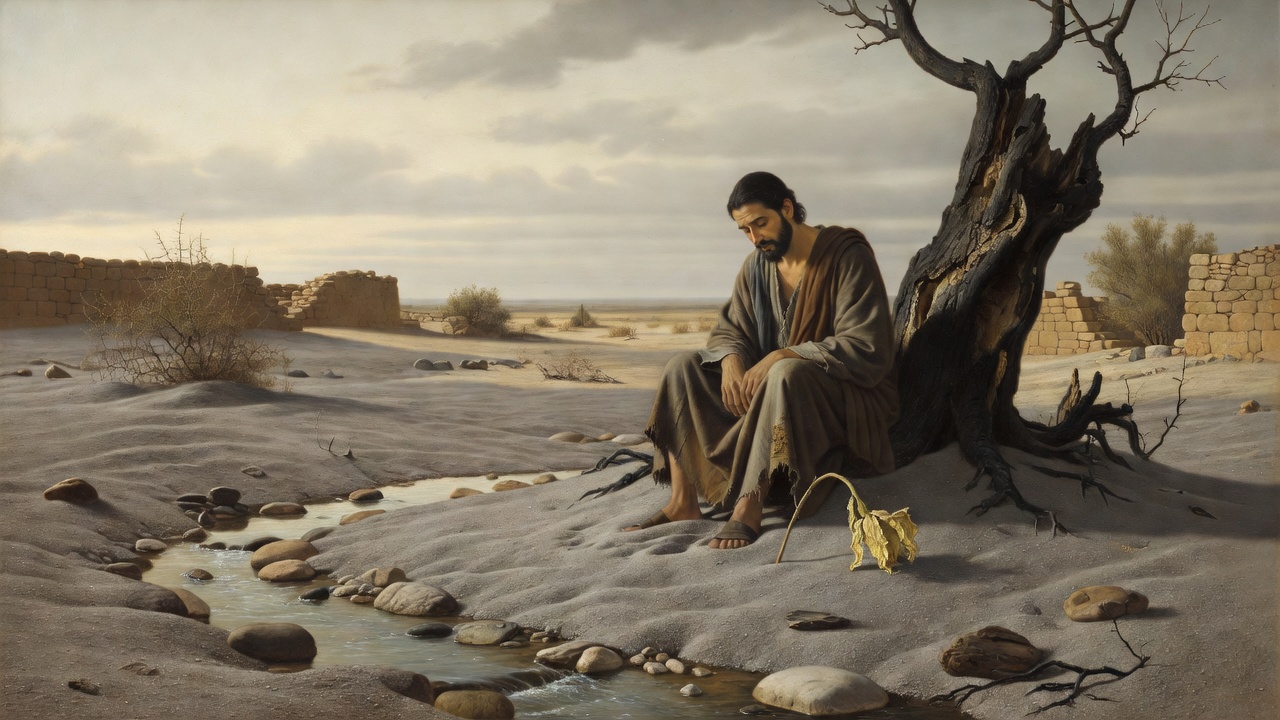
The Frailty of Life and the Hope of Renewal
- In this speech, Job contrasts the fate of mortals with that of a tree. While a felled tree can sprout new shoots at the scent of water even after its stump seems dead, a human being dies, lies down, and does not rise again to life on earth.Sources: the Bible text itself
- Job contemplates Sheol as a potential hiding place where he might be sheltered until divine anger passes, imagining a longing in which God would seal his transgressions in a bag and call upon the work of His hands.Sources: the Bible text itself
- To capture the brevity and decay of human existence, the chapter draws upon natural metaphors of erosion and transience, comparing human life to a fleeting shadow, a withered flower, and rocks worn down by water.Sources: the Bible text itself
Notes written with AI assistance from open sources (Theographic Bible Metadata, CC BY-SA 4.0; Easton’s Bible Dictionary, public domain) and reviewed before publishing.
Credits and license for this translation
الكتاب المقدس باللغة العربية، فان دايك
Arabic Van Dyck translation of the Holy Bible
Public Domain
Language: العربية (Arabic)
Dialect: standard
Translation by: Syrian Mission
Contributor: American Bible Society
2020-08-03
Source: http://ebible.org/arb-vd/ · eBible.org