Isaiah 50
الكتاب المقدس باللغة العربية، فان دايك · Tap a verse to see its cross-references.
خطية إسرائيل
1هَكَذَا قَالَ ٱلرَّبُّ: «أَيْنَ كِتَابُ طَلَاقِ أُمِّكُمُ ٱلَّتِي طَلَّقْتُهَا، أَوْ مَنْ هُوَ مِنْ غُرَمَائِي ٱلَّذِي بِعْتُهُ إِيَّاكُمْ؟ هُوَذَا مِنْ أَجْلِ آثَامِكُمْ قَدْ بُعْتُمْ، وَمِنْ أَجْلِ ذُنُوبِكُمْ طُلِّقَتْ أُمُّكُمْ. 2لِمَاذَا جِئْتُ وَلَيْسَ إِنْسَانٌ، نَادَيْتُ وَلَيْسَ مُجِيبٌ؟ هَلْ قَصَرَتْ يَدِي عَنِ ٱلْفِدَاءِ؟ وَهَلْ لَيْسَ فِيَّ قُدْرَةٌ لِلْإِنْقَاذِ؟ هُوَذَا بِزَجْرَتِي أُنَشِّفُ ٱلْبَحْرَ. أَجْعَلُ ٱلْأَنْهَارَ قَفْرًا. يُنْتِنُ سَمَكُهَا مِنْ عَدَمِ ٱلْمَاءِ، وَيَمُوتُ بِٱلْعَطَشِ. 3أُلْبِسُ ٱلسَّمَاوَاتِ ظَلَامًا، وَأَجْعَلُ ٱلْمِسْحَ غِطَاءَهَا».
4أَعْطَانِي ٱلسَّيِّدُ ٱلرَّبُّ لِسَانَ ٱلْمُتَعَلِّمِينَ لِأَعْرِفَ أَنْ أُغِيثَ ٱلْمُعْيِيَ بِكَلِمَةٍ. يُوقِظُ كُلَّ صَبَاحٍ، يُوقِظُ لِي أُذُنًا، لِأَسْمَعَ كَٱلْمُتَعَلِّمِينَ. 5ٱلسَّيِّدُ ٱلرَّبُّ فَتَحَ لِي أُذُنًا وَأَنَا لَمْ أُعَانِدْ. إِلَى ٱلْوَرَاءِ لَمْ أَرْتَدَّ. 6بَذَلْتُ ظَهْرِي لِلضَّارِبِينَ، وَخَدَّيَّ لِلنَّاتِفِينَ. وَجْهِي لَمْ أَسْتُرْ عَنِ ٱلْعَارِ وَٱلْبَصْقِ.
7وَٱلسَّيِّدُ ٱلرَّبُّ يُعِينُنِي، لِذَلِكَ لَا أَخْجَلُ. لِذَلِكَ جَعَلْتُ وَجْهِي كَٱلصَّوَّانِ وَعَرَفْتُ أَنِّي لَا أَخْزَى. 8قَرِيبٌ هُوَ ٱلَّذِي يُبَرِّرُنِي. مَنْ يُخَاصِمُنِي؟ لِنَتَوَاقَفْ! مَنْ هُوَ صَاحِبُ دَعْوَى مَعِي؟ لِيَتَقَدَّمْ إِلَيَّ! 9هُوَذَا ٱلسَّيِّدُ ٱلرَّبُّ يُعِينُنِي. مَنْ هُوَ ٱلَّذِي يَحْكُمُ عَلَيَّ؟ هُوَذَا كُلُّهُمْ كَٱلثَّوْبِ يَبْلَوْنَ. يَأْكُلُهُمُ ٱلْعُثُّ. 10مَنْ مِنْكُمْ خَائِفُ ٱلرَّبِّ، سَامِعٌ لِصَوْتِ عَبْدِهِ؟ مَنِ ٱلَّذِي يَسْلُكُ فِي ٱلظُّلُمَاتِ وَلَا نُورَ لَهُ؟ فَلْيَتَّكِلْ عَلَى ٱسْمِ ٱلرَّبِّ وَيَسْتَنِدْ إِلَى إِلَهِهِ. 11يَا هَؤُلَاءِ جَمِيعُكُمُ، ٱلْقَادِحِينَ نَارًا، ٱلْمُتَنَطِّقِينَ بِشَرَارٍ، ٱسْلُكُوا بِنُورِ نَارِكُمْ وَبِٱلشَّرَارِ ٱلَّذِي أَوْقَدْتُمُوهُ. مِنْ يَدِي صَارَ لَكُمْ هَذَا. فِي ٱلْوَجَعِ تَضْطَجِعُونَ.
Did you know?
The Obedient Servant and Divine Vindication
- In ancient Near Eastern legal custom, a husband issued a certificate of divorce to formalize a separation, and impoverished debtors might sell their children into servitude. In Isaiah 50:1, God uses these legal metaphors to demonstrate that Israel was not abandoned due to a divine debt or permanent annulment of the covenant, but went into exile because of its own transgressions.Sources: the Bible text itself
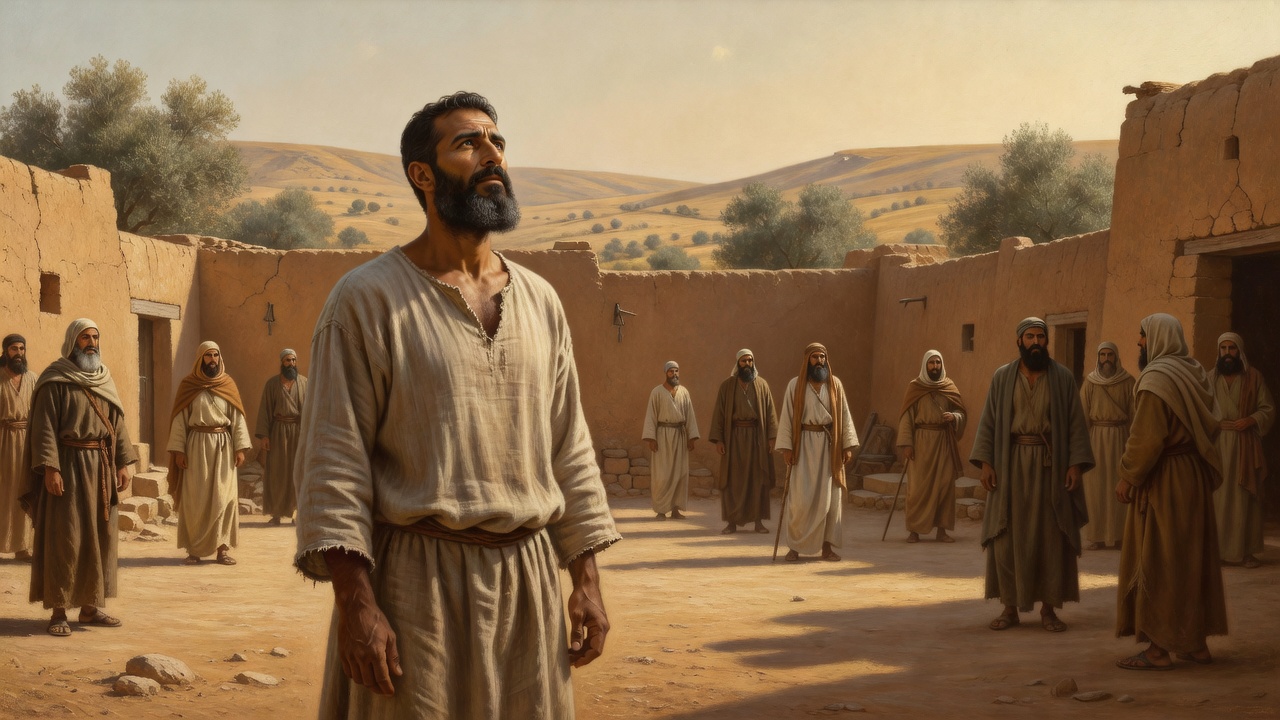
- The speaker in Isaiah 50:4–7 portrays the posture of an attentive disciple who willingly endures physical maltreatment, including beatings, the plucking of his beard, and being spat upon. Setting one's face 'like flint' is a vivid idiom signifying resolute determination and steadfast trust in God despite public shame and hostility.Sources: the Bible text itself
Notes written with AI assistance from open sources (Theographic Bible Metadata, CC BY-SA 4.0; Easton’s Bible Dictionary, public domain) and reviewed before publishing.
Credits and license for this translation
الكتاب المقدس باللغة العربية، فان دايك
Arabic Van Dyck translation of the Holy Bible
Public Domain
Language: العربية (Arabic)
Dialect: standard
Translation by: Syrian Mission
Contributor: American Bible Society
2020-08-03
Source: http://ebible.org/arb-vd/ · eBible.org