Deuteronomy 24
الكتاب المقدس باللغة العربية، فان دايك · Tap a verse to see its cross-references.
1«إِذَا أَخَذَ رَجُلٌ ٱمْرَأَةً وَتَزَوَّجَ بِهَا، فَإِنْ لَمْ تَجِدْ نِعْمَةً فِي عَيْنَيْهِ لِأَنَّهُ وَجَدَ فِيهَا عَيْبَ شَيْءٍ، وَكَتَبَ لَهَا كِتَابَ طَلَاقٍ وَدَفَعَهُ إِلَى يَدِهَا وَأَطْلَقَهَا مِنْ بَيْتِهِ، 2وَمَتَى خَرَجَتْ مِنْ بَيْتِهِ ذَهَبَتْ وَصَارَتْ لِرَجُلٍ آخَرَ، 3فَإِنْ أَبْغَضَهَا ٱلرَّجُلُ ٱلْأَخِيرُ وَكَتَبَ لَهَا كِتَابَ طَلَاقٍ وَدَفَعَهُ إِلَى يَدِهَا وَأَطْلَقَهَا مِنْ بَيْتِهِ، أَوْ إِذَا مَاتَ ٱلرَّجُلُ ٱلْأَخِيرُ ٱلَّذِي ٱتَّخَذَهَا لَهُ زَوْجَةً، 4لَا يَقْدِرُ زَوْجُهَا ٱلْأَوَّلُ ٱلَّذِي طَلَّقَهَا أَنْ يَعُودَ يَأْخُذُهَا لِتَصِيرَ لَهُ زَوْجَةً بَعْدَ أَنْ تَنَجَّسَتْ. لِأَنَّ ذَلِكَ رِجْسٌ لَدَى ٱلرَّبِّ. فَلَا تَجْلِبْ خَطِيَّةً عَلَى ٱلْأَرْضِ ٱلَّتِي يُعْطِيكَ ٱلرَّبُّ إِلَهُكَ نَصِيبًا.
5«إِذَا ٱتَّخَذَ رَجُلٌ ٱمْرَأَةً جَدِيدَةً، فَلَا يَخْرُجْ فِي ٱلْجُنْدِ، وَلَا يُحْمَلْ عَلَيْهِ أَمْرٌ مَّا. حُرًّا يَكُونُ فِي بَيْتِهِ سَنَةً وَاحِدَةً، وَيَسُرُّ ٱمْرَأَتَهُ ٱلَّتِي أَخَذَهَا.
6«لَا يَسْتَرْهِنْ أَحَدٌ رَحًى أَوْ مِرْدَاتَهَا، لِأَنَّهُ إِنَّمَا يَسْتَرْهِنُ حَيَاةً.
7«إِذَا وُجِدَ رَجُلٌ قَدْ سَرَقَ نَفْسًا مِنْ إِخْوَتِهِ بَنِي إِسْرَائِيلَ وَٱسْتَرَقَّهُ وَبَاعَهُ، يَمُوتُ ذَلِكَ ٱلسَّارِقُ، فَتَنْزِعُ ٱلشَّرَّ مِنْ وَسَطِكَ.
8«اِحْرِصْ فِي ضَرْبَةِ ٱلْبَرَصِ لِتَحْفَظَ جِدًّا وَتَعْمَلَ حَسَبَ كُلِّ مَا يُعَلِّمُكَ ٱلْكَهَنَةُ ٱللَّاوِيُّونَ. كَمَا أَمَرْتُهُمْ تَحْرِصُونَ أَنْ تَعْمَلُوا. 9اُذْكُرْ مَا صَنَعَ ٱلرَّبُّ إِلَهُكَ بِمَرْيَمَ فِي ٱلطَّرِيقِ عِنْدَ خُرُوجِكُمْ مِنْ مِصْرَ.
10«إِذَا أَقْرَضْتَ صَاحِبَكَ قَرْضًا مَّا، فَلَا تَدْخُلْ بَيْتَهُ لِكَيْ تَرْتَهِنَ رَهْنًا مِنْهُ. 11فِي ٱلْخَارِجِ تَقِفُ، وَٱلرَّجُلُ ٱلَّذِي تُقْرِضُهُ يُخْرِجُ إِلَيْكَ ٱلرَّهْنَ إِلَى ٱلْخَارِجِ. 12وَإِنْ كَانَ رَجُلًا فَقِيرًا فَلَا تَنَمْ فِي رَهْنِهِ. 13رُدَّ إِلَيْهِ ٱلرَّهْنَ عِنْدَ غُرُوبِ ٱلشَّمْسِ، لِكَيْ يَنَامَ فِي ثَوْبِهِ وَيُبَارِكَكَ، فَيَكُونَ لَكَ بِرٌّ لَدَى ٱلرَّبِّ إِلَهِكَ.
14«لَا تَظْلِمْ أَجِيرًا مِسْكِينًا وَفَقِيرًا مِنْ إِخْوَتِكَ أَوْ مِنَ ٱلْغُرَبَاءِ ٱلَّذِينَ فِي أَرْضِكَ، فِي أَبْوَابِكَ. 15فِي يَوْمِهِ تُعْطِيهِ أُجْرَتَهُ، وَلَا تَغْرُبْ عَلَيْهَا ٱلشَّمْسُ، لِأَنَّهُ فَقِيرٌ وَإِلَيْهَا حَامِلٌ نَفْسَهُ، لِئَلَّا يَصْرُخَ عَلَيْكَ إِلَى ٱلرَّبِّ فَتَكُونَ عَلَيْكَ خَطِيَّةٌ.
16«لَا يُقْتَلُ ٱلْآبَاءُ عَنِ ٱلْأَوْلَادِ، وَلَا يُقْتَلُ ٱلْأَوْلَادُ عَنِ ٱلْآبَاءِ. كُلُّ إِنْسَانٍ بِخَطِيَّتِهِ يُقْتَلُ.
17«لَا تُعَوِّجْ حُكْمَ ٱلْغَرِيبِ وَٱلْيَتِيمِ، وَلَا تَسْتَرْهِنْ ثَوْبَ ٱلْأَرْمَلَةِ. 18وَٱذْكُرْ أَنَّكَ كُنْتَ عَبْدًا فِي مِصْرَ فَفَدَاكَ ٱلرَّبُّ إِلَهُكَ مِنْ هُنَاكَ. لِذَلِكَ أَنَا أُوصِيكَ أَنْ تَعْمَلَ هَذَا ٱلْأَمْرَ.
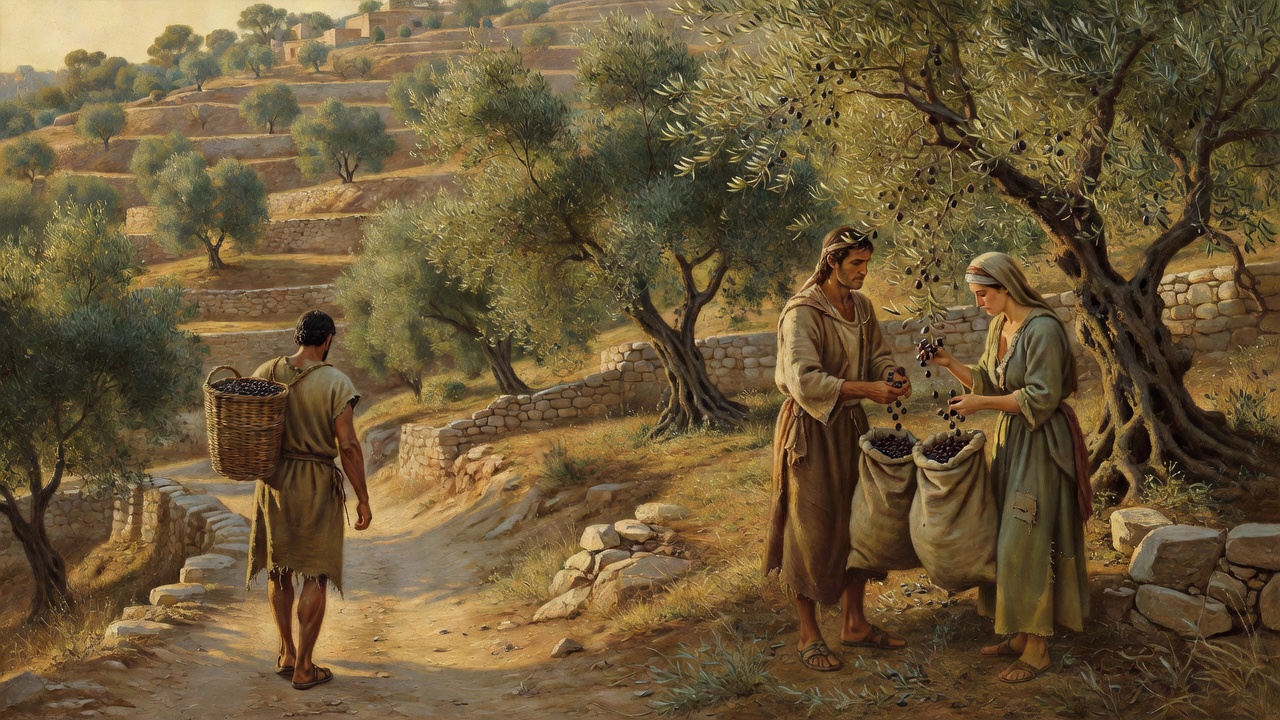
19«إِذَا حَصَدْتَ حَصِيدَكَ فِي حَقْلِكَ وَنَسِيتَ حُزْمَةً فِي ٱلْحَقْلِ، فَلَا تَرْجِعْ لِتَأْخُذَهَا، لِلْغَرِيبِ وَٱلْيَتِيمِ وَٱلْأَرْمَلَةِ تَكُونُ، لِكَيْ يُبَارِكَكَ ٱلرَّبُّ إِلَهُكَ فِي كُلِّ عَمَلِ يَدَيْكَ. 20وَإِذَا خَبَطْتَ زَيْتُونَكَ فَلَا تُرَاجِعِ ٱلْأَغْصَانَ وَرَاءَكَ، لِلْغَرِيبِ وَٱلْيَتِيمِ وَٱلْأَرْمَلَةِ يَكُونُ. 21إِذَا قَطَفْتَ كَرْمَكَ فَلَا تُعَلِّلْهُ وَرَاءَكَ. لِلْغَرِيبِ وَٱلْيَتِيمِ وَٱلْأَرْمَلَةِ يَكُونُ. 22وَٱذْكُرْ أَنَّكَ كُنْتَ عَبْدًا فِي أَرْضِ مِصْرَ. لِذَلِكَ أَنَا أُوصِيكَ أَنْ تَعْمَلَ هَذَا ٱلْأَمْرَ.
Did you know?
Laws of Compassion, Justice, and Social Protection
- Israelite harvesting laws required landowners to leave behind forgotten sheaves of grain, leftover olives, and grape gleanings for vulnerable groups: the resident foreigner, the orphan, and the widow. This social welfare system was grounded in the collective memory that the Israelites had once been oppressed slaves in Egypt.Sources: the Bible text itself · Egypt
- Debtors and hired workers were protected by explicit legal limits. Creditors were forbidden from entering a debtor's house to seize a pledge, taking essential millstones that provided a household's daily bread, or keeping an impoverished person's sleeping cloak past sunset, and day laborers had to be paid before nightfall.Sources: the Bible text itself
- When giving instructions concerning infectious skin diseases and the guidance of Levitical priests, the text points back to the affliction of Miriam, the sister of Moses and Aaron, during the wilderness journey following the Exodus from Egypt.Sources: the Bible text itself · Miriam · Egypt
Notes written with AI assistance from open sources (Theographic Bible Metadata, CC BY-SA 4.0; Easton’s Bible Dictionary, public domain) and reviewed before publishing.
Places in this chapter
Only places identified with high confidence are shown (90% or more according to the scholarly sources compiled by OpenBible). Period map: DARE (Digital Atlas of the Roman Empire), CC BY 4.0; modern map: © OpenStreetMap contributors; places: OpenBible.info (CC BY 4.0).
Credits and license for this translation
الكتاب المقدس باللغة العربية، فان دايك
Arabic Van Dyck translation of the Holy Bible
Public Domain
Language: العربية (Arabic)
Dialect: standard
Translation by: Syrian Mission
Contributor: American Bible Society
2020-08-03
Source: http://ebible.org/arb-vd/ · eBible.org