Amos 6
الكتاب المقدس باللغة العربية، فان دايك · Tap a verse to see its cross-references.
ويل للمتنعمين
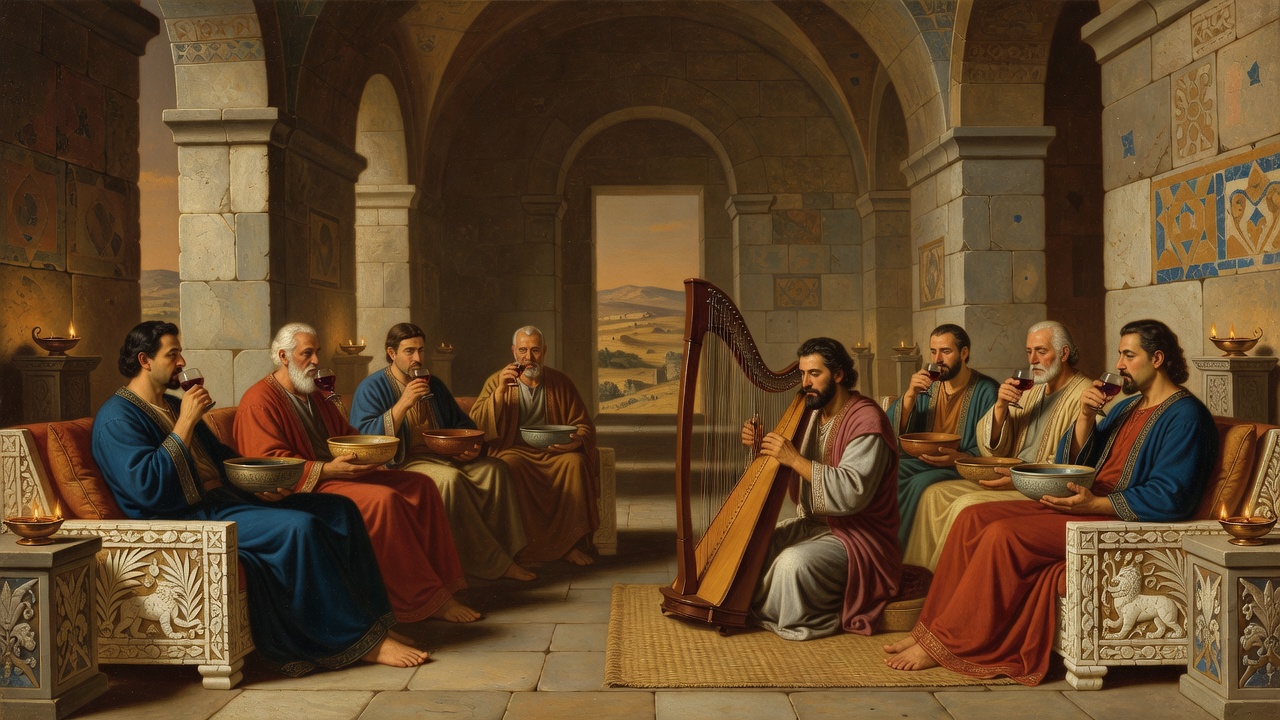
1وَيْلٌ لِلْمُسْتَرِيحِينَ فِي صِهْيَوْنَ، وَٱلْمُطْمَئِنِّينَ فِي جَبَلِ ٱلسَّامِرَةِ، نُقَبَاءِ أَوَّلِ ٱلْأُمَمِ. يَأْتِي إِلَيْهِمْ بَيْتُ إِسْرَائِيلَ. 2اُعْبُرُوا إِلَى كَلْنَةَ وَٱنْظُرُوا، وَٱذْهَبُوا مِنْ هُنَاكَ إِلَى حَمَاةَ ٱلْعَظِيمَةِ، ثُمَّ ٱنْزِلُوا إِلَى جَتِّ ٱلْفِلِسْطِينِيِّينَ. أَهِيَ أَفْضَلُ مِنْ هَذِهِ ٱلْمَمَالِكِ، أَمْ تُخُمُهُمْ أَوْسَعُ مِنْ تُخُمِكُمْ؟ 3أَنْتُمُ ٱلَّذِينَ تُبْعِدُونَ يَوْمَ ٱلْبَلِيَّةِ وَتُقَرِّبُونَ مَقْعَدَ ٱلظُّلْمِ، 4ٱلْمُضْطَجِعُونَ عَلَى أَسِرَّةٍ مِنَ ٱلْعَاجِ، وَٱلْمُتَمَدِّدُونَ عَلَى فُرُشِهِمْ، وَٱلْآكِلُونَ خِرَافًا مِنَ ٱلْغَنَمِ، وَعُجُولًا مِنْ وَسَطِ ٱلصِّيَرةِ، 5ٱلْهَاذِرُونَ مَعَ صَوْتِ ٱلرَّبَابِ، ٱلْمُخْتَرِعُونَ لِأَنْفُسِهِمْ آلَاتِ ٱلْغِنَاءِ كَدَاوُدَ، 6ٱلشَّارِبُونَ مِنْ كُؤُوسِ ٱلْخَمْرِ، وَٱلَّذِينَ يَدَّهِنُونَ بِأَفْضَلِ ٱلْأَدْهَانِ وَلَا يَغْتَمُّونَ عَلَى ٱنْسِحَاقِ يُوسُفَ. 7لِذَلِكَ ٱلْآنَ يُسْبَوْنَ فِي أَوَّلِ ٱلْمَسْبِيِّينَ، وَيَزُولُ صِيَاحُ ٱلْمُتَمَدِّدِينَ.
الرب يمقت كبرياء إسرائيل
8قَدْ أَقْسَمَ ٱلسَّيِّدُ ٱلرَّبُّ بِنَفْسِهِ، يَقُولُ ٱلرَّبُّ إِلَهُ ٱلْجُنُودِ: «إِنِّي أَكْرَهُ عَظَمَةَ يَعْقُوبَ وَأُبْغِضُ قُصُورَهُ، فَأُسَلِّمُ ٱلْمَدِينَةَ وَمِلْأَهَا». 9فَيَكُونُ إِذَا بَقِيَ عَشَرَةُ رِجَالٍ فِي بَيْتٍ وَاحِدٍ أَنَّهُمْ يَمُوتُونَ. 10وَإِذَا حَمَلَ أَحَدًا عَمُّهُ وَمُحْرِقُهُ لِيُخْرِجَ ٱلْعِظَامَ مِنَ ٱلْبَيْتِ، وَقَالَ لِمَنْ هُوَ فِي جَوَانِبِ ٱلْبَيْتِ: «أَعِنْدَكَ بَعْدُ؟» يَقُولُ: «لَيْسَ بَعْدُ». فَيَقُولُ: «ٱسْكُتْ، فَإِنَّهُ لَا يُذْكَرُ ٱسْمُ ٱلرَّبِّ». 11لِأَنَّهُ هُوَذَا ٱلرَّبُّ يَأْمُرُ فَيَضْرِبُ ٱلْبَيْتَ ٱلْكَبِيرَ رَدْمًا، وَٱلْبَيْتَ ٱلصَّغِيرَ شُقُوقًا.
12هَلْ تَرْكُضُ ٱلْخَيْلُ عَلَى ٱلصَّخْرِ؟ أَوْ يُحْرَثُ عَلَيْهِ بِٱلْبَقَرِ؟ حَتَّى حَوَّلْتُمُ ٱلْحَقَّ سَمًّا، وَثَمَرَ ٱلْبِرِّ أَفْسَنْتِينًا. 13أَنْتُمُ ٱلْفَرِحُونَ بِٱلْبُطْلِ، ٱلْقَائِلُونَ: «أَلَيْسَ بِقُوَّتِنَا ٱتَّخَذْنَا لِأَنْفُسِنَا قُرُونًا؟» 14«لِأَنِّي هَأَنَذَا أُقِيمُ عَلَيْكُمْ يَا بَيْتَ إِسْرَائِيلَ، يَقُولُ ٱلرَّبُّ إِلَهُ ٱلْجُنُودِ، أُمَّةً فَيُضَايِقُونَكُمْ مِنْ مَدْخَلِ حَمَاةَ إِلَى وَادِي ٱلْعَرَبَةِ».
Did you know?
Complacency and Impending Exile
- Amos addresses the ruling elite who felt secure in both Zion, the fortified hill of Jerusalem, and Mount Samaria, the capital of the northern kingdom built on an elevated summit by King Omri. Despite the natural defenses and prestige of these cities, their leaders are warned that their ease and overconfidence would end in captivity.Sources: Zion · Samaria · the Bible text itself
- The prophet challenges Israel to look at renowned foreign cities such as Calneh near the Euphrates, Hamath on the Orontes in Upper Syria, and the Philistine stronghold of Gath. These neighboring powers were neither smaller nor less protected, yet they could not escape destruction.Sources: Calneh · Hamath · Gath · the Bible text itself
- Amos criticizes the aristocracy for indulging in extravagant banquets, resting on beds inlaid with ivory, and improvising music on harps like David, all while ignoring the impending ruin of Joseph. The name Joseph here designates the northern tribes of Israel, whose moral decay and social injustice were neglected by their wealthy leaders.Sources: David · Joseph (son of Jacob) · the Bible text itself
Notes written with AI assistance from open sources (Theographic Bible Metadata, CC BY-SA 4.0; Easton’s Bible Dictionary, public domain) and reviewed before publishing.
Places in this chapter
- Samaria · 32.276, 35.195 · verses 1, 8
- Zion · Today: Jerusalem · 31.777, 35.234 · verse 1
- Hamath · Today: Hama · 35.136, 36.750 · verse 2
- Philistia · 31.664, 34.546 · verse 2
Only places identified with high confidence are shown (90% or more according to the scholarly sources compiled by OpenBible). Period map: DARE (Digital Atlas of the Roman Empire), CC BY 4.0; modern map: © OpenStreetMap contributors; places: OpenBible.info (CC BY 4.0).
Credits and license for this translation
الكتاب المقدس باللغة العربية، فان دايك
Arabic Van Dyck translation of the Holy Bible
Public Domain
Language: العربية (Arabic)
Dialect: standard
Translation by: Syrian Mission
Contributor: American Bible Society
2020-08-03
Source: http://ebible.org/arb-vd/ · eBible.org