Matthew 8
Teoso sãkire amaneri · Tap a verse to see its cross-references.
Kiki Maere Matati
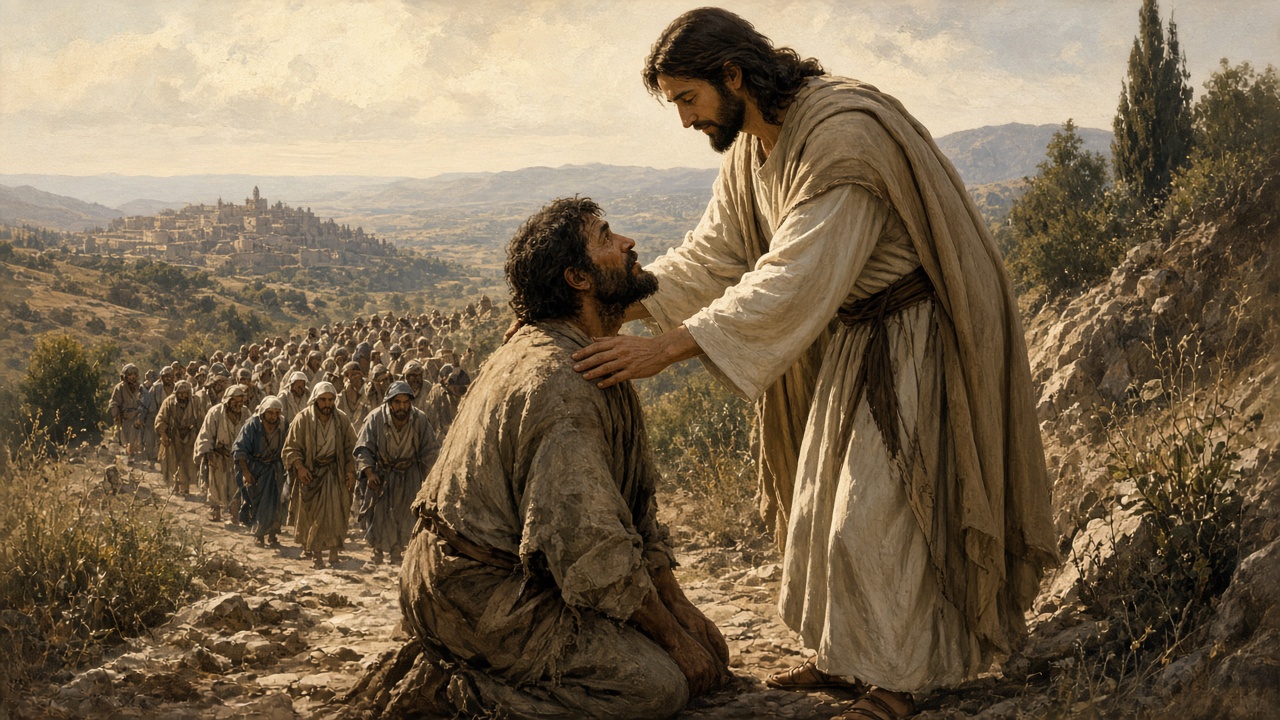
1Xesosi ixirata iokiriĩtaka atoko, itomaneri kãkiti sari iua tikini. 2Iuasaaki amianatakari maere matati apoka iuamoni. Ikapotoreẽkaua iua apisatoõ. Itxari:
—Nimarotari pinirekiniã, erekapeka pitxĩkitakano nota —itxa.
3Xesosi maãtakari iua. Ininiã itxa:
—Ari, ninirekapitikari. Erekapekai —itxari.
Iuasaakipeka erekapeka itxa. 4Ininiã Xesosi:
—Kona ĩkora !pisãpiretape apanakinimoni. Uatxa sasetotximoni pisa. Poerekaua iuamoni erekapeka pinini. Moisesini paniãtakiti atoko pikama. Pikaminiãri ipaniãtakiti atoko, ininiã ikinimane imarotari erekapeka pinini —itxa Xesosi.
Eereka isari Xesosi paniãtakiti ikamini ĩkapani.
Sotato Auĩte Nitiri Makananitiko
5Kapanaoõ sitatxiti apokasaaki, sotatoakori auĩte sari Xesosimoni. Homano itxaua. Iua iteene amanaãri Xesosi:
6—Xesosi, ninitiri iteene amianata naapoko. Ikikinanaka. !Itĩpokotaika. Inikoriãtsiitari —itxari Xesosi.
7Ininiã Xesosi:
—Iuaã nisako erekape inini ĩkapani —itxa Xesosi.
8Ininiã iua Homano:
—Konapitini. Pite auĩtetxi apiatakari pitxaua. Nota poiãorino. !Apakata naapoko piĩroini. Pisãkirenani piokanata. Ininiã erekapeka itxako ninitiri. 9Nimarotari ikaranani apakatako, kotxi nota kamari nota auĩte paniãtakiti. Apaka sotato auĩte nitxaua nota. Nisãkirauatakasaaki, nisotatone kamapitikari nipaniãtakiti. Nota txari: “Pisa.” Iuasaakipeka isa. Nitxari ãti: “Pina.” Iuasaakipeka ina itxa. “Ia pikama,” nitxari ninitiri. Iuasaakipeka ikamari. Ininiã pisãkirenani apakatapitika —itxari Xesosi.
10Isãkire Xesosi kenakotakasaaki, iteene ipotxitari isãkire. Iposo atoko itxa:
—Atão nitxai. Isaeo auakani poião auikari nisãkire. Ia Homano itxaua, iuaritika apiata iua auikari nota posotiire. Kona nitikapanikari kãkiti Isaeo auakari auikiniri nisãkire ia kiki auikiniri atoko. 11Nota sãpiretai hĩte, itomaneri kãkiti ãti uãka atokatxi pokĩkini tixinimoni auakani, atokatxi ereẽkokini tixinimoni auakani apaka, itomaneri itixi auakani kiiniritauatako Teoso auĩtetxi ininiãtaãua. Ninoa nipokotako anirimanekata kitxakapirĩka auakanikata. Apraão, Isaki, Xakoo pakinikata inipokotana. 12Iuasaaki apanakini Apraão apika mekaniriakori kona sari iua Teoso kiiniritemoni, kotxi ninoa !auikari Teoso sãkire. Piãkatximoni iokanataãkanako. Iuaã itxiapatanako, akatsakatsiriĩtauanako imisiritikona xika —itxa Xesosi sãkire.
13Ininiã Xesosi txari sotatoakori auĩte:
—Pisa paapokomoni. Pite auikari niposotiire pinitiri erekape inini ĩkapani. Uatxa auape pinirekakiti —itxa Xesosi.
Ininiã initiri iuasaakipeka erekape itxa.
Simão Petro Imakiro Makananitiko
14Iposo atoko Xesosi sari Petro aapokomoni. Iuaã apokasaaki, atamataro Petro imakiro. Osirimata nopini osirĩkanãta. Oãpoomata. 15Ininiã Xesosi takapiotaua ouako nopini. Iuasaakipeka apoomari xipoka. Ininiã oõkitikaua. Osikakienatana ninoa.
Xesosi Makananitana Amianatakani
16Mapiãpeka inakasaaki, kãkiti anikana itomaneri maerekati matamatakoti auaĩtotakini iuamoni. Isãkireẽ omitikana maerekani matamatakoni. Imakananitana ikinikana amianatakani. 17Ikara atoko itxa Xesosi, kotxi inirekari Isaía sãkire iaõka apokini. Kitxakapirĩka Teoso sãkire sãpiretakari Isaía inakori txari:
Iua tiretariko amianatakari. Imakatxakariko aamianare. Imakananitaua. Iuaka atatsiirauata ate ĩkapani.
Kãkiti Xesosi Imoianatinina Nireẽkani
18Itomaneri kãkiti iuakata auakasaaki, Xesosi txari imoianariakori:
—Masa ipiniãmoni —itxana.
19Iuasaakipeka ãti kaiõkatsopareri apoka Xesosimoni. Itxa:
—Koerekareri, nota iposope nisini pite nirekinimoni —itxa.
20Ininiã Xesosi:
—Atauako pinirekatari pisini notakata? Aripa aua auini iriko. Araãkani auari ikoa. Txamari nota kãkiti itari iaxitikiri !auari nimakiniãtaã —itxa Xesosi.
21Ãtipekana apoka Xesosimoni. Xesosi moianari iua. Itxari:
—Niauĩte, pauiritano niri nikatanapini merepanika, kotxi kiomãtxipekari iua. Eereka nisa pitekata —itxari.
Iteene iua !inirekari isini Xesosikata. 22Xesosi apakapapiretari:
—Notakata pisa uatxa. Nisãkire mauiãkani ipĩkani atoko itxana. Ininiã pauiritana ipĩkani katiniri inirimane nisãkire mauiãkani —itxa Xesosi.
Xesosi Iotokakiniri Ĩtima Pirena
23Iposo atoko, Xesosi imoianariakorikata iereẽtaua, ĩpiriãtinina ĩkapani. 24Mokatanitika ĩtima kataparari apoãkata. Tsakati okari ãparaã kanaua ãki. Iuasaaki Xesosi imakanãta. 25Imoianariakori sari iuamoni. Õpirĩkarina. Akiripoakatana:
—Apiananiri, !pauiritapiri apinini. Apinanapanoka —itxana.
26Ininiã Xesosi:
—Kinirepa hĩpĩkarauata? Poiãonoka hãuikari niposotiire —itxa.
Iposo atoko õkitikaua, pinita itxari ĩtima, tsakati pakini. Iuasaakipeka ĩtima, tsakati pakini iotoka. 27Ininiã imoianariakori tsorĩkaãta. Itxana:
—Natokopa inakaripa ia kiki? Ĩtima, tsakati pakini kenakotari isãkire —itxana imoianariakori.
Ipi Kiki Maerekani Matamatakoni Auaĩtotakini
28Ipiniã apokasaakina Xerasa tõpamoni, itaõkitarina ipi kiki itomane maerekani matamatakoni auaĩtotakini. Akauariã auanãtana. Paneenamana. Ikara xika kãkiti pĩkari akauarimoni isinina. 29Xesosi inaãpotakasaaki, maerekani matamatakoni iĩtoãna auakani akiripoakata:
—Xesosi, Teoso ãkiri pitxaua. Kiripa pinirekaka atemoni? Pite ina uaimoni amisiritiko õti apisapanika pimisiritiniua ĩkapani atxiĩti? —itxarina.
30Ikara ininiãtaã takote auana itomane irariakori. Ikira atoko inipokonãtana. 31Ininiã maerekani matamatakoni txari:
—Ate pomitikiniã, irariakorimoni piokanataua —itxarina.
32Ininiã Xesosi:
—Hĩsipeka ninoamoni —itxa.
Iuasaakipeka irariakori ĩtoã ĩroãna. Ininiã imakinikana irariakori miteẽkata. Iokiriĩkatana. Ipoamoni isana. Iuaã ikomokana, axãpoãta itxana. 33Ninoa irariakori nĩkatakani miteka sitatximoni. Iuaã ikinika isãpiretana irari ipinini pirena, kiki maerekani matamatakoni auaĩtotakini pirena apaka. 34Ininiã ikinimane sitatxikini sari Xesosi itaõkitinina ĩkapani. Iua itaõkitakasaakina, amanaãrina ninoa tixine itakanapini ĩkapani.
Did you know?
Healings, faith, and the sea
- Capernaum, which Jesus enters in this chapter, was a Galilean city not named in the Old Testament. Easton's Bible Dictionary (1897) says it became his “own city” after he left Nazareth, and it lists the centurion’s appeal and the healing at Peter’s house among the events set there.Sources: Capernaum · the Bible text itself
- Jesus says that many will come from east and west to share the banquet with Abraham, Isaac, and Jacob in the kingdom of heaven. Easton's Bible Dictionary (1897) calls Abraham the son of Terah and heir of the promises, Isaac Abraham’s only son by Sarah, and Jacob—also known as Israel—the younger twin son of Isaac and Rebekah.Sources: the Bible text itself · Abraham · Isaac · Jacob (Israel)
- Matthew presents that evening’s healings as fulfilling words spoken through the prophet Isaiah: “He took on our infirmities and carried our diseases.” Easton's Bible Dictionary (1897) identifies Isaiah as the son of Amoz, who prophesied in the reigns of Uzziah, Jotham, Ahaz, and Hezekiah.Sources: the Bible text itself · Isaiah
Notes written with AI assistance from open sources (Theographic Bible Metadata, CC BY-SA 4.0; Easton’s Bible Dictionary, public domain) and reviewed before publishing.
Places in this chapter
- Gadara · Today: Umm Qais · 32.656, 35.679 · verse 28
Only places identified with high confidence are shown (90% or more according to the scholarly sources compiled by OpenBible). Period map: DARE (Digital Atlas of the Roman Empire), CC BY 4.0; modern map: © OpenStreetMap contributors; places: OpenBible.info (CC BY 4.0).
Credits and license for this translation
Teoso sãkire amaneri
New Testament in Apurinã (BR:apu:Apurinã)
copyright © 2004 Wycliffe Bible Translators, Inc.
Language: Apurinã
Translation by: Wycliffe Bible Translators, Inc.
Copyright Information
© 2004, Wycliffe Bible Translators, Inc. All rights reserved.
This translation text is made available to you under the
terms of the Creative Commons License: Attribution-Noncommercial-No Derivative Works.
( http://creativecommons.org/licenses/by-nc-nd/3.0/ )
In addition, you have permission to port the text to different file formats, as long as you
do not change any of the text or punctuation of the Bible.
You may share, copy, distribute, transmit, and extract portions
or quotations from this work, provided that you include the above copyright
information:
You must give Attribution to the work.
You do not sell this work for a profit.
You do not make any derivative works that change any of the actual words or punctuation of the Scriptures.
Permissions beyond the scope of this license may be
available if you contact
us with your request.
The New Testament
in Apurinã
© 2004, Wycliffe Bible Translators, Inc. All rights reserved.
This translation is made available to you under the terms of the
Creative Commons Attribution-Noncommercial-No Derivatives license 4.0.
You may share and redistribute this Bible translation or extracts from it in any format, provided that:
You include the above copyright and source information.
You do not sell this work for a profit.
You do not change any of the words or punctuation of the Scriptures.
Pictures included with Scriptures and other documents on this site are licensed just for use with those Scriptures and documents.
For other uses, please contact the respective copyright owners.
2014-04-21
Source: http://ebible.org/apuNT/ · eBible.org