Acts 3
Teoso sãkire amaneri · Tap a verse to see its cross-references.
Petro, Matĩpokotakati Pakini
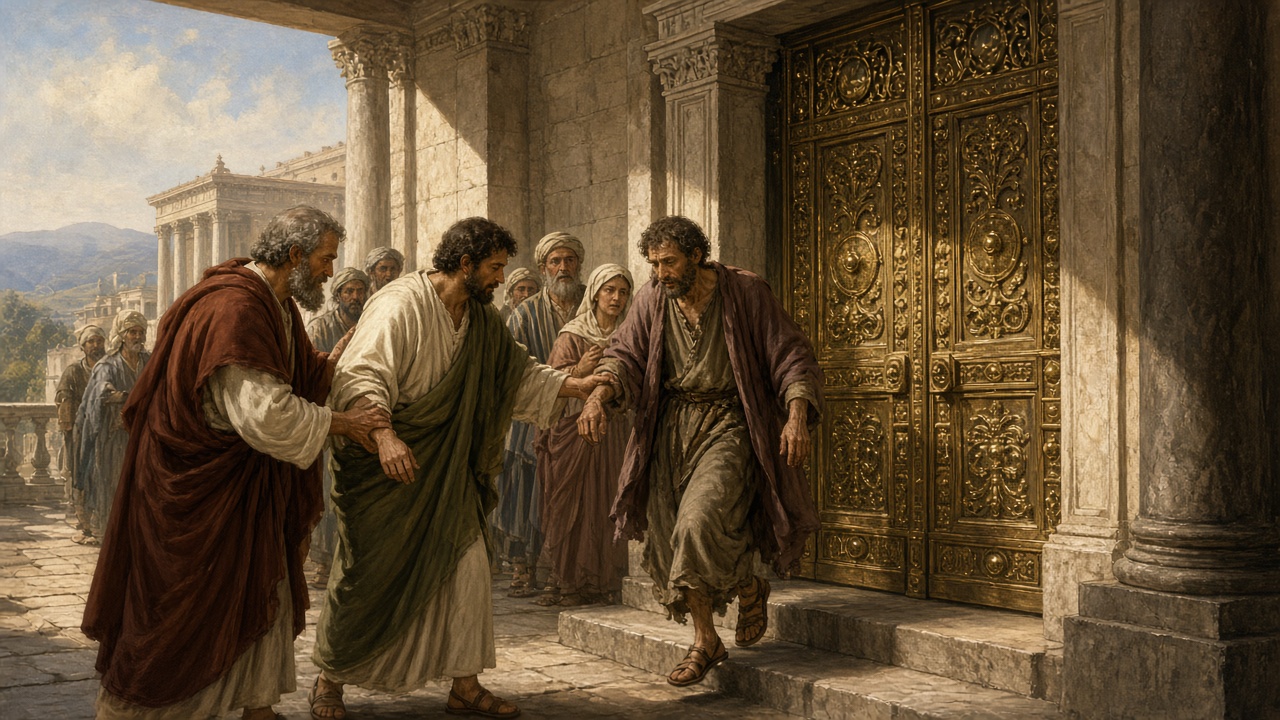
1Ãti õti mapiãtiki Petro, Xoão pakini sari Teoso misãkiretiko aikotimoni Teoso imisãkiretinina ĩkapani. 2Iuasaaki ikiniõtika kãkiti anikari matĩpokotakati Teoso misãkiretiko aikoti toremoni. Itore uãka “Peereri.” Iuaã matĩpokotakati amanaãri txineiro iuaã napakanimoni. Iponaniãkasaaki matĩpokotakati itxaua iua. 3Ininiã Petro, Xoão pakini ĩroãkasaaki, iua amanaãri txineiro:
—Txineiro hĩsikano —itxa.
4Ininiã Petro, Xoão apaka atamatari iua. Ininiã Petro txari:
—Patamataua.
5Ininiã iua matĩkati atamatana ninoa. Iuãkatari txineiro isikinina iuamoni. 6Ininiã Petro:
—Kona auari txineiro atemoni. Kona pirata aua atemoni. Oro apaka !auari. Iuaritika nota auakiti nisikapitikai. Xesosi, Teoso mereẽkiti, Nasareekiri, iua uãkaã põkitikauako. Pitĩpokotako —Petro txari iuamoni.
7Ininiã Petro maĩkari iuako ikikomonikiri õkitikiniua ĩkapani. Iuasaakipeka ikiti, ikitinota pakini kataparapeka itxa. 8Ininiã okakataua, tĩpokota itxa. Ĩroã Petro, Xoão pakinikata Teoso misãkiretiko aikoti ãki. Iroãkasaaki, okaãpokataua. Itĩpokoãpokata.
—Ari, peerekari Teoso —itxanãta.
9Ikinimane itikari iua tĩpokotini. Ikenakotari ixikarauatini Teosomoni. 10Ikinimane imarotari iua kiki aiko ĩronakikoãtaã “Peereri” inakoriãtaã topãkanãtakari, txineiro amanaãnãtakari iua. Ininiã ninoa:
—Anekani. Kiripa atxiĩti? Mitxi matĩpokotakati. Uatxa itĩpokotape. Kanatokopa itxa? —itxana.
Petro Sãpiretakiti Kãkitimoni
11Apanakini kenakopiretana ninoa, ininiã imitekana ninoamoni matĩpokotakati pirena imarotinina ĩkapani. Iuasaaki ninoa auiniãtaã akiritaãka “Saromão pakita.” Iuaã Petro, Xoão pakini aua mitxi matĩpokotakatikata. Iua maĩkakanokeãpotana Petro, Xoão pakini. 12Iua Petro atapana kãkiti ninoamoni ĩkani. Itxana:
—Isaeo auakanii, kinirepa hĩte tikoka ere kiki tĩpokotini hãtamatakasaaki? Kinirepa hĩte itikaua ate? Na ate posotiireẽni kamari iua tĩpokotini. Ate ereka anini kona kamari iua tĩpokotini. 13Apraãoni, Isakini, Xakooni pakini Teosone, aĩriakorini kitxakapirĩkarini Teosone, iuara oerekapekaua imi Xesosi ereka inini. Teoso ãkiripitikara itxaua. Iua posotiire auapitika. Iuakara hĩsika okiko ĩkapani. Eereka Pirato inakori nirekasaakiri isikakiniri. Hĩte !inirekari iua sikakiniri Xesosi. 14Iuasaaki hĩte kona nirekari erekarinoka kamakari. !Hinirekari iua atão inakarinoka kamakari. Hĩte amanaãri Pirato isikakiniri kokaniri hĩtemoni. 15Ininiãkara hĩte okapiri kãkiti auãki inini kamakari. Iuaritika ipĩkani sauaki Teoso õkitikari iua. Ate itikari atãopitikara iua õkitikiniri.
16—Ia kiki hĩtikakiti himarotakiti kataparapeka itxa, kotxi iua auikari Xesosi posotiire. Iua auikari Xesosi sãkire erekapeka inini ĩkapani. Hãtamatari hĩte apisatoõ iua ereka inini.
17—Ininiã uatxa nitariakori, nimarotari hĩte, hĩte auĩteakori pakini okapiri Xesosi atão himimarotakani xika. 18Kitxakapirĩka Teoso sãkire sãpiretakani oerekapekaua Kristo misiritiko. Ikara imisiritiko auapeka. 19Ikara atoko ininiã, hĩtakanapariko himaerekani. Erekari kimaporiti hinitako, ininiã Teoso makatxakari himaerekani. 20Iuasaaki Apiananiri kamapoxokonitai. Isikataparatai. Iuasaaki iua iokanatari Xesosi imereẽkiti hĩtemoni. 21Merepanika iua Xesosi kaikota iaxiti. Teoso kamariko imakinika amaneri. Iuasaaki Xesosi apoka iuaĩkana. Iua atokokana itxana Teoso sãkire sãpiretakani kitxakapirĩka. 22Kitxakapirĩka Moisesi txari:
Apiananiri hĩTeosone iokanatariko isãkire sãpiretakari hĩtemoni nota iokanatini atokokana. Hinirimane itxaua iua. Hĩkenakotariko ikinika isãpiretakiti hĩtemoni.
23Ikinimane iua sãkire makenakotakati xipokaãkako.
24—Teoso sãkire sãpiretakari Samoeo inakori, eereka ikinikana Teoso sãkire sãpiretakani pakini sãpiretapekari Teoso iokanatiniri imereẽkiti kãkitimoni ĩkorasaaki. 25Teoso sãkire sãpiretakani anaakorirai hĩte, ininiãkara isãkire ninoamoni, iuatxikana isãkire hĩtemoni uatxa. Itxari Apraãoni:
Ãti pimekaniri sikariko erekari ikini itixiti auakanimoni,
itxa Teoso. Ininiã ikara Teoso sikaenetakiti hĩkiomaneakorinimoni, hĩtemoni apaka isikaeneta. 26Ininiã Teoso iokanatari iua ãkiri Xesosi hĩtemoni merepitipanika. Iokanatari iua hĩtemoni erekari hĩtemoni isikini ĩkapani, himaerekani hĩtakanapini ĩkapani —itxa Petro.
Did you know?
Healing and Preaching at the Temple
- The temple gate called Beautiful, where a man lame from birth was placed each day to beg, is named in this chapter. It is supposed to have been the door from the court of the Gentiles into the court of the women, and it was massive, covered with plates of Corinthian brass.Sources: Beautiful Gate · the Bible text itself
- After the healing, the astonished crowd ran to Peter and John in the walkway called Solomon’s Colonnade. This was a colonnade, or cloister, probably on the eastern side of the temple; it is not mentioned with the first temple, but Josephus mentions a porch of that name in Herod’s temple.Sources: Solomon's Portico · the Bible text itself
- In his address there, Peter said the people had handed Jesus over and rejected him before Pilate, although Pilate had decided to release him. A dictionary entry identifies Pontius Pilate as the sixth Roman procurator of Judea, from A.D. 26 to 36, with headquarters at Caesarea, though he frequently went up to Jerusalem; his name comes into prominent notice in connection with the trial of Jesus.Sources: Pontius Pilate · the Bible text itself
Notes written with AI assistance from open sources (Theographic Bible Metadata, CC BY-SA 4.0; Easton’s Bible Dictionary, public domain) and reviewed before publishing.
Places in this chapter
- Beautiful Gate · Today: in Jerusalem · 31.777, 35.234 · verses 2, 10
- Nazareth · 32.702, 35.298 · verse 6
- Solomon’s Portico · Today: in Jerusalem · 31.777, 35.234 · verse 11
Only places identified with high confidence are shown (90% or more according to the scholarly sources compiled by OpenBible). Period map: DARE (Digital Atlas of the Roman Empire), CC BY 4.0; modern map: © OpenStreetMap contributors; places: OpenBible.info (CC BY 4.0).
Credits and license for this translation
Teoso sãkire amaneri
New Testament in Apurinã (BR:apu:Apurinã)
copyright © 2004 Wycliffe Bible Translators, Inc.
Language: Apurinã
Translation by: Wycliffe Bible Translators, Inc.
Copyright Information
© 2004, Wycliffe Bible Translators, Inc. All rights reserved.
This translation text is made available to you under the
terms of the Creative Commons License: Attribution-Noncommercial-No Derivative Works.
( http://creativecommons.org/licenses/by-nc-nd/3.0/ )
In addition, you have permission to port the text to different file formats, as long as you
do not change any of the text or punctuation of the Bible.
You may share, copy, distribute, transmit, and extract portions
or quotations from this work, provided that you include the above copyright
information:
You must give Attribution to the work.
You do not sell this work for a profit.
You do not make any derivative works that change any of the actual words or punctuation of the Scriptures.
Permissions beyond the scope of this license may be
available if you contact
us with your request.
The New Testament
in Apurinã
© 2004, Wycliffe Bible Translators, Inc. All rights reserved.
This translation is made available to you under the terms of the
Creative Commons Attribution-Noncommercial-No Derivatives license 4.0.
You may share and redistribute this Bible translation or extracts from it in any format, provided that:
You include the above copyright and source information.
You do not sell this work for a profit.
You do not change any of the words or punctuation of the Scriptures.
Pictures included with Scriptures and other documents on this site are licensed just for use with those Scriptures and documents.
For other uses, please contact the respective copyright owners.
2014-04-21
Source: http://ebible.org/apuNT/ · eBible.org