Romans 16
Ŋwɛ menomenyɛɛ́ mekɛ́ · Tap a verse to see its cross-references.
Pɔl alɔɔ́ matame mbaá bɔɔ́ Ɛsɔwɔ né Rom
1Nkɛlege mampyɛ ɛnyú dékaá nnó Fobe, meŋmɛ sé ayi mendée awyaá gepɔ gelɔ́gélɔ́. Ji alu mempoó né ɛchomelé bɔɔ́ Jisɔs né melɔ Sɛnkrea. 2Ndɛre ji achwɔɔ́ ɛwu sɛgé ji ndɛre bɔɔ́ Jisɔs ásɛle ntɛ meŋmɛ. Pógé ji né yɛ́ndégenó ɛyigé ji akɛlegé néndé ji apoó mɛ gejamégé bɔɔ́ yɛ́ me ntó.
3Tamegé Priska ɛbwɔ́ ne Akwila. Ɛbwɔ́ ácho mbwa ne me dépyɛɛ́ utɔɔ́ Kras Jisɔs. 4Ɛla dachyɛɛ́ mbɔ áchyɛ gemɛge bwɔ́ getú ya. Me ntame ɛbwɔ́ yɛ́ machomélé bɔɔ́ Jisɔs ayi álu né gebagé mewaá bɔɔ́ abi álá pɔ́ bɔɔ́ Jus átame ntó ɛbwɔ́. 5Tamage ntó ɛchomelé bɔɔ́ Jisɔs abi anywerege né gepúge ɛbwɔ́.
Tamegé ntó Ɛpenɛtus mejeé wa ayi ngbóo ne ji. Ji alu muú mbɛ ayi akame ne Kras né gebagé mewaá Ɛsya. 6Tamege Mɛri muú apyɛ utɔɔ́ ne ɛshyɛ né galɔ́gálɔ́ nyú. 7Tamegé Andronikɔs ne Junias atɛ bɔɔ́ melɔ wa. Ɛbwɔ́ abɔ alú né denɔ chóncho ne me. Ɛbwɔ́ ábɔ́ mɛ mbɛ ácho mmyɛ ne Kras gemɛgé nnó me ncho. Ɛbwɔ́ álú bɔɔ́ abi áwyaá ɛnógé né geluage áŋgbá Kras.
8Tamegé Amplatɔs ntɛ meŋmɛ ayi ngbóo ne ji dɔɔ́ gétúgé déchomé mmyɛ ne Ata. 9Tamegé Ubanɔs ntɛ meŋmɛ ayi apyɛ utɔɔ́ Kras chóncho ne ɛsé ne Stakys mejeé wa ngbóo ne ji. 10Tamegé Apɛlis muú alɛré wáwálé nnó ji alú muú Kras. Tamegé ntó ula gepúgé Aristobolos. 11Tamegé Hɛrɔdyɔn muú melɔ wa. Tamegé ntó abi álu bɔɔ́ Jisɔs né ula gepúgé Nasisɔs.
12Tamegé Trifana ne Trifɔsa. Andée bina ápyɛɛ́ utɔɔ́ Ata ne ɛshyɛ. Tamegé Pɛsis, mejeé wa ayi gejeé. Mendée ayina apyɛ utɔɔ́ Ata ne ɛshyɛ. 13Tamegé Rufɔs muú Ata ajyaá. Tamegé ntó mma awuú muú asɛlé me ndɛre maá awuú. 14Tamegé Asinkritɔs ne Filɛgɔn, ne Hɛmɛs ne Patrobas ne Hɛmas ne aŋmɛ abifɔ abi álu ne ɛbwɔ́. 15Tamegé Filologɔs ne Julya ne Nɛrɔs ne meŋmo wuú ayi mendée ne Olymfas ne bɔɔ́ Ɛsɔwɔ ako abi alu ne ɛbwɔ́.
16Tyagé atɛ ne gejeé. Machomele bɔɔ́ Kras ako áyi álú wé álɔɔ́ ɛnyú matamé.
Pɔl achyɛɛ́ bɔɔ́ Kras né Rom kwyakwya majyɛɛ́
17Aŋmɛ ba, nnɛne ɛnyú mmyɛ nnó desɛ gébé ne bɔɔ́ abi áchwɔɔ́ ne áŋgya, ne ábúlége matɔɔ́ bɔɔ́ abi áfyɛ metɔɔ́ ne Kras. Ɛbwɔ́ álɛrege unó bi cha ɛbi ula upɔ́ fɔ́ unó bi bɔɔ́ Kras. Bɛge tɛtɛ ne ɛbwɔ́. 18Ufɔɔ́ bɔɔ́ bina ápyɛ fɔ́ utɔɔ́ Ata sé Kras. Apyɛ lé unó bi ɛbwɔ́ áwuú chaŋéné. Ásɛlé gelɔ́ge mejɔɔ́ ne mejɔɔ́ dembwɔlé ánywaá bɔɔ́ abi matɔɔ́ bwɔ́ álu dada. 19Yɛ́ndémuú Kras akaá nnó ɛnyú dépyɛ unó bi abya melɔ́mélɔ́ áké ɛnyú dépyɛge. Gétú ɛyigémbɔ metɔɔ́ ɛgɔɔ́ me ne ɛnyú. Yɛ́mbɔ nkɛlege nnó ɛnyú débɛ ne déŋga nnó dépyɛgé uno ulɔ́úlɔ́, ne nkɛlege ntó nnó débɛ chiŋ ɛ́kágé dépyɛgé unó nchyɛ. 20Ɛla dachyɛɛ́, Ɛsɔwɔ muú apyɛɛ́ ɛsé débɛɛ́ nesɔ ne atɛ apyɛ nyɛ ɛnyú dépwɔɔ́ danchɔmeló, ji ala ɛké déjyaré ne uka.
Nnɛnemmyɛ nnó Ata sé Jisɔs Kras alɛré ɛnyú galɔ́gálɔ́.
21Timɔti ntɛ muú ayi mpyɛɛ́ utɔɔ́ uluá ne ji atamegé ɛnyú. Lukiɔs ne Jasɔn ne Sɔsipata atɛ bɔɔ́ melɔ wa álɔɔ́ ntó ɛnyú matame.
22Me Tɛtiyɔs muú mpógé Pɔl mansa ŋwɛ ayina, nlɔɔ́ ɛnyú matamé ndɛre muú ayi áchomé mmyɛ ne Ata.
23Gayɔs muú ábelé me, ne ɛchomele bɔɔ́ Jisɔs abi anywerege né gepú ji álɔɔ́ ɛnyú matame. Ɛrastus muú ábélege ŋka melɔ ne meŋmɛ sé Kwatɔs álɔɔ́ ɛnyú matame. 24[Nnɛnemmyɛ nnó Ata Jisɔs Kras alɛrege ɛnyú galɔ́gálɔ́.]
Pɔl afɛgé Ɛsɔwɔ né kwyakwya malɔ ŋwɛ yina
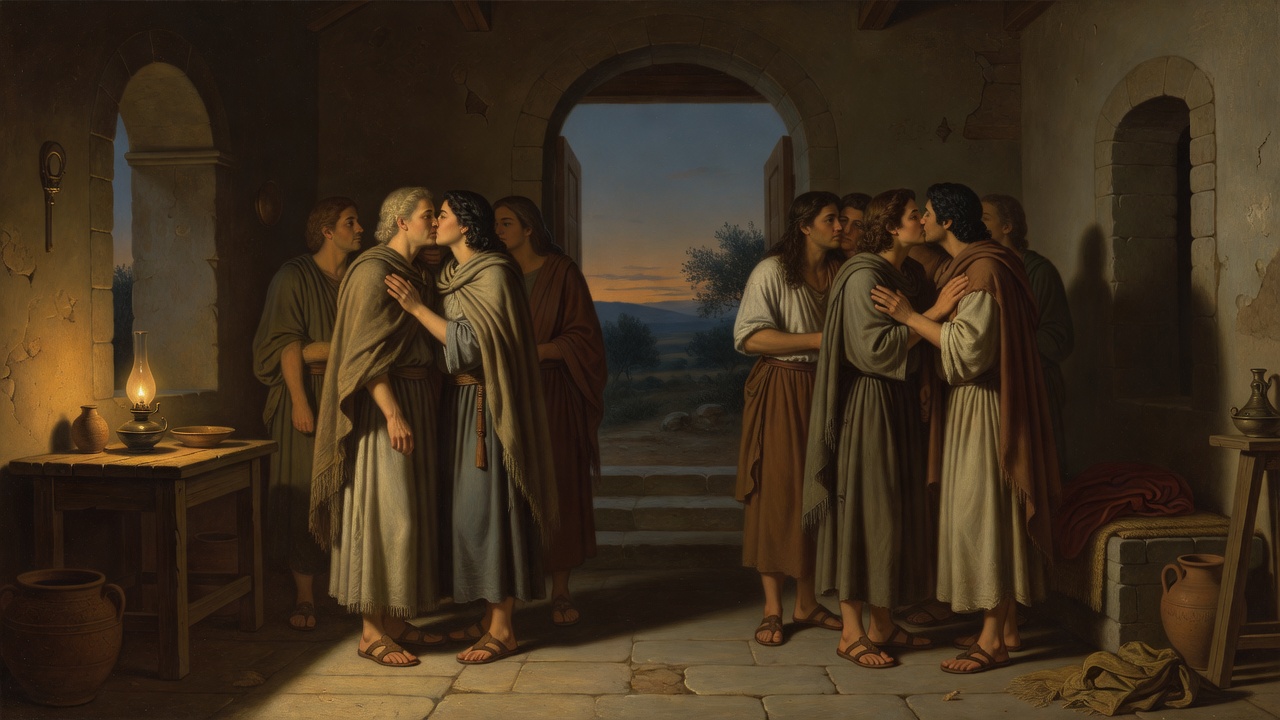
25Déchyɛ Ɛsɔwɔ ŋgɔ. Ji akaágé pyɛ ɛnyú détɛné ne ɛshyɛ né metɔɔ́ ɛwé ɛnyú défyɛɛ́ ne Jisɔs Kras ndɛre me ngaré ɛnyú depɔré Kras né abya melɔ́mélɔ́. Ne abya melɔ́mélɔ́ yina alu lé genó ɛyigé Ɛsɔwɔ ábelé nya bibií tɛ gachií. 26Yɛ́mbɔ nana Ɛsɔwɔ alɛré gbɔŋɔnɔ unó bi ji abɔ abelé bibií. Ɛsɔwɔ muú álá agboó fɔ́ ajɔɔ́ nnó dégaré unó bi bɔɔ́ ɛkpávé bií ábɔ́ ásamé mbaá bɔɔ́ mme meko nnó áfyɛɛ́ metɔɔ́ ne Ɛsɔwɔ ne áwúgé ne ji.
27Ŋgɔ abɛ ne Ɛsɔwɔ tɛ kwyakwya. Ji mbií ne awyaá déŋga deko. Ɛbɛ mbɔ, gétúgé genó ɛyigé Jisɔs Kras apyɛɛ́. Amɛn.
Did you know?
Greetings to the church in Rome
- Paul commends Phoebe, a servant of the church in Cenchrea, and asks the recipients in Rome to welcome her and help her with whatever she needs, because she has been a great help to many people, including him. Cenchrea was the eastern harbor of Corinth, about nine miles east of the city and the outlet for its trade with the Asiatic shores of the Mediterranean; Easton's Bible Dictionary (1897) says she was probably the bearer of this letter.Sources: the Bible text itself · Phebe · Cenchreae
- Paul greets Prisca and Aquila, his fellow workers in Christ Jesus, who risked their lives for him, and also the church that meets in their house; he says that not only he but all the churches of the Gentiles are grateful to them. Easton's Bible Dictionary (1897) calls her Priscilla and describes Aquila as a tent-maker from Pontus who, with his wife, left Rome because of a decree of Claudius in A.D. 50 commanding all Jews to leave the city; her name sometimes comes before his, as it does here.Sources: the Bible text itself · Priscilla · Aquila
- Near the close, Tertius, who wrote the letter down, adds his own greeting. Gaius, who has hosted Paul and all the church, also sends greetings, as do Erastus, the city treasurer, and Quartus.Sources: the Bible text itself
Notes written with AI assistance from open sources (Theographic Bible Metadata, CC BY-SA 4.0; Easton’s Bible Dictionary, public domain) and reviewed before publishing.
Places in this chapter
Only places identified with high confidence are shown (90% or more according to the scholarly sources compiled by OpenBible). Period map: DARE (Digital Atlas of the Roman Empire), CC BY 4.0; modern map: © OpenStreetMap contributors; places: OpenBible.info (CC BY 4.0).
Credits and license for this translation
Ŋwɛ menomenyɛɛ́ mekɛ́
New Testament in Denya (CM:anv:Denya)
copyright © 2010 Wycliffe Bible Translators, Inc.
Language: Denya
Translation by: Wycliffe Bible Translators, Inc.
Copyright Information
© 2010, Wycliffe Bible Translators, Inc. All rights reserved.
This translation text is made available to you under the
terms of the Creative Commons License: Attribution-Noncommercial-No Derivative Works.
( http://creativecommons.org/licenses/by-nc-nd/3.0/ )
In addition, you have permission to port the text to different file formats, as long as you
do not change any of the text or punctuation of the Bible.
You may share, copy, distribute, transmit, and extract portions
or quotations from this work, provided that you include the above copyright
information:
You must give Attribution to the work.
You do not sell this work for a profit.
You do not make any derivative works that change any of the actual words or punctuation of the Scriptures.
Permissions beyond the scope of this license may be
available if you contact
us with your request.
The New Testament
in Denya
© 2010, Wycliffe Bible Translators, Inc. All rights reserved.
This translation is made available to you under the terms of the
Creative Commons Attribution-Noncommercial-No Derivatives license 4.0.
You may share and redistribute this Bible translation or extracts from it in any format, provided that:
You include the above copyright and source information.
You do not sell this work for a profit.
You do not change any of the words or punctuation of the Scriptures.
Pictures included with Scriptures and other documents on this site are licensed just for use with those Scriptures and documents.
For other uses, please contact the respective copyright owners.
2024-02-11
Source: http://ebible.org/anvNT/ · eBible.org