Revelation 3
Ŋwɛ menomenyɛɛ́ mekɛ́ · Tap a verse to see its cross-references.
Ŋwɛ yi átɔme mbaá ɛchomele bɔɔ́ Ɛsɔwɔ né melɔ́ Sadis
1Ama ajɔɔ́ aké, “Sa ŋwɛ yina ɔtɔ mbaá ɛkiɛ́nné Ɛsɔwɔ ɛwé ɛchomele bɔɔ́ Ɛsɔwɔ né melɔ Sadis.
“Garé ɛbwɔ́ ɔke, gɛge mekomejɔɔ́ ayi atane mbaá muú ayi abɔɔ́ mandoó akénéama ayi ápyɛɛ́ utɔɔ́ Ɛsɔwɔ ne ambe akénéama, nkaá unó bi ɛnyú dépyɛɛ́. Bɔɔ́ ágɛ́gé ɛnyú áké délú abɛ sanji degbo. 2Kwilege tɛ́né, défyɛ ɛshyɛ mampyɛge unó bi ɛnyú déle délyaá mampyɛge nnó ɛ́kágé dékpɛ délyaá kaŋka, nénde ngɛ nnó utɔɔ́ nyú úlú dantɛne cho né mbɛ ushu Ɛsɔwɔ. 3Tɛge yɛ́ unó bi alɛre ɛnyú ne ndɛre déwuú, kwɔrege matɔɔ́ nyú dekwɔlege unó bimbɔ cháŋéné. Mbɔgé dékwilé tɛné wɔ́, nchwɔɔ́ nyɛ ɛta nyú ɛké menjo né gébé ɛyigé ɛnyú délá kaágé. 4Yɛ́mbɔ ukɛke bɔɔ́ abifɔ alú né geluage nyú né melɔ Sadis abi álá ágilé fɔ́ mawule ɛbwɔ́ wɔ́, mmyɛke áchɔ fɔ́ menyammyɛ ɛbwɔ́ ne gabo wɔ́. Ɛbwɔ́ afyɛɛ́ nyɛ mandée pópó akɛne ne me nénde ákwane mambɛ bɔɔ́ ba. 5Ne muú ayi ammyɛ kpaá ápwɔɔ́ gabo, áfyɛɛ́ nyɛ ji mandeé pópó ɛke ɛbwɔ́. Ne me mferege fɔ mabɔ ɛbwɔ́ né mmu ŋwɛ ayi asamé mabɔ bɔɔ́ abi awyaá geŋwá ɛyi gélágé byɛ́. Ne me ngarége nyɛ gbɔŋɔnɔ né mbɛ ushu Ntɛ wa ne makiɛ́nné jií ntó nnó, ji alú muú wa.
6“Muú ayi awyaá matu awú genó ɛyi Mendoó Ukpea ɛjɔ́ge mbaá machomele bɔɔ́ Ɛsɔwɔ.”
Ŋwɛ yi átɔme mbaá ɛchomele bɔɔ́ Ɛsɔwɔ né melɔ́ Filadɛlfya
7Ama ajɔɔ́ aké, “Sa ŋwɛ yina ɔtɔ mbaá ɛkiɛ́nné Ɛsɔwɔ ɛwé ɛchomele bɔɔ́ Ɛsɔwɔ né melɔ Filadelfya.
“Garé ɛbwɔ́ ɔké, gɛgé mekomejɔɔ́ ayi atane mbaá muú ukpea ayi muú akage neré metɔɔ́ ne ji. Ji ne ágbaré agbɔ́gɔ́lɔ́ mfwa Dɛvid ayi achyɛge ji uto mamgbaré gefwa ndɛre mfwa Dɛvid. Ne ánénege menombi yɛ́ muú ayi akáge gbɛ ɛwú apɔ́, agbɛge ntó menombi yɛ́ muú ayi akáge nené ɛwú apɔ́. 8Me nkáge unó bi ɛnyú dépyɛɛ́. Gɛge me nnɛne mbɔ ɛnyú menombí ne yɛ́ muú ayi ákagé gbɛ ɛwú apɔ́. Nkaá nnó ɛnyú dépɔ fɔ́ né ɛshyɛ, yɛ́mbɔ ɛnyú dékwɔlege wyɛ unó bi me nlɛre délú danshyá nnó dékaágé fɔ́ me. 9Wúgé! Bɔɔ́ danchɔmeló abi ábyɔge gebyɔ nnó álú bɔɔ́ Jus ne ápɔ́, mpyɛ nyɛ ɛbwɔ́ ato mano né mbɛ ushu nyú, ne ákaá nnó me mbɔ gejeé ne ɛnyú. 10Ɛnyú dékwɔlege wyɛ unó bi ngaré ɛnyú nnó dékoge metɔɔ́ gétú ɛyigémbɔ, mento mpyɛ nyɛ nnó ɛnyú dékpɛgé fɔ́ ne ɛfwyale ɛwé ɛchwɔɔ́ nyɛ né mme meko. Ɛfwyale ɛwémbɔ ɛlú ɛlé mamua bɔɔ́ mme meko. 11Ɛla gachyɛɛ́ me nchwɔɔ́, gbarege unó bi défyɛɛ́ metɔɔ́ wyɛɛ́ cháŋéné nnó ɛkágé muú fɔ́ afɔɔ́ nsa nyú. 12Muú ayi ammyɛ apwɔɔ́ gabo, mempyɛɛ́ nyɛ ji álá ɛké gekwa ɛyi muú álá akágé nyií né mmu ɛcha upɛ Ɛsɔwɔ wa. Ne alyagé fɔ́ geji tɛ kwyakwya. Nsamé nyɛ mabɔ Ɛsɔwɔ né menyammyɛ wuú ne amí melɔ Ɛsɔwɔ wa. Melɔ ɛwémbɔ ɛlé melɔ Jɛrosalɛ ayi mekɛ ayi atane mfaánebuú mbaá Ɛsɔwɔ ashulé fa mme. Ne nsamé nyɛ ntó mabɔ ma ami makɛ né menyammyɛ wuú. 13Muú ayi awyaá matu awú genó ɛyi Mendoó Ukpea ɛjɔ́gé mbaá machomele bɔɔ́ Ɛsɔwɔ.”
Ŋwɛ yi átɔme mbaá ɛchomele bɔɔ́ Ɛsɔwɔ né melɔ́ Laodisha
14Ama ajɔɔ́ aké, “Sá ŋwɛ yina ɔtɔ́ mbaá ɛkiɛ́nné Ɛsɔwɔ ɛwé ɛchomele bɔɔ́ Ɛsɔwɔ né melɔ Laodisha.
“Gáré ɛbwɔ́ ɔké, gɛ́ge mekomejɔɔ́ ɛyi ɛtané mbaá muú ayi ákuú ji Amɛn, muú ayi muú ákage nɛré metɔɔ́ ne ji ne ntɛ́sé ayi apyɛɛ́ bɔɔ́ ákage wáwálé ayi atomé ne Ɛsɔwɔ. Ji alu muú ayi tɛ ula ulɔɔ́, unó bi Ɛsɔwɔ akwyɛɛ́ ukɛne ne ji. 15Me nkaá unó bi ɛnyú dépyɛɛ́. Nkaá nnó ɛnyú dékwené fɔ́ nyuanyua ne désɔɔ́ fɔ́ ntó dugédúgé, me mbɔ nkɛlege ɛbɛ nnó dékwene nyuanyua yɛ́ nnó désɔɔ́ dugédúgé. 16Ne ɛlé ɛnyú délu jwale makwe nyuanyua dékwene mansɔɔ́ ntó dugé dúgé désɔɔ́, gétú ɛyigémbɔ, mpame nyɛ ɛnyú ne dafyɛɛ́ nkane muú akpóo matyɛɛ́. 17Ɛnyú déké déwyaá gefwa, délú gbɛne ne dékɛlege se yɛ́ genóge fɔ́. Ɛnyú dékaá mbɔ fɔ nnó délú mbyambya, meshwɛmeshwɛ, gekpogekpo, amɛ nónómé ne gejɔgéné wɔ́. 18Ndɛre ɛlúmbɔ me nchyɛge ɛnyú majyɛɛ́ nnó déchwɔɔ́ déna gul ɛta wa ayi ásɔɔ́ né mewɛ, álá ápɔ́ ne deba, nnó apyɛ ɛnyú débɛ ne gefwa. Ne naáge ntó mandeé pópó nnó dékwere gejɔgéné nyú ɛyi gegboó mmyɛ. Naáge ntó uka ɛbi défyɛɛ́ ne amɛ nnó dégɛne mbaá. 19Bɔɔ́ abi me ngboó ne ɛbwɔ́, apyɛge gyɛɛ́, nshulege ɛbwɔ́ ndo, nlɛrege ɛbwɔ́ chuchu. Gétú ɛyigémbɔ, kpage gechyɛɛ́ dékwɔrege matɔɔ́ nyú délyaá gabo. 20Wúgé, me ntɛne mbɔ né menombi nyú ndoó nnó dénene me gepú, muú awúgé meko wa, anenege me menombi nnó nkpɛ mmu, nkpɛne mbane ji denyɛ́ menyɛɛ́ ulua. 21Ne muú ayi ammyɛɛ́ apwɔɔ́ gabo, me nchyɛge nyɛ ji ɛbwɔnyɛ nnó ajwɔle ne me né geluage gefwa ya, wyɛ ndɛre me ntó mmyɛ mpwɔ bɔɔ́ mawáme ba njwɔlé ne Ntɛ wa né geluɔge gefwa jií.
22“Muú ayi awyaá matu awú genó ɛyigé Mendoó Ukpea ɛjɔgé mbaá machomele bɔɔ́ Ɛsɔwɔ.”
Did you know?
Letters to Sardis, Philadelphia, and Laodicea
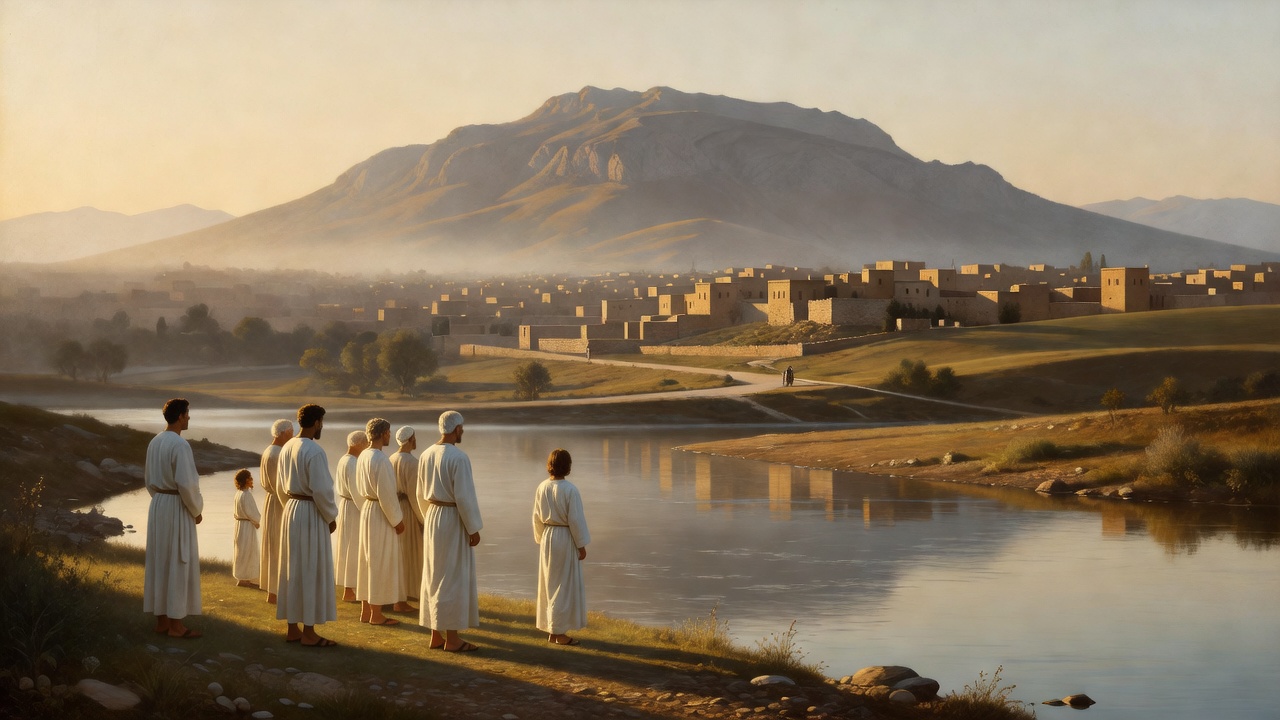
- Revelation 3 is a set of letters to churches in three cities of Asia Minor. Sardis, the metropolis of Lydia, stood on the river Pactolus at the foot of Mount Tmolus. Philadelphia, a name that means “brotherly love,” lay about twenty-five miles southeast of Sardis, while Laodicea stood on the Lycus, where Phrygia and Lydia meet, about forty miles east of Ephesus.Sources: Sardis · Philadelphia · Laodicea · the Bible text itself
- Laodicea was first called Diospolis and then Rhoas. It was later named Laodicea after Laodice, the wife of Antiochus II, king of Syria, who rebuilt it. Easton's Bible Dictionary (1897) calls it one of the most important and flourishing cities of Asia Minor and an early leading center of Christianity; in the letter, that church is said to claim that it is rich, has grown wealthy, and needs nothing.Sources: Laodicea · the Bible text itself
- The letter to Philadelphia speaks of a “synagogue of Satan” and of people who claim to be Jews but whom it calls liars. Satan means “adversary” or “accuser,” and in the New Testament the name is used interchangeably with the devil.Sources: Satan · the Bible text itself
Notes written with AI assistance from open sources (Theographic Bible Metadata, CC BY-SA 4.0; Easton’s Bible Dictionary, public domain) and reviewed before publishing.
Places in this chapter
- Sardis · 38.488, 28.040 · verses 1, 4
- Philadelphia · Today: Alaşehir · 38.350, 28.517 · verse 7
- Jerusalem · 31.777, 35.234 · verse 12
- Laodicea · Today: Laodicea on the Lycus · 37.836, 29.108 · verse 14
Only places identified with high confidence are shown (90% or more according to the scholarly sources compiled by OpenBible). Period map: DARE (Digital Atlas of the Roman Empire), CC BY 4.0; modern map: © OpenStreetMap contributors; places: OpenBible.info (CC BY 4.0).
Credits and license for this translation
Ŋwɛ menomenyɛɛ́ mekɛ́
New Testament in Denya (CM:anv:Denya)
copyright © 2010 Wycliffe Bible Translators, Inc.
Language: Denya
Translation by: Wycliffe Bible Translators, Inc.
Copyright Information
© 2010, Wycliffe Bible Translators, Inc. All rights reserved.
This translation text is made available to you under the
terms of the Creative Commons License: Attribution-Noncommercial-No Derivative Works.
( http://creativecommons.org/licenses/by-nc-nd/3.0/ )
In addition, you have permission to port the text to different file formats, as long as you
do not change any of the text or punctuation of the Bible.
You may share, copy, distribute, transmit, and extract portions
or quotations from this work, provided that you include the above copyright
information:
You must give Attribution to the work.
You do not sell this work for a profit.
You do not make any derivative works that change any of the actual words or punctuation of the Scriptures.
Permissions beyond the scope of this license may be
available if you contact
us with your request.
The New Testament
in Denya
© 2010, Wycliffe Bible Translators, Inc. All rights reserved.
This translation is made available to you under the terms of the
Creative Commons Attribution-Noncommercial-No Derivatives license 4.0.
You may share and redistribute this Bible translation or extracts from it in any format, provided that:
You include the above copyright and source information.
You do not sell this work for a profit.
You do not change any of the words or punctuation of the Scriptures.
Pictures included with Scriptures and other documents on this site are licensed just for use with those Scriptures and documents.
For other uses, please contact the respective copyright owners.
2024-02-11
Source: http://ebible.org/anvNT/ · eBible.org