Matthew 11
Ŋwɛ menomenyɛɛ́ mekɛ́ · Tap a verse to see its cross-references.
Bɔɔ́ dentɔɔ́ Jɔn menwyaá bɔɔ́ manaá Ɛsɔwɔ
1Ne gébégé Jisɔs aneré mangaré baá utɔɔ́ bií makpo áfyanéápeá genó ɛyigé ɛbwɔ́ ábɔɔ́ mampyɛ, alyaá melú ɛwémbɔ afɛ́ né malɔ́ bɔɔ́ Jus ayi fɔ né gebagé mewaá Gálilí nnó álɛ́régé ne ámá ágárégé ntó ɛbwɔ́ abya melɔ́mélɔ́. 2Né gébé ɛyigémbɔ ntó Jɔn meŋwyaá bɔɔ́ manaá Ɛsɔwɔ abɔ́ akpɛ denɔ. Áwúgé unó bi Jisɔs, Muú yi Ɛsɔwɔ akweré ji ɛlá gefwa, apyɛɛ́, atɔ́ baá utɔɔ́ bií abifɔ nnó ájyɛ ágií ákaá gefɔgé muú ayi ji álú. 3Ájyɛ́gé ágií Jisɔs áké, “Wɔ ne ɔ́lú muú ayi abɔ́ alú manchwɔ́ wá ɛsé dégilé ayichá?” 4Ne Jisɔs ashuú ɛbwɔ́ meko aké, “Choge dégare Jɔn unó bi ɛnyú déwuú bɔɔ́ ájɔge ne ɛbi ɛnyú ambɔɔ́ dékpané amɛ dégɛne. 5Bɔɔ́ amɛ nónómé ágɛ́ne, ubwéré, ukwilé úkɛ́ne, bɔɔ́ abi ámeé ubá átoó, bɔɔ́ matu gbɛ́gbɛ́ álɔ manwúgé, abi ágboó ápeé, ne ubyá bɔɔ́ úwú abya melɔ́mélɔ́. 6Meje ɛ́bɛ́ ne muú yi álá pɔ́ ne dembyɔ́ né metɔɔ́ gétú yá.”
Jisɔs agare bɔɔ́ gefɔgé muú ayi Jɔn alu
7Ndɛre baá utɔɔ́ Jɔn ályaá ájyɛɛ́, Jisɔs alɔ manjɔɔ́ depɔre Jɔn ne gejamégé bɔɔ́ abi álu ɛfɛɛ́ aké, “Tégé gébégé ɛnyú déjyɛ nya né mashwɔne, defɛ mangɛ ndé gefɔgé muú? Déjyɛ gɛ́ le muú ayi alú ɛké mancha ami afofo akpáne áténe ɛgbɛ ɛwe ne ɛwe? 8Mbɔgé mbɔ fɔ wɔ́, defɛré nnó dejyɛ́ gɛ́ ndé gefɔɔ́gé muú? Défɛ́ manjyɛ gɛ muú ayi afyɛ mandeé malɔ́málɔ́? Chyaá-o. Dekaá fɔ́ nnó bɔɔ́ abi áfyɛɛ́ ufɔɔ́ mandeé yimbɔ ájwɔlege lé né mmu dachi afwa bɔ́ wɔ́? 9Ne ɛnyú défɛ́ yɛ́ ɛ́wú mánjyɛ gɛ́ waá? Ɛlé muú ɛkpávé Ɛsɔwɔ? Ɛh, gɛ́ muú yi ɛnyú dégɛné mbɔ. Ngare ɛnyú wáwálé nnó, aŋeá gemɛ apwɔ yɛ́ndémuú ɛkpávé Ɛsɔwɔ. 10Ɛ́lé Jɔn yina ne ábɔ́ ásamé gétú jií nnó Ɛsɔwɔ aké, ‘Wuúgé, ntɔme nyɛ́ muú dentɔɔ́ wa ayi abɔ́ nyɛ́ mbɛ ne wɔ manchwɔ kwyɛ́ meti wyɛ’.”
11Jisɔs afɛ́ mbɛ ajɔge aké, “Kaáge wáwálé nnó, né geluágé bɔɔ́ ako abi ándée ábyɛné, yɛ muú ayi aŋeá gemɛ ɛke Jɔn menwyaá bɔɔ́ manaá Ɛsɔwɔ apɔ́. Yɛ́mbɔ muú ayi álá fuú yɛ genó wɔ́ né geluágé abi Ɛsɔwɔ abɛɛ́ mfwa bwɔ́ aŋeá gemɛ apwɔ́ Jɔn. 12Gefwa ɛyigé Ɛsɔwɔ ágbárege gejyɛɛ́ mbɛ ne ɛshyɛ ɛlɔ né gébé ɛyigé Jɔn menwyaá bɔɔ́ manaá Ɛsɔwɔ agarege mekomejɔɔ́ Ɛsɔwɔ, ɛkwɔne bií ɛbi fina. Ne bɔɔ́ abi amyɛ mankpɛ wyɛ, amyɛ ne ɛshyɛ. 13Gemɛ́gé nnó Jɔn áchwɔ́ álɔɔ́ utɔɔ́ bií, bɔ ŋwɛ abi Mosis asame ne abi bɔɔ́ ɛkpávé Ɛsɔwɔ ako ábɔ́ mɛ́ mbɛ ágare unó bi upyɛɛ́ nyɛ né gébé ɛyina. 14Ne mbɔgé dékɛlege mankame ne genó ɛyigé me njɔɔ́, gɔge me ngare ɛnyú nnó Jɔn ne alu Ɛlija ayi bɔɔ́ ɛkpávé Ɛsɔwɔ abɔ ajɔɔ́ nnó achwɔɔ́.” 15Muú yi áwyaá matu mawú, áwú.
16“Mmɛge na kpɛ́ njyɛ ɛnina ne ndé? Nélú nkane baá melɔ abi ájwɔle né metɔɔ́ melɔ, akuú atɛ aŋmɛ bwɔ́ aké, 17‘Ɛsé dékwe ɛnyú ubeé neba nnó débé, déshya mambé, dékwa makwaá negbo nnó deli déshya manlí.’” 18Njɔ́ge mbɔ néndé, Jɔn menwyaá bɔɔ́ manaá Ɛsɔwɔ achwɔɔ́ nyá, ji ányuú fɔ́ mmɔɔ́, ne gebé ɛyigé fɔ alyage menyɛɛ́ kpɛ́kpɛ́ gétúgé depɔré Ɛsɔwɔ getu ɛyigémbɔ, bɔɔ́ aké, “Awyaá meló nchyɛ.” 19“Me Maá Ntɛ Mekwaá nchwɔ́, nnyɛ menyɛɛ́, nnyu mmɔɔ́ gbɛne, ɛnyú deké pɛ́lé muú geŋɔ ne menyuú mmɔɔ́ yi, mejeé ánsɛlé ŋkamakpo ne mejeé bɔɔ́ ubeé. Yɛ́mbɔ ákaágé nnó deŋgaré Ɛsɔwɔ ɛtiré muú áwyaá delu cho né unó ulɔ́úlɔ́ ɛbi ji ápyɛɛ́.”
Malɔ ayi álá áfyɛɛ́ matɔɔ́ ne Jisɔs wɔ́
20Bɔɔ́ abi álú né malɔ ayi Jisɔs ápyɛ nyá ukpɛ́kpɛ́ ufélekpá wyɛ, ályaá fɔ́ mámpyɛ́gé gabo wɔ́. Ɛwena ɛpyɛ Jisɔs alɔ manshulege ɛbwɔ́ ndo. 21Ake, “Utóŋkwa ubɛ́ nyɛ ne ɛnyú bɔɔ́ melɔ́ Korasin, utóŋkwa ubɛ́ ntó ne ɛnyú bɔɔ́ Bɛtsada néndé, ukpɛ́kpɛ́ ufélekpá ɛbi mpyɛ ɛta nyú, mbɔ mpyɛ nyá ubi mbaá bɔɔ́ Tiya ne Sidɔn mbɔ ályaá mɛ́ gabo bwɔ́ tɛ gachií, áfyɛ uchálé mandeé, áwaá matwɔ né mekpo mánlɛré nnó ályaá gabo ɛbwɔ́. 22Ngárége ɛnyú wáwálé nnó, bií unɔɔ́ mpa Ɛsɔwɔ, Ɛsɔwɔ agɛne nyɛ bɔɔ́ Tiya ne abi Sidɔn meshwɛ apwɔ ɛnyú. 23Ne ɛnyú bɔɔ́ Kapanɔm, défɛré nnó dékwɔme nyɛ ŋgɔ dɔɔ́? Gebyɔ, Ɛsɔwɔ awáne nyɛ ɛnyú gelu degbo dékwɔné melɔ áwuú bɔɔ́. Néndé, ukpɛ́kpɛ́ ufélekpá ɛbi mpyɛ na ɛta nyú, mbɔ́ mpyɛ ubi mbaá bɔɔ́ Sodom, mbɔ́ Ɛsɔwɔ áwaá nya fɔ ɛbwɔ́ wɔ́, ábɔ́ álú ábɛ tɛ́ fina. 24Ngarege ɛnyú wáwálé nno, bií unɔɔ́ mpa Ɛsɔwɔ, Ɛsɔwɔ agɛne nyɛ bɔɔ́ Sodom meshwɛ apwɔ ɛnyú.”
Jisɔs aké ‘Muú yi akɛlege ugbeé mmyɛ achwɔ́ ɛta wáa’
25Wyɛɛ́ né gébé ɛyigémbɔ, Jisɔs anɛmmyɛ aké, “Ntɛ wa, Ata ayi abɔɔ́ mfaá ne mme, mfɛɛ́ wɔ dɔɔ́, nkane ɔpyɛɛ́ nnó depɔ ɛtire detome ne me debɛ bibií mbaá bɔɔ́ deŋgá ne abi ákaá ŋwɛ dɔɔ́. Ɔ́nené deti gbɔ́gɔ́nɔ́ mbaá bɔɔ́ abi álá kaáge yɛ genó nnó ákaá. 26Ɛlu wáwálé Ntɛ wa, mbɔ ne wɔmbɔɔ́ ɔ́kɛlé nnó ɛ́bɛ́.” 27Ama jɔɔ́ ne bɔɔ́ aké, “Ntɛ wa achyɛ me unó uko ne yɛ muú ayi akaáge gefɔgé muú ayi Maá alú ápɔ́, ɛkosé Ntɛ wuú ne yɛ muú ayi akaágé gefɔgé muú ɛyigé Ntɛ alu ápɔ́ ɛkose Maá ne bɔɔ́ abi ji ájyaá nnó ápyɛ ɛbwɔ́ ákaá Ntɛ wuú. 28Ɛnyú ako abi depwaá gétúgé dékpané matuú ɛfwyale ayi ánɔɔ́ ɛnyú, chwɔge ɛta wa, nsɛle áji nchyɛ ɛnyú ugbeé mmyɛ. 29Chyɛ́ge gemɛge nyú ɛta wa degí géno ɛyige nlɛ́rege, néndé me nlu nyame ne mbwɛ́gé fɔ́ mmyɛ. Dépyɛ́gémbɔ, debɔɔ́ nyɛ ugbeé mmyɛ. 30Genó ɛyigé ngarege ɛnyú nnó dépyɛ gejwerege fɔ ne ɛyigé nchyɛ́ge ɛnyú nnó dékpá genɔɔ́ fɔ.”
Did you know?
John's question and the cities that did not repent
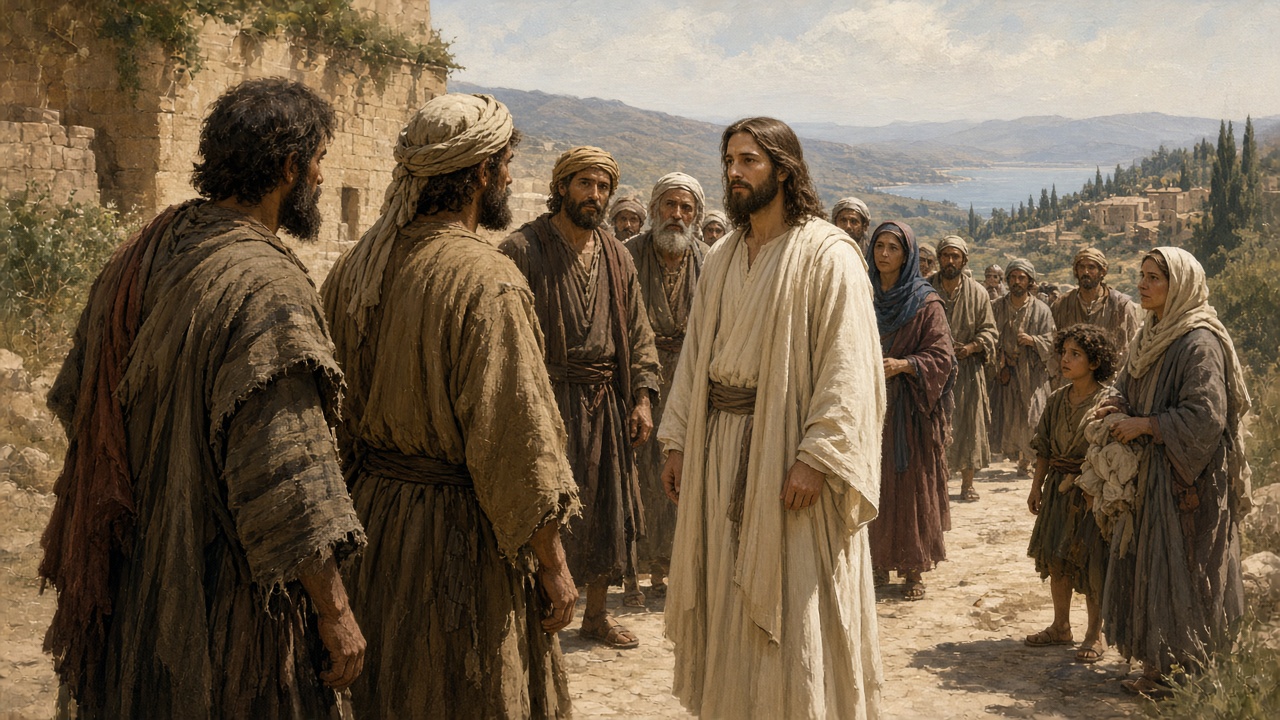
- From prison, John sent his disciples to ask whether Jesus was the one who was to come. Jesus told the crowds that John was more than a prophet—the messenger sent ahead to prepare the way—and, if they were willing to accept it, the Elijah who was to come. A Bible dictionary calls John the forerunner and says his mission was already the subject of prophecy, citing Isaiah 40:3 and Malachi 3:1; it also introduces Elijah as the Elias of the New Testament.Sources: the Bible text itself · John the Baptist · Elijah
- Jesus then denounced Chorazin, Bethsaida, and Capernaum, where most of his miracles had been performed, because they did not repent. A dictionary identifies Chorazin with modern Kerazeh, about two and a half miles up the Wady Kerazeh from Capernaum, and says that Capernaum, absent from the Old Testament, became Jesus' own city after he left Nazareth. It places Bethsaida on the east side of the lake, two miles up the Jordan in Gaulonitis, enlarged by Philip the tetrarch and named Julias after the emperor's daughter, though some have supposed there was only one Bethsaida, near where the Jordan enters the lake.Sources: the Bible text itself · Chorazin · Capernaum · Bethsaida
- He set those cities against Tyre and Sidon, which he said would have repented long ago in sackcloth and ashes, and against Sodom, which he said would have remained to this day. Sidon, on the Mediterranean coast about twenty-five miles north of Tyre, was the oldest Phoenician city there and the mother city of Tyre. A dictionary says the commerce of the whole world was gathered into Tyre's warehouses, and that Sodom, in the vale of Siddim, was destroyed by fire from heaven so completely that no trace of it has been found.Sources: the Bible text itself · Sidon · Tyre · Sodom
Notes written with AI assistance from open sources (Theographic Bible Metadata, CC BY-SA 4.0; Easton’s Bible Dictionary, public domain) and reviewed before publishing.
Places in this chapter
- Galilee · 32.760, 35.527 · verse 1
- Sidon · Today: Sandikli archaeological site in Sidon · 33.561, 35.372 · verses 21, 22
- Tyre · 33.271, 35.196 · verses 21, 22
Only places identified with high confidence are shown (90% or more according to the scholarly sources compiled by OpenBible). Period map: DARE (Digital Atlas of the Roman Empire), CC BY 4.0; modern map: © OpenStreetMap contributors; places: OpenBible.info (CC BY 4.0).
Credits and license for this translation
Ŋwɛ menomenyɛɛ́ mekɛ́
New Testament in Denya (CM:anv:Denya)
copyright © 2010 Wycliffe Bible Translators, Inc.
Language: Denya
Translation by: Wycliffe Bible Translators, Inc.
Copyright Information
© 2010, Wycliffe Bible Translators, Inc. All rights reserved.
This translation text is made available to you under the
terms of the Creative Commons License: Attribution-Noncommercial-No Derivative Works.
( http://creativecommons.org/licenses/by-nc-nd/3.0/ )
In addition, you have permission to port the text to different file formats, as long as you
do not change any of the text or punctuation of the Bible.
You may share, copy, distribute, transmit, and extract portions
or quotations from this work, provided that you include the above copyright
information:
You must give Attribution to the work.
You do not sell this work for a profit.
You do not make any derivative works that change any of the actual words or punctuation of the Scriptures.
Permissions beyond the scope of this license may be
available if you contact
us with your request.
The New Testament
in Denya
© 2010, Wycliffe Bible Translators, Inc. All rights reserved.
This translation is made available to you under the terms of the
Creative Commons Attribution-Noncommercial-No Derivatives license 4.0.
You may share and redistribute this Bible translation or extracts from it in any format, provided that:
You include the above copyright and source information.
You do not sell this work for a profit.
You do not change any of the words or punctuation of the Scriptures.
Pictures included with Scriptures and other documents on this site are licensed just for use with those Scriptures and documents.
For other uses, please contact the respective copyright owners.
2024-02-11
Source: http://ebible.org/anvNT/ · eBible.org