Luke 3
Ŋwɛ menomenyɛɛ́ mekɛ́ · Tap a verse to see its cross-references.
Mekomejɔɔ́ ayi Jɔn menwyaá bɔɔ́ manaá Ɛsɔwɔ ágarége
1Gébé ɛyíge *Jɔn maá Sakariya alú né *mashwɔ́né, Ata Ɛsɔwɔ achyɛ́ɛ mekomejɔɔ́ wuú. Wyɛ́ gébé ɛyígémbɔ ntó ne Tibarɔs alú aŋmɛ́ nekuú né gefwa jií né *Rom. Pɔntyɔs *Palɛt alu nyá gɔmena né *gebagé mewaá Judiya, *Hɛrɔd Antipa alu mémgbaré gebagé mewaá Galilií, meŋmɛ́ wuú Filip alu nyá mémgbáré gebagé mewaá Itura ne Trakonitis. Lysanias alu mfwa melɔ Abilɛn gébé ɛyigémbɔ ntó, Anas ɛbwɔ́ ne Kaifas álú nyá *Matúkpɛ ampyɛ upɛ Ɛsɔwɔ. 3Wyɛ́ ndɛre Ɛsɔwɔ abɔ́ atɔmé Jɔn mbɔ, alɔ mankɛ́né malɔ yi álú kwɔ́kwɔ́lé né ɛbɛɛ́ Jodan, agarege yɛ́ndémuú nnó ákwɔré metɔɔ́ wuú álya gabo ne áwyaá ji manaá Ɛsɔwɔ nnó Ɛsɔwɔ ajinte gabo wuú. 4Ndɛre abɔ́ agárege mbɔ, ɛlú wyɛ́ nkane Asaya muú ɛkpávé Ɛsɔwɔ asámé mmu ŋwɛ wuú nnó,
“Muú fɔ abɛne mbɔ né mashwɔne aké:
Kwyɛge meti Ata dakɛné,
nyaáge ɛ́wú ɛ́bɛ́ cho!
5Sɔ́rege yɛ́ndé mékwɛ́ ɛwé kpaá ne ɛwé kɔɔ́, nnó degbɛɛ́ yɛ́nde geŋkɔ.
Nyaáge mati ufwé ábɛ́ cho,
pyɛ́gé malu yi álú gbérégbéré ábɛ́ dɔgédɔgé.
6Ne bɔɔ́ ako ágɛ́ne nyɛ nkane Ɛsɔwɔ áférege ɛbwɔ́ né ɛfwyale gabo.”
7Nkane Jɔn agárege mbɔ, gejamégé bɔɔ́ áchwɔ́ ɛta wuú nnó ji áwyaá bwɔ́ manaá Ɛsɔwɔ, aké ne bwɔ́, “Ɛnyú mmyɔ! Ndémuú agaré ɛnyú nnó dekage bó ɛfwyale ɛwé Ɛsɔwɔ achwɔ́ tɔ́? 8Pyɛ́ge unó bí úlɛ́rege nnó dekwɔ́re matɔɔ́ nyú wáwálé. Défɛrégé fɔ́ nnó dekage déjwɔ́le déli mmyɛ nnó, ɛsé délú upyáne *Abraham. Ɛwémbɔ ɛfú yɛ́ genó né ɛta Ɛsɔwɔ wɔ́. Kaáge wáwálé nnó, Ɛsɔwɔ akage pyɛ mataá yina ábwɔlé upyáne Abraham. 9Yɛ nana, ɛnyú debɔ́ mankaá nnó, ábwɛɛ́ mɛ́ ɛtɔɔ́ mfaá mango yɛndé genɔɔ́ ne makaka ɛyi gélágé wɔmé umpomé ulɔ́úlɔ́ ásɔ́ré áfɔme mmu mewɛ.”
10Ne gejamégé bɔɔ́ áwúge mbɔ, ágií Jɔn áké, “Nana ɛsé dépyɛ́ nnó?” 11Jɔn ashuú ɛbwɔ́ meko aké, “Muú abɛgé ne bɔ nkwú ápeá, akáré achyɛ́ nte meŋmɛ́ ayi ala pɔ́ ne nkwu, ne ayi abɛgé ne menyɛɛ́, akáré achyɛ́ ayi ala pɔ́ yɛ ne genó.” 12Yɛ́ ansɛlé ŋkámakpo ntó áchwɔ nnó Jɔn áwyaá ɛbwɔ́ manaá Ɛsɔwɔ ágií ji áke, “Ménlɛré, ɛse ntó depyɛ́ nnó?” 13Ashuú ɛbwɔ́ meko aké, “Désɛgé fɔ́ ŋka ɛ́pwɔ́ ndɛre ɛbɛ́ ɛ́kɛ́.” 14Bɔɔ́ bee áchwɔ gíi ntó áke, “Ne ɛsé dépyɛ́ nnó?” Agaré bwɔ́ aké, “Dényɛgé manwaá, yɛ maáma muú mechɔ́ detú, sɛ́ge wyɛ́ ŋka utɔɔ́ nyú ne metɔɔ́ megɔmegɔ.”
15Jɔn agárege mbɔ, bɔɔ́ ábɔ́ ágíle mɛ *Muú yi Ɛsɔwɔ akweré ji ɛlá gefwa, ɛfɛɛ́ ɛbwɔ́ álu ne dembyɔ́ né matɔɔ́ bwɔ́, ábélege umɛɛ́ nnó ndɔfɔ ji ne alú Muú ayi Ɛsɔwɔ akweré ji ɛlá gefwa. 16Jɔn ashuú ɛbwɔ́ ako meko aké, “Me nwyage ɛnyú ne manaá Ɛsɔwɔ mamímamí yɛ́mbɔ, muú ayi áŋeá gemɛ apwɔ́ me achwɔ́ mbɔ me meso. Ne nkwané yɛ́ muú ayi ntóme manó mme nkaá manyií unó uká bií wɔ́. Achwɔgé, awyage ɛnyú ne *Mendoó Ukpea ne mewɛ. 17Achwɔɔ́ nyɛ́ ne ɛ́kɔ́riyá né ɛbwɔ wuú mánchá ɛsa. Anerégé ashwané nyɛ matoó álá pópó, afyɛ ɛsa né mmu uba abelé. Ne ukwɔɔ́ ɛbi ulaá akpane agbɛ né mewɛ ɛwé ɛ́lá nómégé.”
18Na ne Jɔn agaré *abya Ɛsɔwɔ melɔ́mélɔ́ mbaá bɔɔ́, ne aji bwɔ́ matu né gejamégé majyɛ́ amí ama chyɛɛ́ bwɔ́. 19Jɔn ashulé ntó ndo mbaá Hɛrɔd ayi alú gɔ́mena, gétúgé abané Hɛrɔdyas, mendée meŋmɛ́ wuú jimbɔ, ne géjámégé ubée bí ama pyɛ. 20Hɛrɔd aké awúu mbɔ, ama jyɛ mbɛ́ mampyɛ gabo, apyɛ Jɔn afyɛ́ denɔ.
Áwyaá Jisɔs manaá Ɛsɔwɔ
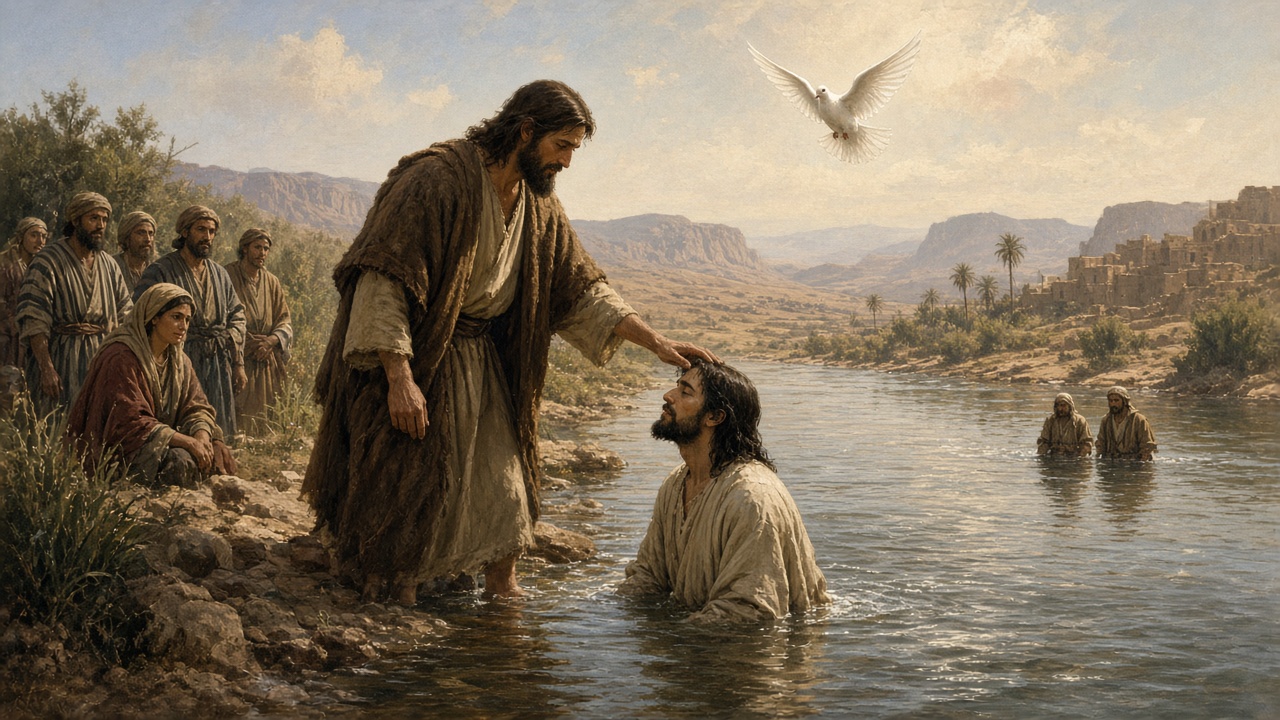
21Nsá nnó Jɔn akpɛ́ denɔ, abɔ́ awyage mɛ́ bɔɔ́ manaá Ɛsɔwɔ. Bií fɔ́ anérége Jisɔs achwɔ́ ntó nnó Jɔ́n awyaá ji manaá Ɛsɔwɔ. Aké atanege mmu nnyi, anɛnemmyɛ mfaánebuú anené. 22Anénégé mbɔ, *Mendoó Ukpea ɛ́shulé ɛchwɔ́ ji mmyɛ ɛ́lú wyɛ́ ɛké gepwine. Ne meko atané mfaánebuú aké, “Ɔ́lu maá metɔɔ́ wa, metɔɔ́ ɛgɔɔ́ me ne wɔ dɔɔ́.”
Ukwéne antɛ Jisɔs Kras
23Gébégé Jisɔs alɛré mmyɛ manlɔ utɔɔ́ bií alu aŋmɛ ɛsaá meso ɛfyá. Bɔɔ́ ábɔ́ áfɛre nnó alu maá Josɛ́p ne Josɛf abɔ́ alu maá Hɛli. 24Hɛli abɔ́ alu maá Matat, Matat abɔ́ alu maá Lɛvi, Lɛvi maá Mɛlki, Mɛlki abɔ́ alu maá Jana, Jana ayi alu maá Josɛf. 25Josɛf alu maá Matatyas, Matatyas alú maá Ɛmɔs, Ɛmɔs maá Nahum, Nahum maá Ɛseli, Ɛseli ayi alú maá Nagay, 26Nagay alu maá Mat, Mat maá Mattatya, Mattatya maá Sɛmɛn, Sɛmɛn, maá Josɛch, Josɛch maá Joda, 27Joda maá Joanan, Joanan maá Rɛsa, Rɛsa maá Sɛrubabɛl, Sɛrubabɛl maá Shɛltyɛl, Shɛltyɛl alu maá Nɛri. 28Nɛri maá Mɛlki, Mɛlki maá Adi, Adi maá Kɔsam, Kɔsam maá Ɛlmada, Ɛlmada alu maá Ɛre. 29Ɛre maá Joshua, Joshua maá Ɛlyssa, Ɛlyssa maá Jorim, Jorim ayi alú maá Matat, Matat maá Lɛvi. 30Lɛvi maá Simyɔn, Simyɔn maá Juda, Juda maá Josɛf, Josɛf maá Jonam, Jonam yi alú maá Ɛliakim, 31Ɛliakim maá Meleya, Meleya maá Menna, Menna maá Matata, Matata maá Natan, Natan alu maá Dɛvid. 32Dɛvid maá Jɛsse, Jɛsse maá Obɛd, Obɛd maá Boas, Boas maá Salmɔn, Salmɔn alu maá Nashyɔn. 33Nashyɔn maá Aminadab, Aminadab maá Admin, Admin maá Ani, Ani maá Hɛsrɔn, Hɛsrɔn maá Pɛrɛs, Pɛrɛs alu maá Juda. 34Juda maá Jakɔb, Jakɔb maá Asek, Asek maá Abraham, Abraham maá Tɛra, Tɛra maá Náhɔ. 35Náhɔ alu maá Sɛrug, Sɛrug maá Ru, Ru maá Pɛlɛg, Pɛlɛg maá Ɛbɛ, Ɛbɛ maá Shɛla. 36Shɛla maá Kenan, Kenan maá Afasad, Afasad maá Shɛm, Shɛm maá Nowa, Nowa alu maá Lamek, 37Lamek maá Metusɛla, Metusɛla maá Ɛnɔk, Ɛnɔk maá Jarɛ, Jarɛ maá Mahalalɛ, Mahalalɛ alu maá Kɛnan. 38Kɛnan alu maá Ɛnɔs, Ɛnɔs maá Sɛt, Sɛt maá Adam, Adam abɔ́ alu Maá Ɛsɔwɔ.
Did you know?
John the Baptist prepares the way
- Luke sets John's preaching in the fifteenth year of Tiberius Caesar, the stepson of Augustus, who succeeded him in A.D. 14 and died in A.D. 37. Easton's Bible Dictionary (1897) notes that John began his public ministry in that year, and that Pontius Pilate, the sixth Roman procurator of Judea from A.D. 26 to 36, kept his headquarters at Caesarea during a term that covered the ministries of John and Jesus. Herod Antipas, a son of Herod, was then tetrarch of Galilee.Sources: the Bible text itself · Tiberius · Pontius Pilate · Herod Antipas
- The chapter dates these events during the high priesthood of both Annas and Caiaphas. Easton's Bible Dictionary (1897) records that Annas was high priest from A.D. 7 to 14 and was deposed by the Roman procurator, and that Caiaphas, who had married Annas's daughter, was raised to that office in A.D. 25. The same entry suggests that the Jews may still have regarded Annas as the lawful high priest, since Mosaic law held the office for life, and that he probably served with Caiaphas as president of the Sanhedrin or as the high priest's deputy.Sources: the Bible text itself · Annas
- John, son of Zechariah, was of priestly descent: his father was a priest of the course of Abia, and his mother, Elizabeth, belonged to the daughters of Aaron. Easton's Bible Dictionary (1897) notes that his mission was the subject of prophecy, including Isaiah's voice crying in the wilderness, and that his birth came six months before the birth of Jesus. In this chapter he preaches a baptism of repentance throughout the region around the Jordan, and Herod the tetrarch later imprisons him after John rebukes him over Herodias.Sources: the Bible text itself · John the Baptist
Notes written with AI assistance from open sources (Theographic Bible Metadata, CC BY-SA 4.0; Easton’s Bible Dictionary, public domain) and reviewed before publishing.
Places in this chapter
- Abilene · 33.627, 36.106 · verse 1
- Galilee · 32.760, 35.527 · verses 1, 19
- Ituraea · 33.400, 35.850 · verse 1
- Judea · Today: Judea 1 · 31.777, 35.234 · verse 1
- Trachonitis · Today: Lajat · 32.969, 36.455 · verse 1
- Jordan · Today: Jordan River · 31.761, 35.558 · verse 3
Only places identified with high confidence are shown (90% or more according to the scholarly sources compiled by OpenBible). Period map: DARE (Digital Atlas of the Roman Empire), CC BY 4.0; modern map: © OpenStreetMap contributors; places: OpenBible.info (CC BY 4.0).
Credits and license for this translation
Ŋwɛ menomenyɛɛ́ mekɛ́
New Testament in Denya (CM:anv:Denya)
copyright © 2010 Wycliffe Bible Translators, Inc.
Language: Denya
Translation by: Wycliffe Bible Translators, Inc.
Copyright Information
© 2010, Wycliffe Bible Translators, Inc. All rights reserved.
This translation text is made available to you under the
terms of the Creative Commons License: Attribution-Noncommercial-No Derivative Works.
( http://creativecommons.org/licenses/by-nc-nd/3.0/ )
In addition, you have permission to port the text to different file formats, as long as you
do not change any of the text or punctuation of the Bible.
You may share, copy, distribute, transmit, and extract portions
or quotations from this work, provided that you include the above copyright
information:
You must give Attribution to the work.
You do not sell this work for a profit.
You do not make any derivative works that change any of the actual words or punctuation of the Scriptures.
Permissions beyond the scope of this license may be
available if you contact
us with your request.
The New Testament
in Denya
© 2010, Wycliffe Bible Translators, Inc. All rights reserved.
This translation is made available to you under the terms of the
Creative Commons Attribution-Noncommercial-No Derivatives license 4.0.
You may share and redistribute this Bible translation or extracts from it in any format, provided that:
You include the above copyright and source information.
You do not sell this work for a profit.
You do not change any of the words or punctuation of the Scriptures.
Pictures included with Scriptures and other documents on this site are licensed just for use with those Scriptures and documents.
For other uses, please contact the respective copyright owners.
2024-02-11
Source: http://ebible.org/anvNT/ · eBible.org