Luke 24
Ŋwɛ menomenyɛɛ́ mekɛ́ · Tap a verse to see its cross-references.
Jisɔs akwilé né negbo
1Bií mbɛ né uwyaá, andée bimbɔ ákpá maweé gebɛ́ ami ɛbwɔ́ ákwyɛ́, dondo gemmuá mme áfɛ́ né menome ɛwé anií Jisɔs. 2Ákwɔ́négé wyɛ́, ágɛ nnó, ábogéné mɛ́ ntaá ɛ́gbɛ́ ɛ́ma ɛniné ábɔ́ ákweré ɛmbú menome. 3Ne gébégé ákpɛné mmu menome, ákɛlé geŋkwɔ́gé Atá Jisɔs ágɛ wɔ́, 4ákwé tametame, áké ápɛ́lé ágɛ́ bɔɔ́ makpó apéa ne mandeé áyi áshwánege átɛné ɛbwɔ́ neŋkuné mmyɛ. 5Ɛfɔ́ ɛkwɔ́ bwɔ́ metɔɔ́, ámmo makpo mme. Bɔɔ́ bimbɔ ágií bwɔ́ áké, “Ndé ɛnyú dékɛlege muú yi alú mebɛ né geluágé abi ágboó? 6Apɔ́ fa, akwilé né negbó, atane. Tɛ́ge genó ɛyigé ji agaré ɛnyú gébégé ɛnyú delú né Galilií.
7“Abɔ́ aké, ‘Áchyɛ́ge nyɛ́ Maá Ntɛ Mekwaá mbaá bɔɔ́ ubeé, áwɔ́me nyɛ́ ji né gekwa, ne ɛkwɔnégé ndɔ ɛlɛɛ́, akwilége nyɛ́ né negbo’.”
8Andée bina áte unó bí Jisɔs abɔ́ ajɔɔ́, 9átané né menome áfɛ́ mangaré unó bi úpyɛ́ mbaá áŋgbá bií abi álaá áfyaneama, ne áma garé ntó áŋkwɔlé Jisɔs ako. 10Andée bimbɔ ɛ́lé, Mɛri muú melɔ Magdala, ne Joana ne Mɛri ayi Mmá Jɛmsi chóncho ne andée abifɔ ntó, ágaré áŋgbá Jisɔs genó ɛyigé ɛbwɔ́ ágɛné. 11Ne áŋgbá ákamé wɔ́, ásɛ nnó ɛ́lú gebyɔ́. 12Yɛ́mbɔ, Pita akwilé ka abó afɛ́ né menome, abyɛlé mme apɛ, agɛ́ lé mandeé áyi abɔ́ afyalé geŋkwɔ́gé Jisɔs. Ala meno mekpo fuú, ne akere meso mmu gepú jií.
Ágɛ́ Jisɔs né meti melɔ Ɛmaeus
13Wyɛ́ bií bimbɔ, bɔɔ́ abi ákamé ne Jisɔs apéa, álya melɔ́ Jɛrosalɛ ájyɛ né maá melɔ ayi ákú Ɛmeus. Nekɛ nelu genógé *ŋkpá nekɛ ɛkénéama. 14Ndɛre ájyɛ́, ádóo abya né depɔ deko ɛtiré depyɛ́. 15Nkane ádóo abya ákɛ́ne ajyɛ, Jisɔs atané ɛbwɔ́ né meso ne alɔ mankɛ́ ne ɛbwɔ́. 16Yɛ́mbɔ ágɛ ji, ne ákaá fɔ́ nnó ɛlé Jisɔs wɔ́. 17Jisɔs agií bwɔ́ aké, “Nde abya ayi ɛnyú dékɛ́ne dédóo ne dembyɔ́ né matɔɔ́ ɛnyú?”
Átɛné nyámeé, mmyɛ meshwɛ́ meshwɛ́. 18Muú bwɔ́ ama, ayi ákú ji Klyopas agií ji aké,
“Wɔ mbi ne ɔlu meŋkɛɛ́ fá melɔ́ Jɛrosalɛ ayi ɔlá kágé depɔ ɛtiré depyɛ́ mboó ndɔ ɛyína?” 19Jisɔs agií aké, “Nde depɔ depyɛ?”
Áshuú ji meko áké, “Depɔ ɛti depyɛ mbaá mende yi akámege Jisɔs ayi muú Nasarɛt. Alu nyá gekpɛ́kpɛ́gé *Muú Ɛkpávé Ɛsɔwɔ. Ne apyɛ ukpɛ́kpɛ́ ufélekpá ne agarege nyá meko mejɔɔ́ Ɛsɔwɔ. Ɛsɔwɔ afɛɛ́ utɔɔ́ bií, yɛ bɔɔ́ ntó afɛɛ́ utɔɔ́ bií. 20Yɛ́mbɔ anɔɔ́ baá abi ápyɛ upɛ Ɛsɔwɔ ne ákpakpa melɔ ágbare ji áchyɛɛ́ nnó áwá ne áwɔ́ ji né gekwa. 21Ne ɛsé debɔ́ débelé umɛɛ́ nnó ji ne Ɛsɔwɔ atɔme nnó achwɔ́ áféré bɔɔ́ Isrɛli né ɛfwyale. Ɛlɛ́ mbɔ ndɔ́ ɛ́lɛɛ́ fi, ɛyi depɔ ɛtíré na depyɛ́. 22Ɛkwyá mbɔ wɔ́, andée fɔ́ abi alú né geluágé sé ápyɛ ɛsé dela meno mekpo fuú. Áfɛ́ né menomé gejyɛ́jyɛ́gé bí. 23Yɛ́mbɔ ágɛ fɔ geŋkwɔ́gé Jisɔs wɔ́, ne ákere meso, ágare ɛsé nnó ɛbwɔ́ ábɔ́ ágɛ makiɛ́nné Ɛsɔwɔ ɛké ɛlé *amɛ gejyá, ágaré ɛbwɔ́ nnó Jisɔs alu mebɛ. 24Bɔɔ́ bifɔ́ abi álu né geluágé ɛsé áfɛ́ né menome ne ágɛ́ yɛ́ndégenó wyɛ́ nkane andée bimbɔ abɔ́ ájɔɔ́, yɛ́mbɔ ɛbwɔ́ ágɛ Jisɔs wɔ́.”
25Jisɔs aké ne ɛbwɔ́, “Ɛnyú dekenege, matɔɔ́ nyú álu dembyɔ́ mankamé unó bi bɔɔ́ ɛkpávé Ɛsɔwɔ ásámé. 26Ɛnyú dekaá fɔ́ nnó Muú yi Ɛsɔwɔ akweré ji ɛlá gefwa abɔ́ mangɛ́ ɛfwyale ne akpɛ́ mmu gefwa jií wɔ́?” 27Jisɔs alɔ mampyɛ nnó ɛbwɔ́ ákaá unó uko ɛbí ásamé átome ne ji né mmu ŋwɛ Ɛsɔwɔ, manlɔ né ŋwɛ ayi Mosis asamé, ɔkwɔ́né né abi bɔɔ́ ɛkpávé Ɛsɔwɔ ntó ásámé.
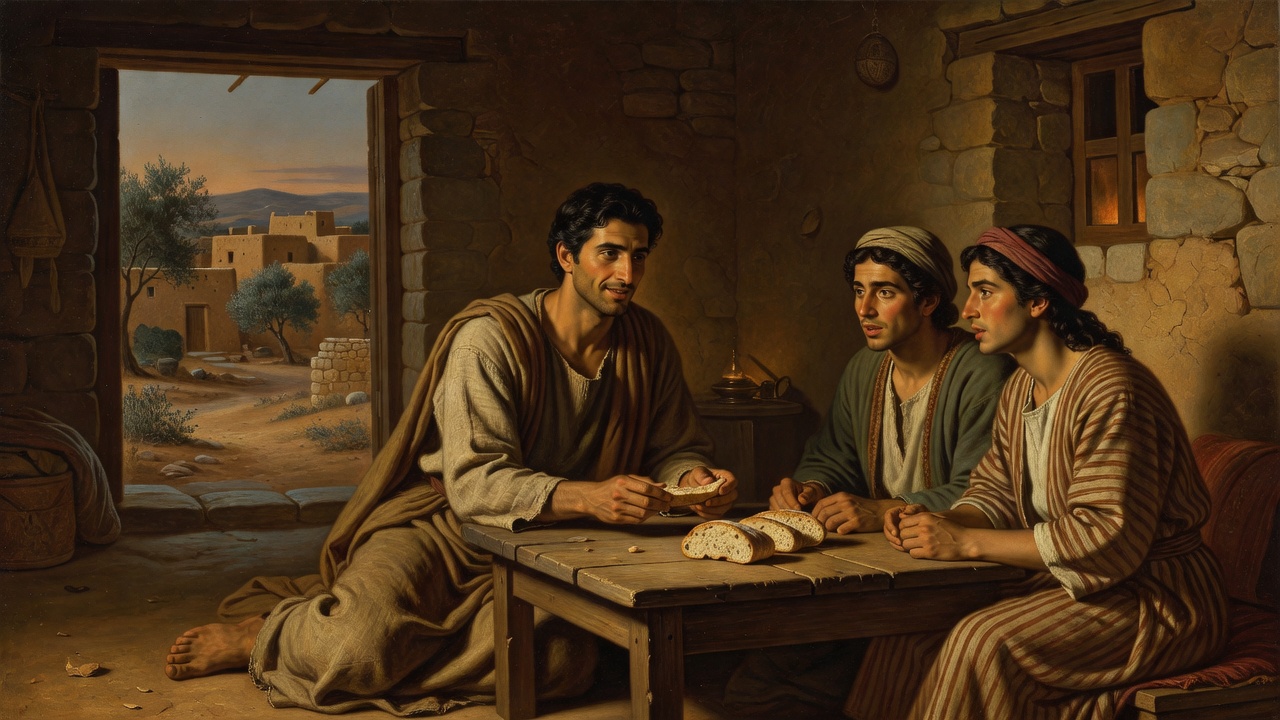
28Wyɛ́ nkane ála kwɔ́kwɔ́lé ne melɔ ɛwé ɛbwɔ́ abɔ́ ájyɛ́ɛ, Jisɔs apyɛ ɛké achwɔ koó, 29ɛbwɔ́ ágbɛ́ ji áké, “Bɛ́lé fá ne ɛsé néndé bií ukoó, gemmua gélé chwɔ́.” Akame, ne afɛ́ mámbɛlé ne ɛbwɔ́. 30Gébégé ajwɔlé ka mányɛ́ menyɛɛ́ ne ɛbwɔ́, abɔ́ nto brɛd achyɛ́ matame mbaá Ɛsɔwɔ agyá achyɛ́ ɛbwɔ́. 31Tɛ́netɛ́ne yimbɔ amɛ ákaá ɛbwɔ́ mekpo, ɛbwɔ́ ákaá nnó gɛ́ Jisɔs na. Ne ɛke ɛwyage aseé ɛbwɔ́ né amɛ. 32Álágé meso, áké ne atɛ, “Pɔ manɛ magyalé ɛsé gébégé ábáné ɛsé né meti agárege ɛse depɔ ɛtiré délú mmu ŋwɛ Ɛsɔwɔ?”
33Tɛ́nétɛné yimbɔ, ákwilé, ákere meso né Jɛrosalɛ, ágɛ baá utɔɔ́ afyaneama choncho ne áŋkwɔlé Jisɔs abifɔ. 34Abi afyaneama áke, “Ɛ́lú wáwálé, Ata akwilé né negbo, Simun agɛ́ ji mebɛ.”
35Abimbɔ ápeá ágaré ntó ɛbwɔ́ ɛwé ɛbɔ́ ɛ́pyɛ́ né meti, ne gébége Jisɔs agyálé brɛd ne ɛbwɔ́ álé ká ji.
Jisɔs alɛré mmyɛ mbaá áŋgbá bií
36Gébégé ɛbwɔ́ álu garégé depɔ tí, Jisɔs jimbɔ akpɛ atɛné metɔɔ́ metɔɔ́ bwɔ́ aké, “Nesɔ nébɛ́ ne ɛnyú.”
37Yɛ́mbɔ ɛbwɔ́ ábɔ́ ɛfɔ, áfɛrege nnó ɛbwɔ́ ágɛ́ne mbɔ le muú nefoó. 38Jisɔs agií ɛbwɔ́ aké, “Nde manɛ magyálege ɛnyú? Ɛnyú debyɔme mbɔ ndé? 39Pɛ́ge amu ya, ne uká bá ne dekaá nnó ɛlé me mbɔɔ́. Tage menyammyɛ wa dewú ndɛre alú, muú nefoó ábɛɛ́ fɔ́ ne menyammyɛ ne ugoó nkane ɛnyú degɛne mbɔ me.”
40Jisɔs ajɔ́gé mbɔ, alɛré ɛbwɔ́ amu jií ne majya jií. 41Yɛ́mbɔ ákwé tametame mmu nechɔ́chɔ́ ne ákɛ́légé fɔ́ mankamé. Ɛfɛɛ́ mbɔ Jisɔs agií bwɔ́ aké, “Dewyaá menyɛɛ́ fɔ fá manyɛ́?” 42Ábɔ́ mboó meshuú ayi ábɔ́ átyɛ́, áchyɛɛ́ ji. 43Asɛ anyɛ́ né mbɛ ushu bwɔ́.
44Ake yɛ́ ne ɛbwɔ́, “Genó ɛyigé ɛnyú dégɛ́ne fina ɛ́lé ɛyigémbɔ́ ngaré ɛnyú gébégé debɔ́ délú choncho. Nké unó uko ɛbi ábɔ́ ásamé átome ne me né mmu ŋwɛ Mosis ne abi bɔɔ́ ɛkpávé Ɛsɔwɔ ne ɛbi ásamé nto né mmu ŋwɛ makwa Ɛsɔwɔ, úbɔ́ mambɛ́ wáwálé.”
45Ndɛre Jisɔs ajɔɔ́ mbɔ, anené ɛbwɔ́ defɔɔ́ nnó ákaá mekomejɔɔ́ ayi alú né mmu ŋwɛ Ɛsɔwɔ. 46Ne ajɔɔ́ ne bwɔ́ aké, “Ábɔ́ ásá nnó, Muú yi Ɛsɔwɔ akweré ji ɛlá gefwa abɔ́ mangɛ́ ɛfwyale ne ágbó, ne ndɔ́ ɛkwɔnégé ɛlɛɛ́, akwilege nyɛ́ né negbo. 47Álɔ nyɛ né Jɛrosalɛ ne ájyɛ né malɔ mako mangárégé mekomejɔɔ́ Ɛsɔwɔ né mabɔ mií nnó bɔɔ́ ákwɔ́ré matɔɔ́ bwɔ́ ne Ɛsɔwɔ ajinte gabo bwɔ́. 48Ɛnyú delu bɔɔ́ bí degɛ́né unó bina, ne debɔ́ mangaré bɔɔ́ ubi. 49Ntɔ́me nyɛ́ ɛnyú ɛchyɛ ɛwé ntɛ wa abɔ́ anyɛ́meno manchyɛ ɛnyú. Yɛ́mbɔ jwɔ́lege fa né melɔ́ kpa ɛwé, kpaá tɛ́ gébé gékwɔ́nege nyɛ́ ɛyigé uto bimbɔ utánege mfaánebuú uchwɔ ɛnyú mmyɛ.”
Jisɔs akwɔ́ afɛ́ mfaánebuú
50Jisɔs asɛ ɛbwɔ́ áfɛ́ kwɔ́kwɔ́lé né melɔ Bɛtani, ɛfɛɛ́ mbɔ abwɛɛ́ amu mfaá ajé ɛbwɔ́. 51Ndɛre ajéle ɛbwɔ́, alya bwɔ́ alɔ mankwɔ́ ajyɛ né mfaánebuú. 52Ɛfɛmbɔ́, baá utɔɔ́ bi álɔ mamfɛɛ́ ji ne ákeré meso né Jɛrosalɛ ne gejamégé nechɔ́chɔ́. 53Ne yɛndégébé ájwɔ́lege mmu ɛcha upɛ Ɛsɔwɔ, áfɛ́ɛge Ɛsɔwɔ.
Did you know?
Resurrection morning and the road to Emmaus
- Luke describes Emmaus as a village about seven miles from Jerusalem. Easton's Bible Dictionary (1897) quotes that distance as three-score furlongs and records two identifications: el-Kubeibeh, over seven miles northwest of Jerusalem, whose name, 'little dome,' comes from the remains of a Crusaders' church still found there, and Khurbet Khamasa, 'the ruins of Khamasa,' about eight miles southwest, where Crusader ruins are also found.Sources: Emmaus · the Bible text itself
- Mary Magdalene, Joanna, Mary the mother of James, and other women with them were the ones who told the apostles what had happened at the tomb. Mary Magdalene takes her name from Magdala, her birthplace, and Easton's Bible Dictionary (1897) calls it a mistake to identify her with the woman called 'a sinner' in Luke 7. Joanna, the wife of Chuza, steward of Herod Antipas, tetrarch of Galilee, was one of the women who ministered to Jesus, and the same dictionary says he appeared to her after the resurrection.Sources: Mary Magdalene · Joanna · the Bible text itself
- One of the two disciples on the road is named Cleopas, a shortened form of Cleopatros. Easton's Bible Dictionary (1897) says that nothing definite is known about him, and that it is not certain he was the Clopas of John 19:25 or the Alphaeus of Matthew 10:3, although he may have been.Sources: Cleophas · the Bible text itself
Notes written with AI assistance from open sources (Theographic Bible Metadata, CC BY-SA 4.0; Easton’s Bible Dictionary, public domain) and reviewed before publishing.
Places in this chapter
- Galilee · 32.760, 35.527 · verse 6
- Jerusalem · 31.777, 35.234 · verses 13, 18, 33, 47, 49, 52
- Nazareth · 32.702, 35.298 · verse 19
Only places identified with high confidence are shown (90% or more according to the scholarly sources compiled by OpenBible). Period map: DARE (Digital Atlas of the Roman Empire), CC BY 4.0; modern map: © OpenStreetMap contributors; places: OpenBible.info (CC BY 4.0).
Credits and license for this translation
Ŋwɛ menomenyɛɛ́ mekɛ́
New Testament in Denya (CM:anv:Denya)
copyright © 2010 Wycliffe Bible Translators, Inc.
Language: Denya
Translation by: Wycliffe Bible Translators, Inc.
Copyright Information
© 2010, Wycliffe Bible Translators, Inc. All rights reserved.
This translation text is made available to you under the
terms of the Creative Commons License: Attribution-Noncommercial-No Derivative Works.
( http://creativecommons.org/licenses/by-nc-nd/3.0/ )
In addition, you have permission to port the text to different file formats, as long as you
do not change any of the text or punctuation of the Bible.
You may share, copy, distribute, transmit, and extract portions
or quotations from this work, provided that you include the above copyright
information:
You must give Attribution to the work.
You do not sell this work for a profit.
You do not make any derivative works that change any of the actual words or punctuation of the Scriptures.
Permissions beyond the scope of this license may be
available if you contact
us with your request.
The New Testament
in Denya
© 2010, Wycliffe Bible Translators, Inc. All rights reserved.
This translation is made available to you under the terms of the
Creative Commons Attribution-Noncommercial-No Derivatives license 4.0.
You may share and redistribute this Bible translation or extracts from it in any format, provided that:
You include the above copyright and source information.
You do not sell this work for a profit.
You do not change any of the words or punctuation of the Scriptures.
Pictures included with Scriptures and other documents on this site are licensed just for use with those Scriptures and documents.
For other uses, please contact the respective copyright owners.
2024-02-11
Source: http://ebible.org/anvNT/ · eBible.org