Acts 16
Ŋwɛ menomenyɛɛ́ mekɛ́ · Tap a verse to see its cross-references.
Timɔti acho né geluage Pɔl ne Silas
1Ne Pɔl ajyɛ kwɔne melɔ Debe, ɛwyage afɛ́ né melɔ Lystra. Mende fɔ abɔ alu ɛfɛɛ́ ayi ákamé ne Jisɔs, ákuú ji Timɔti. Mma wuú alu muú Jus ne akamé ntó ne Jisɔs ne ntɛ wuú alu muú Grek. 2Ne Timɔti alu ntó muú yi bɔɔ́ Jisɔs né Lystra ne Ikɔnyɔm áfɛ́ge ji. 3Pɔl abɔ akɛlege nnó Timɔti akɛné ne ɛbwɔ́ ɛwémbɔ ɛpyɛ ji Pɔl asɔ ji nsɔ nkane gepɔge bɔɔ́ Jus gelú nendé bɔɔ́ Jus ako né gebagé mewaá ɛyigé mbɔ́ ákaá chaŋéné nnó ntɛ Timɔti abɔ alu nya muú Grek. 4Ne ɛbwɔ́ ályá ákɛ́ne malɔmalɔ ágarege bɔɔ́ Jisɔs unó bi áŋgbá Jisɔs ne ákpakpa ɛchomele bɔɔ́ Jisɔs ájwɔlé né Jɛrosalɛ ájɔɔ́. Ne ágaré ɛbwɔ́ nnó ábelé ubi cháŋéné. 5Ɛwéna ɛpyɛ ɛchomele bɔɔ́ Jisɔs ɛwé ɛlu yɛndé melɔ áfyɛɛ́ wyɛ metɔɔ́ ne Jisɔs dɔɔ́ ne yɛndé bií gejamégé bɔɔ́ áchwɔ́ áchome ne ɛbwɔ́.
Pɔl agɛ́ amɛ gejya né melɔ Truus
6Pɔl ne bɔɔ́ bií ákɛ́ne ájyɛ, né gébégé áchwɔ́ kwɔne né gebagé mewaá Ɛsya, Mendoó Ukpea ɛkamé fɔ́ nnó ji agare mekomejɔɔ́ Ɛsɔwɔ ɛfɛɛ́ wɔ. Ne ɛbwɔ́ ákoge né gebagé mewaá, Frigiya ne Galasiya, ajyɛ. 7Ndɛre áchwɔ́ kwɔne gebage mewaá Misiya, ábɔ́ ákɛlege mankpɛ né gebagé mewaá Bɛtinya, yɛ́mbɔ Mendoó Jisɔs ɛkamé wɔ́. 8Ne ɛbwɔ́ ákogé melɔ Misiya, áshúle áfɛ́ né melɔ Truus. 9Wyɛ bií bimbɔ ne utuú, Pɔl agɛ́ amɛ gejya nkane mende Masedonia fɔ atɛné ɛgbɛ ɛbɛ́ɛ mega afu amu nnó Pɔl achya, ajyɛ poó ɛbwɔ́. 10Ndɛre abɔ́ agɛ́né amɛ gejya yimbɔ, ɛse ne ɛbwɔ́ dekaá nnó Ɛsɔwɔ akɛlege nnó dejyɛ degaré mekomejɔɔ́ wuú né melɔ Masedonia. Ne ɛsé dekpome mmyɛ majyɛ.
Lydiya áfyɛɛ́ metɔɔ́ ne Jisɔs né melɔ Filippi
11Ne ɛsé dekpɛ ɛ́kpe né melɔ Truus, dekɛ nnyinnyi dekwɔné melɔ Samɔtras, bii ujyage, dekwɔné melɔ Niapolis. 12Détánégé ɛfɛɛ́, dekɛ mewaá mewaá dekwɔné melɔ Filippi ɛwe ɛlu melɔ kpa né gebage mewaá Masedonia ne ɛlu ntó melɔ ɛwé gejamégé bɔɔ́ Rom abɔ ájwɔ́lege wyɛ. Debɛlé mboó ndɔ wyɛ. 13Bií uwyaá bɔɔ́ Jus ukwɔ́négé, delya melɔ defɛ́ né mbale ɛbɛ́ɛ, ɛsé debɔ́ defɛré nnó ɛfɛɛ́ ne bɔɔ́ Jus áchómege anɛnemmyɛ. Dékwɔ́négé ɛwu, degɛ́ andée fɔ́ áchomé ne ɛsé dejwɔlé ka, dégaré ɛbwɔ́ mekomejɔɔ́ Ɛsɔwɔ. 14Mendée fɔ abɔ alu ɛfɛɛ́ ayi ákuú ji Lydiya, apɔ́ muú Jus ne ánoge Ɛsɔwɔ. Ji atané melɔ Tayatira ne akɛne gesege ufɔɔ́ mandeé ayi ájamé ŋka dɔɔ́. Ndɛre awuú geno ɛyigé Pɔl ajɔge, Ɛsɔwɔ anené ji metɔɔ́ nnó akame. 15Áwyage ji manaá Ɛsɔwɔ ne ɛkwɔ wuú, anɛ ɛsé mmyɛ nnó dejyɛ debɛlé né gepú jií mbɔgé ɛsé dekamé wáwálé nnó ji áfyɛɛ́ metɔɔ́ ne Jisɔs. Ájɔge mbɔ ɛsé defɛ́.
Áfyɛ́ Pɔl ne Silas denɔ né melɔ Filippi
16Bií fɔ́, ndɛre ɛse debɔ́ dejyɛ né melu ɛwé ánɛnemmyɛ mbaá Ɛsɔwɔ, detuú ne mesɔ mendée ayi alu memfwɛ. Abɔ́ awya melo nchyɛ ayi apyɛ ji agarege depɔ ti depyɛ nyɛ meso gébé. Bɔɔ́ bi awya ji, ásɛle ŋka né depɔ ɛtiré ji ágarege. 17Mesɔ́ mendée yimbɔ agɛ́ge Pɔl ne Ɛse alɔ mánkalé, akwɔlege ɛse ake: “Bɔɔ́ bina álú bɔɔ́ útɔɔ́ Ɛsɔwɔ Anyatá. Ɛbwɔ́ áchwɔ́ mangaré nkane Ɛsɔwɔ áférege nyɛ ɛnyu né ɛfwyale gabo.” 18Ne mesɔ́ mendée yina apyɛ́ wyɛmbɔ né gejamégé ndɔ. Ne bii uma metɔɔ́ ɛsɔ Pɔl, anyá meló nchyɛ yimbɔ aké: “Ngarege wɔ mbaá mabɔ Jisɔs Kras, tané ji mmyɛ.” Ne tɛ́nétɛ́né yimbɔ atané.
19Bɔɔ́ bi awya maá memfwɛ yimbɔ, ágɛ́ge nnó meti ŋka bwɔ́ ɛwé ánɛre metɔɔ́ wyɛ ɛnó, ágbaré Pɔl ne Silas ája áfɛ́ né mbaá yi ákpakpa melɔ ápane mpa. 20Ájyɛge, ápyɛ ɛbwɔ́ átɛ́ne mbɛ ushu ampane mpa abi alu bɔɔ́ Rom aké: “Bɔɔ́ bina alú bɔɔ́ Jus, ne achyɛge ɛfwyale né melɔ ɛsé. 21Ɛbwɔ́ álɛrege uno bi ɛbɛ́ ɛse ɛlá ɛkamé wɔ́. Ɛse delu bɔɔ́ Rom; desɛ́lé fɔ depɔ ɛbwɔ́.”
22Gejamégé bɔɔ́ ɛyi gebɔ́ gelú ɛfɛɛ, geshulé Pɔl ne Silas mmyɛ ne ampané mpa ágyá ɛbwɔ́ mandeé mmyɛ, ne ágare nnó ádo ɛbwɔ́ ne unɔɔ́. 23Ne ádogé ɛbwɔ́ cháŋéné, ájyɛ áfyɛ́ ɛbwɔ́ né denɔ ne ágaré membamé gepúge denɔ nnó, ábámé ɛbwɔ́ cháncha. 24Membame yimbɔ awugembɔ, asɛ ɛbwɔ, ajyɛ fyɛ né maá gepú ayi tɛ mmu gepúge denɔ. Ɛfɛɛ́ ne afyɛ ɛbwɔ́ ufwɔlé.
25Ne metɔɔ́ utuú, Pɔl ne Silas anɛnemmyɛ, ákwáne makwa, áfɛ́ge Ɛsɔwɔ ne bɔɔ́ denɔ bi fɔ áwuú. 26Áké ápɛ́le, mme alɔ manyi ne gepúge denɔ genyi gekwɔné né tɛ mala dekwɔ́re gepu. Manombi gepú yimbɔ ánené, ne bɔ ŋkpɔkɔvɛ bimbɔ ásɔré ákwé mme. 27Membame gepú yimbɔ apégé gejya, agɛ́ nkane manombi alaá fuú, afɛré nnó bɔɔ́ denɔ ako ábó. Ajú aparaja wuú nnó awá gemɛ jií. 28Pɔl agɛ́gé mbɔ akalé kéŋké aké: “Ɔwágé gemɛ jyɛ, ɛsé ako delu fa.”
29Ne membamé gepúge denɔ ákuú muú fɔ nnó achwɔ́ ji ne mewɛ. Gébégé áchwɔ́ ne ɛwú, asɛ, akpɛ́ mmu wáwá. Átó mano mme mbɛ ushu Pɔl ne Silas awere ne ɛfɔ metɔɔ́. 30Ne asɛ ɛbwɔ́ átané dafyɛ, agií ɛbwɔ́ ake: “Antɛ ba, mpyɛ nnó ne áféré me né ɛfwyale gabo?”
31Ɛbwɔ́ ashú ji meko aké: “Fyɛ́ metɔɔ́ wyɛ ne Jisɔs, Wɔ ne ula gepú byɛ detánege nyɛ né ɛfwyale gabo.” 32Ne ɛbwɔ́ ágaré ji ne bɔɔ́ ako bi alu ji mmu depɔré Jisɔs. 33Wyɛ ne utuú bimbɔ, mende yimbɔ asɛ ɛbwɔ́, ajyɛ shwɔ́ne upa bwɔ́. Wyɛ tɛ́nétɛ́né yimbɔ pɔl ne Silas áwyaá ji manaá Ɛsɔwɔ ne bɔɔ́ bií. 34Ne asɛ ɛbwɔ́ áfɛ́ né gepú jií achyɛ ɛbwɔ́ menyɛɛ́. Ji ne bɔɔ́ bi matɔɔ́ ágɔ bwɔ́ dɔɔ́ gétúgé áfyɛɛ́ metɔɔ́ ne Ɛsɔwɔ.
35Bií ujyage, ampané mpa abi Rom átɔ́ bɔɔ́ bee nnó ájyɛ garé membame gepúge denɔ nno, “Lyáge andé bimbɔ ájyɛ́.”
36Ne mende yina awugembɔ, ajyɛ garé Pɔl aké: “Ámpané mpa átɔ́ bɔɔ́ achwɔ́ gare me nnó nlya ɛnyú dejyɛ. Nana kɛ́ge pere.”
37Yɛ́mbɔ Pɔl ajɔɔ́ ne bɔɔ́ bee bimbɔ aké: “Átulé ɛsé né mbɛ ushu bɔɔ́ ayi álá lú dampa mpa ɛsé yɛlé ábɔ́ áchyɛ́ ɛsé ɛbwɔnyɛ nnó debɛ bɔɔ́ Rom.”
38Ne bɔɔ́ bee bimbɔ ákéré ájyɛ́ gare ámpané mpa genó ɛyigé Pɔl abɔ́ ajɔɔ́. Ɛbwɔ́ áwúgé nnó Pɔl ne Silas alú ntó bɔɔ́ Rom manɛ magyalé ɛbwɔ́. 39Ne ɛbwɔ́ áchwɔ́ kwɔ Pɔl ne Silas mata né gyɛ́ ayi ɛbwɔ́ ápyɛ́ɛ, áféré ɛbwɔ́ ne áké álya melɔ bwɔ́. 40Pɔl ne Silas átanege gepú denɔ, áfɛ́ né gepúge Lydiya. Ɛfɛɛ́ ne ábané bɔɔ bi ákamé ne Jisɔs. Áchyɛge ɛbwɔ majyɛ́, ne álya ájyɛ.
Did you know?
From Lystra to Philippi
- At Lystra, Paul met Timothy, a disciple of whom the brothers in Lystra and Iconium spoke well, the son of a believing Jewish woman and a Greek father. Wanting him as a companion, Paul had him circumcised on account of the Jews there, who knew that his father was Greek. Easton's Bible Dictionary (1897) says Timothy probably lived in Lystra and seems to have been converted during Paul's earlier visit.Sources: the Bible text itself · Timotheus
- After being kept from speaking in the province of Asia, Paul and his companions traveled through Phrygia and Galatia. At the border of Mysia they were not permitted to enter Bithynia, so they went down to Troas, Mysia's chief port on the northwest coast of Asia Minor, a city named for ancient Troy about four miles to the north. There a night vision of a man of Macedonia pleading for help led them to sail to that Roman province north of Greece.Sources: the Bible text itself · Mysia · Troas · Macedonia
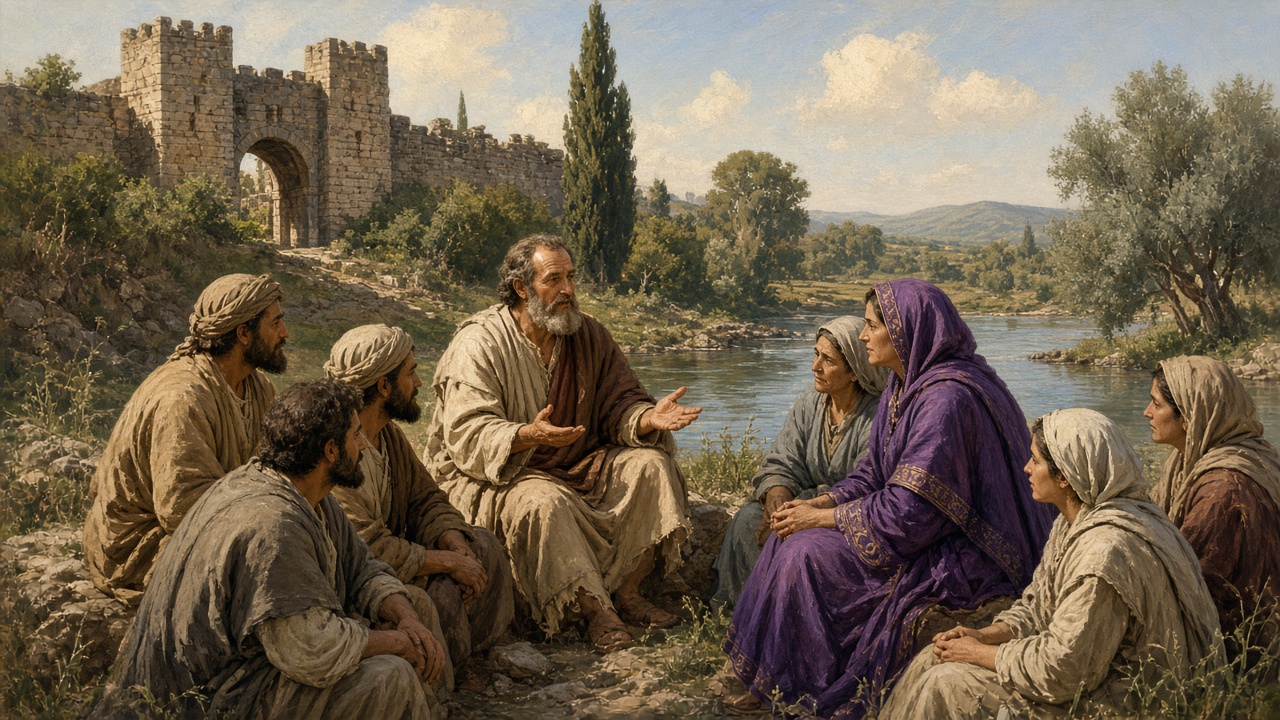
- In the Roman colony of Philippi, Paul and his companions found a customary place of prayer by the river outside the city gate, where women had gathered. Among them was Lydia, a dealer in purple cloth from Thyatira and a worshiper of God; after she and her household were baptized, she persuaded the travelers to stay at her house. Easton's Bible Dictionary (1897) describes her as a proselyte of considerable wealth and as the first person in Europe to embrace Christianity.Sources: the Bible text itself · Lydia
Notes written with AI assistance from open sources (Theographic Bible Metadata, CC BY-SA 4.0; Easton’s Bible Dictionary, public domain) and reviewed before publishing.
Places in this chapter
- Lystra · Today: Tel Lystra · 37.602, 32.338 · verses 1, 2
- Iconium · Today: Konya · 37.872, 32.492 · verse 2
- Jerusalem · 31.777, 35.234 · verse 4
- Asia · 38.400, 28.300 · verse 6
- Galatia · 39.267, 32.983 · verse 6
- Phrygia · 39.000, 31.000 · verse 6
- Bithynia · 40.500, 31.000 · verse 7
- Mysia · 40.000, 28.500 · verses 7, 8
- Troas · Today: Alexandria Troas · 39.752, 26.159 · verses 8, 11
- Greece · 37.972, 23.727 · verse 9
- Macedonia · 41.600, 22.540 · verses 9, 10, 12
- Neapolis · Today: Kavala · 40.935, 24.415 · verse 11
- Samothrace · Today: Samothraki · 40.450, 25.583 · verse 11
- Philippi · 41.012, 24.285 · verse 12
- Thyatira · Today: Akhisar · 38.920, 27.837 · verse 14
Only places identified with high confidence are shown (90% or more according to the scholarly sources compiled by OpenBible). Period map: DARE (Digital Atlas of the Roman Empire), CC BY 4.0; modern map: © OpenStreetMap contributors; places: OpenBible.info (CC BY 4.0).
Credits and license for this translation
Ŋwɛ menomenyɛɛ́ mekɛ́
New Testament in Denya (CM:anv:Denya)
copyright © 2010 Wycliffe Bible Translators, Inc.
Language: Denya
Translation by: Wycliffe Bible Translators, Inc.
Copyright Information
© 2010, Wycliffe Bible Translators, Inc. All rights reserved.
This translation text is made available to you under the
terms of the Creative Commons License: Attribution-Noncommercial-No Derivative Works.
( http://creativecommons.org/licenses/by-nc-nd/3.0/ )
In addition, you have permission to port the text to different file formats, as long as you
do not change any of the text or punctuation of the Bible.
You may share, copy, distribute, transmit, and extract portions
or quotations from this work, provided that you include the above copyright
information:
You must give Attribution to the work.
You do not sell this work for a profit.
You do not make any derivative works that change any of the actual words or punctuation of the Scriptures.
Permissions beyond the scope of this license may be
available if you contact
us with your request.
The New Testament
in Denya
© 2010, Wycliffe Bible Translators, Inc. All rights reserved.
This translation is made available to you under the terms of the
Creative Commons Attribution-Noncommercial-No Derivatives license 4.0.
You may share and redistribute this Bible translation or extracts from it in any format, provided that:
You include the above copyright and source information.
You do not sell this work for a profit.
You do not change any of the words or punctuation of the Scriptures.
Pictures included with Scriptures and other documents on this site are licensed just for use with those Scriptures and documents.
For other uses, please contact the respective copyright owners.
2024-02-11
Source: http://ebible.org/anvNT/ · eBible.org