2 Corinthians 3
Ŋwɛ menomenyɛɛ́ mekɛ́ · Tap a verse to see its cross-references.
Menomenyɛɛ́ mekɛ ɛpwɔ ɛwé gekwene
1Nnó ɛsé démagé lɔɔ́ mbɔ ɛlé mamfɛge gemɛgé sé? Waá nnó ɛsé dékɛlege nnó muú fɔ asá ŋwɛ ayi afɛge ɛsé atɔ ɛta nyú, yɛ́ ayi nnó ɛnyú désa défɛgé ɛsé ndɛre bɔɔ́ ne atɛ ánlɛre abifɔ ápyɛɛ́? 2Ngba, ɛnyú ambɔɔ́ delú ɛké bɔ ŋwɛ abi áfɛgé ɛsé. Geŋwáge nyú gelú ɛké bɔ ŋwɛ abi asamé né mmu matɔɔ́ se, yɛ́ndémuú ákagé kú abi akaá utɔɔ́ ulɔ́úlɔ́ bi ɛsé dépyɛɛ́. 3Ɛnyú délɛre nnó delú ɛké ŋwɛ ayi Kras asamé atɔme ɛsé déchwɔɔ́ ne ji. Ásá fɔ́ ŋwɛ yina ne genɔgé ŋwɛ wɔ́, ásá lé ne Mendoó Ɛsɔwɔ muú alú mebɛ. Ásá fɔ́ ji né ubaré mataá wɔ́, ásá lé né mmu matɔɔ́ akwaá.
4Ɛsé dékage jɔɔ́ unó bina ndɛre dénɛré metɔɔ́ ne Ɛsɔwɔ gétúgé genó ɛyigé Kras apyɛ. 5Ɛpɔ́fɔ́ nnó ɛsé dékwané mampyɛ genó fɔ né mmyɛmmyɛ sé, ɛlé Ɛsɔwɔ ne apyɛ ɛsé dékwanege mampyɛɛ́ yɛ́ndégenó. 6Ji ne apyɛ ɛsé dékwane mambɛ baá utɔɔ́ bií né menomenyɛɛ́ mekɛ. Menomenyɛɛ́ ɛwéna ɛpɔ́fɔ́ ɛbɛ ɛwé ásamé, ɛlú lé Mendoó Ɛsɔwɔ. Ɛbɛ ɛwémbɔ ɛtené bɔɔ́ né negbó, yɛ́mbɔ Mendoó ɛchyɛge bɔɔ́ geŋwá.
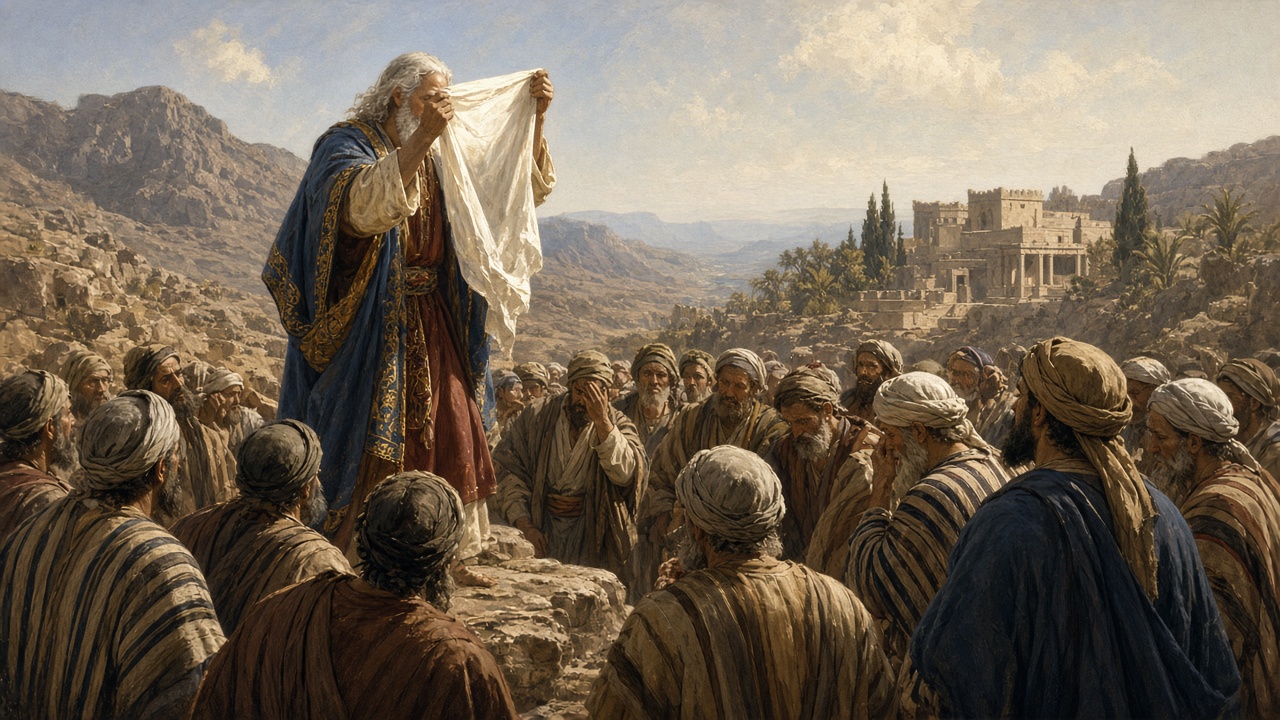
7Ne mbɔgé nnó utɔɔ́ ɛbɛ Mosis ɛwé ásame né ubare mataa, ɛwú ɛwé ɛténe bɔɔ́ né negbo, ɛchwɔ ne geŋgbɔ ɛyi gepyɛɛ́ bɔɔ́ Isrɛli álá kágé pɛ fɔ Mosis né ushu chó gétúgé ushu bií ugɛnege dɔɔ́ yɛ́ ɛlé geŋgbɔ ɛyigé gegboó gelú gejyɛɛ́, 8nnó utɔɔ́ Mendoó Ɛsɔwɔ muú achwɔɔ́ ne geŋwá uchwɔɔ́ nyɛ fɔ́ ne geŋgbɔ ɛyi gepwɔɔ́ ɛyina? 9Mbɔgé nnó utɔɔ́ ɛbɛ ɛwéna ɛwé ɛtené bɔɔ́ né negbó, ɛwyá gefɔgé geŋgbɔ ɛyina, fɛrege ndɛre geŋgbɔ ɛyigé utɔɔ́ Mendoó Ɛsɔwɔ muú apyɛɛ́ nnó debɛ cho né mbɛ ushu wuú gebɛɛ́. 10Wáwálé né mechɔ ɛwéna alú nnó, genó ɛyi gebɔ gewyaá geŋgbɔ mbɛmbɛ gepɔ sé ne geŋgbɔ chacha néndé geŋgbɔ gekɛ ɛyi gechwɔɔ́ gégɛ́négé gepwɔ geji. 11Ne mbɔgé genó ɛyigé nya gebɔ gegboó gelú gewyaá geŋgbɔ, ɛbyɛnnó ɛyi gela tɛ ɛtém gewyaá geŋgbɔ gepwɔɔ́.
12Tɛ mbaá ɛsé débelé umɛɛ́ cháŋéné nnó mbɔ ne ɛlu, ɛsé depyɛɛ́ unó ne metɔɔ́ mende. 13Ɛsé debɔ fɔ́ mampyɛ ɛke Mosis muú akwere ushu bií nnó ɛkage bɔɔ́ Isrɛli agɛ ndɛre geŋgbɔ ɛyigémbɔ gegboó gelú. 14Yɛ́mbɔ matɔɔ́ bɔɔ́ bimbɔ alu wyɛɛ́ sésélé akaá yɛ genó wɔ. Mbɔ ne alu kpaá tɛ fina. Yɛ akúgé gekwenege meno menyɛɛ ákágé fɔ ula. Ɛlú ɛké genó ɛyimbɔ gelú ɛbwɔ́ né matɔɔ kwekwere. Genó ɛyi gekágé pyɛ nnó afɛre ɛbwɔ́ genó ɛyina né metɔɔ, ɛlé mbɔgé ɛbwɔ́ afyɛge metɔɔ́ ne Kras. 15Wáwálé alú nnó, tɛ fina ɛlú ɛké genó ɛyigémbɔ gelú ɛbwɔ́ né matɔɔ kwekwere néndé yɛ́ akú ɛbɛ Mosis ɛbwɔ́ ákágé fɔ́ ula. 16Yɛ́mbɔ, muu akwɔregé metɔɔ́ akwɔlegé Ata, Ɛsɔwɔ aferege genó ɛyi gekwere mbɔ ji ushu. 17Nana Ata ayi me njɔ́gé mbɔ akɛne ne Mendoó Ɛsɔwɔ ne apyɛɛ́ unó bina. Ne yɛ́ndé mbaá ayi Mendoó Ata ɛbɛɛ, ɛpyɛ bɔɔ́ álaá mmyɛmmyɛ bwɔ́ genó gefɔ gewɛle sé ɛbwɔ́. 18Ne ɛsé abi genó gefɔ gela gekwere ɛsé matɔɔ wɔ́, dégɛne geŋgbɔgé Ata ɛyi gegɛnege ɛse mmyɛ ɛke ŋmɛɛ nnó dékwɔrege wyɛ kwɔrege debɛ ɛke ji. Ndɛre dékwɔrege dégɛnege wyɛ gɛnege, ɛlé Ata muú akɛne ne Mendoó Ukpea ne apyɛɛ́ nnó ɛbɛ mbɔ.
Did you know?
A More Glorious Covenant
- The chapter asks whether letters of recommendation to or from the believers are needed, as some people require. It answers that the believers themselves are a letter from Christ, the result of this ministry, inscribed on the ministers' hearts and known and read by everyone.Sources: the Bible text itself
- The chapter contrasts ink and tablets of stone with the Spirit of the living God writing on human hearts. It calls the ministry engraved in letters on stone a ministry of death and condemnation, and describes a new covenant of the Spirit, for the letter kills but the Spirit gives life.Sources: the Bible text itself
- The Israelites could not gaze at Moses's face because of a glory that was fading, and Moses put a veil over his face so they would not look at the end of what was passing away. The chapter says that a veil still covers their hearts when Moses is read, and that it is taken away whenever anyone turns to the Lord.Sources: the Bible text itself
Notes written with AI assistance from open sources (Theographic Bible Metadata, CC BY-SA 4.0; Easton’s Bible Dictionary, public domain) and reviewed before publishing.
Credits and license for this translation
Ŋwɛ menomenyɛɛ́ mekɛ́
New Testament in Denya (CM:anv:Denya)
copyright © 2010 Wycliffe Bible Translators, Inc.
Language: Denya
Translation by: Wycliffe Bible Translators, Inc.
Copyright Information
© 2010, Wycliffe Bible Translators, Inc. All rights reserved.
This translation text is made available to you under the
terms of the Creative Commons License: Attribution-Noncommercial-No Derivative Works.
( http://creativecommons.org/licenses/by-nc-nd/3.0/ )
In addition, you have permission to port the text to different file formats, as long as you
do not change any of the text or punctuation of the Bible.
You may share, copy, distribute, transmit, and extract portions
or quotations from this work, provided that you include the above copyright
information:
You must give Attribution to the work.
You do not sell this work for a profit.
You do not make any derivative works that change any of the actual words or punctuation of the Scriptures.
Permissions beyond the scope of this license may be
available if you contact
us with your request.
The New Testament
in Denya
© 2010, Wycliffe Bible Translators, Inc. All rights reserved.
This translation is made available to you under the terms of the
Creative Commons Attribution-Noncommercial-No Derivatives license 4.0.
You may share and redistribute this Bible translation or extracts from it in any format, provided that:
You include the above copyright and source information.
You do not sell this work for a profit.
You do not change any of the words or punctuation of the Scriptures.
Pictures included with Scriptures and other documents on this site are licensed just for use with those Scriptures and documents.
For other uses, please contact the respective copyright owners.
2024-02-11
Source: http://ebible.org/anvNT/ · eBible.org