1 Corinthians 7
Ŋwɛ menomenyɛɛ́ mekɛ́ · Tap a verse to see its cross-references.
Dépɔré neba
1Gɔ́ge me nshuú ɛnyú meko né dépɔ ɛtiré ɛnyú désamé me.
Ɛlú galɔ́gálɔ́ nnó mende achogé yɛ́ mmyɛ ne mendée. 2Yɛ́mbɔ, tɛ́ mbaá bɔɔ́ ábɛ́lege ubɛlé támetáme dɔɔ́, ɛ́lɔ́me nnó yɛ́ndé mende ábá awuú mendée ne yɛ́ndé mendée ntó ábá awuú menɔ. 3Ne mende abɔ́ fɔ́ manshya mendée wuú ubɛlé wɔ, ne mendée ntó abɔ́ fɔ́ manshya menɔ wuú ubɛlé wɔ́. 4Menyammyɛ mendée apɔ́ fɔ́ awuú jimbɔɔ́, alú lé ayi menɔ wuú. Ne menyammyɛ mende apɔ́ ntó awuú jimbɔɔ́, alú lé ayi mendée wuú. 5Ndɛre ɛlúmbɔ, ɛ́kágé ntɛ ashya ntɛ ubɛlé, ɛkosé nnó ɛbwɔ́ ákámege meko amá nnó alyaá kpɛ́ atɛ né mboó gébé nnó anɛmmyɛ mbaá Ɛsɔwɔ. Ne gébé ɛyigémbɔ gékógé, ɛbwɔ́ abɔ́ mankéré chónchó nnó ɛ́kágé danchɔmeló apyɛ ɛbwɔ́ akpɛ́ né mmuameno gétúgé álá akágé gbaré mmyɛ bwɔ́.
6Me njɔ́gé mbɔ, ɛpɔ́fɔ́ nnó ŋmɛrege muú fɔ mekpo mme nnó abá neba, yɛ́mbɔ nchyɛge lé ɛnyú majyɛɛ́. 7Metɔɔ́ ɛbɔ́ ɛgɔɔ́ me nnó yɛ́ndémuú abɛ ukwa ɛké me. Yɛ́mbɔ yɛ́ndémuú awyaá ɛwuú ɛchyɛ ɛwé Ɛsɔwɔ achyɛɛ́ ji. Achyɛɛ́ bɔɔ́ abifɔ ɛshyɛ mampyɛ géfɔ́gé genó ɛyigé na, achyɛ abifɔ mampyɛ ɛyigé na.
8Mbaá bɔɔ́ abi alú ukwa, ne akwi andée, ngárége ɛbwɔ́ nnó, ɛlɔ́mé nnó ɛbwɔ́ ábagé fɔ́ neba, abɛ ukwa nkane me nlú. 9Yɛ́mbɔ́, mbɔ́gé ɛbwɔ́ ákágé gbaré fɔ́ menyammyɛ bwɔ́, ábá neba. Néndé ɛlú galɔ́gálɔ́ nnó ɛbwɔ́ ábá neba ne nnó ájwyɛgé mmyɛ.
10Né mbaá bɔɔ́ abi abané neba, nkpeage ɛbwɔ́ nnó, mendée abagé menɔ, ɛ́kágé alyaá menɔ wuú neba. Mejɔɔ́ ɛwé menjɔɔ́ mbɔ na, ɛpɔ́fɔ́ me, ɛlé Ata jimbɔɔ́ ne ajɔɔ́; 11yɛ́mbɔ, mbɔgé mendée alyagé menɔ wuú neba; ábagé sé menɔ ayicha ɛlá ɛpɔ mbɔ wɔ, akéré mbaá menɔ wuú ɛbwɔ́ akwyɛɛ́ depɔ́. Ne ɛ́kágé menɔ ntó ábú mendée wuú né neba.
12Ne mbaá abifɔ abi abané bɔɔ́ abi álá áfyɛɛ́ matɔɔ́ ne Kras wɔ́, ngárége ɛbwɔ́ nnó yɛ́ndé meŋmɛ ayi ábáné mendée ayi álá áfyɛɛ́ metɔɔ́ ne Kras wɔ, mendée yimbɔ akámégé nnó ajwɔlégé ne ji, ɛ́kágé alyaá ji neba. Mejɔɔ́ ɛwé menjɔɔ́ mbɔ, ɛ́tané membɔɔ́ né metɔɔ́ ɛ́tané fɔ mbaá Ata wɔ́. 13Wyɛmbɔ ntó, ne meŋmɛ ayi ábáné menɔ ayi álá fyɛɛ́ metɔɔ́ ne Kras wɔ alá abɔɔ́ fɔ manlyaá ji neba wɔ́, mbɔ́gé menɔ yimbɔ ákámégé nnó ajwɔlége ne ji. 14Me njɔ́gé mbɔ néndé, Ɛsɔwɔ ajeé menɔ ayi álá fyɛɛ́ metɔɔ́ ne Kras wɔ́ gétúgé mendée wuú áfyɛɛ́ metɔɔ́ ne Kras. Ne ajeé ntó mendée ayi alá fyɛɛ́ metɔɔ́ ne Kras wɔ gétúgé menɔ wuú áfyɛɛ́ metɔɔ́ ne Kras. Mbɔgé ɛlá pɔ́ mbɔ wɔ́, Ɛsɔwɔ asɛlé baá bwɔ́ ɛké baá bɔɔ́ abi álá kágé Ɛsɔwɔ. Ne ndɛre ɛlúmbɔ, Ɛsɔwɔ asɛ́ baá bwɔ́ ndɛre bɔɔ́ bií. 15Yɛ́mbɔ mbɔ́gé muú ayi álá fyɛɛ́ metɔɔ́ ne Kras wɔ́, aké akɛ́lege manlyaá neba ne muú ayi áfyɛɛ́ metɔɔ́ ne Kras, agɔ ji ajyɛ, néndé ɛ́bɛ́ ɛpɔ́ ɛwé ɛgbárége muú ayi afyɛɛ́ metɔɔ́ ne Kras nnó ɛ́pyɛ nnó alyaá ji neba. Ɛsɔwɔ akú ɛsé nnó débɛ́ né nesɔ. 16Wɔ mendée menɔ ayi ɔ́fyɛɛ́ metɔɔ́ ne Kras kaá nnó getú jyɛɛ́ ndɔfɔ́ menɔ wyɛ akágé fyɛɛ́ metɔɔ́ ne Kras. Ne wɔ menɔ ayi ɔfyɛɛ́ metɔɔ́ ne Kras kaá ntó nnó getú jyɛɛ́, ndɔfɔ mendée wyɛ ákágé fyɛɛ́ metɔɔ́ ne Kras.
Yɛ́ndémuú ábɛɛ́ wyɛ ndɛre ji abɔ alu gemɛgé nnó Ɛsɔwɔ ákuú ji
17Yɛ́ndémuú abɛ wyɛ ndɛre ji abɔ alú gébégé Ɛsɔwɔ akuú ji. Gɛ́ genó ɛyigé menlɛrégé né yɛ́ndé ɛchomelé bɔɔ́ Jisɔs nnó apyɛgé mbɔ. 18Mbɔgé asɔ́ mɛ́ muú nsɔ́ ne Ɛsɔwɔ alé ku ji nnó abɛ muú awuú, ɛ́kágé ámuá mambi nnó asɔ́ ji nsɔ́. Ne mbɔgé ntó nnó alú dansɔ wɔ nsɔ gébégé Ɛsɔwɔ akuú wɔ nnó ɔbɛ muú awuú ɔ́mmyɛ́gé fɔ́ nnó asɔ́ wɔ́ nsɔ́. 19Yɛ́ ásɔ́ wɔ́ nsɔ́, yɛ́ asɔ́ wɔ́, ɛwémbɔ ɛpyɛ mechɔ́ wɔ́. Genó ɛyigé geŋeá gepwɔɔ́ gelú ɛlé nnó ɔ́nógé mabɛ Ɛsɔwɔ. 20Ndɛre ɛlúmbɔ, yɛ́ndémuú abɛ wyɛ ndɛre ji alú gébégé Ɛsɔwɔ akuú ji. 21Nnó ɔ́bɔ́ ɔlú memfwɛ́ gébégé Ɛsɔwɔ akuú wɔ́ nnó ɔbɛ muú wuú? Ɛkágé ɔchyɛɛ́ gemɛ jyɛ ɛfwyale getú ɛyigémbɔ. Yɛ́mbɔ, mbɔ́gé ɔ́gɛ́gé meti nnó ɔferégé gemɛ jyɛɛ́ nnó ɔ́bɛ́gé sé memfwɛ́ pyɛmbɔ. 22Kaágé nnó yɛ́ muú abɔ́ alú lé memfwɛ́ ne Ɛsɔwɔ akuú ji nnó ábɛ́ muú wuú, né ɛgbɛ ɛwé Ata apɔ́ mefwɛ́. Ɛlú ntó nnó muú ayi abɔ́ álá pɔ́ mefwɛ́ gébégé Ɛsɔwɔ akuú ji nnó abɛ muú awuú, alú mefwɛ́ mbaá Kras. 23Tégé nnó, Ɛsɔwɔ ana ɛnyú ne genó ɛyigé geŋeá gemɛ mamferé ɛnyú né ɛfwyale. Débɛgé fɔ afwɛ́ mbaá akwaá. 24Ndɛre ɛlúmbɔ, yɛ́ndémuú abɛ wyɛ ne Ɛsɔwɔ ndɛre ji abɔ́ alu, gemɛgé nnó Ɛsɔwɔ akuú ji.
Andée abí álá ba anɔ wɔ́ ne akwi
25Ne gɔ́gé menjɔɔ́ dépɔré bɔɔ́ abi álú ubwɛne. Genó ɛyigé me njɔ́gé mbɔ Jisɔs jimbɔɔ́ fɔ́ wɔ agáre me wɔ́, yɛ́mbɔ ngárégé ɛnyú ndɛre muú ayi Ata ágɛ́ne me meshwɛ apyɛ me nlú muú ayi ɛnyú dékágé nɛré metɔɔ́ ne ji.
26Né úfɛ́ré ba, ɛlú galɔ́gálɔ́ nnó yɛ́ndémuú ábɛ́ wyɛ ndɛre ji alú néndé ɛfwyale ɛja nana dɔɔ́. 27Muú ayi ábáne mendée ɛ́kágé alyaá mendée wuú neba. Ne muú ayi álá alú dambá mendée, ɛ́kágé akɛ́lé mendée mamba. 28Yɛ́ ɛlé njɔ́gé mbɔ, mbɔ́gé muú abagé mendée apyɛ fɔ gabo wɔ́ ne yɛ́ mesɔ mendée abagé menɔ apyɛ fɔ gabo wɔ́. Yɛ́mbɔ bɔɔ́ abi ábane neba, ágɔɔ́ ɛfwyale. Ne nkɛlégé nnó mpyɛ ɛ́kágé ɛnyú dékpɛ́ né ɛfwyale ɛwé ɛbwɔ́ ágɛné.
29Aŋmɛ ba, gɔ́ge mengáré ɛnyú nnó gébé ɛyigé Ɛsɔwɔ achyɛɛ́ ɛlá gachyɛɛ́ gebyɛ. Né getú ɛyigémbɔ, bɔɔ́ abi ábáné andée abɛ ɛké bɔɔ́ abi álá bá andée wɔ́. 30Bɔɔ́ abi áwyaá mesome, ábɛ ɛké bɔɔ́ abi álá pɔ́ ne mesome. Bɔɔ́ abi áwyaá nechɔ́chɔ́ ábɛ́ ɛké bɔɔ́ abi álá pɔ́ ne nechɔ́chɔ́. Ne bɔɔ́ abi ákɛne gese ábɛ́ ɛké bɔɔ́ abi álá pɔ́ ne unó gese. 31Muú ayi awyaá utɔɔ́ mampyɛ fa mme abɛ ndɛre muú ayi ala nɛre metɔɔ́ ne unó mme wɔ́.
32Ne nkɛ́légé fɔ́ nnó genó gechyɛge ɛnyú ɛfwyale né metɔɔ́. Muú ayi álá bá mendée wɔ́, afyɛɛ́ metɔɔ́ wuú mampyɛ utɔɔ́ Ata Jisɔs, ne akɛlege nnó apyɛɛ́ utɔɔ́ bimbɔ gefɔɔ́ ɛyigé metɔɔ́ ɛgɔ́ɔ ji. 33Yɛ́mbɔ muú ayi ábané mendée anɛrége metɔɔ́ né unó mme, akɛlégé ɛlé nnó ápyɛ unó bi metɔɔ́ ɛgɔɔ́ mendée wuú. 34Ne gétú ɛyigémbɔ úfɛ́ré bií ukwéné tyátyá. Wyɛmbɔ ntó ne mendée ayi ábané menɔ anɛrege metɔɔ́ né unó mme gétúgé akɛlege mampyɛ genó ɛyigé metɔɔ́ ɛgɔɔ́ menɔ wuú. Yɛ́mbɔ mendée ayi álá lú dambá menɔ, áfyɛɛ́ lé metɔɔ́ mampyɛ utɔɔ́ Ɛsɔwɔ, ne áchyɛge gemɛ jií geko mbaá Ata Jisɔs.
35Unó bi me njɔ́gé mbɔ na, úlú ɛlé mampoó ɛnyú, ɛpɔ́fɔ́ nnó nshyaá nnó ɛnyú dépyɛgé fɔ́ ubi wɔ́, nkɛ́lége ɛlé nnó dépyɛgé unó né meti ɛwé ɛlu cho, défyɛ mekpo né depɔré Ata.
36Muú akpɛ́gé gébwɛnégé mendée mambá, ne agɛ́gé nnó gébé ɛyigé ji alú mambá mendée yimbɔ gelegé koó, ne ji akágé gbaré fɔ mmyɛ né depɔré ubɛlé, apyɛ ndɛre ji akɛlege abá mendée yimbɔ. Gabo apɔ mmu. 37Yɛ́mbɔ́ muú ajɔ́gé mɛ́ né metɔɔ́ wuú nnó ji ábáné fɔ́ mandée ayi ji abɔ́ alú mambá, ne yɛ́ genógé fɔ́ gepɔ́ ɛyi géténé ji nnó ábá mendée yimbɔ, mbɔ́gé ji akágé gbáré mmyɛ jií né dépɔré ubɛlé, ashyagé nnó ábáné fɔ mendée yimbɔ apyɛ mechɔ́ melɔ́mélɔ́. 38Ndɛre ɛlúmbɔ́, muú ayi ábáne gembwɛ́négé mendée ayi ji akpɛné mambá apyɛ mechɔ́ melɔ́mélɔ́. Ne muú ayi álá bá wɔ, apyɛ mechɔ́ ɛwé ɛlɔ́mé kpaá ɛpwɔ amu.
39Mendée abɔɔ́ fɔ́ manlyaá menɔ wuú neba, abá menɔ yicha ɛwé menɔ wuú alú membɛ wɔ, ɛkosé nnó menɔ wuú agbogé ne ji akágé ba menɔ yicha ndɛre ji akɛlégé. Ne menɔ yimbɔ abɔ́ mambɛ muú ayi afyɛɛ́ metɔɔ́ ne Kras. 40Ne yɛ́ lé menɔ wuú agbogé ji ákágé ba ayicha, né metɔɔ́ wa nfɛré nnó ɛlɔ́ nnó yɛ́ menɔ ayicha ábagé sé. Ne nfɛré nnó Mendoó Ɛsɔwɔ ne ɛchyɛgé me majyɛ ami menchyɛge mbɔ.
Did you know?
Counsel on marriage and the present crisis
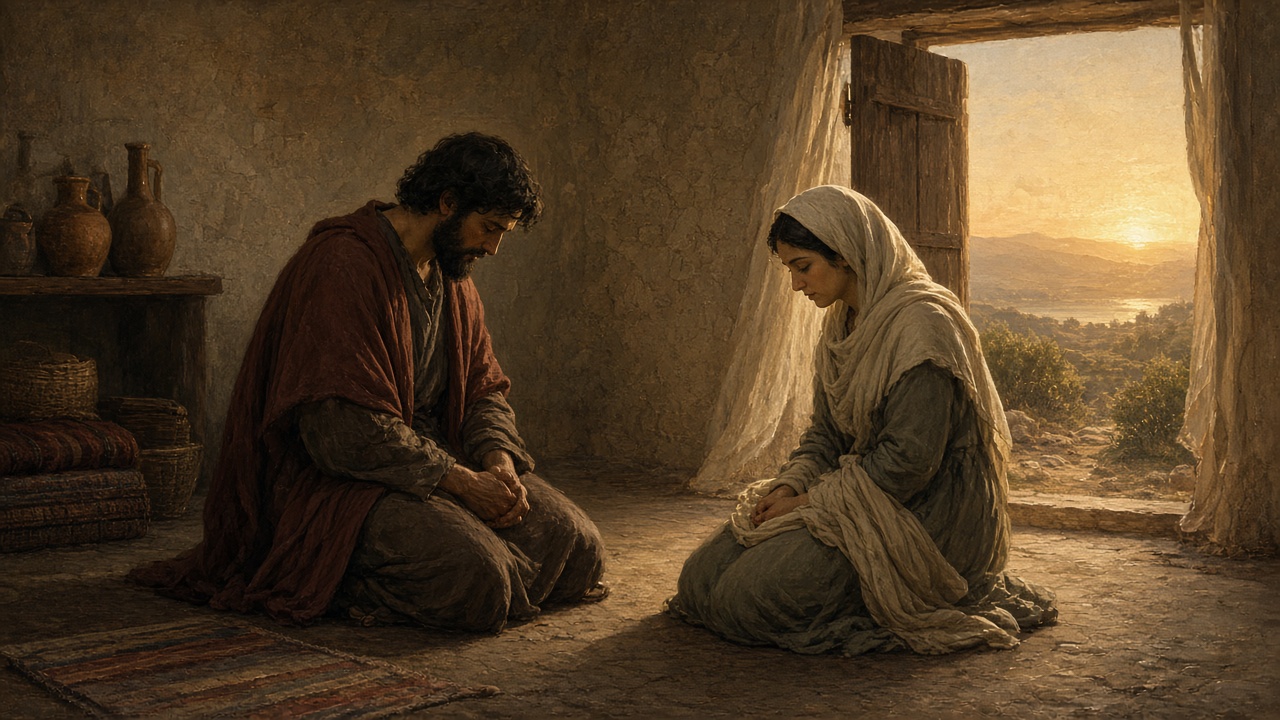
- The chapter opens as a reply to matters the readers had written about. The writer says it is good to abstain from sexual relations, yet, because there is so much sexual immorality, each man should have his own wife and each woman her own husband. He presents this as a concession, not as a command, and says that each person has their own gift from God.Sources: the Bible text itself
- In marriage, the writer says the wife does not have authority over her own body, but the husband does, and likewise the husband does not have authority over his own body, but the wife does. They should not deprive each other except by mutual consent and for a time, so they may devote themselves to prayer, and then come together again, so that Satan will not tempt them through lack of self-control. Easton's Bible Dictionary (1897) presents the name Satan as “adversary” or “accuser,” and notes that he tempted Jesus in the wilderness.Sources: the Bible text itself · Satan
- The writer distinguishes a command he attributes to the Lord—a wife must not separate from her husband, and a husband must not divorce his wife—from his own judgment where he says he, not the Lord, is speaking, including marriages with an unbeliever and questions about virgins. Because of what he calls the present crisis, and because he says the time is short and this world in its present form is passing away, he thinks it good to remain as one is. He adds that to marry is not to sin, though those who marry will face troubles in this life.Sources: the Bible text itself
Notes written with AI assistance from open sources (Theographic Bible Metadata, CC BY-SA 4.0; Easton’s Bible Dictionary, public domain) and reviewed before publishing.
Credits and license for this translation
Ŋwɛ menomenyɛɛ́ mekɛ́
New Testament in Denya (CM:anv:Denya)
copyright © 2010 Wycliffe Bible Translators, Inc.
Language: Denya
Translation by: Wycliffe Bible Translators, Inc.
Copyright Information
© 2010, Wycliffe Bible Translators, Inc. All rights reserved.
This translation text is made available to you under the
terms of the Creative Commons License: Attribution-Noncommercial-No Derivative Works.
( http://creativecommons.org/licenses/by-nc-nd/3.0/ )
In addition, you have permission to port the text to different file formats, as long as you
do not change any of the text or punctuation of the Bible.
You may share, copy, distribute, transmit, and extract portions
or quotations from this work, provided that you include the above copyright
information:
You must give Attribution to the work.
You do not sell this work for a profit.
You do not make any derivative works that change any of the actual words or punctuation of the Scriptures.
Permissions beyond the scope of this license may be
available if you contact
us with your request.
The New Testament
in Denya
© 2010, Wycliffe Bible Translators, Inc. All rights reserved.
This translation is made available to you under the terms of the
Creative Commons Attribution-Noncommercial-No Derivatives license 4.0.
You may share and redistribute this Bible translation or extracts from it in any format, provided that:
You include the above copyright and source information.
You do not sell this work for a profit.
You do not change any of the words or punctuation of the Scriptures.
Pictures included with Scriptures and other documents on this site are licensed just for use with those Scriptures and documents.
For other uses, please contact the respective copyright owners.
2024-02-11
Source: http://ebible.org/anvNT/ · eBible.org