1 Corinthians 12
Ŋwɛ menomenyɛɛ́ mekɛ́ · Tap a verse to see its cross-references.
Ɛchyɛ ɛwé Mendoó Ukpea ɛchyɛge
1Aŋmɛ ba, nana nkɛlege mampyɛ ɛnyú dékaá cháŋéné depɔré unó bi Mendoó Ukpea ɛchyɛge bɔɔ́ uto nnó ápyɛgé. 2Ɛnyú dékaá nnó gébégé ɛnyú dela delú danfyɛ matɔɔ́ ne Jisɔs, anyua ɛnyú denó mewaá, dela nógé lé aló uka, unó bi ula ujɔ́gé mejɔɔ́. 3Ndɛre ɛlúmbɔ, nkɛlege mampyɛ ɛnyú dékaá nnó yɛ́ndémuú ayi Mendoó Ɛsɔwɔ ɛlú ne ji ajɔ́gé fɔ́ nnó, “Jisɔs ɔbɔɔ́ wyɛɛ́.” Ne yɛ muú fɔ́ ntó ákágé jɔɔ́ fɔ́ nnó, “Jisɔs ne alú Ata”, mbɔgé Mendoó Ukpea ɛlá ɛpɔ́ ne ji.
4Kaágé ntó nnó unó bi Mendoó Ukpea ɛchyɛge bɔɔ́ uto nnó ápyɛge úlú ufɔɔ́ ufɔɔ́. Yɛ́mbɔ wyɛ lé Mendoó Ukpea ɛwú ɛma ne ɛchyɛge ɛbwɔ́ uto mampyɛ unó bina uko. 5Matɔɔ́ ami ɛsé dépyɛɛ́ mbaá Ata malu ufɔɔ́ ufɔɔ́, yɛ́mbɔ wyɛ lé Ata wu ama ne ɛsé ako dépyɛɛ́ utɔɔ́ bií. 6Mati ayi ɛsé dépyɛ utɔɔ́ mbaá Ɛsɔwɔ álú ufɔɔ́ ufɔɔ́ yɛ́mbɔ wyɛ lé Ɛsɔwɔ wu ama ne apyɛ utɔɔ́ né geŋwáge yɛ́ndémuú sé. 7Mendoó Ukpea ɛchyɛge uto mbaá yɛ́ndémuú sé nnó désɛ ubi dépyɛge utɔɔ́ ɛbi upogé bɔɔ́ ako. 8Mendoó Ukpea ɛchyɛge muú ayifɔ́ uto manjɔɔ́ mejɔɔ́ Ɛsɔwɔ ne deŋga. Muú ayifɔ́ ɛchyɛge ji uto manlɛre unó bi Ɛsɔwɔ apyɛ ji akaá. Wyɛ lé Mendoó Ukpea ɛwú ɛma ne ɛchyɛge ɛbwɔ́ utó mampyɛ utɔɔ́ bina. 9Mendoó Ukpea wú ɛma, ɛchyɛge muú ayifɔ utó mamfyɛ metɔɔ́ ne Ɛsɔwɔ kpaá tɛ ápyɛɛ́ genó ɛyigé ji ágige. Muú ayifɔ ɛchyɛge ji utó mampyɛ bɔɔ́ abi ameé ufɔɔ́ ufɔɔ́ mameé átoógé. 10Mendoó Ukpea ɛchyɛge muú ayifɔ utó mampyɛ ufélekpa, muú ayifɔ ɛchyɛge ji utó mangarege genó ɛyigé getané mbaá Mendoó Ɛsɔwɔ. Ayifɔ ɛchyɛge ji utó mankaá unó bi utanege mbaá Mendoó Ɛsɔwɔ ne ɛbi ulá utanege fɔ́ mbaá Mendoó Ɛsɔwɔ. Ayifɔ ɛchyɛge ji utó manjɔɔ́ ufɔɔ́ mejɔɔ́ ɛbi yɛ́ jimbɔɔ́ álá kágé fɔ́. Ne ayifɔ ntó ɛchyɛge utó mangare ulaá ufɔɔ́ mejɔɔ́ ɛbimbɔ. 11Unó bina uko ɛlé wyɛ Mendoó Ukpea wú ɛma ne ɛchyɛge ɛsé utó nnó depyɛge ubi. Ne ɛchyɛge yɛ́ndémuú ɛbií utó cha ndɛre ɛwú ɛkɛ́lege.
Aŋkwɔle Jisɔs álú ɛké upɔ menyammyɛ uchaucha né menyammyɛ ama
12Dékaá nnó menyammyɛ mekwaá awyaá upɔ uchaucha. Ne yɛ́ ɛlé upɔ menyammyɛ ujame dɔɔ́, ucho upyɛ lé menyammyɛ ama. Mbɔntó ne Kras alú. 13Ɛsé abifɔ délú bɔɔ́ Jus, abifɔ bɔɔ́ Grek. Bɔɔ́ abifɔ álú áfwɛ abifɔ ápɔ́. Yɛ́mbɔ gébégé awyaá ɛsé manaá né utó Mendoó Ukpea ɛwémbɔ ɛma, ɛsé ako dékwe ɛké menyammyɛ ama ne Ɛsɔwɔ apyɛ ɛsé ako désɛ Mendoó ɛma.
14Ne dépɛge menyammyɛ mekwaá apɔ́ fɔ́ lé ne gepɔge menyammyɛ gema, awyaá upɔ gejame. 15Désɛ nnó geka geke, “Me mpɔ́ fɔ́ gepɔge menyammyɛ néndé me mpɔ́ fɔ́ ɛbwɔ” ɛwémbɔ ɛpyɛ fɔ́ nnó geji gebɛge fɔ́ gepɔge menyammyɛ, waá ɛpyɛɛ́? 16Ne mbɔgé ɛtu ɛké, “Me mpɔ́ fɔ́ gepɔge menyammyɛ néndé me mpɔ fɔ́ dambɔnyi, ɛwémbɔ ɛpyɛ fɔ́ nnó ɛwu ɛbɛge gepɔgé menyammyɛ, waá ɛpyɛɛ́?” 17Ne mbɔgé menyammyɛ meko abɛ lé dambɔnyi jiji, mekwaá abɔ awuú mbɔ mbaá ne ndé? Ne mbɔgé menyammyɛ meko ntó abɛ ɛlé ɛtu ɛwuɛwu mekwaá abɔ awuú mbɔ, gebɛ ne ndé? 18Ndɛre ɛlúmbɔ, Ɛsɔwɔ akwyɛɛ́ menyammyɛ mekwaá né upɔupɔ, ne abelé yɛ́ndé gepɔ ndɛre ji akɛlege. 19Ne mbɔgé upɔ bina uko ubɔ ubɛ lé gepɔ gema, menyammyɛ abɔ abɛɛ́ fɔ́. 20Ndɛre ɛlúmbɔ, menyammyɛ mekwaá awyaá upɔ gejame, yɛ́lé upɔ ujame menyammyɛ alú ɛlé ama.
21Gétú ɛyigémbɔ dambɔɔ́nyi ákágé jɔɔ́ fɔ́ ne ɛbwɔ nnó, “Ɔkágé poó fɔ́ me.” Yɛ́ mekpo ɛ́kágé jɔɔ́ fɔ́ ne uka nnó “Ɔkágé poó fɔ́ me.” 22Yɛ́mbɔ wáwálé álu nnó, upɔ́ menyammyɛ ɛbifɔ́ ɛbi ɛsé défɛré nnó upɔ́ ne ɛshyɛɛ́ dékágé jwɔlé fɔ́ ɛwé ubi ula pɔ́. 23Ne upɔ menyammyɛ ɛbi ɛsé désɛle nnó upɔ ne ɛ́nógé, ubi ne ɛsé dénógé dɔɔ́. Ne ɛbi ɛsé déla kɛlé nnó ubi ubɛ fuú ne ɛsé dékwerege cháŋéné, 24ɛwé déla dépyɛ fɔ́ mbɔ, ne upɔ ɛbi ulɔme dɔɔ́. Yɛ́mbɔ Ɛsɔwɔ achoné upɔ menyammyɛ bina mbaá ama, ne achyɛɛ́ ɛ́nógé mbaá ɛbi ula upɔ ne ɛ́nógé, 25nnó upɔɔ́ menyammyɛ ubɛgé fɔ́ ne aŋgya, uchɛrege lé atɛ. 26Mbɔgé gepɔgé menyammyɛ gema geké gegɛne ɛfwyale, ɛbifɔ uko ntó ugɛne ɛfwyale chónchó ne geji. Mbɔgé gepɔ gema gebɛge ne ɛ́nógé ɛbifɔ uko ntó ubɛɛ́ ne nechɔ́chɔ́ chónchó ne geji.
27Wyɛmbɔ ntó ne menyammyɛ Kras álú. Ne yɛ́ndémuú nyú alú gepɔge menyammyɛ wuú. 28Ne Ɛsɔwɔ achyɛɛ́ yɛ́ndémuú gefɔ́gé utɔɔ́ bií né ɛchomele bɔɔ́ Kras. Ntoó ɛníné mbɛ ɛlé áŋgbá Jisɔs, matoó apea ɛlé bɔɔ́ ɛkpávé Ɛsɔwɔ, matoó ulɛɛ́ ɛlé, anlɛre mekomejɔɔ́ Ɛsɔwɔ. Ne abi akwɔlege ɛlé bɔɔ́ abi apyɛɛ́ ufelekpa, abi apyɛɛ́ bɔɔ́ mameé atoóge, abi apogé bɔɔ́, abi ápɛle ndɛre utɔɔ́ Ɛsɔwɔ ukɛne, ne abi ajɔ́gé ufɔɔ́ mejɔɔ́ ufɔɔ́ ufɔɔ́ ɛbi ɛbwɔ́ ambɔɔ́ álá kágé. 29Nnó bɔɔ́ ako ne álú áŋgbá Kras? Ngba! Nnó bɔɔ́ ako ne álú bɔɔ́ ɛkpave Ɛsɔwɔ? Ngba! Nnó bɔɔ́ ako ne álú anlɛre mekomejɔɔ́ Ɛsɔwɔ? Ngba! Nnó bɔɔ́ ako ne ápyɛɛ́ ufélekpa? Ngba! 30Nnó bɔɔ́ ako ne ápyɛɛ́ bɔɔ́ mameé atoógé? Ngba! Nnó bɔɔ́ ako ne ájɔ́gé ufɔɔ́ mejɔɔ́ ufɔɔ́ ufɔɔ́? Ngba! Waá nnó bɔɔ́ ako ne ágarege ula ufɔɔ́ mejɔɔ́ bina? Ngba! 31Yɛ́mbɔ, genó ɛyigé débɔɔ́ manɛre matɔɔ́ wyɛ dɔɔ́ gelú nnó Ɛsɔwɔ achyɛ ɛnyú unó bi ulɔme dɔɔ́ upwɔɔ́ ɛbifɔ́.
Gɔgé me ngáre ɛnyú meti ɛwé ɛlɔme ɛpwɔɔ́ mati ako.
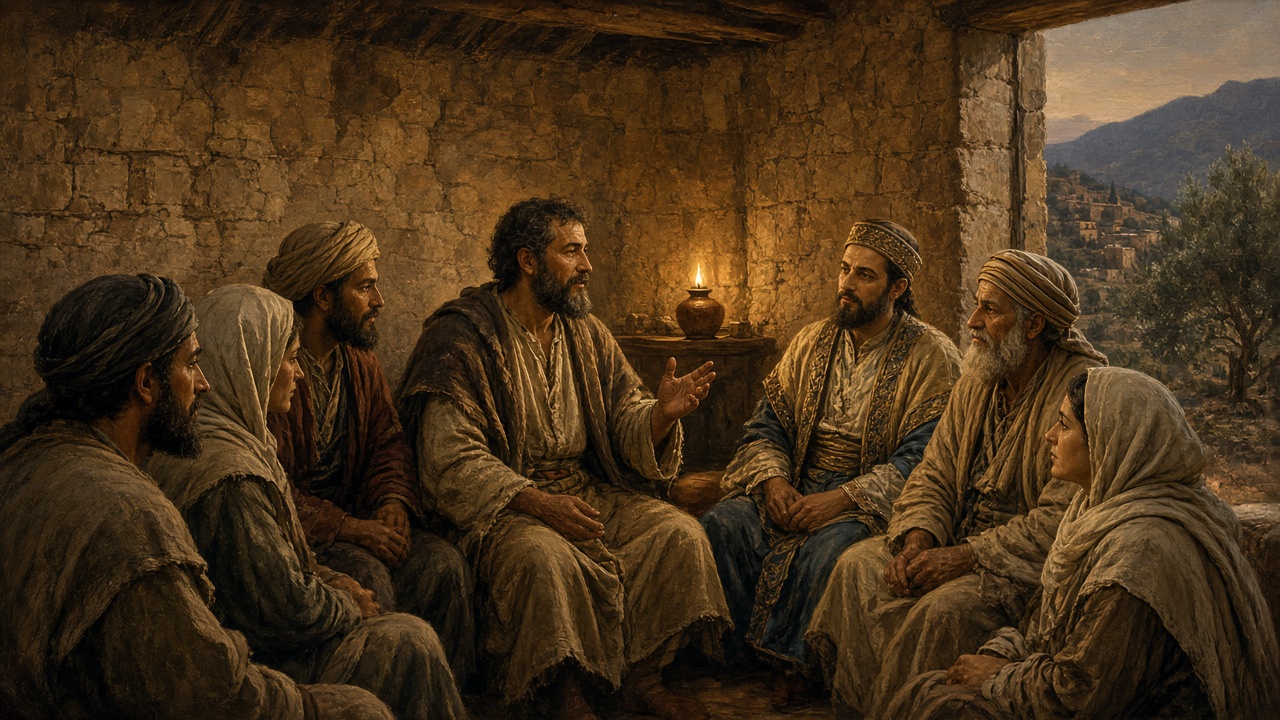
Did you know?
Spiritual gifts and one body
- The chapter begins by reminding the readers that, when they were pagans, they were led astray to mute idols. It then sets a test for speech about Jesus: no one speaking by the Spirit of God curses Jesus, and no one can confess that Jesus is Lord except by the Holy Spirit.Sources: the Bible text itself
- Gifts, ministries, and ways of working differ, yet they come from the same Spirit, the same Lord, and the same God, who works all things in all people. Each manifestation of the Spirit is given for the common good, and the one Spirit assigns them—including wisdom, knowledge, faith, healing, miracles, prophecy, distinguishing spirits, various tongues, and interpretation—as he determines. The closing questions make the same point: not all are apostles, prophets, or teachers, and not all speak in tongues or interpret.Sources: the Bible text itself
- The many members are compared to one body, and the same is said of Christ. In one Spirit all were baptized into that one body, whether Jews or Greeks, slave or free, and all were given one Spirit to drink. Parts that seem weaker are called indispensable, and those considered less honorable are given greater honor, so that there is no division and the members suffer and rejoice together.Sources: the Bible text itself
Notes written with AI assistance from open sources (Theographic Bible Metadata, CC BY-SA 4.0; Easton’s Bible Dictionary, public domain) and reviewed before publishing.
Credits and license for this translation
Ŋwɛ menomenyɛɛ́ mekɛ́
New Testament in Denya (CM:anv:Denya)
copyright © 2010 Wycliffe Bible Translators, Inc.
Language: Denya
Translation by: Wycliffe Bible Translators, Inc.
Copyright Information
© 2010, Wycliffe Bible Translators, Inc. All rights reserved.
This translation text is made available to you under the
terms of the Creative Commons License: Attribution-Noncommercial-No Derivative Works.
( http://creativecommons.org/licenses/by-nc-nd/3.0/ )
In addition, you have permission to port the text to different file formats, as long as you
do not change any of the text or punctuation of the Bible.
You may share, copy, distribute, transmit, and extract portions
or quotations from this work, provided that you include the above copyright
information:
You must give Attribution to the work.
You do not sell this work for a profit.
You do not make any derivative works that change any of the actual words or punctuation of the Scriptures.
Permissions beyond the scope of this license may be
available if you contact
us with your request.
The New Testament
in Denya
© 2010, Wycliffe Bible Translators, Inc. All rights reserved.
This translation is made available to you under the terms of the
Creative Commons Attribution-Noncommercial-No Derivatives license 4.0.
You may share and redistribute this Bible translation or extracts from it in any format, provided that:
You include the above copyright and source information.
You do not sell this work for a profit.
You do not change any of the words or punctuation of the Scriptures.
Pictures included with Scriptures and other documents on this site are licensed just for use with those Scriptures and documents.
For other uses, please contact the respective copyright owners.
2024-02-11
Source: http://ebible.org/anvNT/ · eBible.org