Luke 7
Ñʼoom xco na tqueⁿ tyʼo̱o̱tsʼom cantxja ʼnaaʼ Jesucristo · Tap a verse to see its cross-references.
Seinꞌmaⁿ Jesús mosooꞌ capeitaⁿ, tsꞌaⁿ romano
1Jnda̱ na seineiⁿ Jesús chaꞌtso ñꞌoommeiⁿꞌ na tyondye nnꞌaⁿ, quia joꞌ tjaaⁿ tsjoom Capernaum. 2Tsjoomꞌñeeⁿ mꞌaaⁿ cwii capeitaⁿ na matsa̱ꞌntjom cwii siaⁿnto sondaro. Ndoꞌ mꞌaaⁿ cwii mosoomꞌm na jeeⁿ wiꞌ tsꞌoom, mañeꞌcueꞌ na nioom wiiꞌ. 3Quia na jñeeⁿ ñꞌoom cantyja ꞌnaaⁿꞌ Jesús, jñoom ntꞌom nnꞌaⁿ na cwiluiitquiendye nda̱a̱ nnꞌaⁿ judíos na cꞌoocalꞌana tyꞌoo na candyoya Jesús na nntseinꞌmaⁿ tsaⁿꞌñeeⁿ mosoomꞌm.
4Jnda̱ tquiena na mꞌaaⁿ Jesús, ñequio ñꞌoom tyꞌoo tyoluena nnoom:
—Tsꞌaⁿ na jñom jâ, ya tsꞌaⁿñe, joꞌ chii matyꞌiomnaꞌ na catseiñꞌoomꞌndyuꞌ jom. 5Ee jeeⁿ wiꞌ tsꞌoom jaa nnꞌaⁿ tsjaaⁿ Israel, ndoꞌ sꞌaaⁿ watsꞌom ꞌnaaⁿyâ.
6Quia joꞌ tja Jesús ñꞌeⁿ naⁿꞌñeeⁿ. Quia maꞌooquiena waaꞌ capeitaⁿ, jñom tsaⁿꞌñeeⁿ ntꞌom nnꞌaⁿ na ya ñꞌoom jom ñꞌeⁿndye na cꞌoocaluena nnom Jesús:
—Ta, ndiꞌ matso tsꞌaⁿ na wiiꞌ mosooꞌ ticatseixmaaⁿ na nncjaꞌquieꞌ naquiiꞌ waⁿꞌaⁿ, joꞌ chii tiñeꞌtseicachjuutyeeⁿ ꞌu. 7Meiⁿ cweꞌ na nndyocatjomñê ꞌu, ticatseixmaaⁿ. Ndoꞌ ntyjeeⁿ na meiiⁿ cweꞌ ñꞌoom na nntsuꞌ, nnꞌmaⁿ mosoomꞌm. 8Ee jom mꞌaaⁿ nacje ꞌnaaⁿꞌ tsꞌaⁿ na matsa̱ꞌntjom jom. Ndoꞌ mati mꞌaⁿ sondaro nacje ꞌnaaⁿꞌaⁿ. Quia na nntsoom nnom cwii joona: “Luaaꞌ cjaꞌ”, wjaa tsaⁿꞌñeeⁿ. Ndoꞌ quia na nntsoom nnom cwiicheⁿ: “Candyoꞌ luaa”, ndyo. Mati quitsoom nnom cwii cwii mosoomꞌm: “Catsaꞌ luaa”, ndoꞌ nntsꞌaa.
9Quia na jndii Jesús ñꞌoomwaaꞌ, jeeⁿ tjaweeꞌ tsꞌoom cantyja ꞌnaaⁿꞌ tsaⁿꞌñeeⁿ. Taqueeⁿ ntyꞌiaaⁿꞌaⁿ nda̱a̱ nnꞌaⁿ na ꞌoontyjo̱ naxeeⁿꞌeⁿ, tsoom:
—Candyeꞌyoꞌ nntsjo̱o̱, meiⁿ cwii tsꞌaⁿ tyooljeiya quiiꞌntaaⁿ jaa nnꞌaⁿ Israel, na tꞌmaⁿ matseiyuꞌya tsꞌom chaꞌna tsaⁿmꞌaaⁿꞌ.
10Quia na jnda̱ tyꞌelcweeꞌ nnꞌaⁿ na jñom capeitaⁿ, jliuna na jnda̱ nꞌmaⁿ moso na wiiꞌ.
Seilcwinndaꞌ Jesús tsꞌoo
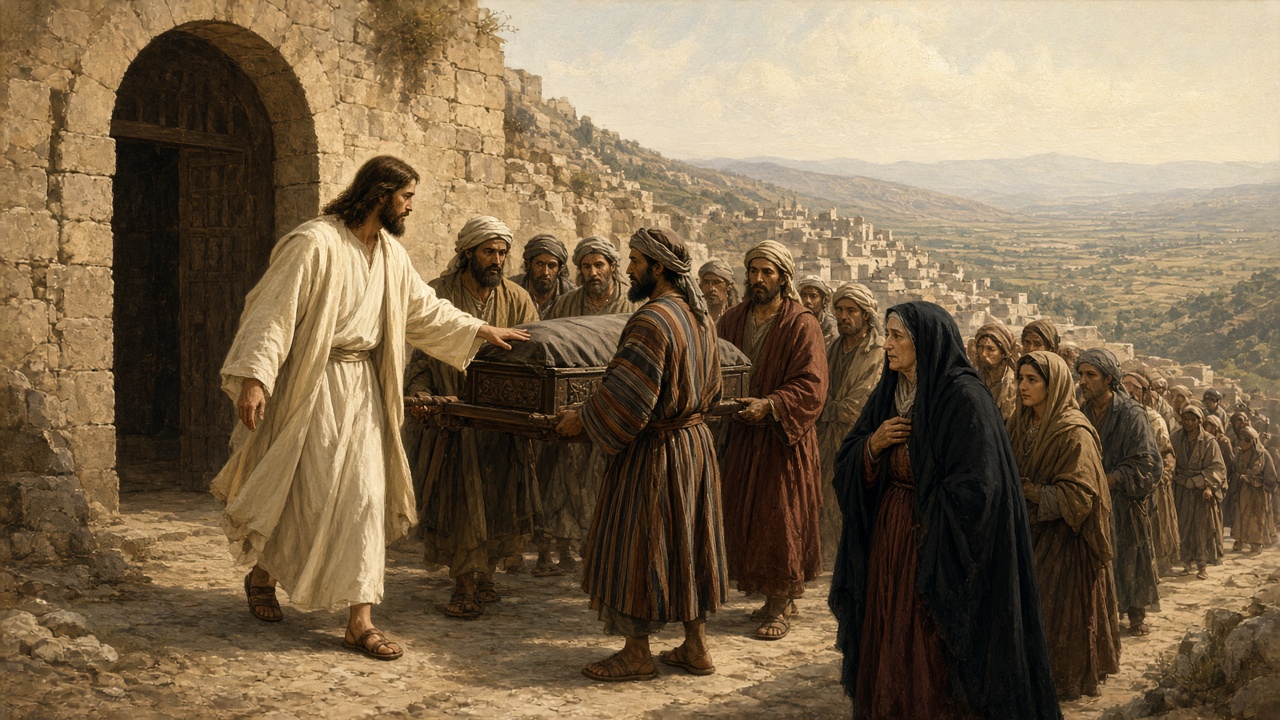
11Jnda̱ tuii na luaaꞌ, tja Jesús tsjoom na jndyu Naín. Ndoꞌ jndye nnꞌaⁿ na cwilaꞌjomndye ñꞌoom na mañequiaaⁿ tyꞌena ñꞌeⁿñê ñequio jndye ntꞌomcheⁿ nnꞌaⁿ. 12Quia na jnda̱ teindyoona ꞌndyootsꞌa tatiom nnom tsjoom, jliuna na cwicaluiꞌ nnꞌaⁿ na ꞌoocatyꞌiuu tsꞌoo, tsaⁿsꞌa jnda cwii yuscu na jnda̱ ljoñe. Tsaⁿsꞌaꞌñeeⁿ macanda̱ ñenquii tuiiñe. Jndye nnꞌaⁿ tsjoomꞌñeeⁿ tyꞌelaꞌjomndye ñꞌeⁿ yuscuꞌñeeⁿ. 13Jnda̱ na ntyꞌiaaꞌ Ta Jesús yuscuꞌñeeⁿ tioo na jeeⁿ wiꞌ tsꞌoom juu. Tsoom nnom:
—Tantyꞌiooꞌ.
14Quia joꞌ tjantyjaaⁿꞌaⁿ, tyeⁿnquioomꞌm yuu na njom tsꞌoo. Ndoꞌ nnꞌaⁿ na cho juunaꞌ, tyꞌemeiꞌntyjeeꞌna. Matsoom nnom tsꞌooꞌñeeⁿ:
—Aa ndiꞌ sa, matsjo̱o̱ njomꞌ: Quicantyjaꞌ.
15Ndoꞌ teicantyja tsꞌaⁿ na jnda̱ tueꞌ, to̱o̱ⁿꞌo̱ⁿ na matseineiiⁿ. Tquiaa Jesús jom lꞌo̱ tsoñeeⁿ. 16Jeeⁿ ndyaꞌ seicatyꞌuenaꞌ chaꞌtso nnꞌaⁿ. Tyolaꞌtꞌmaaⁿꞌndyena Tyꞌo̱o̱tsꞌom, tyoluena:
—Jnda̱ teitquiooꞌñe cwii profeta quiiꞌntaaⁿya na tꞌmaⁿ tseixmaaⁿ.
Ndoꞌ mati tyoluena:
—Tyꞌo̱o̱tsꞌom jnda̱ tyjeeꞌcañoom na mateijneiⁿ jaa na cwiluiindyo̱ cwentaaⁿꞌaⁿ.
17Ndoꞌ tjantyꞌee ñꞌoom cantyja ꞌnaaⁿꞌ na luaaꞌ sꞌaa Jesús chaꞌwaa tsꞌo̱ndaa Judea ñequio njoom na niom ndiocheⁿ joꞌ joꞌ.
Juan majñoom nnꞌaⁿ na mꞌaaⁿ Jesús
18Nnꞌaⁿ na cwilaꞌjomndye ñꞌoom na mañequiaa Juan, jlaꞌcandiina jom chaꞌtso ñꞌoommeiⁿꞌ. Quia joꞌ tꞌmaaⁿ wendye naⁿꞌñeeⁿ. 19Jñoom joona na cꞌootaꞌxꞌena ꞌndyoo Jesús, ¿aa jom cwiluiiñê nquii na nncwjeeꞌcañoom tsjoomnancue oo aa nncwindooꞌna cwiicheⁿ? 20Ndoꞌ quia na jnda̱ tquieꞌcañom naⁿꞌñeeⁿ Jesús, jluena nnoom:
—Juan tsaⁿ na matseitsꞌoomñe nnꞌaⁿ, jom jñoom jâ na mꞌaaⁿꞌ na cataꞌxꞌa̱a̱yâ njomꞌ: “¿Aa ꞌu cwiluiindyuꞌ nquii na nncwjeeꞌcañoom tsjoomnancue, oo aa nncwindo̱o̱ꞌâ cwiicheⁿ?”
21Juu xjeⁿꞌñeeⁿ tyotseinꞌmaⁿ Jesús jndye nnꞌaⁿ na wii ñequio ntycu na tcuu wjaanaꞌ. Mati tyotseinꞌmaaⁿ nnꞌaⁿ na maleichuu jndyetia, ndoꞌ sꞌaaⁿ na ntyꞌiaa nnꞌaⁿ na nchjaaⁿ. 22Jnda̱ chii tsoom nda̱a̱ nnꞌaⁿ na jñom Juan:
—Catsaꞌyoꞌ, calaꞌcandiiꞌyoꞌ Juan ljoꞌ na jnda̱ jndyeꞌyoꞌ, ndoꞌ na jnda̱ ntyꞌiaꞌnda̱a̱ꞌyoꞌ jndye nnꞌaⁿ nꞌmaaⁿ. Nnꞌaⁿ na nchjaaⁿ jnda̱ teitquioo. Ndoꞌ nnꞌaⁿ na ntjeiⁿ ncꞌeeꞌ, jeꞌ ya cwiꞌoocaꞌ. Nnꞌaⁿ na cho tycu lepra, jeꞌ jnda̱ nꞌmaaⁿ. Nnꞌaⁿ na candaa, jeꞌ ya cwindye. Nnꞌaⁿ na jnda̱ tja̱, jnda̱ cwitandoꞌnndaꞌ. Ndoꞌ ndyeñeeⁿꞌ jnda̱ macwindye ñꞌoom naya ꞌnaaⁿꞌ Tyꞌo̱o̱tsꞌom. 23Ndoꞌ mañequiaanaꞌ na neiiⁿꞌ meiⁿcwiꞌñeeⁿcheⁿ tsꞌaⁿ na ticwjiꞌñe cantyja ꞌnaⁿya.
24Jnda̱ na tyꞌelcweeꞌ nnꞌaⁿ na jñom Juan, to̱ꞌ Jesús na matseineiiⁿ nda̱a̱ nnꞌaⁿ na mꞌaⁿ nacañomꞌm cantyja ꞌnaaⁿꞌ Juan. Matsoom:
—¿Chiuu waa saacantyꞌiaꞌyoꞌ na saꞌyoꞌ ndyuaa na tja nnꞌaⁿ cꞌoom yuu na tyomꞌaaⁿ Juan? ¿Aa ntyꞌiaꞌyoꞌ jom chaꞌcwijom cwii tsmaaⁿ na maleiñꞌoomñe jndye? Ntyjii nchii joꞌ. 25Quia joꞌ ¿chiuu waa na saacantyꞌiaꞌyoꞌ? ¿Aa ntyꞌiaꞌyoꞌ jom na cweⁿ liaa na jeeⁿ jnda? Ntyjii nchii joꞌ. Queⁿꞌyoꞌ cwenta, nnꞌaⁿ na cwicweeꞌ liaa na jnda, joona jeeⁿ lꞌue mꞌaⁿna ndoꞌ ya cwicꞌeeⁿna quiiꞌ lanꞌiaaⁿ ntꞌmaⁿ. 26Quia joꞌ ¿chiuu waa na saacantyꞌiaꞌyoꞌ na saꞌyoꞌ? ¿Aa ntyꞌiaꞌyoꞌ na cwiluiiñê profeta? Mayuuꞌ na joꞌ jom. Ndoꞌ tꞌmaⁿti matseixmaaⁿ, nchiiti meiⁿnquia profeta. 27Ee waa ljeii na matseineiⁿnaꞌ cantyja ꞌnaaⁿꞌaⁿ. Matsonaꞌ:
Ja majño̱o̱ⁿñetya̱ya cwii moso ꞌnaⁿya na wjaajndyee cantyja na nncjaꞌ na wjaañꞌoom ñꞌoomya.
Jom nncwjiꞌyuuꞌñê cantyja ꞌnaⁿꞌ cha nncꞌomcꞌeendye nnꞌaⁿ quia na nncueꞌcañoomꞌ.
28Candyeꞌyoꞌ nntsjo̱o̱, quiiꞌntaaⁿ nnꞌaⁿ na mꞌaⁿ tsjoomnancue, tijoom ñetꞌoom cwii profeta na tꞌmaⁿti cwiluiiñe chaꞌna Juan. Sa̱a̱ meiiⁿ na ljoꞌ, tsꞌaⁿ na cjeti machꞌee, juu tꞌmaⁿti cwiluiiñe yuu na matsa̱ꞌntjom Tyꞌo̱o̱tsꞌom, nchiiti Juan.
29Chaꞌtso nnꞌaⁿ na jndye ñꞌoom na seineiⁿ Juan mandiñꞌeeⁿ nnꞌaⁿ na cwitoꞌñoom sꞌom tsꞌiaaⁿnda̱a̱ nnꞌaⁿ cwentaaꞌ gobiernom, ñequio chaꞌtso ntꞌomcheⁿ nnꞌaⁿ, teitsꞌoomndyena sꞌaa Juan ee jlaꞌno̱ⁿꞌna na xcwe machꞌee Tyꞌo̱o̱tsꞌom. 30Sa̱a̱ nnꞌaⁿ fariseos ñequio nnꞌaⁿ na cwitꞌmo̱o̱ⁿ ljeii na tqueⁿ Moisés, lꞌana na ticwilꞌue ñꞌoom na seijndaaꞌñe Tyꞌo̱o̱tsꞌom na nluiꞌnꞌmaaⁿndyena, joꞌ chii tînquiandyena na nntseitsꞌoomñe Juan joona. 31Quia joꞌ tso Jesús nda̱a̱na:
—¿Ljoꞌ nntseijoomꞌndyo̱ cantyja ꞌnaⁿꞌyoꞌ ñequio chaꞌtso ntꞌomcheⁿ ncꞌiaaꞌyoꞌ na mꞌaⁿ jeꞌ? Ndoꞌ ¿ꞌñeeⁿ matseijomnaꞌ ꞌo? 32Matseijomnaꞌ ꞌo chaꞌna yocanchꞌu na tileicatjoomꞌ na cwinquiooꞌ na meindyuaandye tsꞌom nataa. Cwilaꞌxuaana nda̱a̱ ncꞌiaana, cwiluena: “Cwitjo̱o̱ꞌâ tsmaaⁿ na macoco tsꞌaⁿ sa̱a̱ ꞌo tiñeꞌcalaꞌjnomꞌyoꞌ. Cwitaayâ som tsꞌoo sa̱a̱ mati tiñecatyueeꞌyoꞌ.” 33Ee tyjeeꞌcañoom Juan, tsꞌaⁿ na ñeseitsꞌoomñe nnꞌaⁿ, jom tîcwaaⁿꞌaⁿ nantquie na ya, meiⁿ winom tîcꞌom. Sa̱a̱ ꞌo cwinduꞌyoꞌ: “Tsaⁿjndii matseixmaaⁿ.” 34Ndoꞌ ja na cwiluiindyo̱ tsꞌaⁿ na jnaⁿ cañoomꞌluee, jnda̱ tyja̱caño̱o̱ⁿya ꞌo. Ja matseijomndyo̱ ñꞌeⁿ nnꞌaⁿ, macwaꞌa ndoꞌ maꞌua. Sa̱a̱ ꞌo cwinduꞌyoꞌ na ja cwiluiindyo̱ tsꞌaⁿ na jeeⁿ cwaꞌ, jeeⁿ ꞌuu. Ndoꞌ mati cwinduꞌyoꞌ na ja matseixꞌiaaꞌndyo̱ ñꞌeⁿ nnꞌaⁿ na cwitoꞌñoom sꞌom cwentaaꞌ gobiernom ñequio nnꞌaⁿ na cwilaꞌtjo̱o̱ndye nnom Tyꞌo̱o̱tsꞌom. 35Sa̱a̱ tintsꞌaa ee chaꞌtso ljoꞌ na machꞌee Tyꞌo̱o̱tsꞌom cwitꞌmo̱o̱ⁿnaꞌ na jndo̱ꞌ tsꞌoom.
Tja Jesús waaꞌ Simón, tsꞌaⁿ fariseo
36Cwii tsꞌaⁿ fariseo tqueeⁿꞌñê Jesús waⁿꞌaⁿ na nlcwaꞌna. Ndoꞌ tjaquieeꞌ Jesús quiiꞌ waaꞌ fariseoꞌñeeⁿ ndoꞌ tjacjom nacañomꞌ meiⁿsa. 37Cwii yuscu tsjoomꞌñeeⁿ na cweꞌ luaaꞌ mꞌaaⁿ ñꞌeⁿ naⁿnom, quia na jñeeⁿ na wacatyeeⁿ Jesús nacañoomꞌ meiⁿsa waaꞌ fariseo, jndyoñꞌoom cwii tsioo na tuiinaꞌ ñꞌeⁿ tsjo̱ꞌ canchiiꞌ na njom ncheⁿꞌ cachi. 38Jndyomeintyjeeⁿꞌeⁿ nacañoomꞌ ncꞌee Jesús. To̱o̱ⁿꞌo̱ⁿ na matyꞌioom ndoꞌ cwiquiaa ndaannoom nacjooꞌ ncꞌee Jesús. Ñequio sooxqueeⁿ tyoweeꞌñê ncꞌee Jesús. Tyoꞌom ncꞌee ndoꞌ tyoñꞌoomñê ncheⁿꞌ cachiꞌñeeⁿ. 39Ndoꞌ juu tsꞌaⁿ fariseo na tqueeⁿꞌñê Jesús na catseijomñe ñꞌeⁿñê, ntyꞌiaaⁿꞌaⁿ na luaaꞌ. Quia joꞌ seitioom naquiiꞌ tsꞌoom: “Tsaⁿmꞌaaⁿ, xeⁿ mayuuꞌ cwiluiiñê profeta, jnda̱ seiꞌno̱o̱ⁿꞌo̱ⁿ ꞌñeeⁿ yuscumꞌaaⁿꞌ na manquiuꞌ jom, ndoꞌ ljoꞌ mayaaⁿꞌ. Ee tsaⁿmꞌaaⁿꞌ, tsꞌaⁿ na cweꞌ luaaꞌ mꞌaaⁿ ñꞌeⁿ naⁿnom.” 40Quia joꞌ tso Jesús nnom fariseoꞌñeeⁿ:
—Aa ndiꞌ, Simón, waa cwii na ñeꞌcatsjo̱o̱ njomꞌ.
Tꞌo̱ Simón, tsoom:
—Ta, catsuꞌ nndii.
41Tso Jesús:
—Tyomꞌaaⁿ cwii tsꞌaⁿ na teijndeii sꞌom nnꞌaⁿ. Ndoꞌ tꞌom we nnꞌaⁿ na tyocachoꞌjnaⁿ nnoom. Cwii tsaⁿꞌñeeⁿ tyocachujnaaⁿ ꞌom siaⁿnto denarios. Ndoꞌ cwiicheⁿ tsaⁿꞌñeeⁿ tyocachujnaaⁿ ñewenꞌaaⁿ nchooꞌ qui denarios. 42Ndoꞌ naⁿꞌñeeⁿ tîcanda̱a̱ nntioomna, sa̱a̱ meiiⁿ na ljoꞌ, wendyena seitꞌmaⁿ tsꞌoom. Quia joꞌ ¿cwaaⁿ cwii na wendye naⁿꞌñeeⁿ nncꞌoom na jndati ntyjii ñꞌeⁿñê?
43Tꞌo̱ Simón, matsoom:
—Matseitiuuya tsꞌaⁿ na tꞌmaaⁿꞌti chujnaⁿ nnoom, juu tsaⁿꞌñeeⁿ jndati ntyjii jom.
Quia joꞌ matso Jesús nnoom:
—Majoꞌndyo macwjiꞌ cwenta.
44Jnda̱ joꞌ taqueeⁿ, ntyꞌiaaⁿꞌaⁿ yuscuꞌñeeⁿ, matsoom nnom Simón:
—¿Aa mantyꞌiaꞌ yuscumꞌaaⁿꞌ? Ja jndyo̱quia̱ꞌa waꞌ, tînquiaaꞌ ndaa na nntmaⁿ ncꞌa̱ sa̱a̱ tsaⁿmꞌaaⁿꞌ jeꞌ, jnda̱ tmaaⁿ ncꞌa̱ ñequio ndaannoom. Ndoꞌ jnda̱ tyueeꞌñê ncꞌa̱ ñequio sooxqueeⁿ. 45ꞌU tîcꞌuaꞌ ntsmaaⁿꞌa chaꞌna waa costumbre, sa̱a̱ tsaⁿmꞌaaⁿꞌ cantyjati na jndyo̱quia̱ꞌa waꞌ, tyoocjaameintyjeeⁿꞌeⁿ na maꞌom ncꞌa̱. 46ꞌU tîcwjaaꞌndyuꞌ seitye xqua̱a̱ⁿ sa̱a̱ tsaⁿmꞌaaⁿꞌ jnda̱ tyꞌoomñê ncheⁿꞌ cachi ncꞌa̱. 47Joꞌ chii matsjo̱o̱ njomꞌ chaꞌtso na matseitjo̱o̱ñê jnda̱ seitꞌmaⁿ tsꞌo̱o̱ⁿ, joꞌ na jeeⁿ jnda ntyjeeⁿ ja. Sa̱a̱ juu tsꞌaⁿ na mꞌaaⁿꞌ tsꞌom nquii na titꞌmaⁿ matseitjo̱o̱ñe, meiiⁿ na matseitꞌmaⁿ tsꞌo̱o̱ⁿ juu, maxjeⁿ ticueeꞌ na jnda ntyjii ñꞌeⁿndyo̱.
48Jnda̱ chii matsoom nnom yuscuꞌñeeⁿ:
—Jnda̱ seitꞌmaⁿ tsꞌo̱o̱ⁿya chaꞌtso jnaⁿꞌ.
49Nnꞌaⁿ na meindyuaandye ñꞌeⁿñê nacañoomꞌ meiⁿsa, to̱ꞌna na cwiluena nda̱a̱ ncꞌiaana:
—¿ꞌÑeeⁿ cwiluiiñe tsaⁿmꞌaaⁿꞌ na mati matseitꞌmaⁿ tsꞌoom jnaaⁿ nnꞌaⁿ?
50Sa̱a̱ matsoom nnom yuscuꞌñeeⁿ:
—Ncꞌe na matseiꞌyuꞌya tsꞌomꞌ ñꞌeⁿndyo̱, joꞌ na jnda̱ jluiꞌyaꞌ. Cjaꞌ na meiⁿcwii ñomtiuu tancꞌoomꞌ.
Did you know?
Faith, compassion, and a prophet's question
- Easton's Bible Dictionary (1897) describes Capernaum as a Galilean town not mentioned in the Old Testament, which became the city Jesus treated as his own after he was expelled from Nazareth and the scene of many episodes in his life. In this chapter he arrives there to find a centurion's highly valued servant near death, and Jewish elders plead that the officer loves their nation and has built their synagogue.Sources: Capernaum · the Bible text itself
- Easton's Bible Dictionary (1897) links the name Nain to a Hebrew word meaning green pastures or lovely, and identifies the town with the village of Nein on the northwestern slope of Jebel ed-Duhy, also called the hill Moreh or Little Hermon, about four miles from Tabor and twenty-five miles southwest of Capernaum, above the plain of Esdraelon. At the town gate Jesus met the funeral of a widow's only son, and awe spread through the crowd.Sources: Nain · the Bible text itself
- John the Baptist is described as the forerunner of the Lord and as a man of priestly descent: his father Zacharias was a priest of the course of Abia, and his mother Elisabeth was one of the daughters of Aaron. His mission is described as the subject of prophecy, and in this chapter Jesus tells the crowds that John is more than a prophet, the messenger sent ahead to prepare the way, while John's disciples ask whether Jesus is the one who was to come.Sources: John the Baptist · the Bible text itself
Notes written with AI assistance from open sources (Theographic Bible Metadata, CC BY-SA 4.0; Easton’s Bible Dictionary, public domain) and reviewed before publishing.
Places in this chapter
Only places identified with high confidence are shown (90% or more according to the scholarly sources compiled by OpenBible). Period map: DARE (Digital Atlas of the Roman Empire), CC BY 4.0; modern map: © OpenStreetMap contributors; places: OpenBible.info (CC BY 4.0).
Credits and license for this translation
Ñʼoom xco na tqueⁿ tyʼo̱o̱tsʼom cantxja ʼnaaʼ Jesucristo
New Testament in Amuzgo, Guerrero (MX:amu:Amuzgo, Guerrero)
copyright © 1999 Wycliffe Bible Translators, Inc.
Language: Guerrero Amuzgo (Amuzgo, Guerrero)
Translation by: Wycliffe Bible Translators, Inc.
Amuzgo, Guerrero
amu
Mexico
Copyright Information
© 1999, Wycliffe Bible Translators, Inc. All rights reserved.
This translation text is made available to you under the
terms of the Creative Commons License: Attribution-Noncommercial-No Derivative Works.
( http://creativecommons.org/licenses/by-nc-nd/3.0/ )
In addition, you have permission to port the text to different file formats, as long as you
do not change any of the text or punctuation of the Bible.
You may share, copy, distribute, transmit, and extract portions
or quotations from this work, provided that you include the above copyright
information:
You must give Attribution to the work.
You do not sell this work for a profit.
You do not make any derivative works that change any of the actual words or punctuation of the Scriptures.
Permissions beyond the scope of this license may be
available if you contact
us with your request.
The New Testament
in Amuzgo, Guerrero
© 1999, Wycliffe Bible Translators, Inc. All rights reserved.
This translation is made available to you under the terms of the
Creative Commons Attribution-Noncommercial-No Derivatives license 4.0.
You may share and redistribute this Bible translation or extracts from it in any format, provided that:
You include the above copyright and source information.
You do not sell this work for a profit.
You do not change any of the words or punctuation of the Scriptures.
Pictures included with Scriptures and other documents on this site are licensed just for use with those Scriptures and documents.
For other uses, please contact the respective copyright owners.
2024-02-11
Source: http://ebible.org/amuNT/ · eBible.org