2 Corinthians 7
Ñʼoom xco na tqueⁿ tyʼo̱o̱tsʼom cantxja ʼnaaʼ Jesucristo · Tap a verse to see its cross-references.
1ꞌO nnꞌaⁿya na jeeⁿ wiꞌ tsꞌo̱o̱ⁿya, ncꞌe na laꞌxmaaⁿya ñꞌoommeiⁿꞌ na jnda̱ tso Tyꞌo̱o̱tsꞌom na nntsꞌaaⁿ, joꞌ chii macaⁿnaꞌ na calaꞌljuꞌndyo̱ cantyja ꞌnaaⁿ chaꞌtso na matseicwꞌaaꞌñenaꞌ seiiꞌa ñequio nꞌo̱o̱ⁿya. Ndoꞌ ñequio na nquiaaya na ncꞌoom na ticjaweeꞌ ntyjeeⁿ ñꞌeⁿndyo̱, canda̱a̱ꞌ quiandyo̱ñꞌa̱a̱ⁿ chaꞌtso na lꞌue tsꞌoom.
Neiiⁿꞌ Pablo na joo nnꞌaⁿ Corinto tiooꞌ nꞌomna ñꞌeⁿñê
2Cwa quiandyoꞌ na nntseitjoomꞌnndaꞌnaꞌ jâ ñꞌeⁿndyoꞌ. Jâ meiⁿjom ndiiꞌ tyoolꞌaayâ nawiꞌndyô̱ ñꞌeⁿndyoꞌ. Meiⁿ tyoolaꞌtjo̱o̱ndyô̱ nnom meiⁿcwiindyoꞌ ꞌo, meiⁿ na nñeꞌnquio̱ꞌnnꞌaaⁿyâ ꞌo. 3Sa̱a̱ nchii luaaꞌ matsjo̱o̱ na matseitiaꞌa ꞌo ee jnda̱ ñetsjo̱o̱ na mꞌaⁿꞌyoꞌ naquiiꞌ tsꞌo̱o̱ⁿya meiiⁿ na nntando̱o̱ꞌâ oo meiiⁿ na nncwja̱a̱yâ ñꞌeⁿndyoꞌ. 4Tꞌmaⁿ waa na tꞌmaⁿ tsꞌo̱o̱ⁿya ꞌo ndoꞌ jeeⁿ neiⁿya ꞌo. Quiiꞌntaaⁿ chaꞌtso nawiꞌ na cwiwino̱o̱ⁿyâ tileicantycwii na mꞌaaⁿya na neiⁿya.
5Ee cantyjati na squia̱a̱yâ tsꞌo̱o̱ndaa Macedonia, tileiquiaanaꞌ na nntaꞌjndya̱a̱yâ ee lomañjaaⁿ jndye nnom na tyocoꞌwiꞌnaꞌ jâ, tyolawendye nnꞌaⁿ nacjooyâ ndoꞌ macatyꞌua̱ya. 6Sa̱a̱ nquii Tyꞌo̱o̱tsꞌom na mañequiaaⁿ na tꞌmaⁿ nꞌom nnꞌaⁿ na mꞌaⁿ na chjooꞌ nꞌom, manquiityeeⁿ tquiaaⁿ na tꞌmaⁿ nꞌo̱o̱ⁿyâ na tyjeeꞌcañoom Tito jâ, 7ee nchii macanda̱ cweꞌ na tyjeꞌcañoom jâ, sa̱a̱ mati ncꞌe na tquiaꞌyoꞌ na neiiⁿꞌeⁿ na tyomꞌaaⁿ ñꞌeⁿndyoꞌ. Ee seicañeeⁿ na jeeⁿ ñeꞌcantyꞌiaꞌyoꞌ ja, ndoꞌ na tia nquiuꞌyoꞌ ljoꞌ na tuii quiiꞌ ntaaⁿꞌyoꞌ. Mati tsoom na tyojooꞌ nꞌomꞌyoꞌ na nlaꞌcanda̱ꞌyoꞌ ñꞌoom na seijndo̱ꞌa nꞌomꞌyoꞌ. Ndoꞌ quia na jndiiya na ljoꞌ, tꞌmaⁿti tioo na neiⁿya.
8Ee meiiⁿ na juu cartaꞌñeeⁿ seichjooꞌnaꞌ nꞌomꞌyoꞌ, sa̱a̱ ticoꞌtianaꞌ ntyjii na ljoꞌ sꞌaa ee jnda̱ ljeiya na cweꞌ chjootindyo sꞌaanaꞌ na tcoꞌtianaꞌ nquiuꞌyoꞌ, 9sa̱a̱ jeꞌ neiⁿya na seicwano̱ⁿya juunaꞌ meiⁿ nchii na seichjooꞌnaꞌ nꞌomꞌyoꞌ na tquiaanaꞌ na neiⁿya, tquiaanaꞌ na neiⁿya na ꞌo tiooꞌ nꞌomꞌyoꞌ, na joꞌ joꞌ tjaweeꞌ ntyjii Tyꞌo̱o̱tsꞌom. Ndoꞌ na luaaꞌ tquiooꞌya na nchii sꞌaaya cwii nnom na seilcweꞌtyaꞌnaꞌ ꞌo. 10Ee quia na mañequiaa Tyꞌo̱o̱tsꞌom na matseichjooꞌnaꞌ tsꞌom tsꞌaⁿ cwii na ticatsa̱ꞌntjomnaꞌ na machꞌee, luaaꞌ machꞌeeⁿ cha nlcweꞌ tsꞌom tsꞌaⁿ, cha nnda̱a̱ nncwjiꞌnꞌmaaⁿñê juu. Ndoꞌ na luaaꞌ machꞌeeⁿ meiⁿ xocatso tsaⁿꞌñeeⁿ na cweꞌ tsꞌiaaⁿꞌndyo na lcweꞌ tsꞌom. Sa̱a̱ nnꞌaⁿ na tyoolaꞌyuꞌ meiiⁿ jnaⁿ na laxmaⁿna machꞌeenaꞌ na chjooꞌ nꞌomna, maxjeⁿ tiñeꞌcalcweꞌ nꞌomna. Ndoꞌ cweꞌ jnaaⁿꞌ joꞌ cwitsuundye añmaaⁿna. 11Queⁿꞌyoꞌ cwenta juu na tyomꞌaⁿꞌyoꞌ na chjooꞌ nꞌomꞌyoꞌ teilꞌueeꞌñe Tyꞌo̱o̱tsꞌom. Juunaꞌ sꞌaanaꞌ na tqueⁿndyoꞌ na jlaꞌjndaaꞌndyoꞌ. Sꞌaanaꞌ na jlaꞌliooꞌndyoꞌ na luaaꞌ sꞌaa tsaⁿꞌñeeⁿ ndoꞌ tꞌomꞌyoꞌ na nquiaꞌyoꞌ xeⁿ chiuu nntsꞌaa Tyꞌo̱o̱tsꞌom ñꞌeⁿndyoꞌ. Mati sꞌaanaꞌ na ñeꞌcantyꞌiaꞌyoꞌ ja ndoꞌ tqueⁿꞌtyeⁿꞌyoꞌ na cjameintyjeeⁿꞌeⁿ natia na sꞌaaⁿ.
12Quia joꞌ nchii cweꞌ tomti cantyja ꞌnaaⁿꞌ juu tsꞌaⁿ na seitjo̱o̱ñe, joꞌ na seiljeiya cartaꞌñeeⁿ, meiiⁿ nchii cweꞌ cantyja ꞌnaaⁿꞌ tsotyeeⁿ na jluiꞌjnaaⁿꞌñe, sa̱a̱ seiljeiya juunaꞌ chaꞌ jo nnom Tyꞌo̱o̱tsꞌom nntseicaꞌmo̱ⁿyanaꞌ na ꞌo jnda nquiuꞌyoꞌ ja. 13Ndoꞌ na maljeiya na ljoꞌ, tquiaanaꞌ na tyꞌo̱ⁿtꞌmaaⁿꞌndyo̱ tsꞌo̱o̱ⁿ.
Majndeiiticheⁿ quia na ljeiya na jlaꞌñꞌoomꞌndyoꞌ Tito tsꞌiaaⁿ na tjaaⁿ na mꞌaⁿꞌyoꞌ. Ndoꞌ na teijndeiꞌyoꞌ jom mati tquiaanaꞌ na neiⁿya ncꞌe sꞌaanaꞌ ntyjeeⁿ chaꞌcwijom na mꞌaaⁿ waⁿꞌaⁿ. 14Meiⁿ tîcaluiꞌjnaaⁿꞌndyo̱ quia na tjeiꞌsꞌaya ꞌo nnoom, na tsjo̱o̱ya na ntyjiiyaya na ꞌo nlaꞌcanda̱a̱ꞌndyoꞌ ñꞌoom na nntsoom, ndoꞌ chaꞌxjeⁿ jluiꞌyuuꞌ chaꞌtso ñꞌoom na jnda̱ tjeiꞌyuuꞌndyo̱ nda̱a̱ꞌyoꞌ, mati chaꞌtso ñꞌoom na jnda̱ lꞌuuyâ nnoom cantyja ꞌnaⁿꞌyoꞌ, jnda̱ jluiꞌyuuꞌnaꞌ. 15Ndoꞌ ncꞌe na luaaꞌ, jndati ntyjeeⁿ ꞌo na majaañjoomꞌ tsꞌoom na tyolaꞌcanda̱a̱ꞌndyoꞌ ñꞌoom na tsoom nda̱a̱ꞌyoꞌ, na ñequio na tyotueꞌndyoꞌcjeꞌyoꞌ ndoꞌ na cwicatyueꞌ neiⁿꞌyoꞌ. 16Jeeⁿ ndyaaꞌ neiⁿya na canda̱a̱ꞌya nnda̱a̱ nncꞌo̱ⁿtꞌmaaⁿꞌndyo̱ tsꞌo̱o̱ⁿya ñꞌeⁿndyoꞌ.
Did you know?
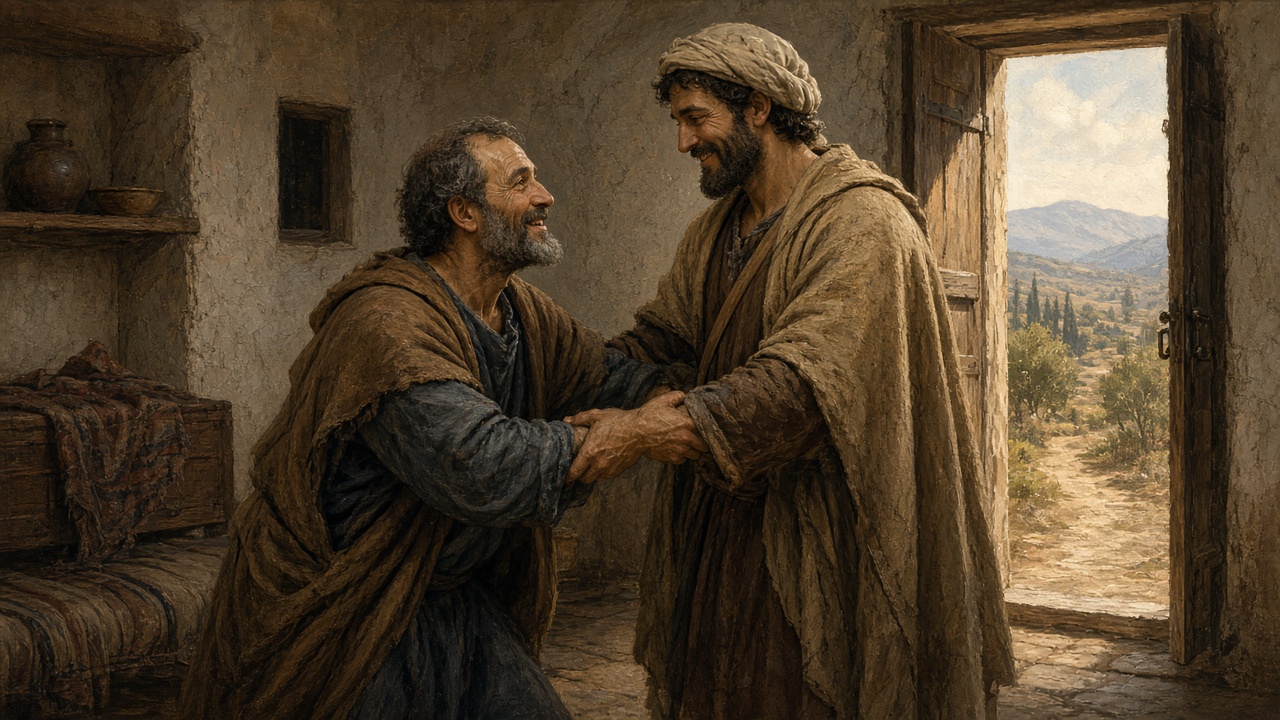
Comfort after a painful letter
- Macedonia, where Paul says he arrived with no rest in his body—conflicts outside and fears within—was a Roman province north of Greece. There, he writes, the God who comforts the downcast comforted him by the arrival of Titus.Sources: Macedonia · the Bible text itself
- Paul speaks of a letter that made them sorrowful, but only for a short time. He now rejoices not because they were sorrowful, but because that sorrow led them to repentance; he says they felt the sorrow God intended, were not harmed by him, and showed earnestness, zeal, and innocence in the matter.Sources: the Bible text itself
- A short account describes Titus as a companion of Paul, apparently a Gentile chiefly engaged in ministering to Gentiles. In this chapter Paul says Titus’s arrival comforted him, that Titus reported their longing, mourning, and zeal, and that they welcomed Titus with fear and trembling.Sources: Titus · the Bible text itself
Notes written with AI assistance from open sources (Theographic Bible Metadata, CC BY-SA 4.0; Easton’s Bible Dictionary, public domain) and reviewed before publishing.
Places in this chapter
- Macedonia · 41.600, 22.540 · verse 5
Only places identified with high confidence are shown (90% or more according to the scholarly sources compiled by OpenBible). Period map: DARE (Digital Atlas of the Roman Empire), CC BY 4.0; modern map: © OpenStreetMap contributors; places: OpenBible.info (CC BY 4.0).
Credits and license for this translation
Ñʼoom xco na tqueⁿ tyʼo̱o̱tsʼom cantxja ʼnaaʼ Jesucristo
New Testament in Amuzgo, Guerrero (MX:amu:Amuzgo, Guerrero)
copyright © 1999 Wycliffe Bible Translators, Inc.
Language: Guerrero Amuzgo (Amuzgo, Guerrero)
Translation by: Wycliffe Bible Translators, Inc.
Amuzgo, Guerrero
amu
Mexico
Copyright Information
© 1999, Wycliffe Bible Translators, Inc. All rights reserved.
This translation text is made available to you under the
terms of the Creative Commons License: Attribution-Noncommercial-No Derivative Works.
( http://creativecommons.org/licenses/by-nc-nd/3.0/ )
In addition, you have permission to port the text to different file formats, as long as you
do not change any of the text or punctuation of the Bible.
You may share, copy, distribute, transmit, and extract portions
or quotations from this work, provided that you include the above copyright
information:
You must give Attribution to the work.
You do not sell this work for a profit.
You do not make any derivative works that change any of the actual words or punctuation of the Scriptures.
Permissions beyond the scope of this license may be
available if you contact
us with your request.
The New Testament
in Amuzgo, Guerrero
© 1999, Wycliffe Bible Translators, Inc. All rights reserved.
This translation is made available to you under the terms of the
Creative Commons Attribution-Noncommercial-No Derivatives license 4.0.
You may share and redistribute this Bible translation or extracts from it in any format, provided that:
You include the above copyright and source information.
You do not sell this work for a profit.
You do not change any of the words or punctuation of the Scriptures.
Pictures included with Scriptures and other documents on this site are licensed just for use with those Scriptures and documents.
For other uses, please contact the respective copyright owners.
2024-02-11
Source: http://ebible.org/amuNT/ · eBible.org